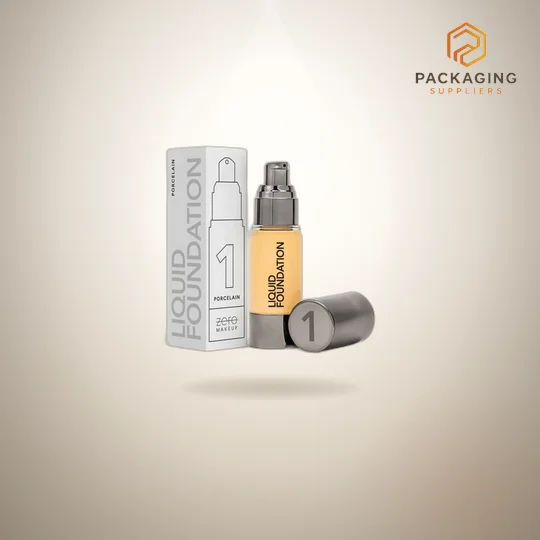
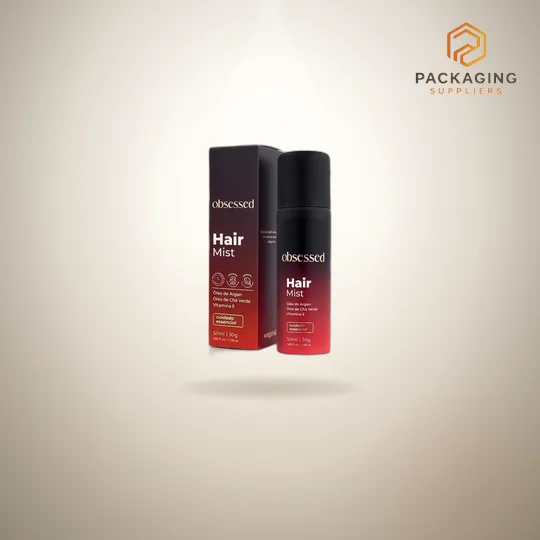
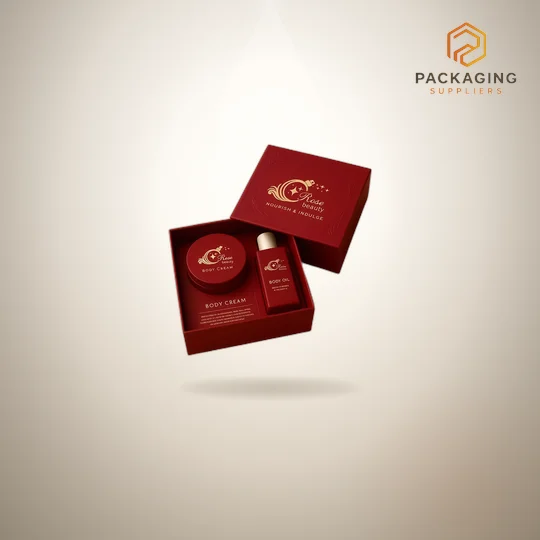
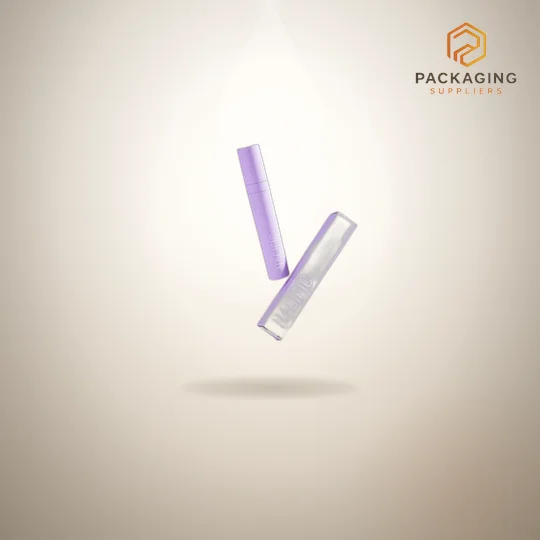
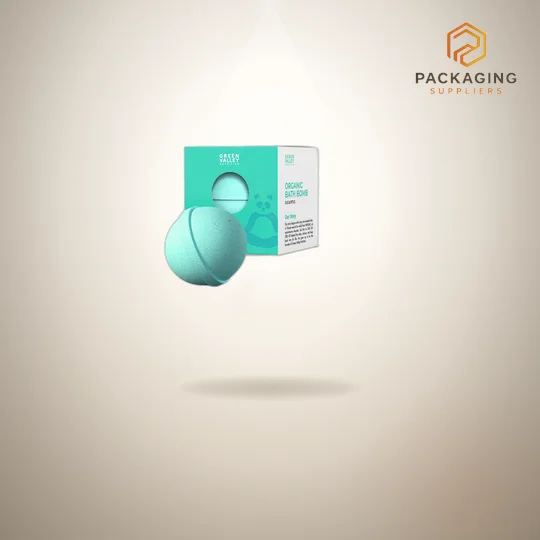
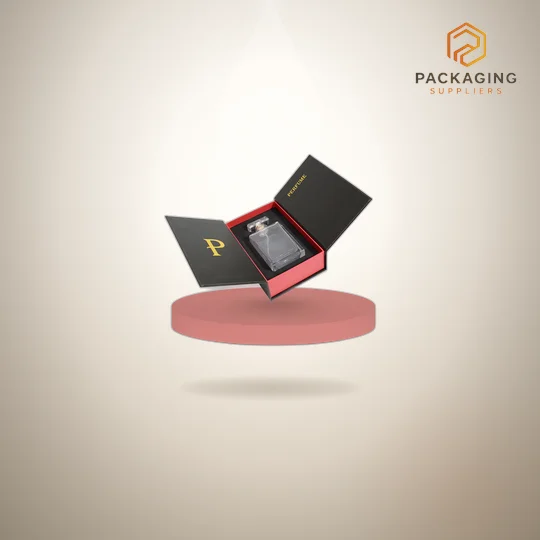
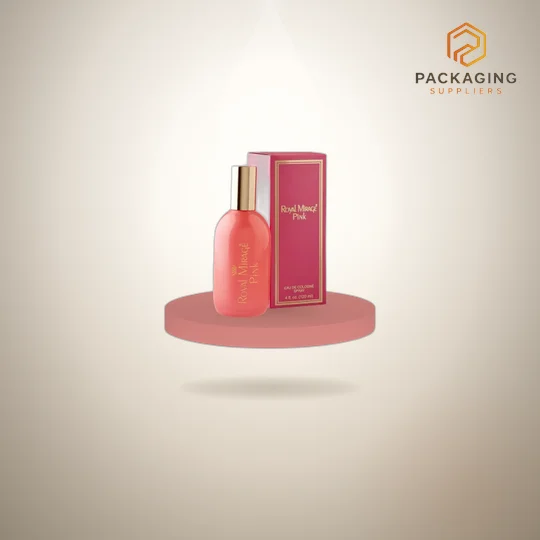
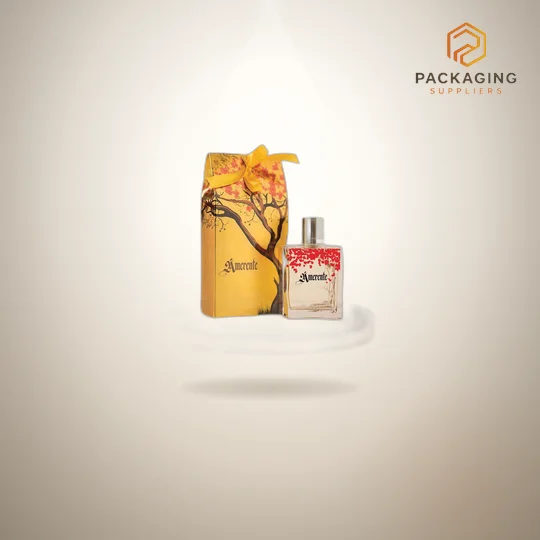
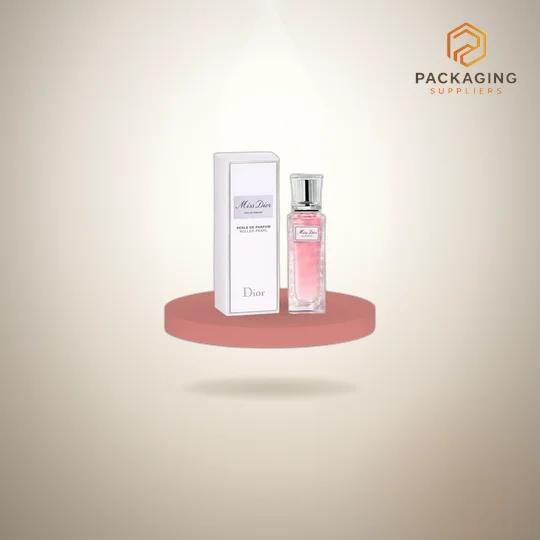
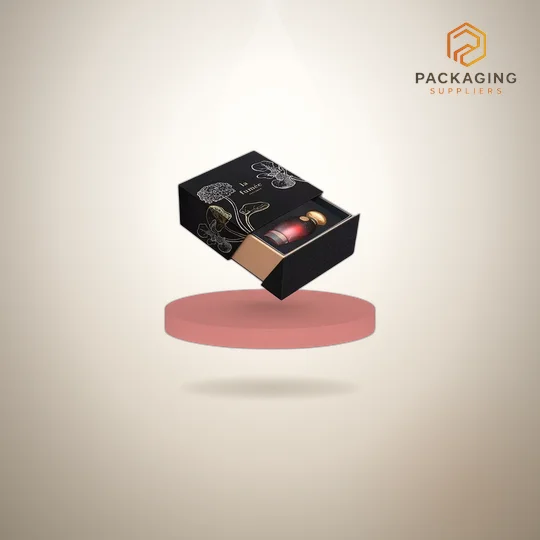
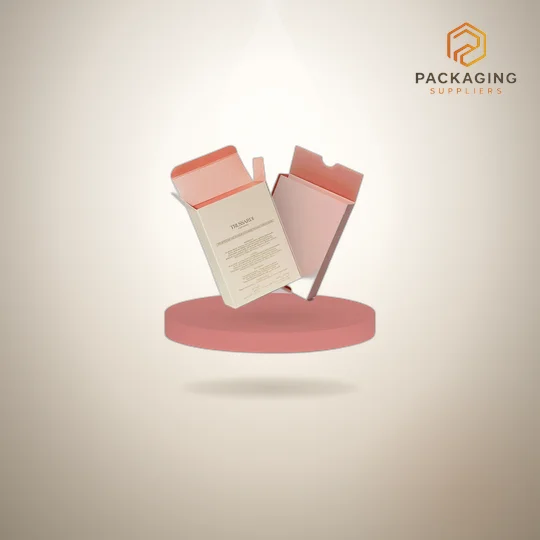
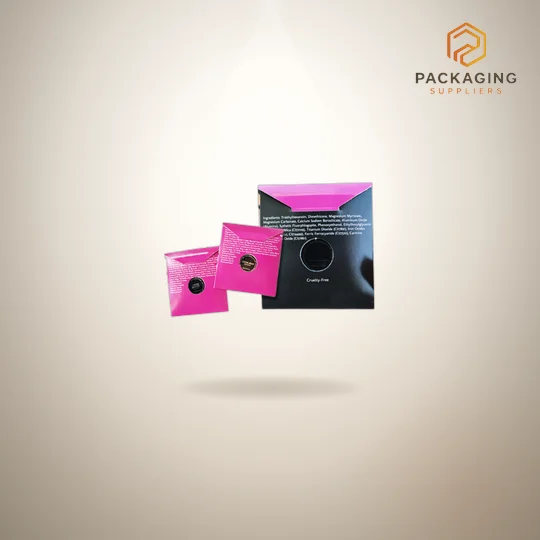
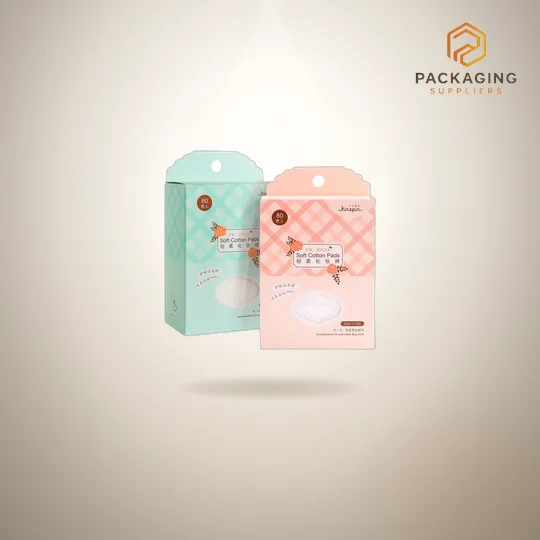
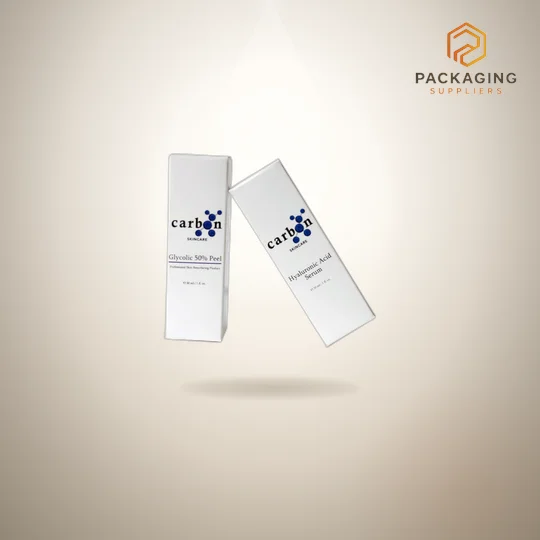
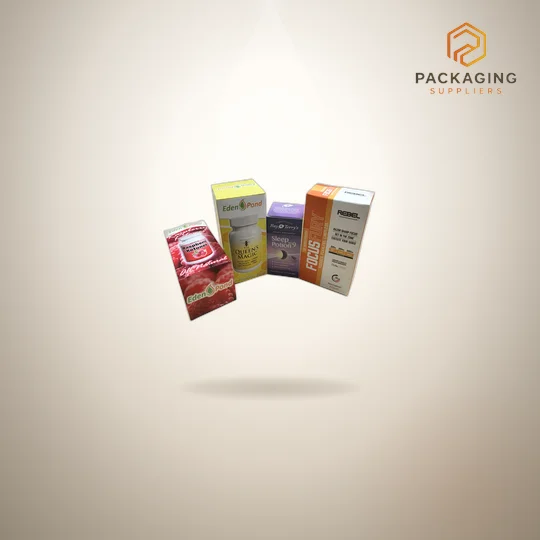
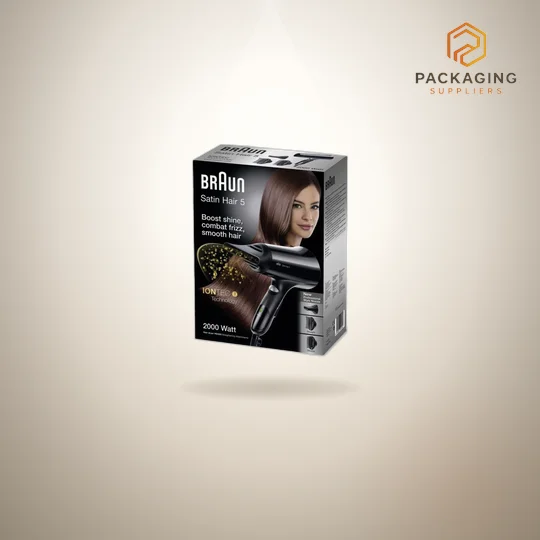
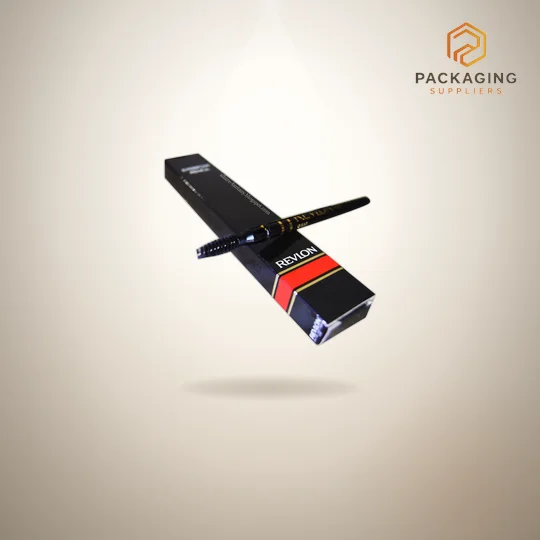
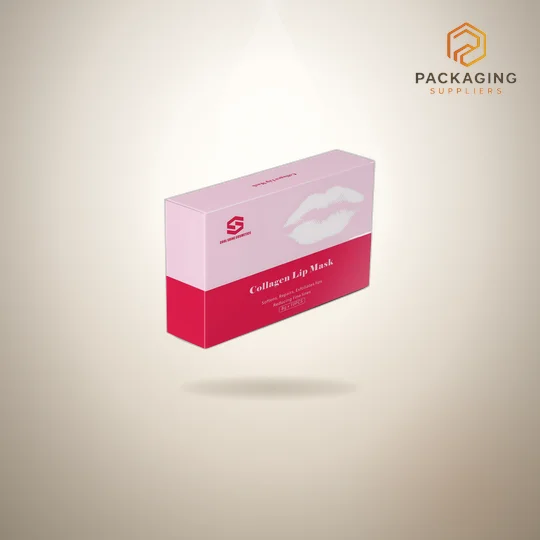
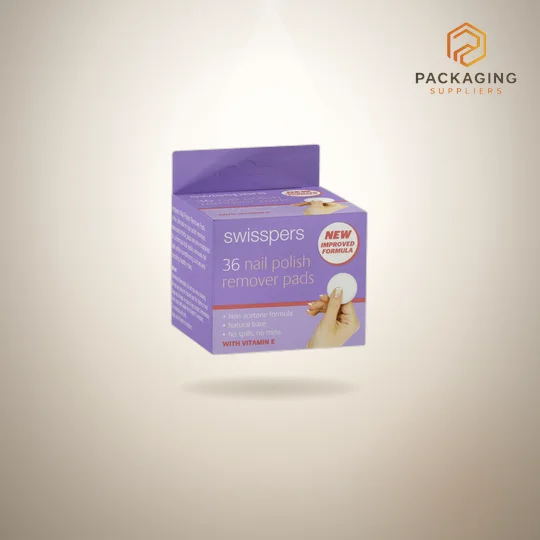
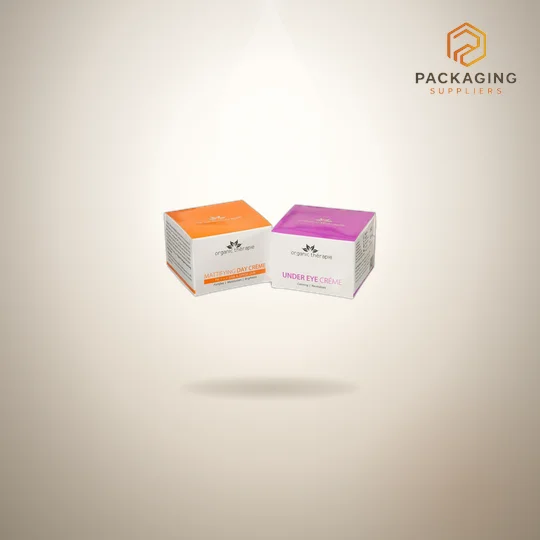
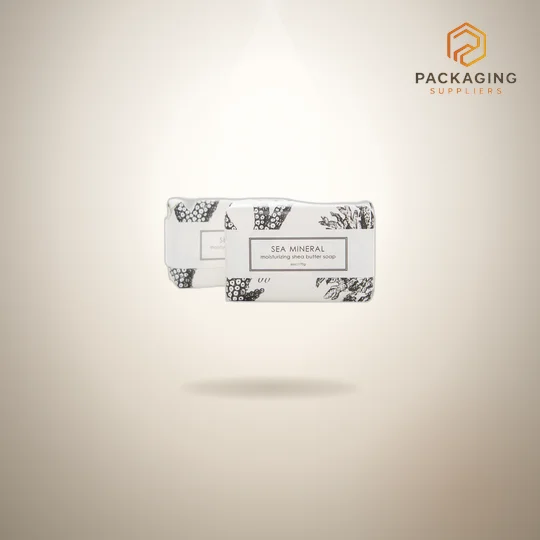
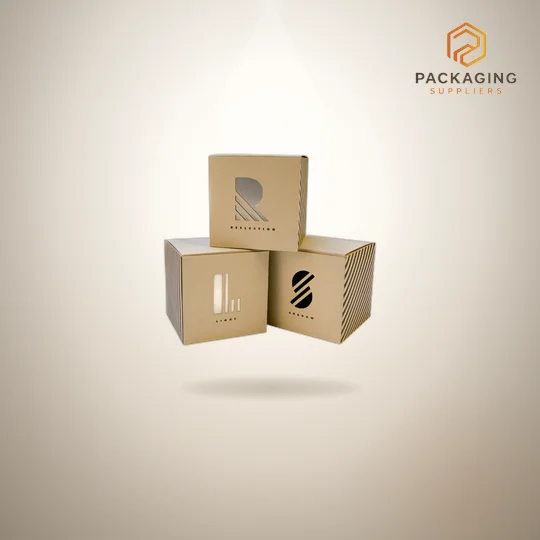
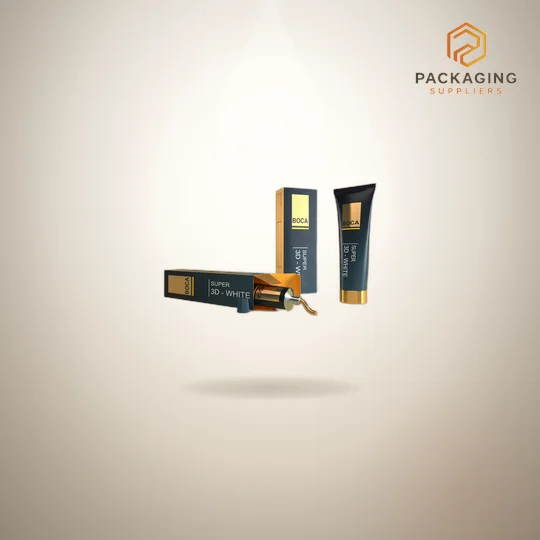
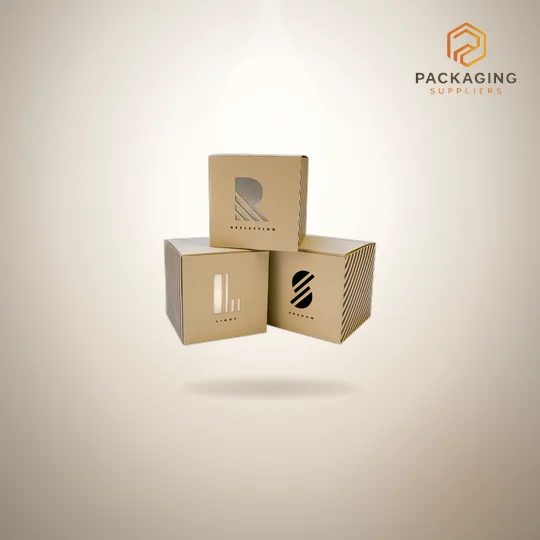
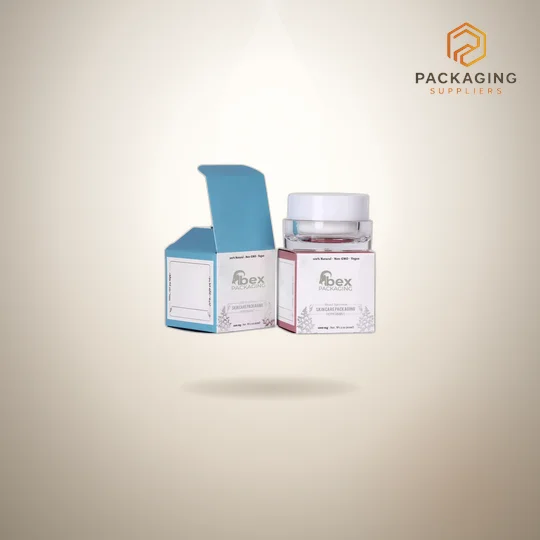
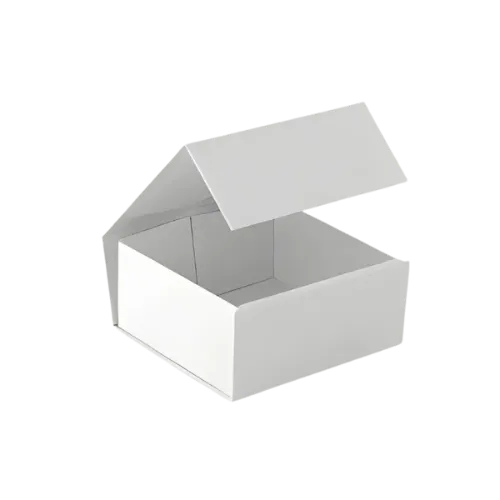
Custom Cosmetic Boxes for Beauty Brands
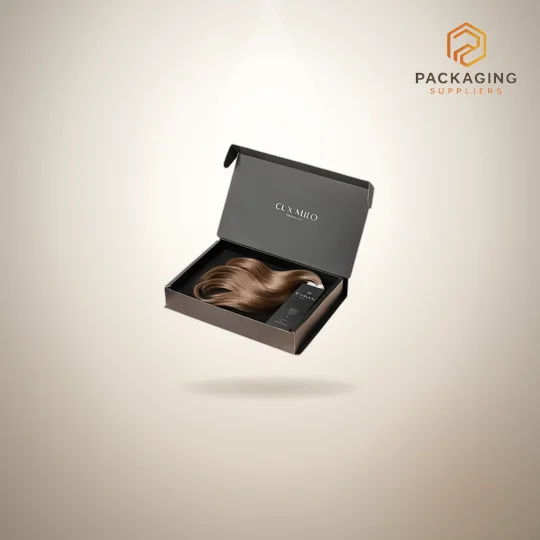
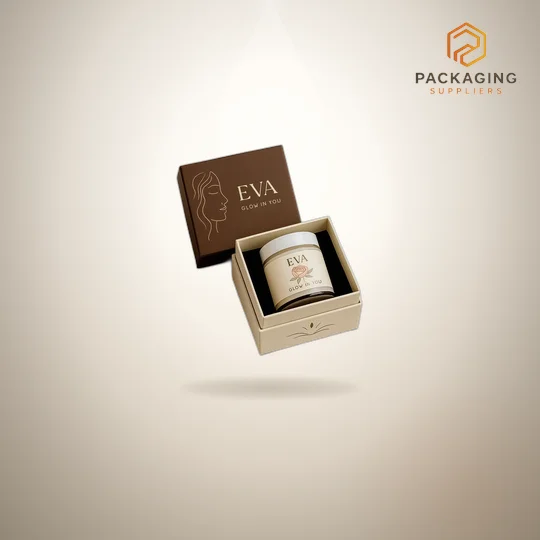
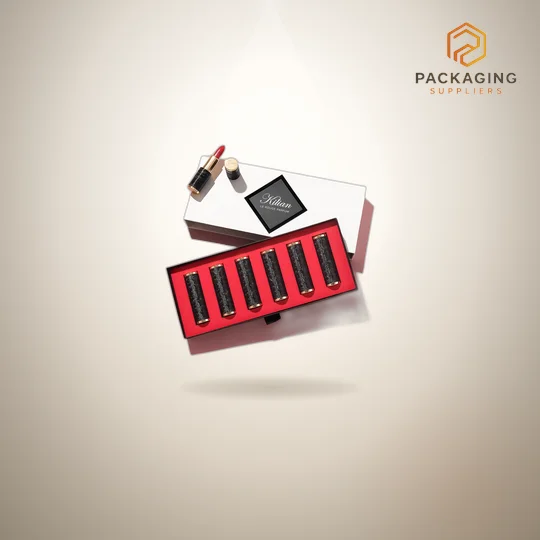
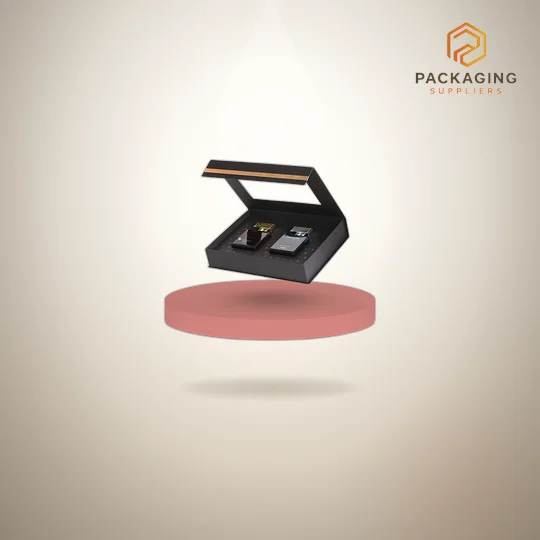
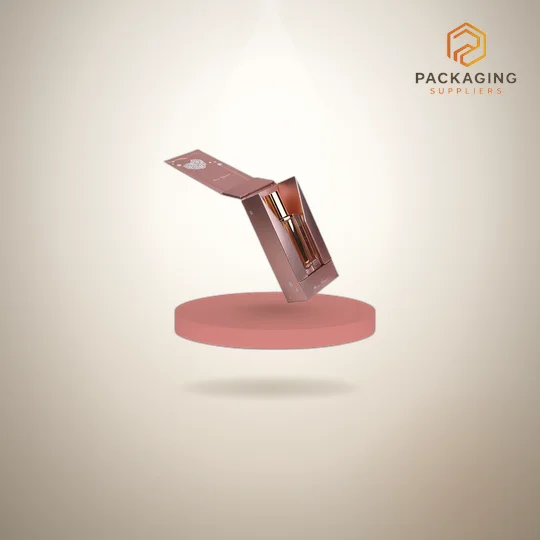
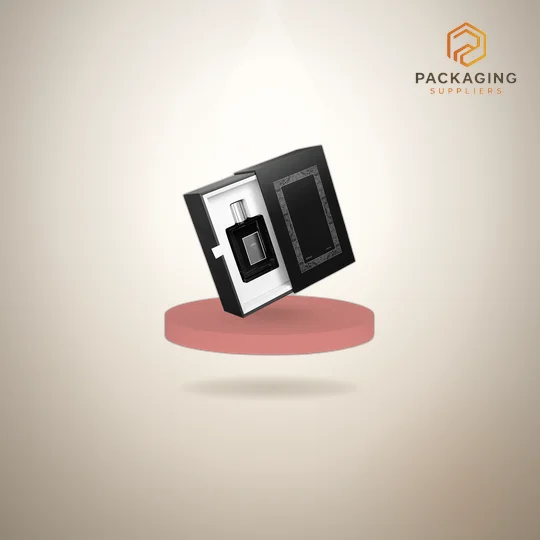
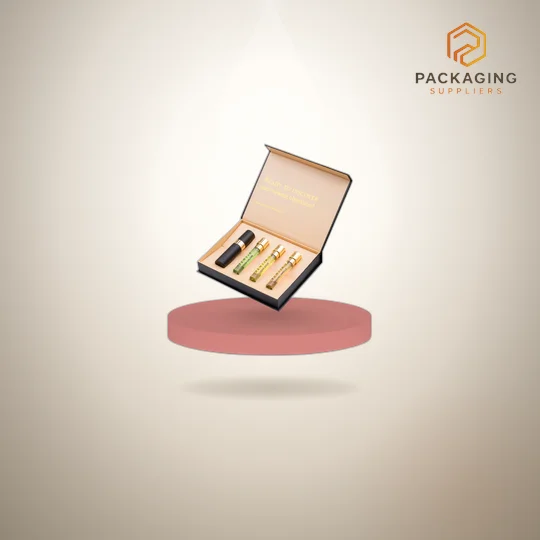
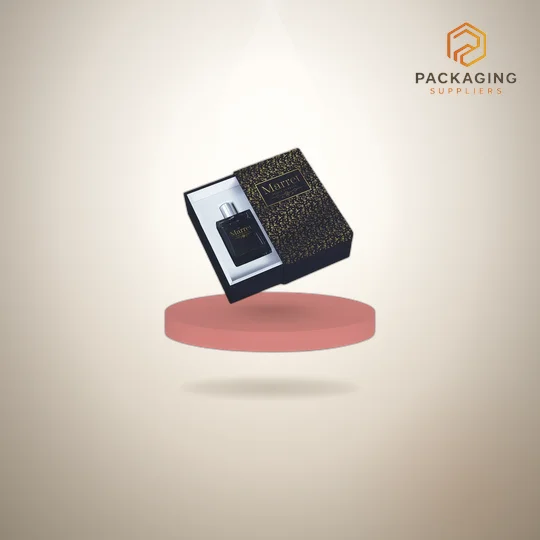
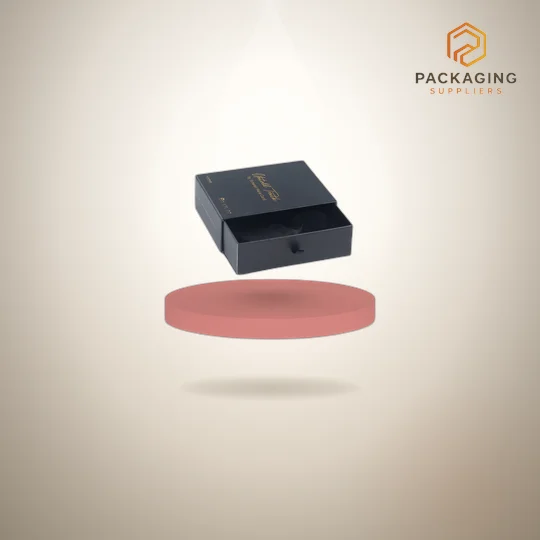
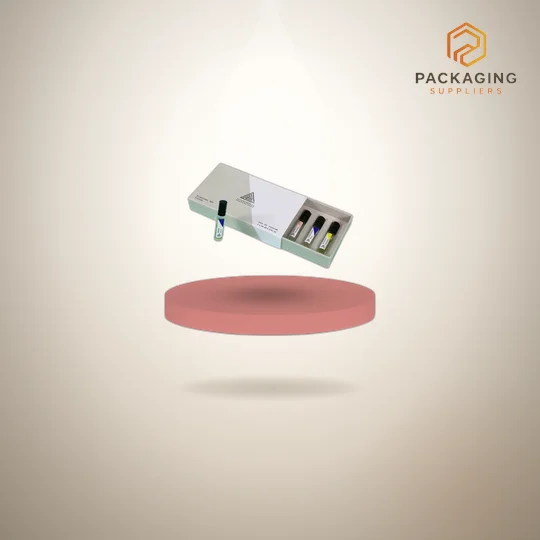
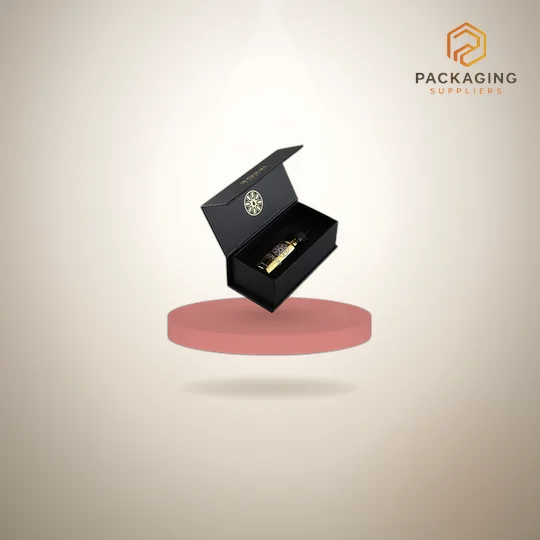
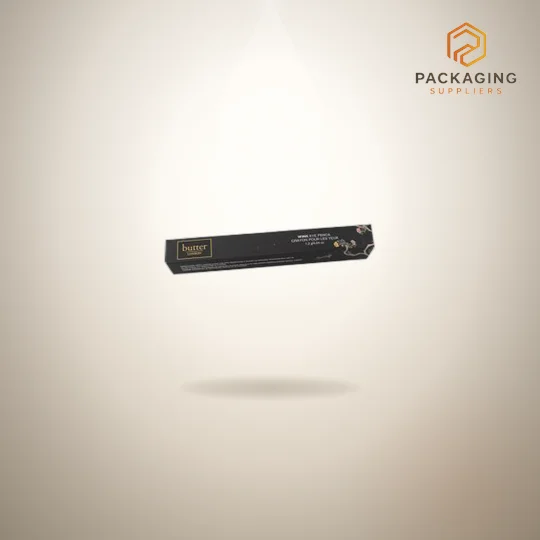
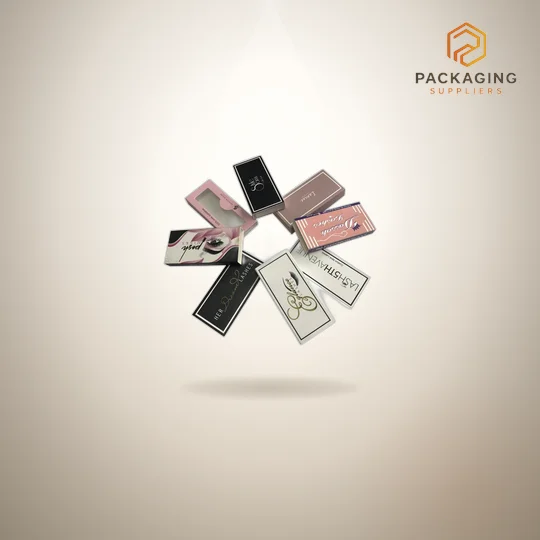
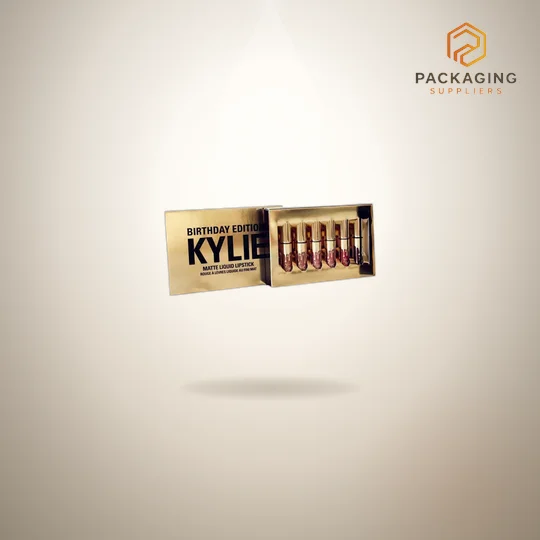
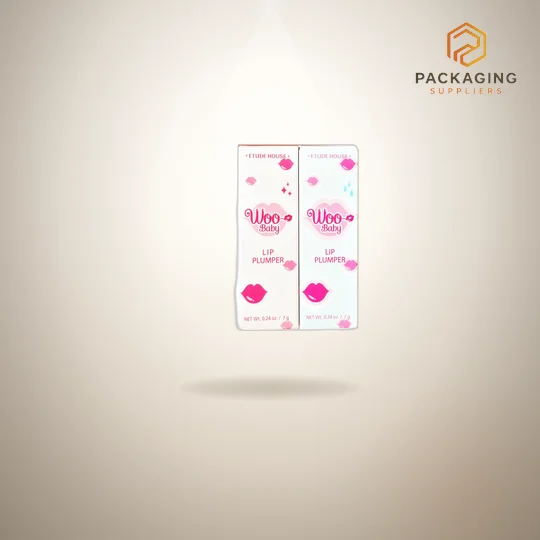
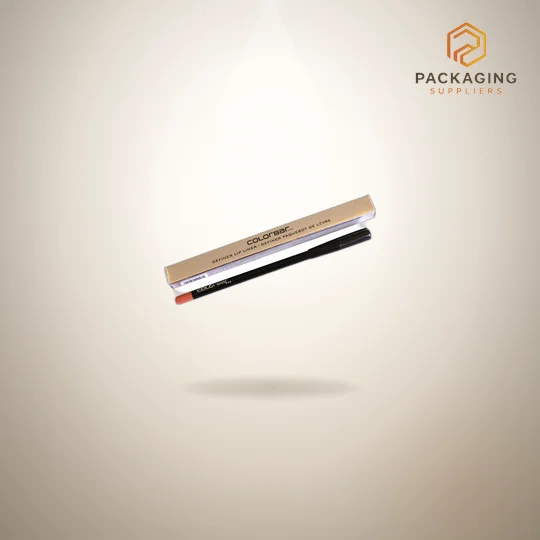
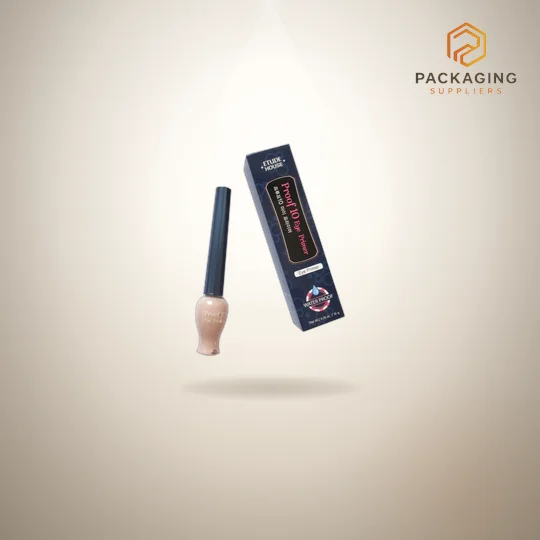
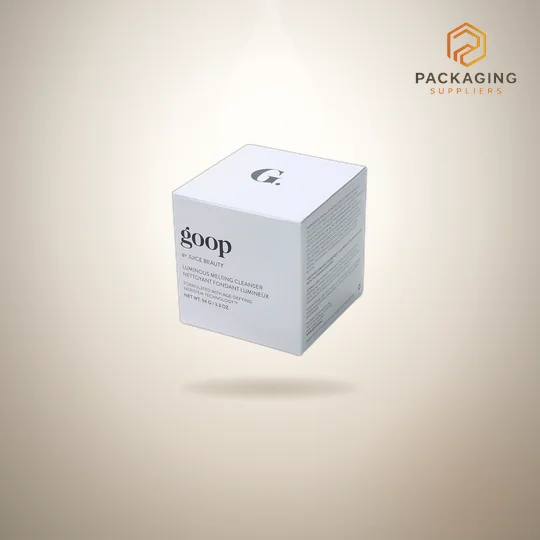
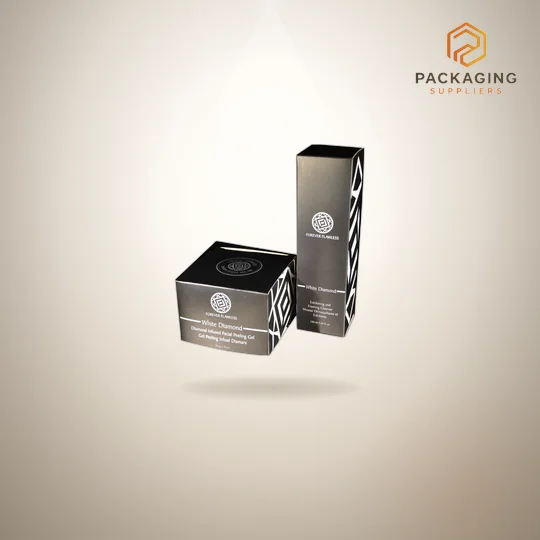
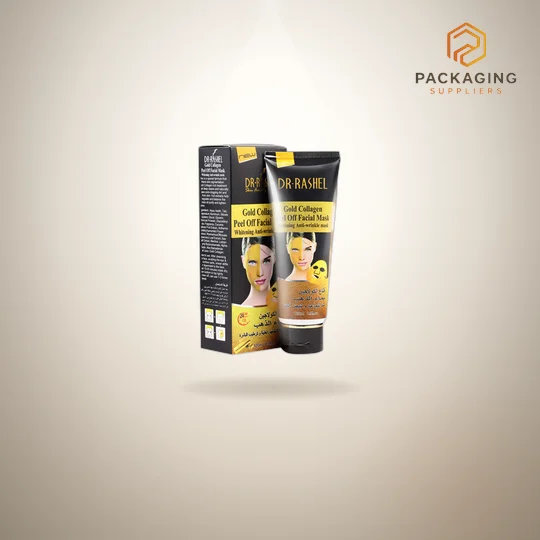
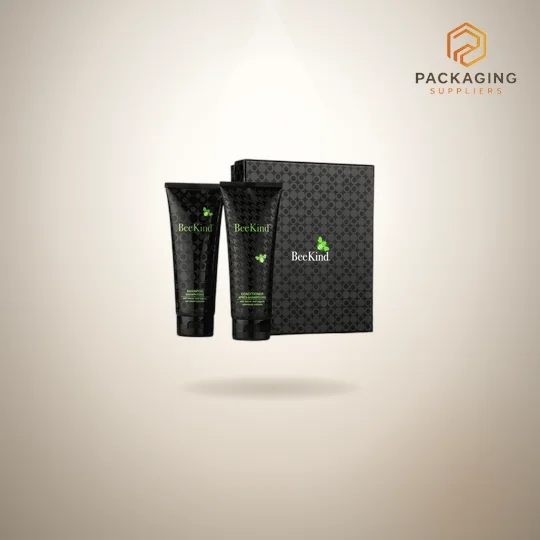
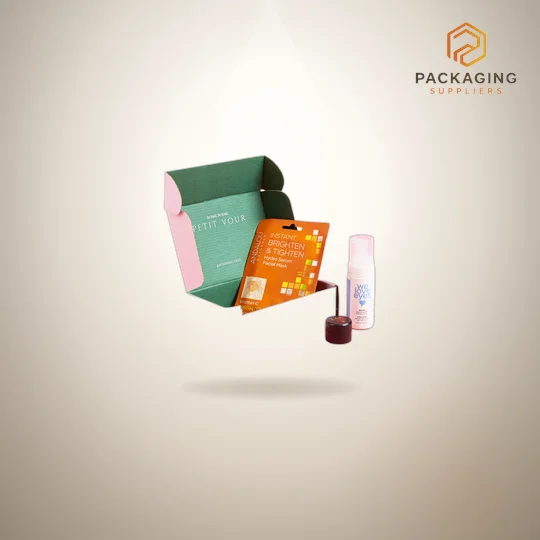
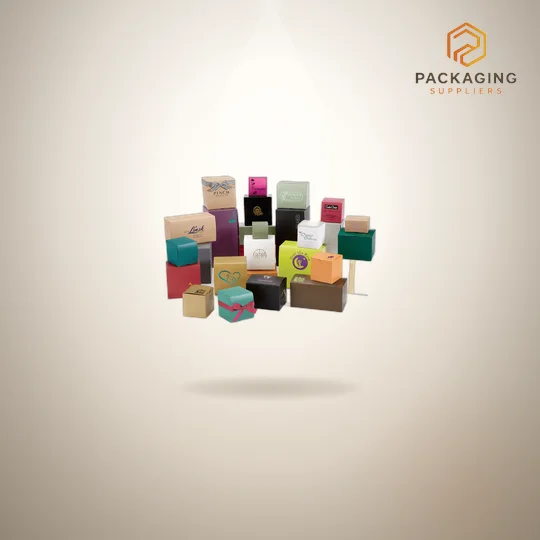
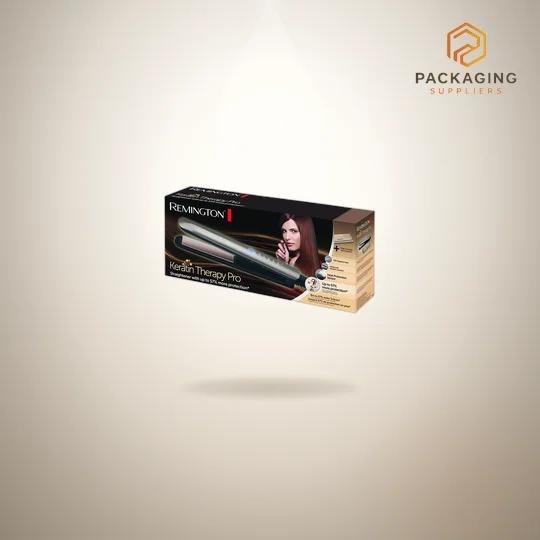
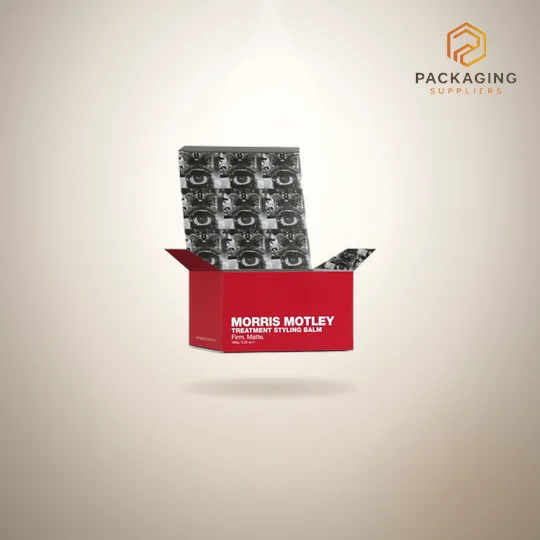
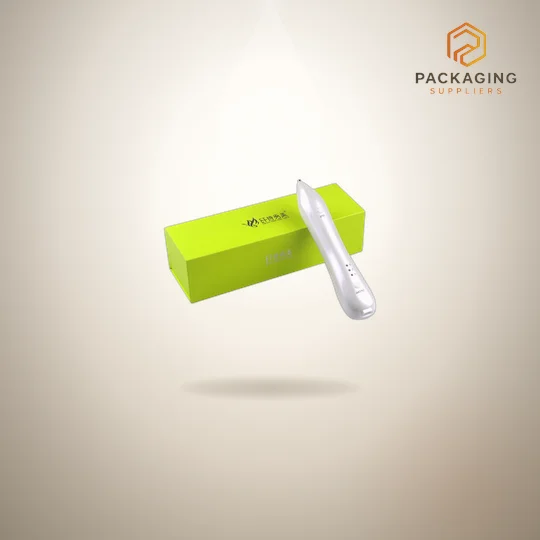
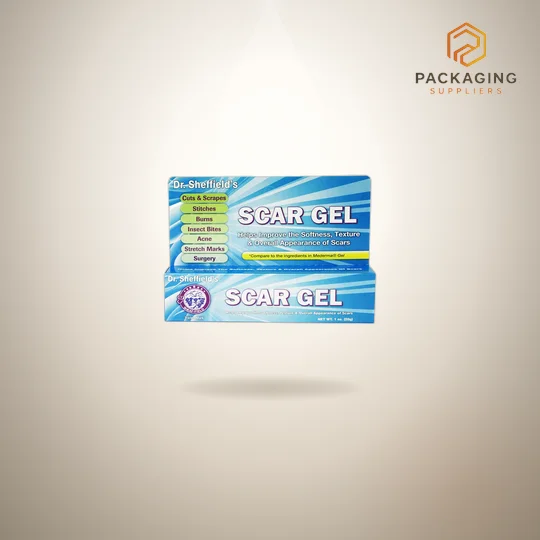
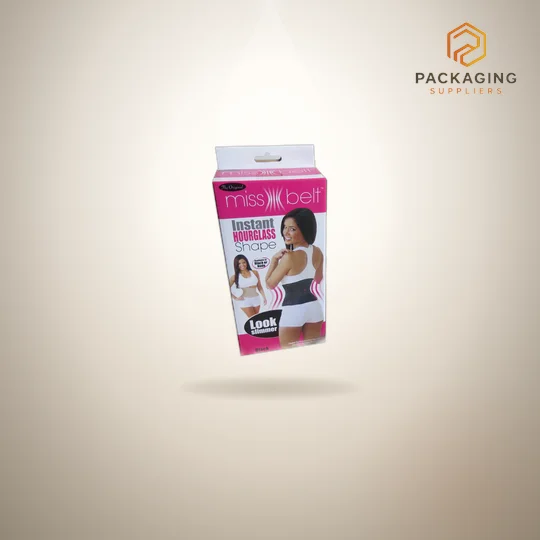
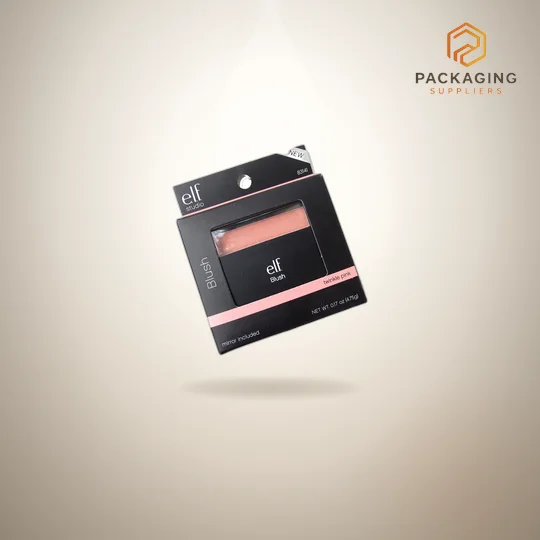
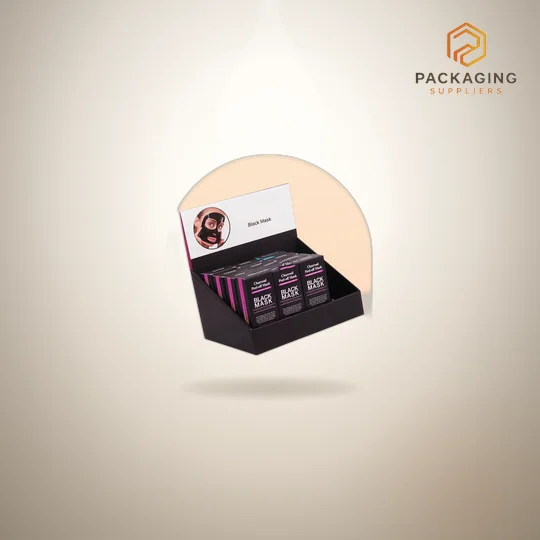
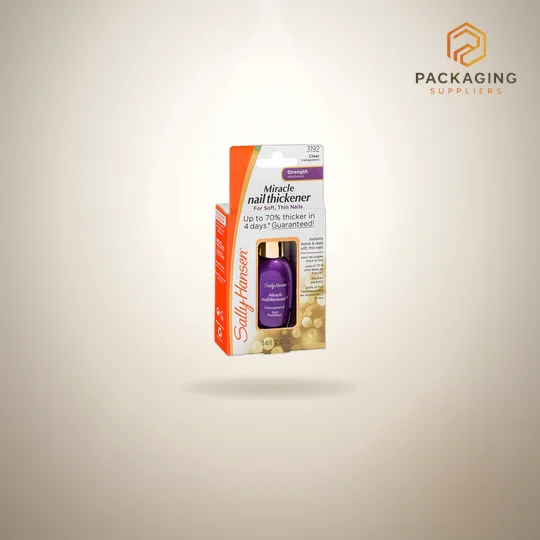
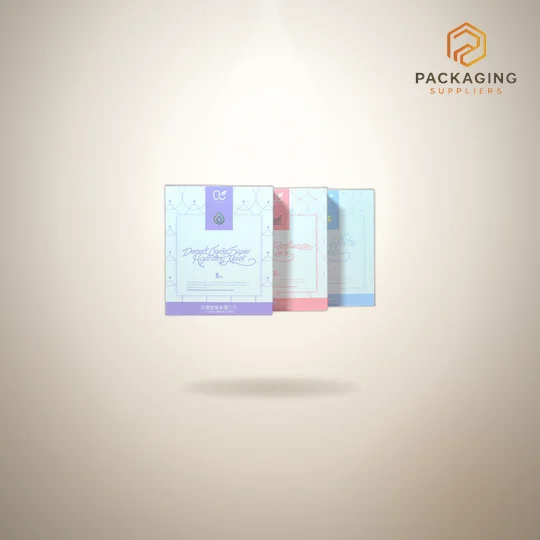
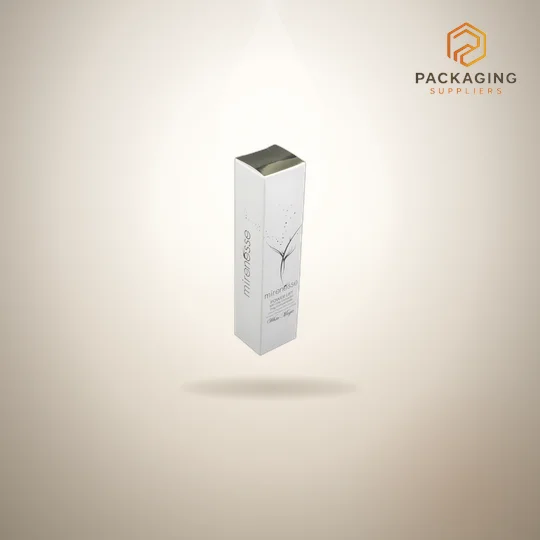
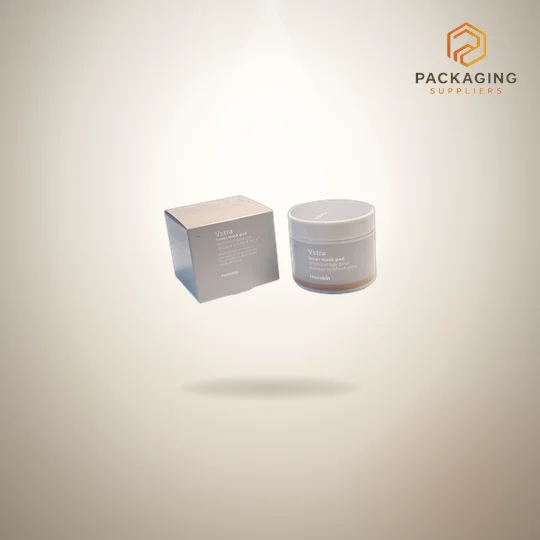
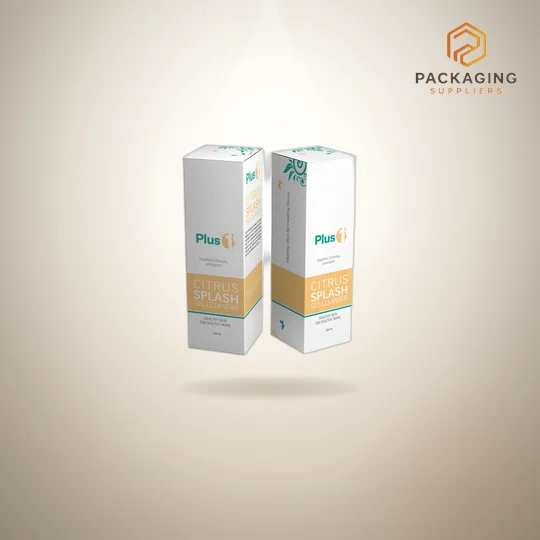
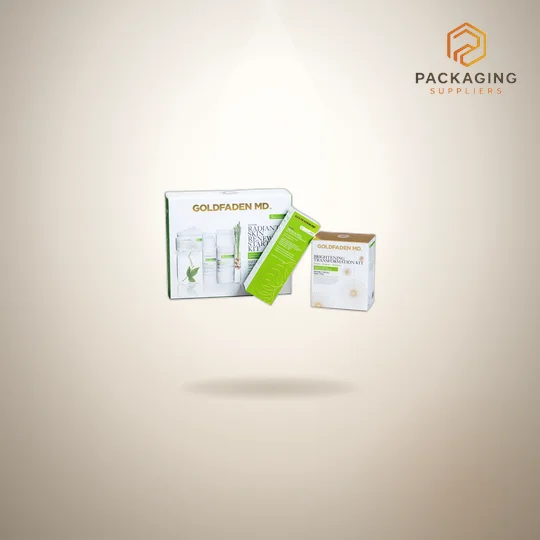
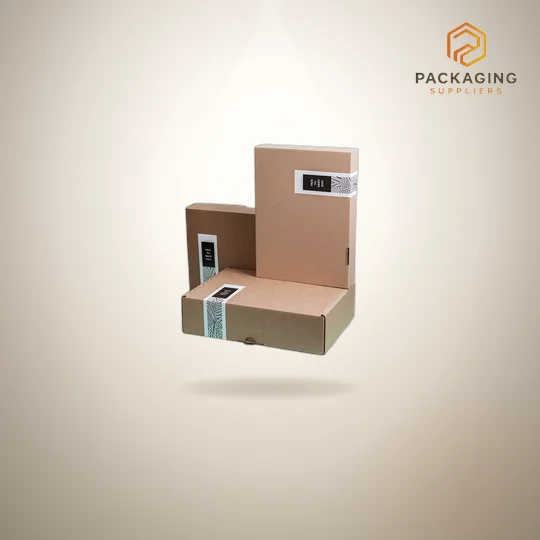
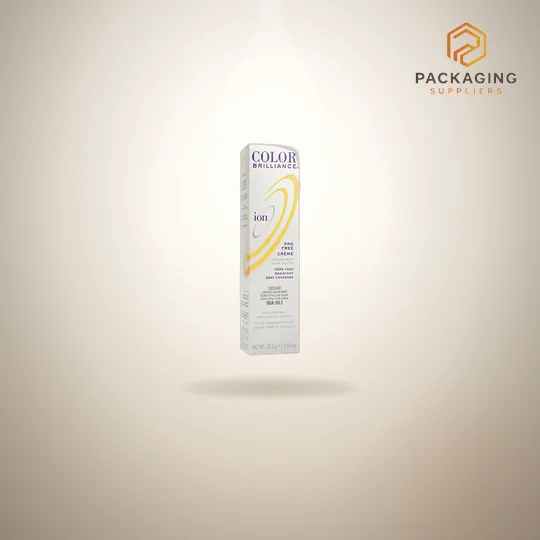
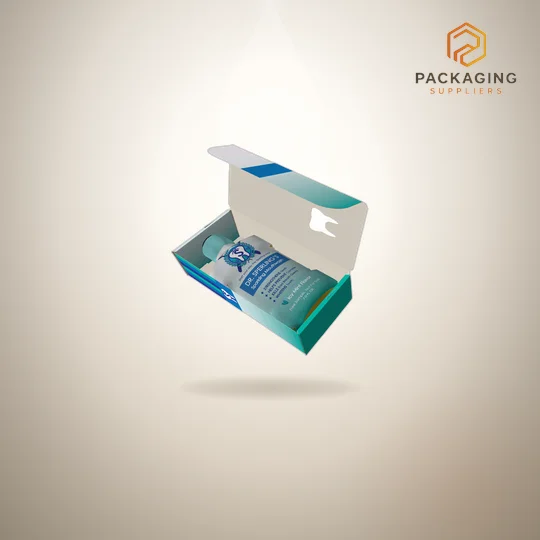
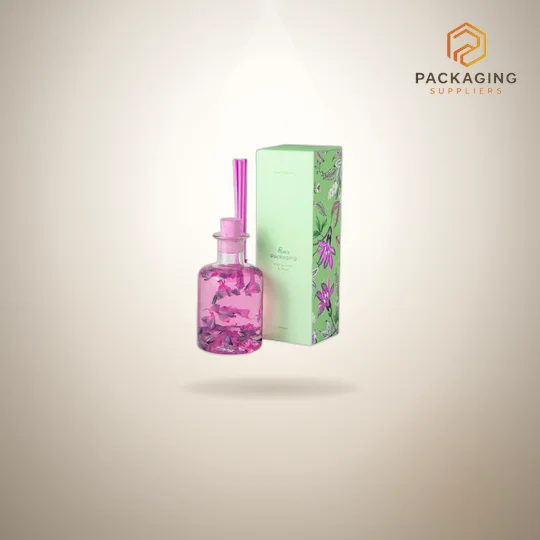
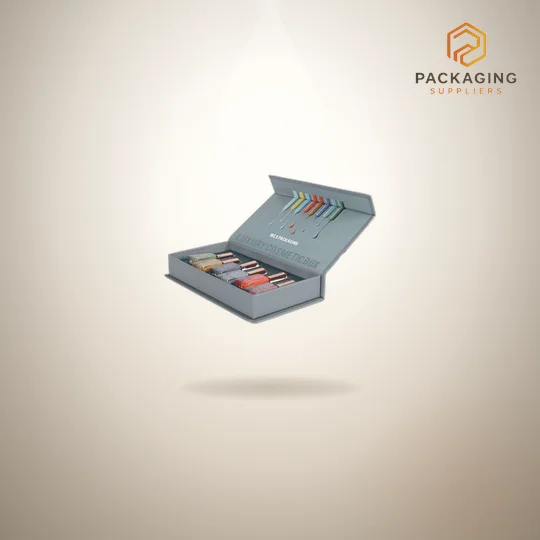
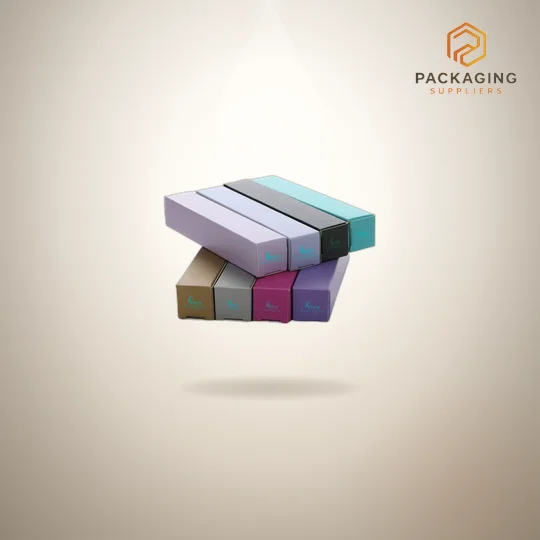
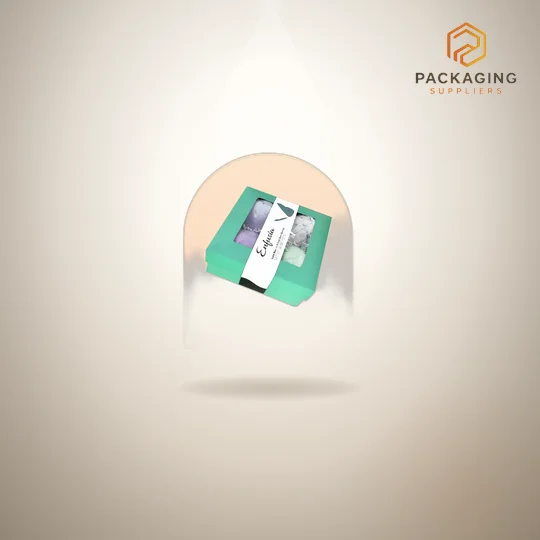
Whether you’re packaging lipstick, skincare, or a full gift set, your box should look as good as what’s inside it. We make custom cosmetic boxes in tuck-end, rigid, window, and sleeve styles, sized to fit your product and finished with foil, embossing, or spot UV. No minimum order, so you order exactly what you need.
Configure & Order
Browse Our Cosmetic Box Styles
From compact lipstick cartons to larger skincare and gift sets, each box style below can be customized in size, material, and finish. Use the form to request a quote or order a sample before committing to a full production run.
Get A Free Quote
Fill in your specs — our team responds within 24 hours.
🔒 SSL Secure · No spam, ever · Response within 24 hours

Folding Caron
Lightweight board for retail boxes and lighter products. Clean print surface, cost-effective at volume.

Corrugated
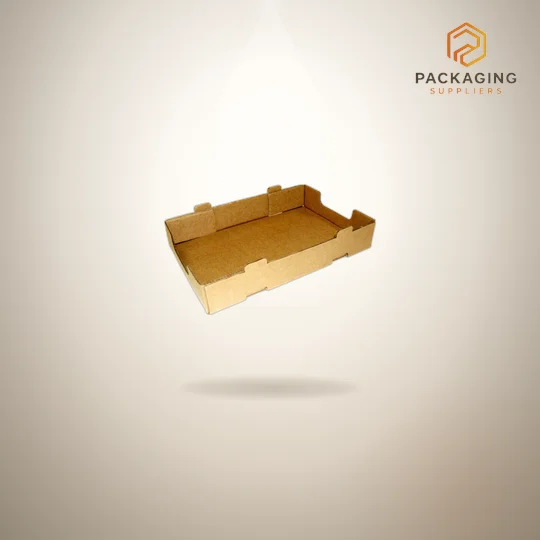
Fluted board with real crush protection in multiple flute grades. The workhorse for shipping and mailers.
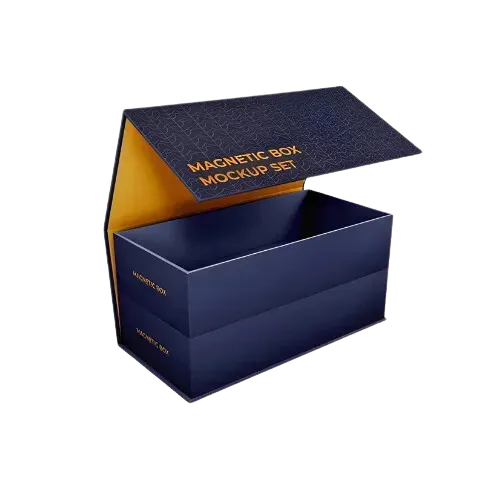
Rigid
Thick chipboard with a premium, weighty feel. Built for gift-tier and higher-priced products.
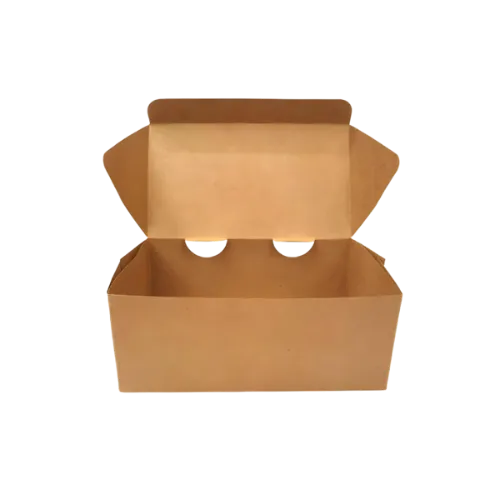
Kraft
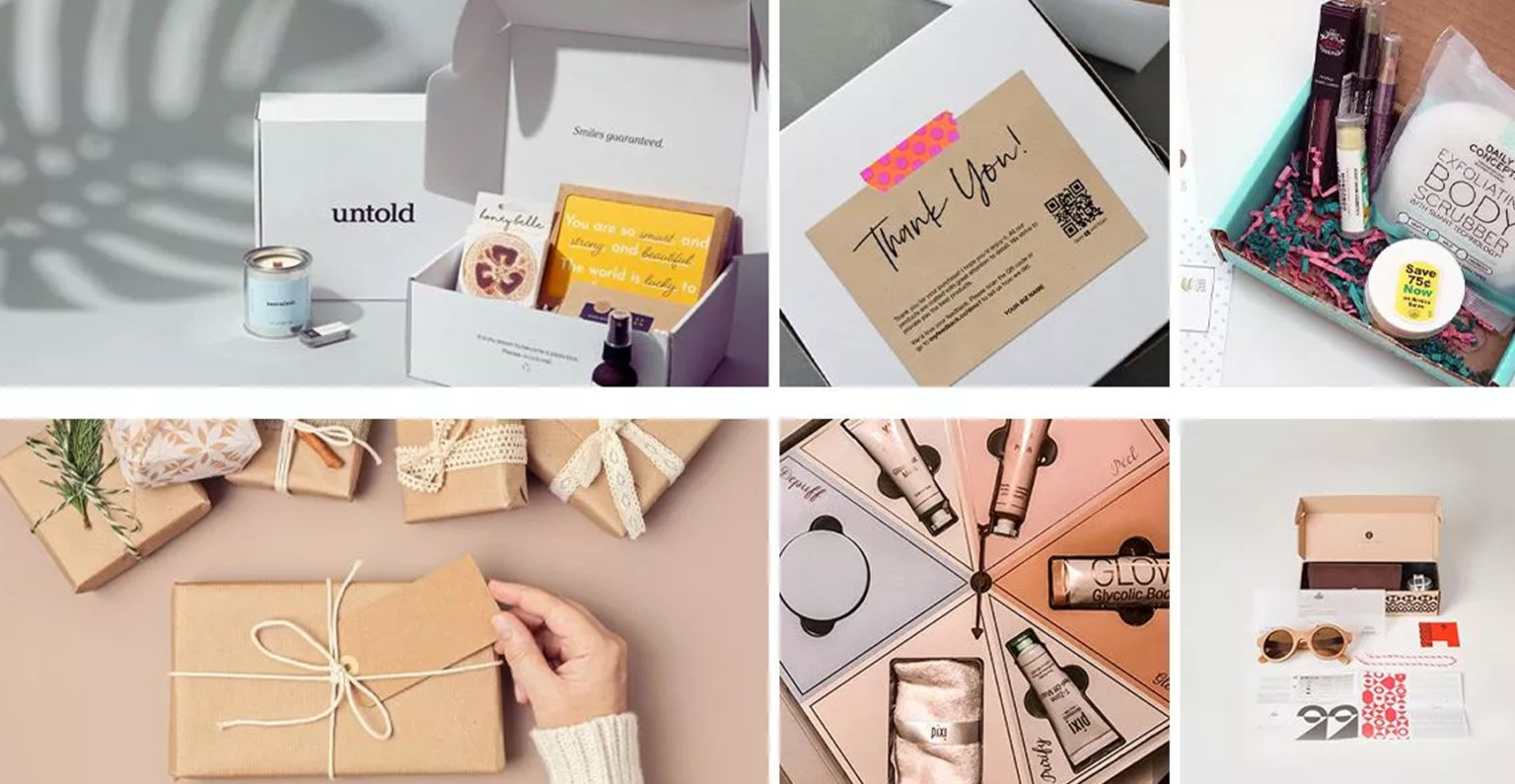
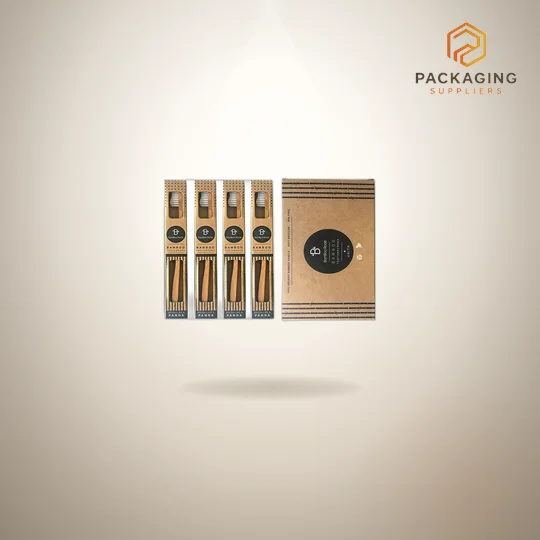
Recyclable, natural-brown board with a tactile, unbranded feel. The default for eco-first brands.
Material
Stock Type and Thickness
A box is only as good as the board it’s cut from. Here are the four stocks we run; pick by how your product ships and how you want it to feel.
Why Choose Us
Present your small business as a Brand
You don’t need an enterprise budget to look like an established brand. We handle the structure, the print, and the finish so your packaging earns its place on the shelf and in the unboxing.
Packaging strategies
We help you pick the box, stock, and finish that fit your product and your margins. Not the most expensive option; the right one
Idea to Production
Bring a rough concept, or a competitor's box you want to beat. We turn it into a manufacturable design with real specs.
In-House Design & Artwork
Our designers build your dieline and artwork in-house. No outsourced middle layer, no guesswork on print-readiness.
Prototypes & 3D Mockups
See your box as a 3D mockup, then order a physical prototype before you commit to a full run.
Worldwide Delivery
We manufacture direct and ship to 100+ countries, with quality checked before anything leaves the floor.
Free & Reliable Shipping
Free shipping on bulk orders, tracked to your door, on the turnaround we quote.
Cosmetic Packaging Guide
Custom Cosmetic Boxes for Skincare, Makeup & Beauty Brands
Beauty is one of the few categories where the packaging is genuinely part of the product. A customer decides whether a serum looks like a fifteen-dollar product or a fifty-dollar one before opening it — and for a new brand with no reputation yet, the box carries most of that judgment on its own.
Test a Launch at 25-50 Units
Launching a beauty product is already a gamble on whether the formula and the positioning land. Committing to a thousand boxes before you know the answer makes it a bigger one. Because there’s no minimum order here, a new indie brand can order 25 to 50 boxes, put the product in front of real customers, and scale the packaging order once there’s actual demand data behind the decision.
This matters more in beauty than most categories, because beauty brands iterate fast. Shade extensions, seasonal variants, and reformulations all change the artwork, sometimes the dimensions too. Ordering in small batches early means a revision costs a reprint rather than a write-off of stock you already paid for.
Choosing Cardstock Weight by Product Size
Cardstock weight is the decision that most affects whether a box feels cheap or considered in the hand, and it should follow the size and weight of the product rather than the brand’s price ambition. Too light and the box flexes when picked up, which reads as low quality however good the printing is. Heavier than needed just adds cost and shipping weight for no perceptible gain.
14pt for Samples, 18pt for Creams and Lipstick
14pt cardstock is the lighter standard option and suits small, light items — sachets, sample sizes, travel products, lip balms. It holds a clean printed surface and keeps material and shipping cost down where the product doesn’t demand more.
Cardstock and Material Comparison
| Material | Typical Use | Feel | Relative Cost |
|---|---|---|---|
| 14pt cardstock | Samples, sachets, lip balm, travel sizes | Light, clean print surface | Lowest |
| 18pt cardstock | Creams, lipstick, serums, compacts | Rigid, holds shape on shelf | Low-moderate |
| SBS board | Any of the above where print quality is critical | Bright white, smooth | Moderate |
| Kraft | Clean-beauty and organic positioning | Natural, visibly recycled | Low-moderate |
| Corrugated | Heavier sets, shipped multi-item orders | Sturdy, protective | Moderate |
| Rigid chipboard | Gift sets, prestige lines | Substantial, premium | Highest |
Material and Aesthetic Options
Beyond weight, the material carries a message before any printing is applied. SBS board gives a bright white, smooth surface — the right choice when color accuracy and fine detail matter, like gradients, product photography, or small type. Kraft reads as natural and visibly recycled, which is why it’s the default for clean-beauty lines; the trade-off is that its brown base shifts every printed color, so artwork needs designing for kraft rather than adapted to it.
Corrugated is worth considering for multi-item sets and anything shipping directly to customers rather than sitting on a retail shelf, where crush resistance matters more than a flawless print surface. Rigid chipboard wrapped in printed paper is the premium tier, and it earns its cost specifically where the box is part of what the customer feels they bought.
Leaving Room for Required Label Information
This is the part most often designed last and it causes the most reprints. In the US, cosmetic labeling rules apply to the outer container — which is the box, not just the jar or tube inside it. That means the box carries real obligations, and the artwork has to be laid out around them rather than having them squeezed in afterwards.
What Has to Appear, and How Small It Can Be
The principal display panel — the face a customer sees on the shelf — needs the product name, an indication of what the product is or does, and an accurate net quantity by weight, volume, or count. The information panel, usually a side or back face, carries the ingredient declaration and the responsible party’s name and address.
Ingredients must be listed by their INCI names in descending order of weight, with some flexibility below 1%. This trips up new brands constantly: the label has to say Tocopherol rather than Vitamin E, and Ascorbic Acid rather than Vitamin C. The type size floor is generally 1/16 inch (about 1.6 mm) for standard packages, with a smaller allowance around 1/32 inch for very small ones — and the text still has to be legible and in clear contrast against its background at either size. Fine type at that scale needs high-resolution printing to stay readable, which is a print-quality question as much as a layout one.
One genuinely useful design option: because the ingredient list only has to appear on the outer packaging, a brand short on space on a small jar or tube can carry the full INCI list on the box instead, and place a hand-in-book symbol on the primary container pointing the customer to it. That frees up the jar for clean branding without losing compliance — and it’s an argument for designing the box and the primary container together rather than in sequence.
Where space on the primary container is tight, that declaration can sit on a Labels & Stickers label produced alongside the carton. A Period After Opening symbol — the open-jar icon with a figure like 12M — isn’t required in the US but is expected in the EU and widely used by US brands anyway as a trust signal. If you’re exporting, build space for it from the start. None of the above is legal advice; confirm your requirements for the markets you sell into before finalizing artwork, and we’ll build the dieline around them.
Finishing Options: Foil, Emboss, Spot UV, Lamination
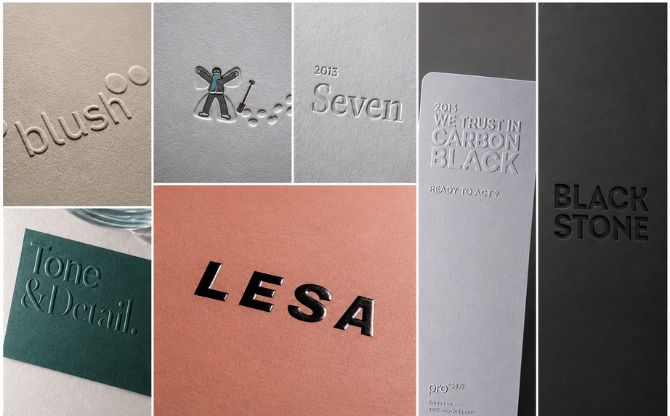
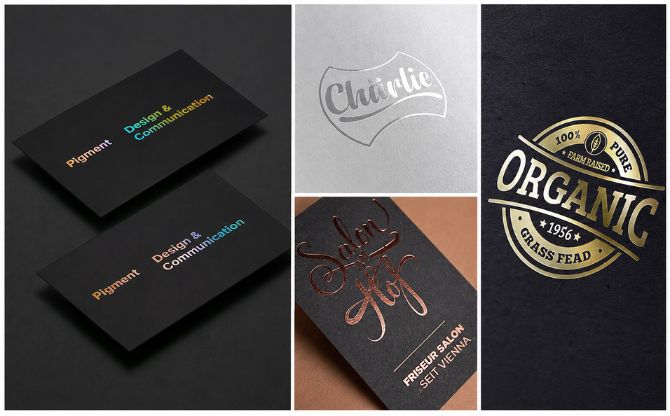
Finishing is where a modest cardstock box starts feeling like a premium one, and the effect is disproportionate to the cost. Soft-touch lamination gives a velvety, fingerprint-resistant surface and is the most reliable way to make a box feel more expensive than it is — worth noting for beauty specifically, since these boxes get handled repeatedly on a shelf before purchase. Matte lamination reads as understated and modern; gloss makes photography and saturated color pop.
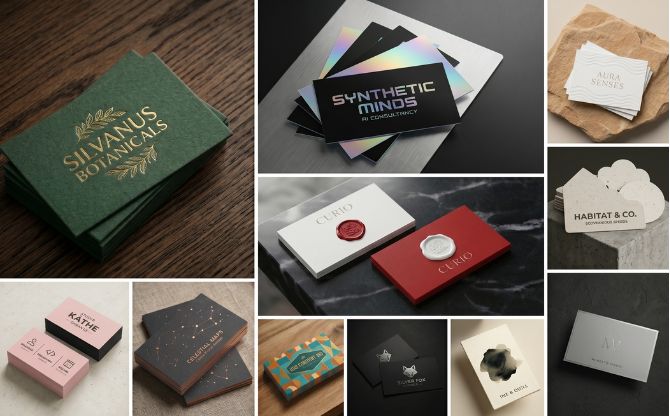
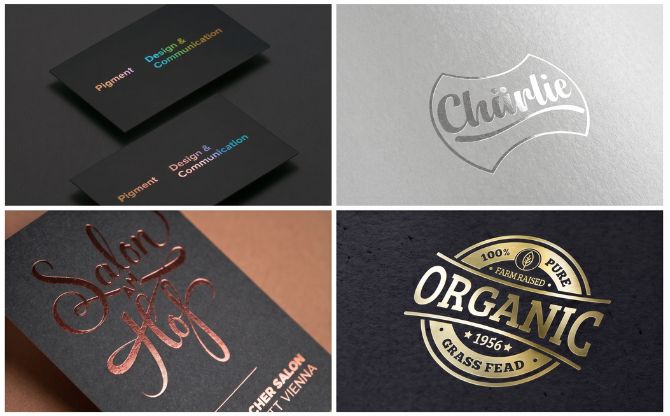
Foil stamping in gold, silver, or colored foil adds a metallic accent no printed ink can replicate, and works best used sparingly — a logo, a rule, a product name — rather than across a panel. Embossing and debossing add a texture a customer feels before consciously noticing it, with no extra color needed. Spot UV creates a glossy area against a matte base, a subtle way to draw the eye without changing the palette.
Foil and spot UV both work over matte and gloss laminations, though the contrast reads differently depending on the base — worth seeing a sample rather than choosing from a description.
Design Tips: Matching Color and Finish to Product Function
Color can reinforce what a product does, not just how the brand looks, and the association is doing work before the customer reads a single word. Warmer tones — amber, terracotta, deep red — suit seasonal, festive, and richer treatment products. Cooler blues and greens work for anything positioned around refreshing or calming the skin: moisturizers, sunblock, gels, after-sun and soothing products. The color is signaling the sensation before the label explains it.
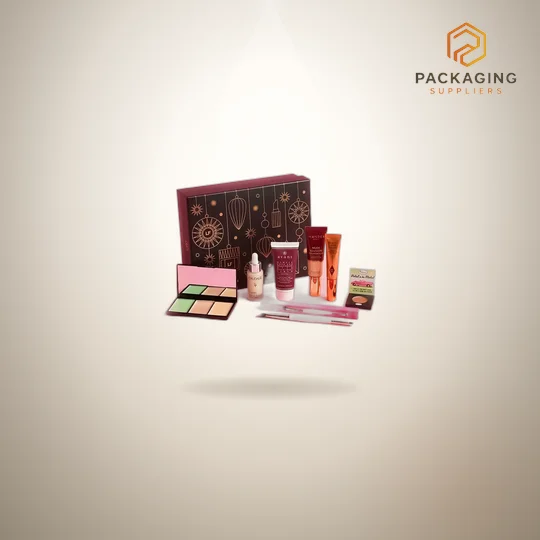
Finish can carry the same logic. Soft-touch matte suits products promising calm and comfort; high gloss suits color cosmetics and anything meant to read as bold. Where a brand runs several lines, one consistent structure and material with a different colorway per line keeps the range recognisable as a family while letting each product signal what it is.
Not sure which spec fits your product? Talk to our packaging team and Packaging Suppliers will help you choose board, size, and finish.
Foil Stamping
Add a metallic or holographic sheen to your logo or key elements. Foil catches the light and signals premium the second a customer picks up the box.
- Gold, silver, rose gold, holographic, and more
- Works on every box style and material
- Pairs cleanly with matte lamination
- No extra setup fee on standard foils
Emboss/Deboss
Press your logo or pattern into the stock for a raised or recessed texture customers feel before they read it. No ink; the impression does the work.
- Single-level or multi-level dies
- Works on Kraft, SBS, and rigid stock
- Pairs with foil for a tactile, premium hit
- Best on uncoated and matte surfaces
Lamination
A protective film over the printed surface that locks in the finish and guards against scuffs, moisture, and handling.
- Matte for a soft, muted look
- Gloss for high shine and color pop
- Soft-touch for a velvet feel
- Extends durability on shipping and retail boxes
Spot UV
A high-gloss coating on select areas: logo, title, pattern; for sharp contrast against a matte background.
- Gloss-on-matte contrast
- Highlights logos and key artwork
- Pairs with soft-touch lamination
- Registered precisely to your dieline
Custom Inserts
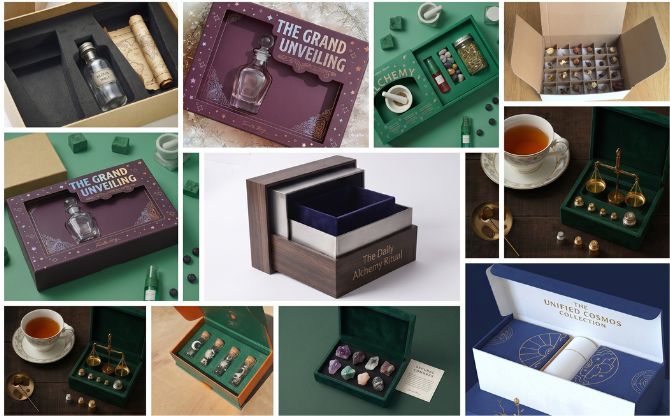
Fitted inserts that hold product in place, cut movement in transit, and control the reveal on opening.
- Foam, corrugated, or paperboard
- Cut to your exact product dimensions
- Protects fragile and multi-piece items
- Builds a deliberate unboxing sequence
Custom Styles
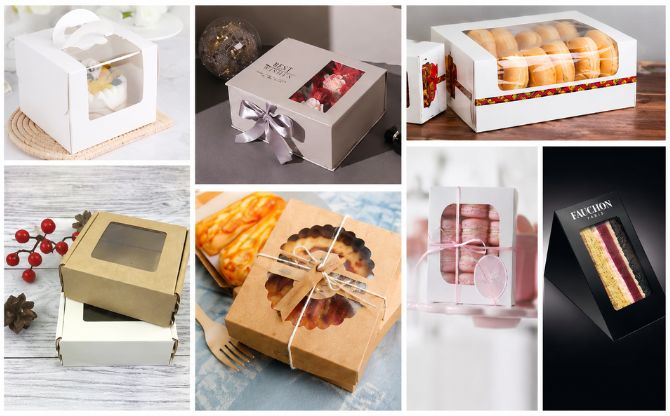
A cut-out with clear film so customers see the product without opening the box, built for retail shelves.
- PET or PVC film options
- Any shape, sized to your dielines
- Ideal for food, cosmetics, and gifts
- Balances protection with visibility
Unlimited Customizations
Every Detail, Your Way
Endless finishing options so your product packaging looks exactly how you imagined it — and then some.
Packaging Made Easy.
Four steps, no back-and-forth. Send your spec or a rough idea. We build the dieline and a 3D mockup for your approval, print and produce with a color check before the run, and ship to your door. You get one dedicated contact the whole way, someone accountable, not a ticket queue.
Customer Stories
Brands That Trust P&S
From boutique fashion labels to fast-growing DTC brands; here’s what our customers are saying.
“The magnetic closure boxes for our accessory line look absolutely stunning. The foil stamping on our logo is better than anything I’ve seen at twice the price.”
Michael Schmidt.
Founder, Bloom Apparel Co.
“We switched to P&S for our clothing boxes and the difference was immediate. Our customers now post unboxing videos without asking, says everything.”
Owner, STD Leather Co.
“As a shoe brand, I was nervous about minimums and quality. P&S had no MOQ and the shoe boxes arrived within time, perfect quality, every single time.”
CEO, Strider Footwear.
Common Questions
Frequently Asked Questions
Everything you need to know about ordering custom packaging.
What are the different types of cosmetic boxes available?
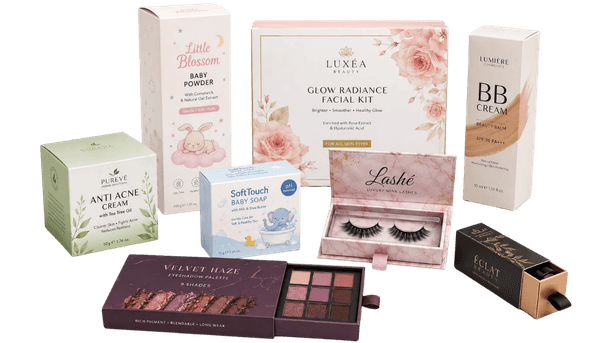
We produce tuck-end, rigid, window, and sleeve boxes for lipsticks, palettes, skincare jars, perfume bottles, and gift sets, each available in custom sizes and finishes to match your product line.
What materials are cosmetic boxes made from?
Cosmetic boxes are made from kraft, cardstock, rigid chipboard, and SBS board, chosen for the level of protection and finish your product needs.
Can I get a custom size for my cosmetic box?
Yes. Boxes are made to your exact product dimensions rather than fitted from stock sizes, so lipstick tubes, compact palettes, and skincare bottles get a fitted, no-tape presentation.
What printing and finishing options are available for cosmetic boxes?
Choose from digital, offset, or screen printing, plus finishes such as matte or gloss lamination, soft-touch coating, spot UV, foil stamping, and embossing to match your packaging style.
Is there a minimum order quantity for cosmetic boxes?
No. Cosmetic boxes can be ordered without a minimum quantity, which works well for new product launches, small-batch cosmetic lines, or testing a new design before a larger run.
Can I get a sample before placing a bulk order?
Yes. Order a sample or a sample kit to check the stock, print, and fit around your garment before committing to a full run.
What file formats do you accept for artwork?
Print-ready vector files work best: AI, PDF, or EPS with outlined fonts. High-res PSD works too. Not sure? Send what you have and our design team preps it.
How long does production and delivery take?
4–8 business days from proof approval, plus shipping. Rush options are available for tight launch or campaign dates.