Free Shipping | Competitive Pricing | Quick Turnaround Times

Custom Packaging Boxes Wholesale

Custom Kraft Boxes for Eco-Friendly Packaging

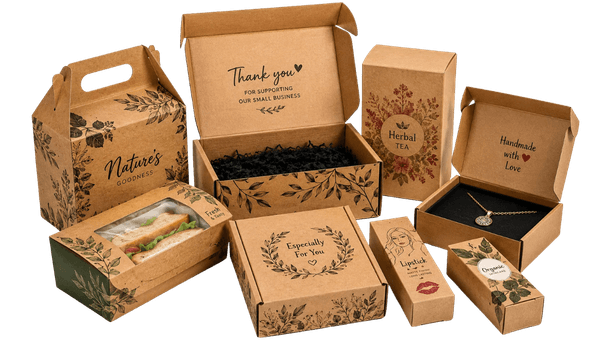
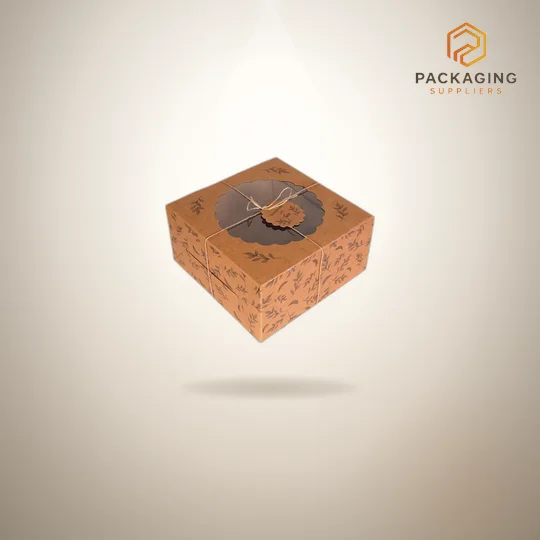
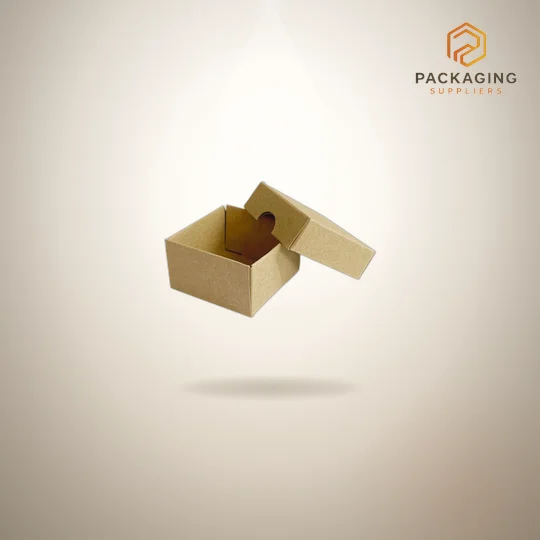
Kraft boxes are packaging made from natural, unbleached paperboard, valued for their recyclable, FSC-certified material and natural brown finish. Order them custom printed with your logo and branding, built in any size, and used across retail, shipping, food, and gift packaging. Their uncoated surface also works well for a minimal, rustic look without heavy printing.

custom kraft boxes
500+
Brands Served
48h
Proof Turnaround
100%
Eco-Friendly Materials
No MOQ
Any Order Size

Configure & Order

Kraft Boxes for Retail, Shipping & Gifting

These kraft boxes are in various styles and sizes, suited to retail products, e-commerce shipments, food packaging, and gift boxes. Each box can be printed using digital, offset, or screen printing and finished with foil stamping, embossing, or spot UV for accents that stand out against the natural kraft surface.

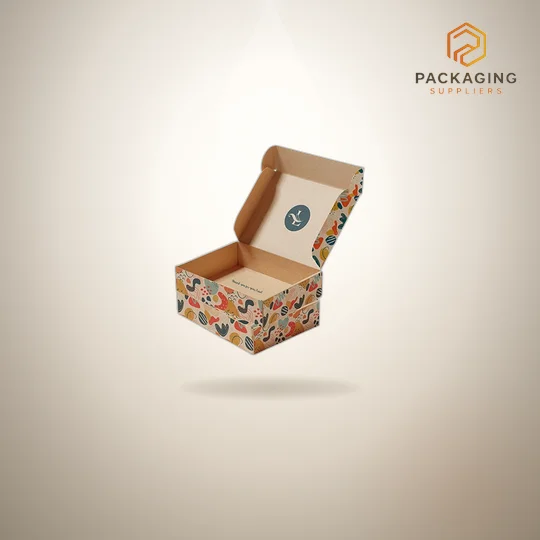
Kraft Mailer Boxes

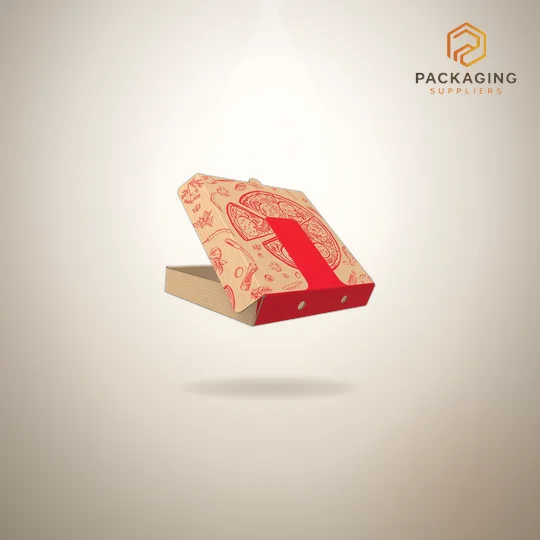
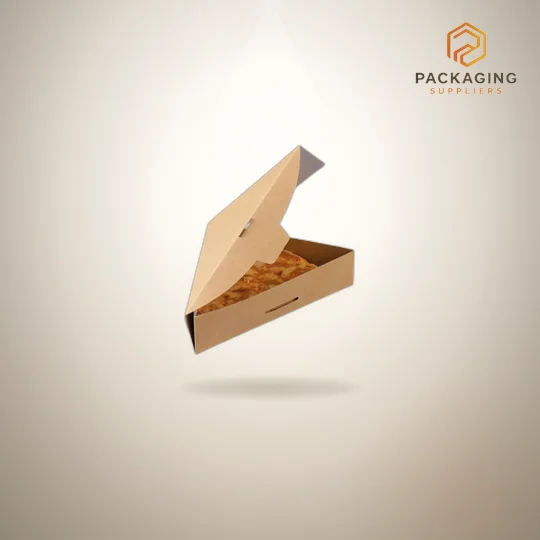
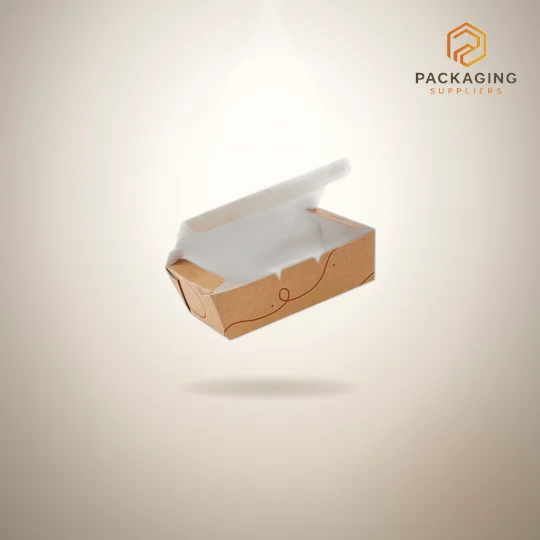
Kraft Pizza Boxes

Kraft Jewelry Boxes

Kraft Burger Boxes

Kraft Donut Boxes

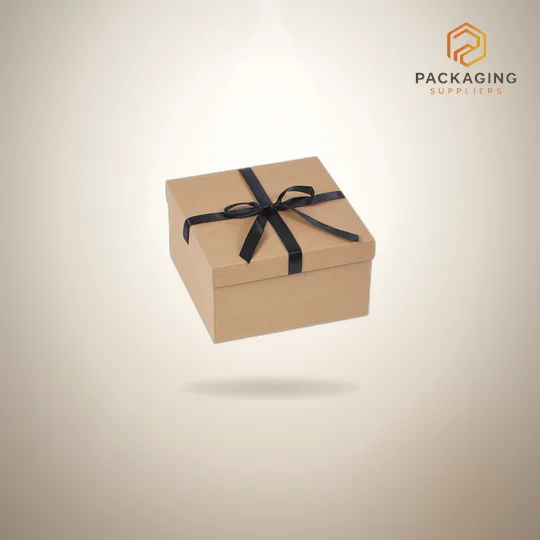
Kraft Gift Boxes

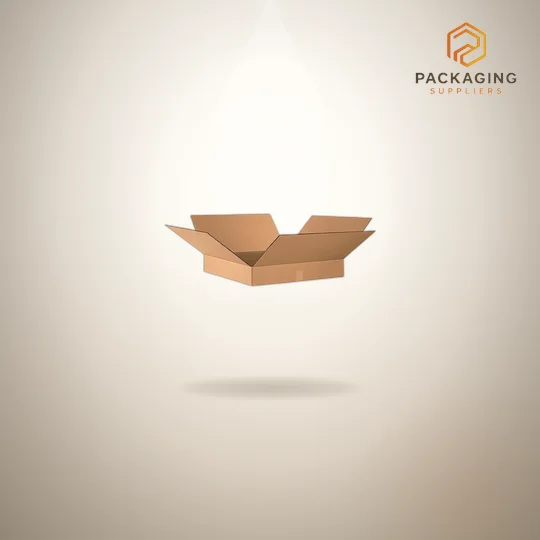
Kraft Corrugated Boxes

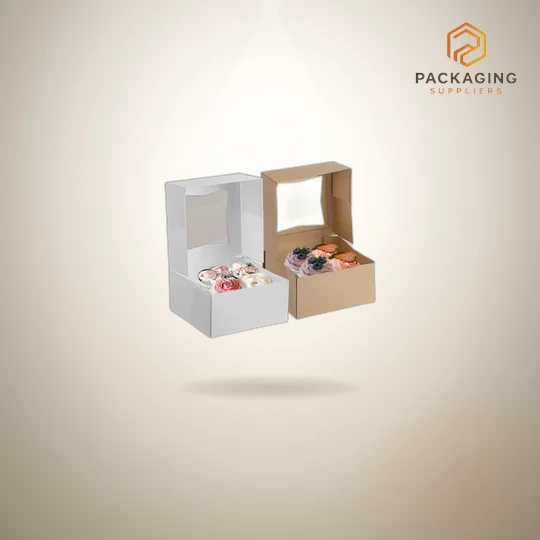
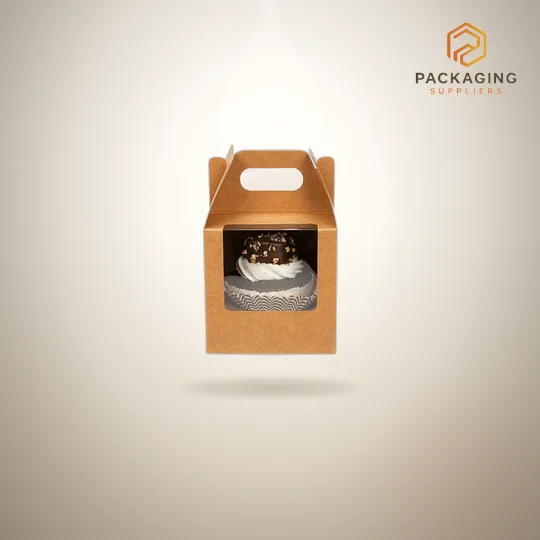
Kraft Cupcake Boxes

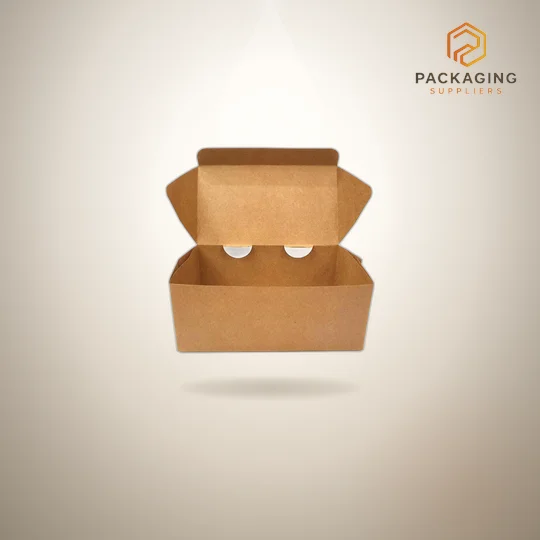
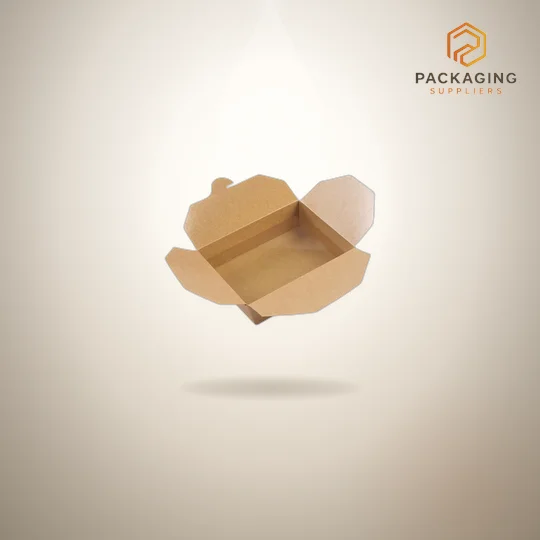
Kraft Brown Take Out Boxes

kraft Cake Boxes

Kraft Boxes with Lids

Tin tie kraft bags

Kraft Bakery Boxes

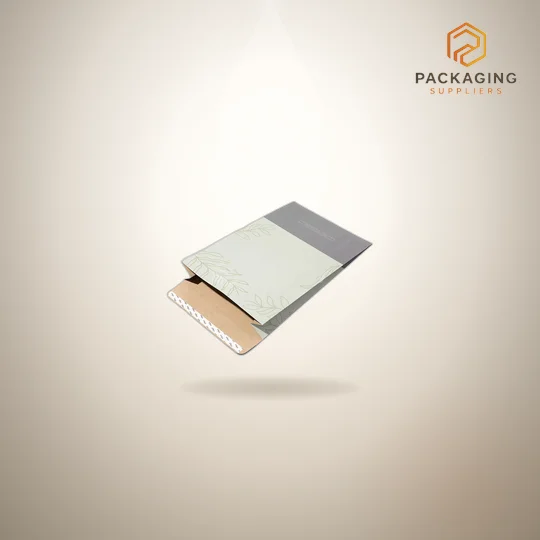
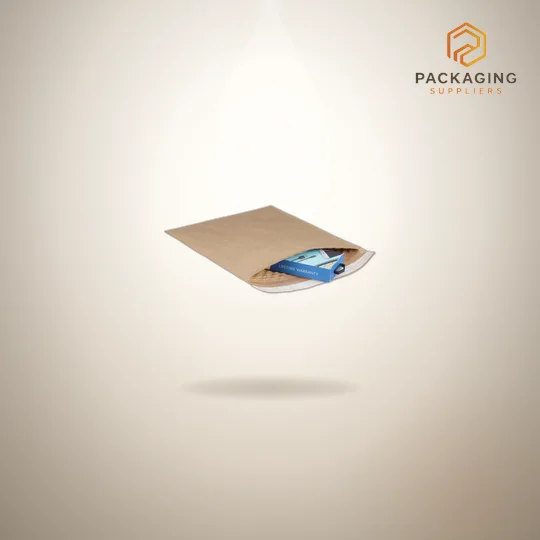
Kraft Mailer Envelopes

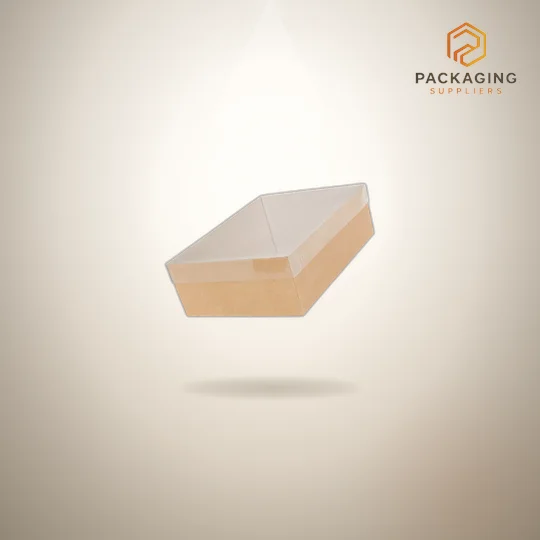
Clear Lid Boxes With Kraft Base

Brown Kraft Boxes

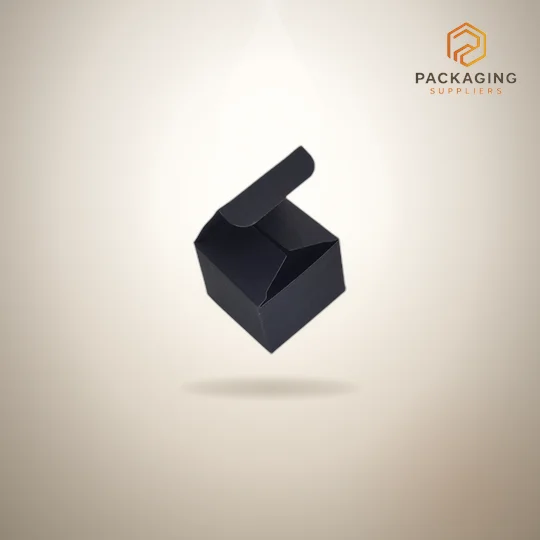
Black Kraft Boxes

Kraft Mylar Bags

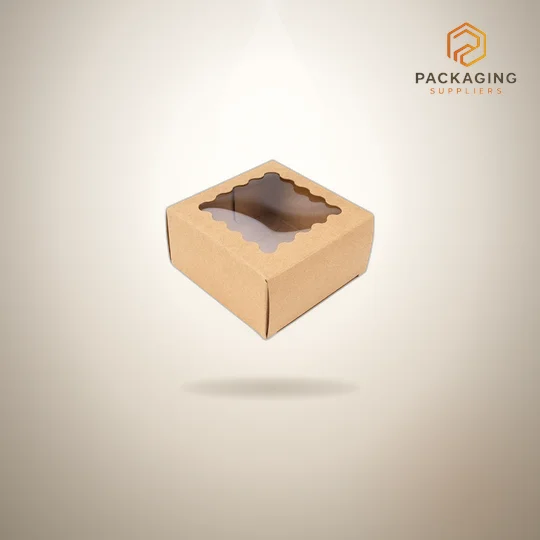
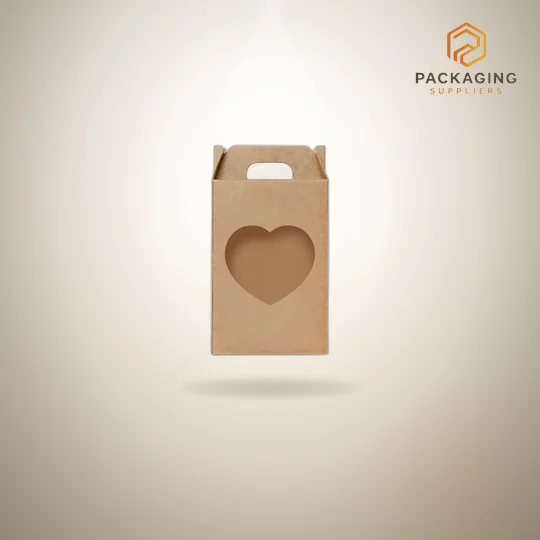
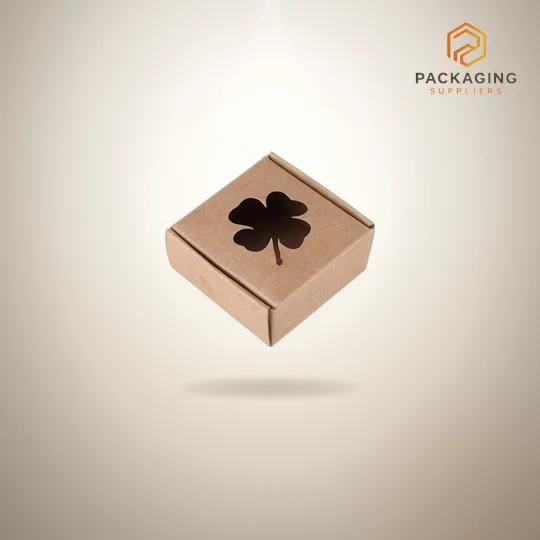
Kraft Window Boxes

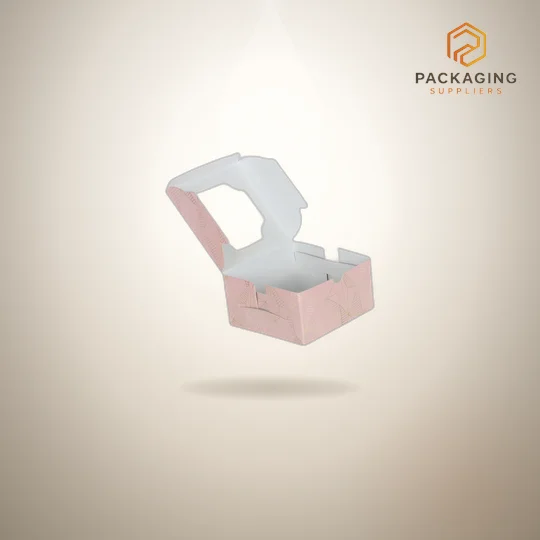
Pink Kraft Boxes

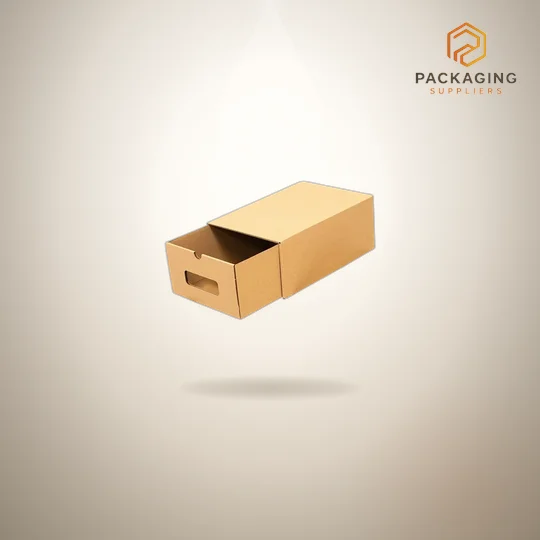
Kraft Shoe Boxes

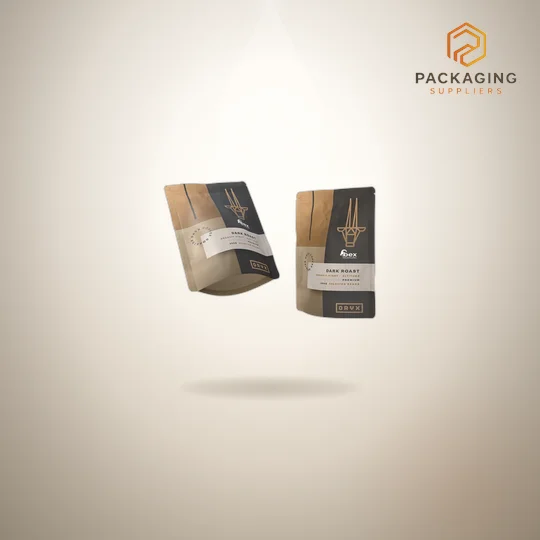
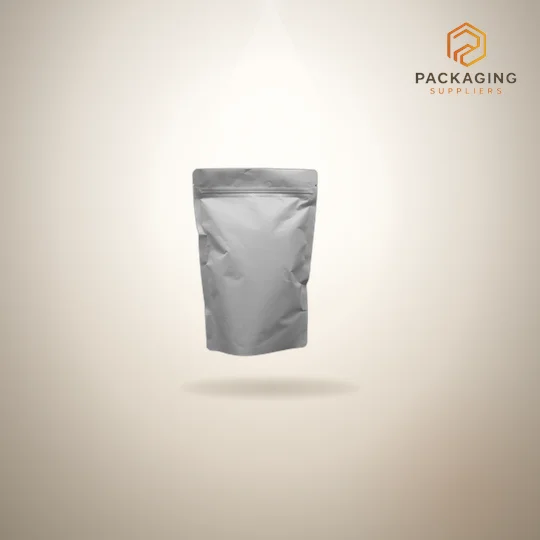
Kraft Standup Pouches

Kraft Paperboard Boxes

Kraft Pie Boxes

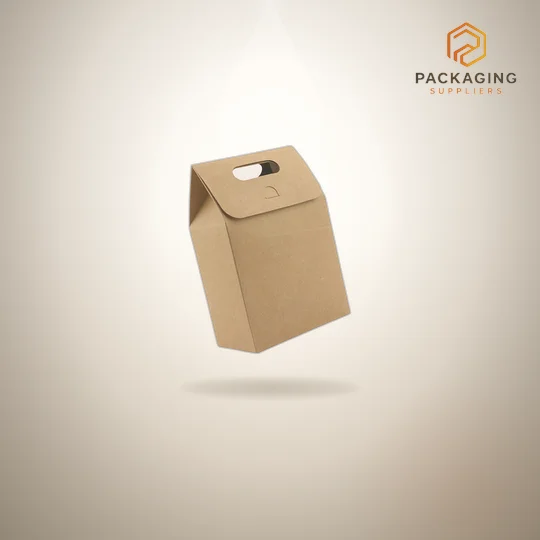
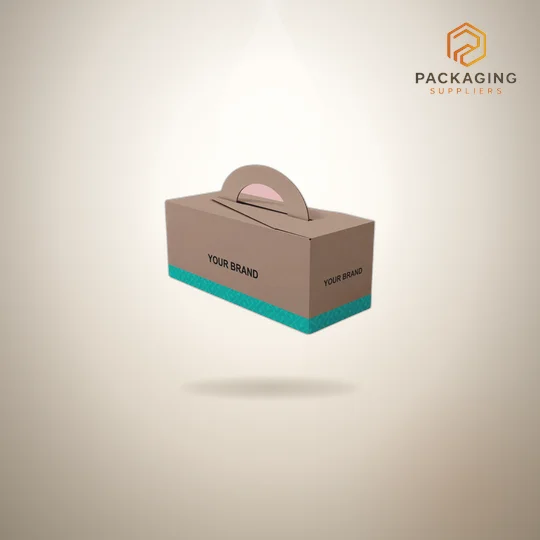
Kraft Paper Box with Handle

Kraft Paper Boxes

Kraft Mailing Boxes

Kraft Mailers

Kraft Macaron Boxes

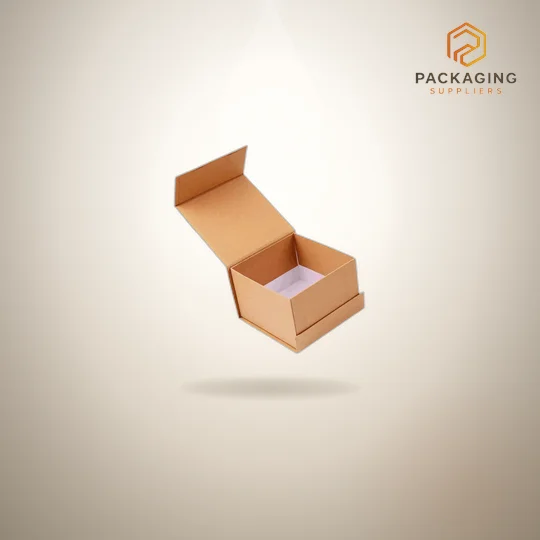
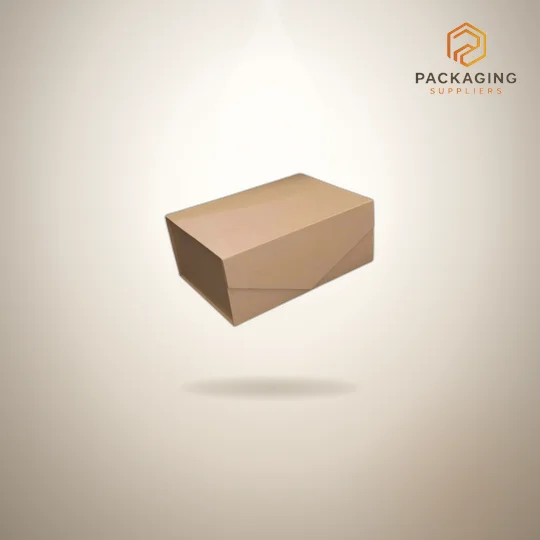
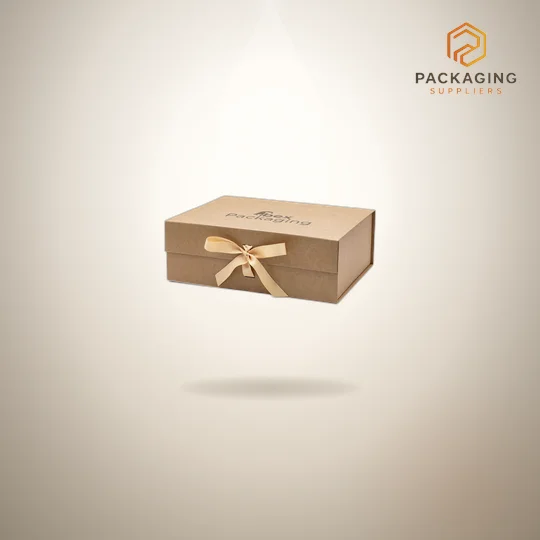
Kraft Magnetic Boxes

Custom Kraft Gift Boxes

Kraft Soap Boxes

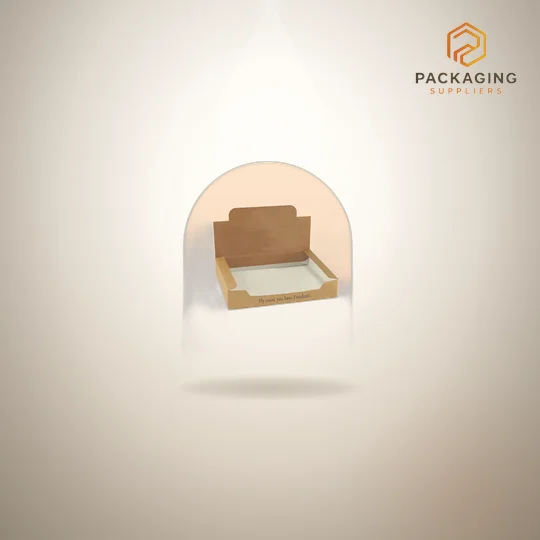
Kraft Display Boxes​

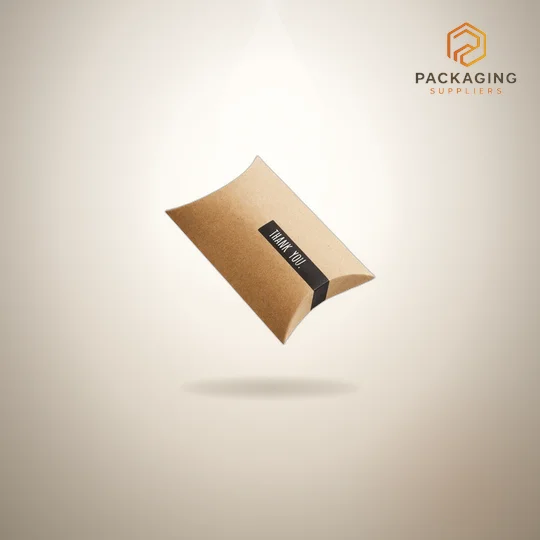
Kraft Pillow Boxes

Kraft Gable Boxes

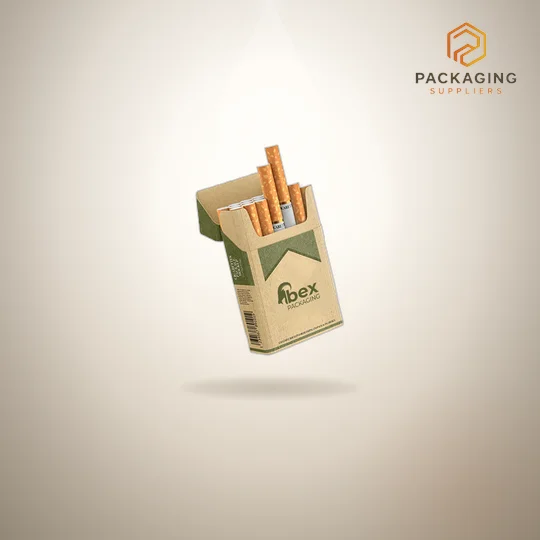
Kraft Cigarette Boxes

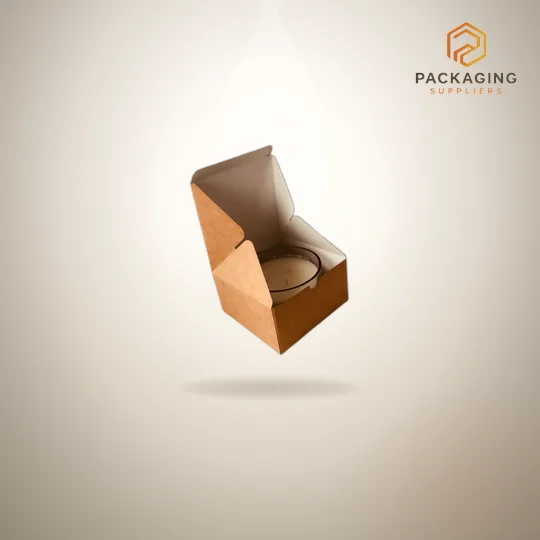
Kraft Candle Boxes

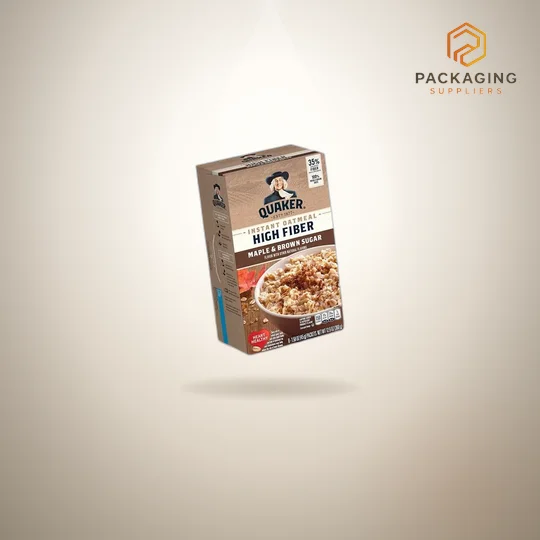
Kraft Cereal Boxes

Get A Free Quote

Fill in your specs — our team responds within 24 hours.

🔒 SSL Secure · No spam, ever · Response within 24 hours

Folding Caron

Lightweight board for retail boxes and lighter products. Clean print surface, cost-effective at volume.
Corrugated

Fluted board with real crush protection in multiple flute grades. The workhorse for shipping and mailers.
Rigid

Thick chipboard with a premium, weighty feel. Built for gift-tier and higher-priced products.
Kraft

Recyclable, natural-brown board with a tactile, unbranded feel. The default for eco-first brands.
Material

Stock Type and Thickness

A box is only as good as the board it’s cut from. Here are the four stocks we run; pick by how your product ships and how you want it to feel.

Why Choose Us

Present your small business as a Brand

You don’t need an enterprise budget to look like an established brand. We handle the structure, the print, and the finish so your packaging earns its place on the shelf and in the unboxing.

Packaging strategies

We help you pick the box, stock, and finish that fit your product and your margins. Not the most expensive option; the right one

Idea to Production

Bring a rough concept, or a competitor's box you want to beat. We turn it into a manufacturable design with real specs.

In-House Design & Artwork

Our designers build your dieline and artwork in-house. No outsourced middle layer, no guesswork on print-readiness.

Prototypes & 3D Mockups

See your box as a 3D mockup, then order a physical prototype before you commit to a full run.

Worldwide Delivery

We manufacture direct and ship to 100+ countries, with quality checked before anything leaves the floor.

Free & Reliable Shipping

Free shipping on bulk orders, tracked to your door, on the turnaround we quote.

Kraft Packaging Guide

Custom Kraft Boxes for Artisan & Small-Batch Brands

Kraft is the material small brands reach for almost by reflex — it looks handmade, it reads as natural, and it costs less than bleached white board. What most suppliers do not mention is that kraft is not one material. It is a family of grades that differ in fiber source, strength, print surface and, critically, whether they can legally touch food.

Custom kraft boxes in natural kraft, coated unbleached kraft and recycled board, specified by grade rather than by the word kraft, with no minimum order.

The Kraft Range, and Who It Suits

The kraft range on this page can be built to your own dimensions in any of the grades below, in wholesale quantities with volume pricing or as a single sample with no minimum order. Browse the products beneath this section, or send us your product dimensions and we will specify the grade.

Kraft is the default material across several of the industries we serve. It is the standard choice on our Soap Boxes for handmade and artisan ranges, on Candle Boxes for soy and small-batch brands, on Cosmetic Boxes for clean-beauty positioning, and across Bakery Boxes and Food Packaging where a natural look and food-safe board are both needed.

Kraft Is Not One Material: The Grades Explained

Everyone is says kraft as though it described a single board. In production it describes at least four, and choosing between them changes cost, strength and what you can print.

Natural Kraft, Coated Unbleached Kraft, and Recycled Board

GradeFiberWhat it looks likeWhere it fits
Natural kraft (SUS)Virgin unbleachedBrown throughout, visible fiber textureArtisan and naturally positioned ranges where the raw look is the point
Coated unbleached kraft (CUK)Virgin unbleachedBrown reverse, white clay-coated print faceHeavier products and anything needing good print with a natural back
Kraft with white print face (CNK)Virgin unbleachedKraft base, white coated faceBrands wanting near-white print quality without losing the brown interior
Recycled board (CRB / CCNB)RecycledGray or brown, clay coatedDry non-food goods. Lowest cost, but absorbs moisture and is less stiff

The practical shortcut: if the exterior look matters most, natural kraft. If you need real print quality but want the brown interior, coated unbleached kraft or CNK. If cost dominates and the contents are dry and non-food, recycled board.

Virgin or Recycled: The Food Contact Problem

This is the part that catches brands out, and it runs directly against the assumption that recycled is always the better choice.

Direct food contact requires virgin fiber. Recycled kraft does not meet direct food-contact standards without separate food-safe certification, because the recovered fiber stream can carry residues from whatever the paper was previously used for. So for a product that physically touches the board — a bakery item, a loose confection, an unwrapped bar — the more sustainable-sounding option is often the one you cannot use.

There are two normal ways around it. Use virgin kraft where contact occurs, which is what most food-grade kraft actually is. Or keep recycled board on the outer structure and put a food-safe liner, wrap or bag between the board and the product, which is common and perfectly legitimate.

Tell us at the briefing stage whether your product touches the board directly. It changes the grade we specify, and it is far cheaper to establish before a run than after.

Designing For Brown Board Rather Than Onto It

Artwork approved on a screen and then printed on kraft rarely looks the way the designer expected, and the reason is straightforward: you are printing onto a warm brown base rather than white.

Natural kraft adds a yellow-brown undertone that pulls every color toward it, reducing vibrancy. Uncoated surfaces mute darker shades in particular. Bright whites cannot be printed at all without a separate white ink layer, because the board itself is the lightest thing available. Bleached board gives the closest Pantone match; kraft simply will not hit certain colors.

None of that is a problem if the design is built for it. Designs that work on kraft tend to use fewer colors, bolder shapes, and let the brown board act as a background rather than fighting it. The instruction worth following is to design for kraft from the start rather than adapting an existing white-board design onto it, and to ask for a printed sample before a full run if color accuracy matters.

Where Kraft Is Stronger Than It Looks

Because kraft is cheaper than bleached board and looks rougher, it is widely assumed to be the weaker option. For one grade that is precisely backwards.

Coated unbleached kraft has higher tear resistance than solid bleached sulfate of equivalent weight. The unbleached fiber is longer and less chemically processed, which leaves more structural integrity in the sheet. It also handles freeze-thaw cycling better than recycled board, which is why it is a standard choice for beverage carriers and frozen food sleeves where a recycled grade would soften and lose shape.

Recycled board is the genuinely weaker option in this family — shorter fibers, lower stiffness, and it absorbs moisture more readily. If your boxes will sit somewhere humid or carry real weight, that is the grade to avoid, not kraft as a whole.

Box Formats Commonly Made in Kraft

Kraft is a board, not a structure, so most formats can be produced in it. The ones that come up most often:

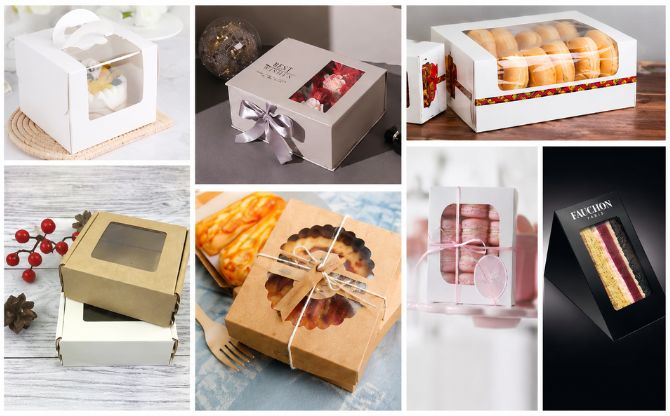
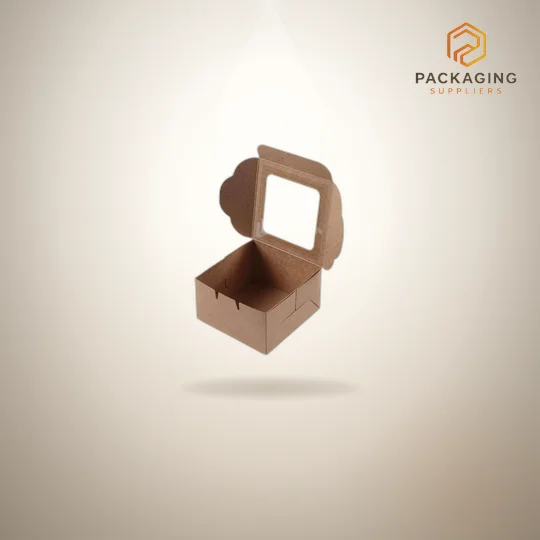
Tuck-end cartons are the standard for retail products — Soap Boxes, Candle Boxes, Cosmetic Boxes and similar small goods. Gable boxes with their built-in handle suit Bakery Boxes and food-to-go. Pillow boxes suit small gift and accessory items. Window boxes with a die-cut opening let the product show through, and pair particularly well with kraft because the contrast between brown board and visible product is strong. Sleeves and wraps use the least material and suit products where the item itself does the selling.

Kraft is also widely used as the wrap on rigid boxes and as the liner on corrugated, which are different products covered on their own pages.

Caliper and Weight: Choosing Thickness

Board thickness is measured in points, where one point is one thousandth of an inch. An 18pt board is 0.018 inches thick. The usable range runs from around 10pt for very light applications up to about 28pt, with 18pt to 24pt being the standard band for premium folding cartons.

Weight is quoted separately, in GSM or pounds per thousand square feet. Food-grade retail cartons commonly sit in the 300 to 400 GSM range. The two measures are related but not interchangeable: a lower-density board can hit the same thickness with less weight, which is desirable because you get more boxes per ton of material.

As with board strength generally, the useful thing to send us is the product weight and how the box will be handled, not a point figure. Thickness that is right for a soap bar is wrong for a candle jar.

Not sure which spec fits your product? Talk to our packaging team and Packaging Suppliers will help you choose board, size, and finish.

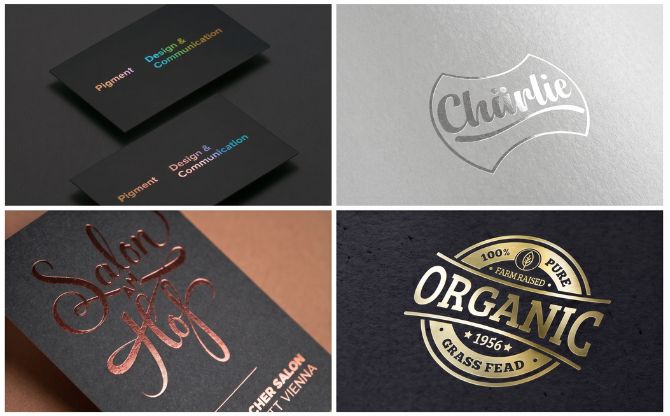
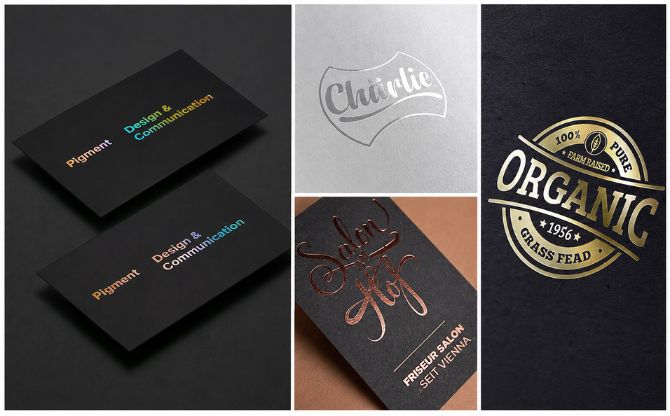
foil stamping

Foil Stamping

Add a metallic or holographic sheen to your logo or key elements. Foil catches the light and signals premium the second a customer picks up the box.

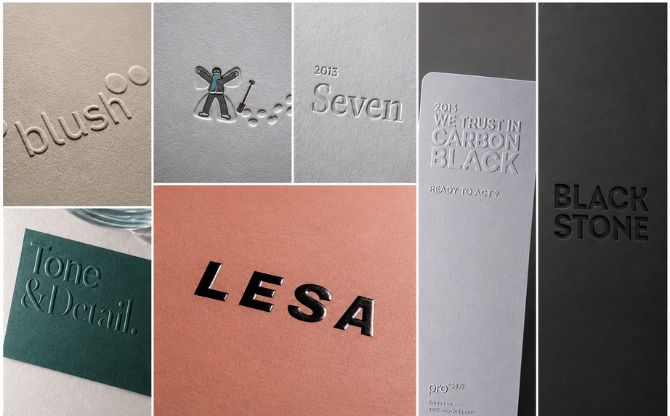
Emboss/Deboss

Press your logo or pattern into the stock for a raised or recessed texture customers feel before they read it. No ink; the impression does the work.

lamination

Lamination

A protective film over the printed surface that locks in the finish and guards against scuffs, moisture, and handling.

spot uv

Spot UV

A high-gloss coating on select areas: logo, title, pattern; for sharp contrast against a matte background.

custom inserts

Custom Inserts

Fitted inserts that hold product in place, cut movement in transit, and control the reveal on opening.

Custom Styles

A cut-out with clear film so customers see the product without opening the box, built for retail shelves.

Unlimited Customizations

Every Detail, Your Way

Endless finishing options so your product packaging looks exactly how you imagined it — and then some.​

Packaging Made Easy.

Four steps, no back-and-forth. Send your spec or a rough idea. We build the dieline and a 3D mockup for your approval, print and produce with a color check before the run, and ship to your door. You get one dedicated contact the whole way, someone accountable, not a ticket queue.

Tips-for-Creating-Innovative-and-Engaging-PR-Boxes

Customer Stories

Brands That Trust P&S

From boutique fashion labels to fast-growing DTC brands; here’s what our customers are saying.

“The magnetic closure boxes for our accessory line look absolutely stunning. The foil stamping on our logo is better than anything I’ve seen at twice the price.”

Michael-Schmidt.webp

Michael Schmidt.

Founder, Bloom Apparel Co.

“We switched to P&S for our clothing boxes and the difference was immediate. Our customers now post unboxing videos without asking, says everything.”

ayesh-khan.
Ayesha Khan.

Owner, STD Leather Co.

“As a shoe brand, I was nervous about minimums and quality. P&S had no MOQ and the shoe boxes arrived within time, perfect quality, every single time.”

Daniel Carter.

CEO, Strider Footwear.

Common Questions

Frequently Asked Questions

Everything you need to know about ordering custom packaging.

Kraft boxes are made from unbleached kraft paperboard, which gives them a natural brown color and a slightly textured, uncoated surface. This material is recyclable and FSC-certified, making kraft boxes a common choice for brands that want a natural or eco-conscious packaging look.

Yes, kraft boxes can be printed using digital, offset, or screen printing. Because the base material is a natural brown rather than white, colors can appear slightly different than they would on white or coated stock, so it’s worth requesting a sample if exact color matching matters for your brand.

Kraft boxes can be produced in any custom size to fit your specific product, rather than a fixed set of standard dimensions. This makes them suitable for anything from small retail items to larger shipping or gift boxes, without being limited to pre-set box templates.

No, there’s no minimum order quantity, so kraft boxes can be ordered at wholesale pricing whether you need a small batch or a larger production run. Wholesale orders also qualify for free shipping, helping reduce packaging costs as your order volume increases.

Kraft boxes are made from recyclable, FSC-certified paperboard, making them a more sustainable option compared to plastic or non-certified packaging materials. The natural, uncoated finish also reflects the material in a rawer, less processed state, which suits brands that want their packaging to look and feel more sustainable.

Standard production typically takes 4-8 business days, with rush turnaround available if you need your kraft boxes sooner. Timing can vary depending on order size, print complexity, and finishing options, so it’s best to confirm current lead times when requesting a quote.

Get A Free Quote