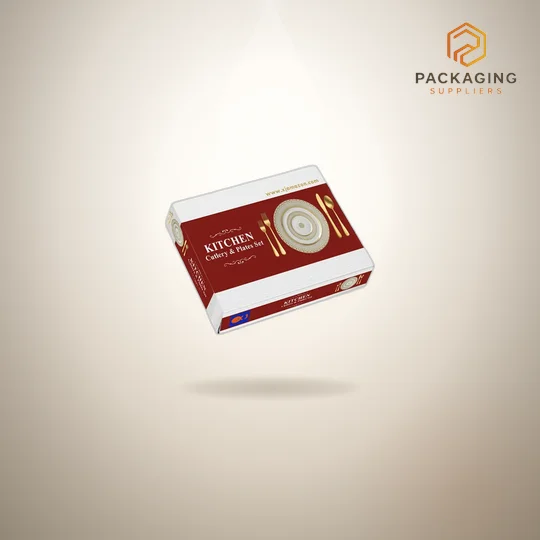
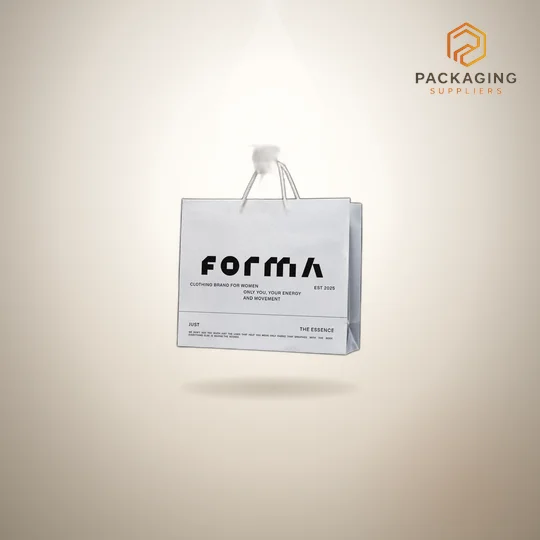
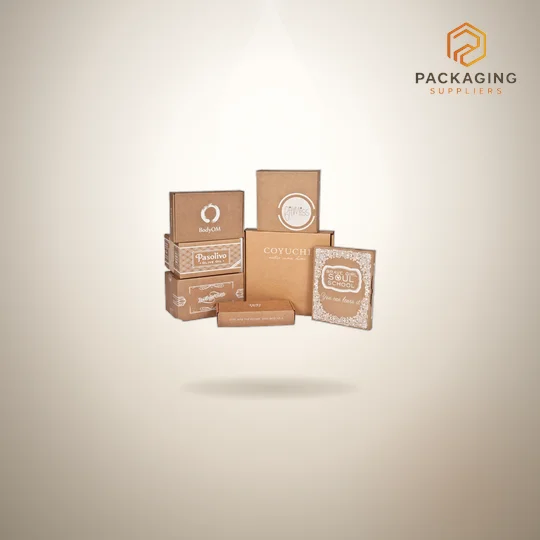

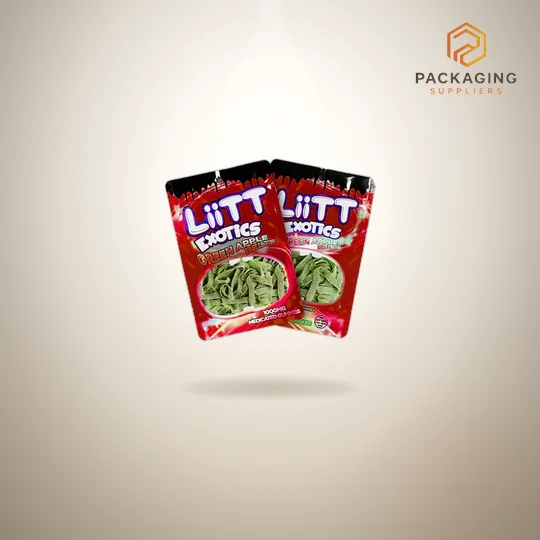
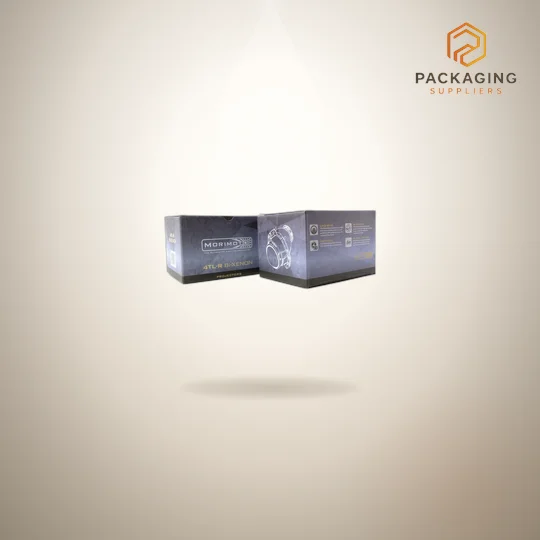
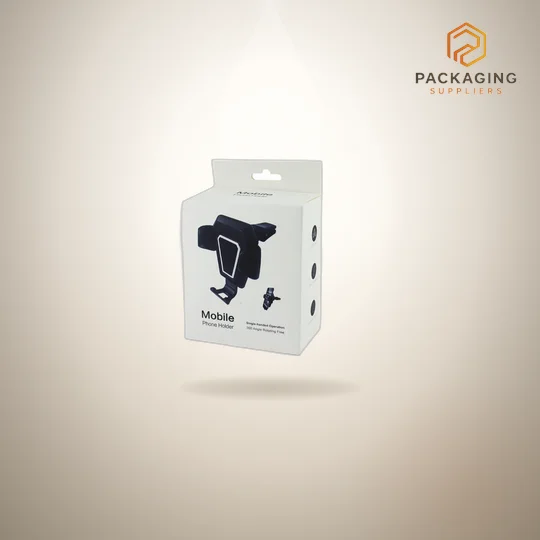
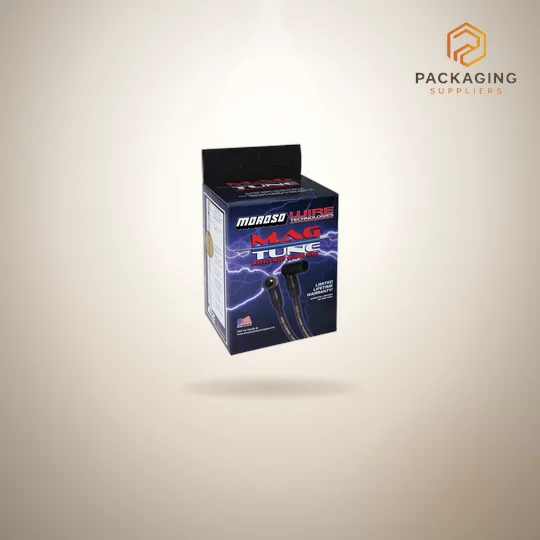
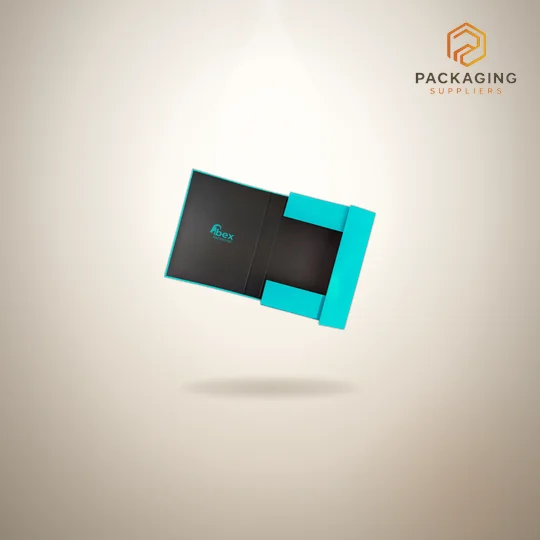
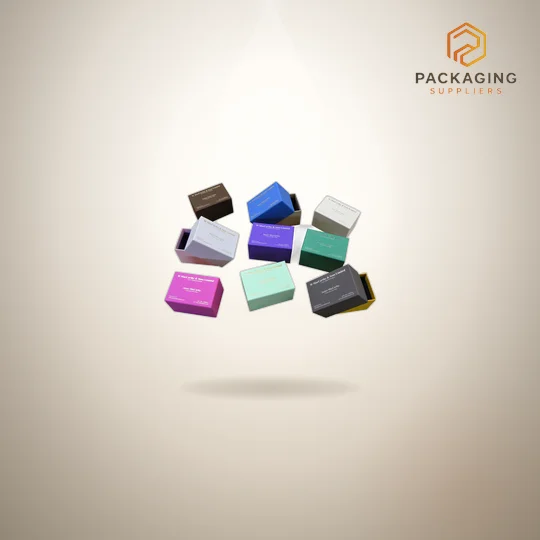
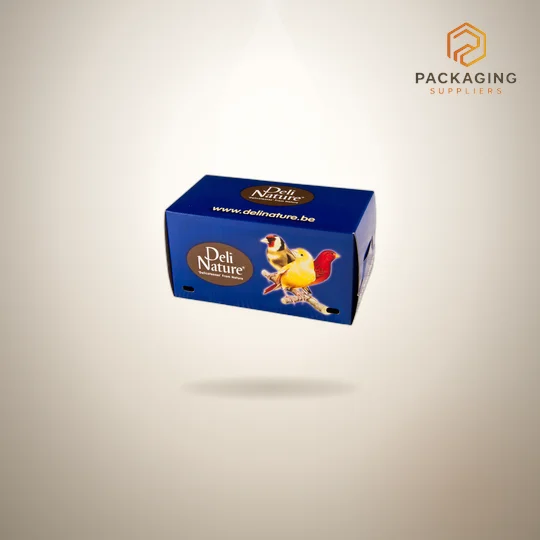
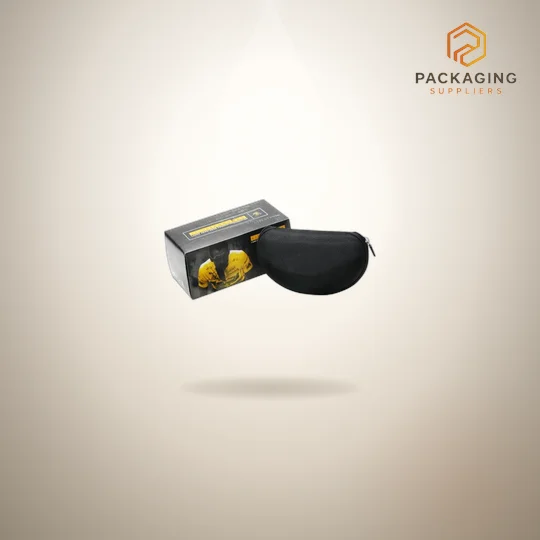
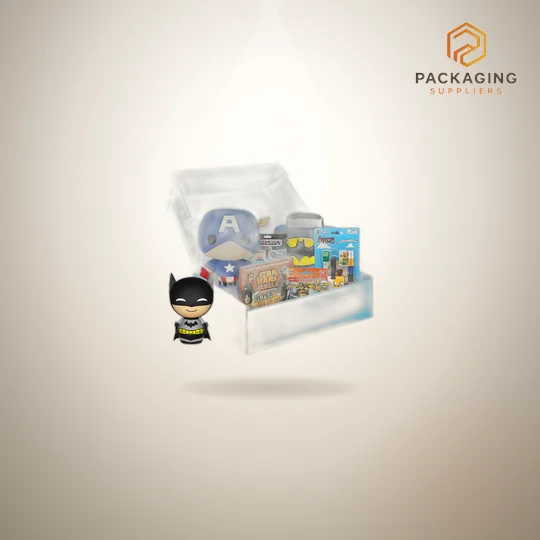
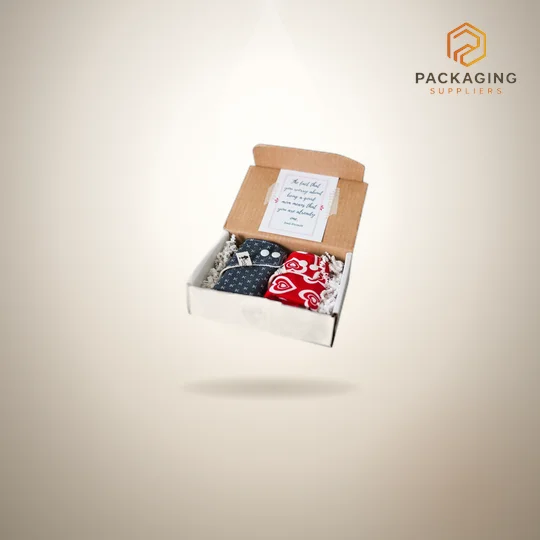
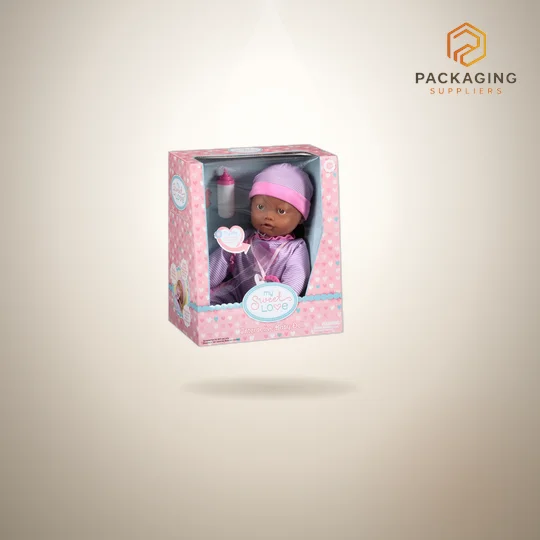
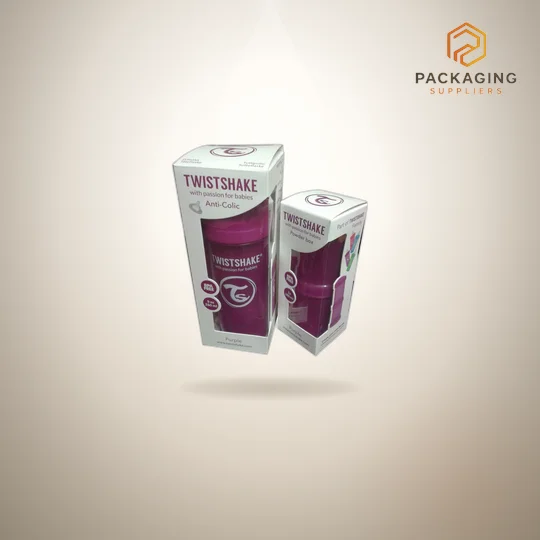

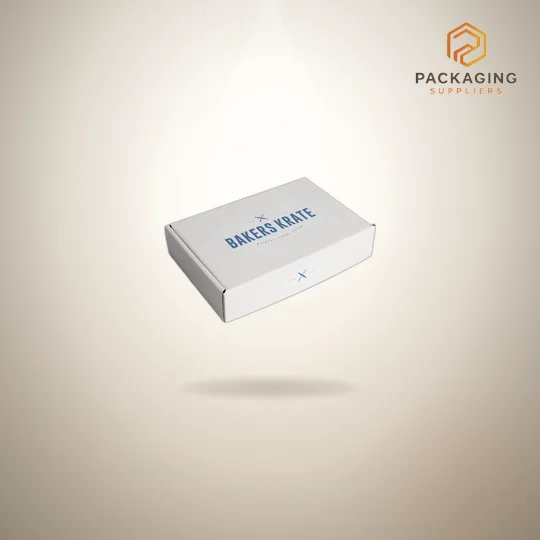
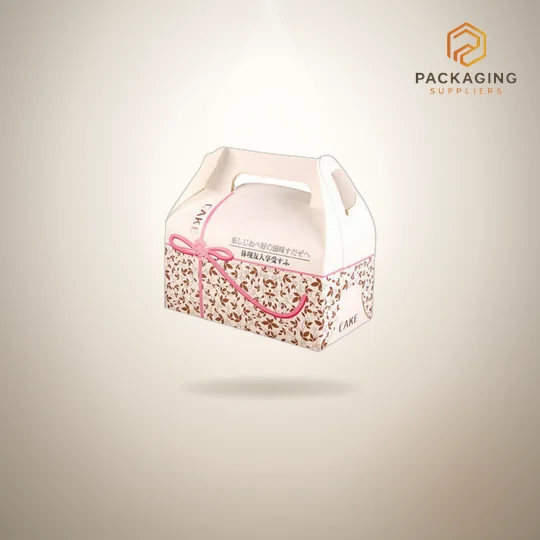
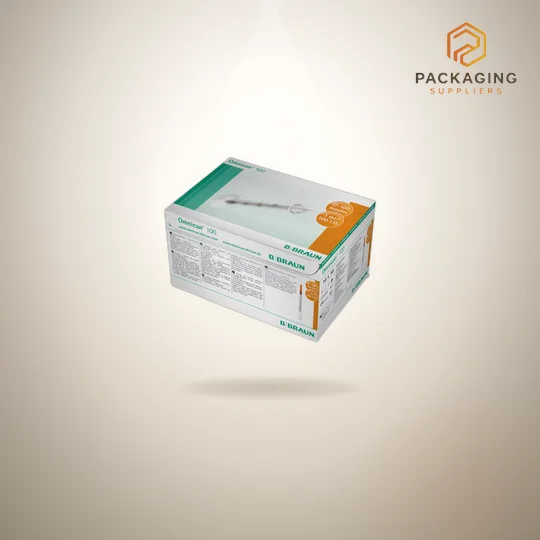
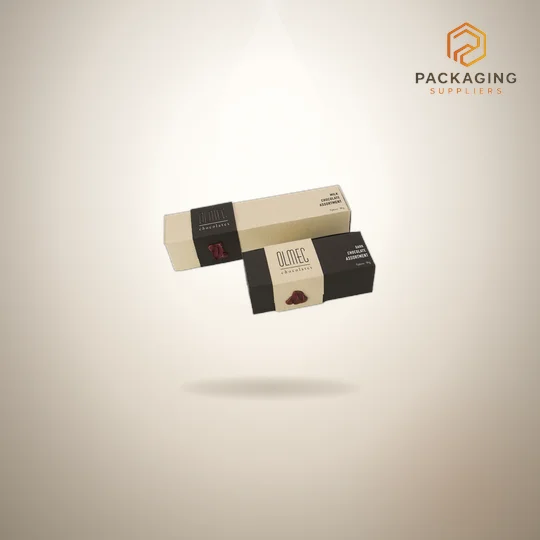

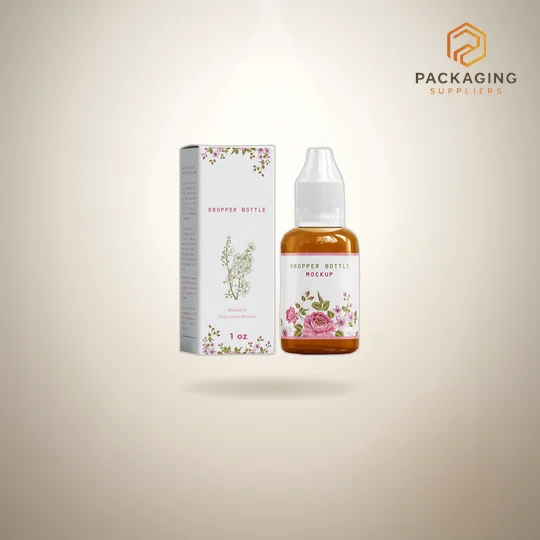
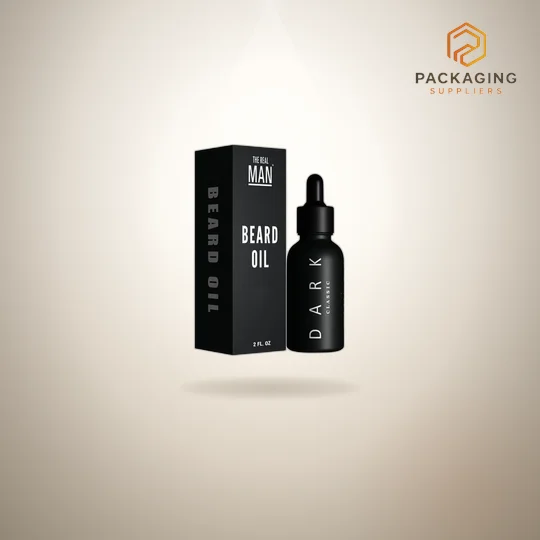
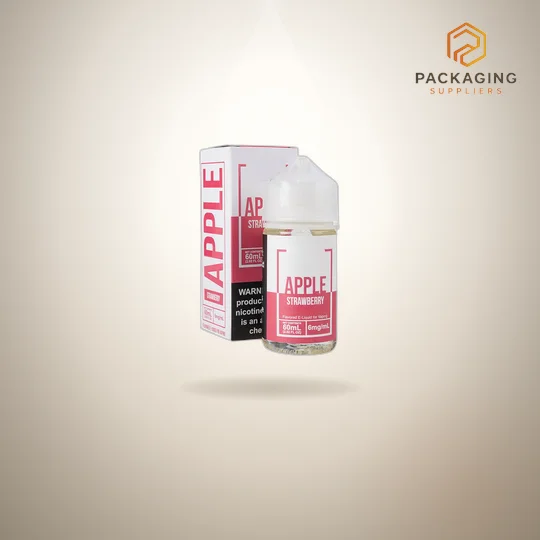
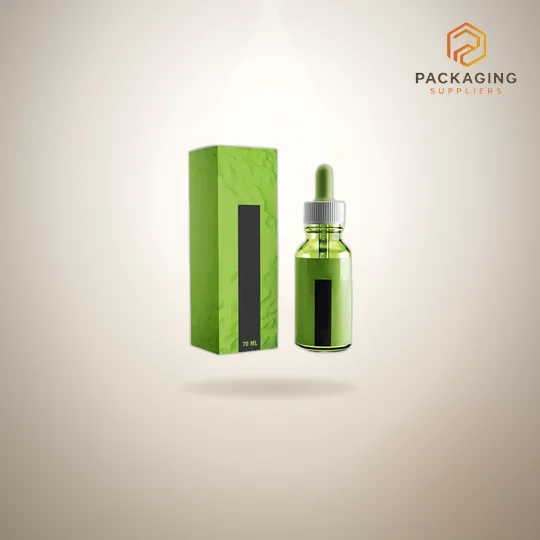
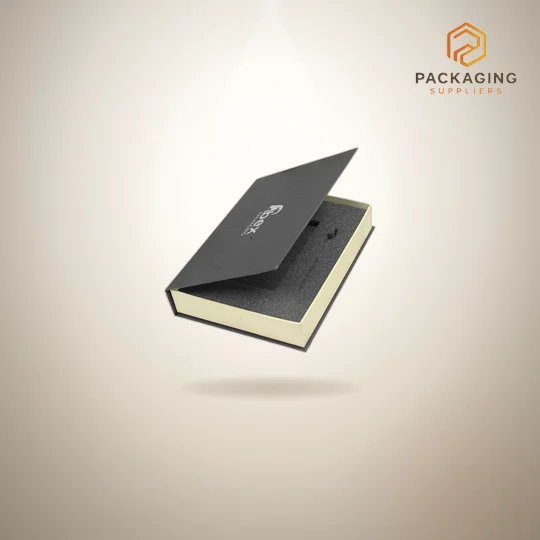
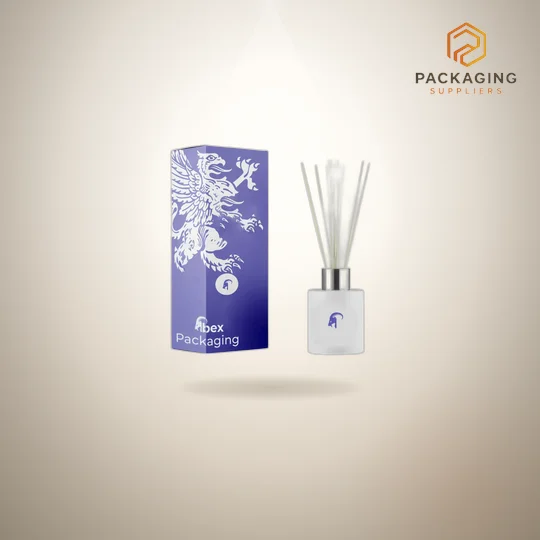
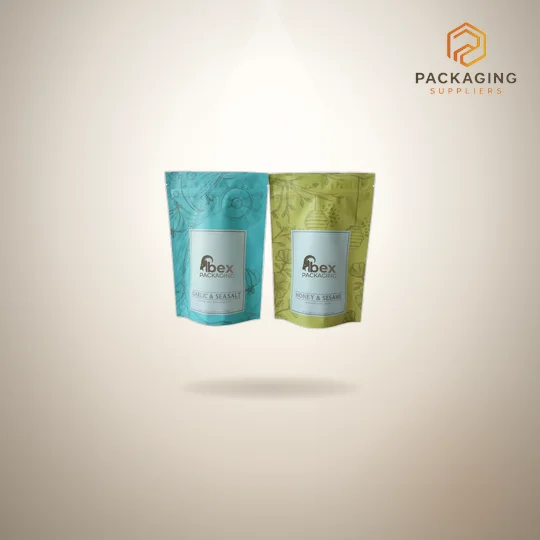
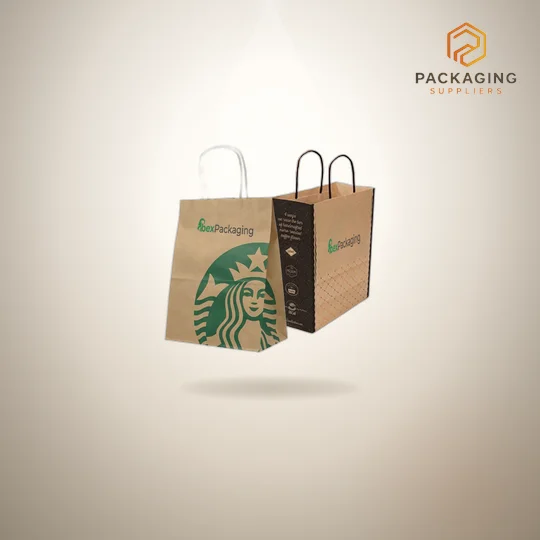
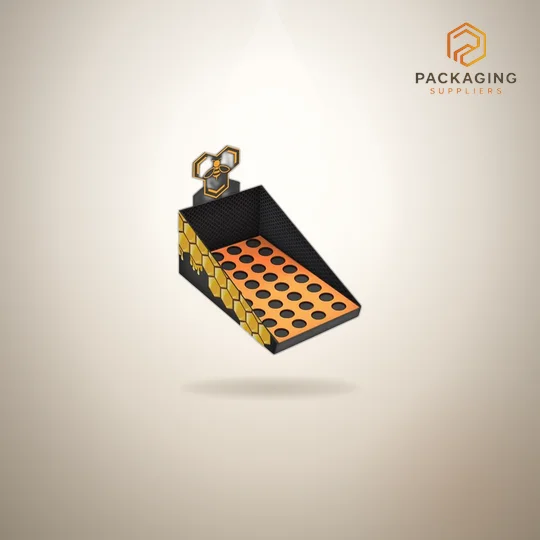
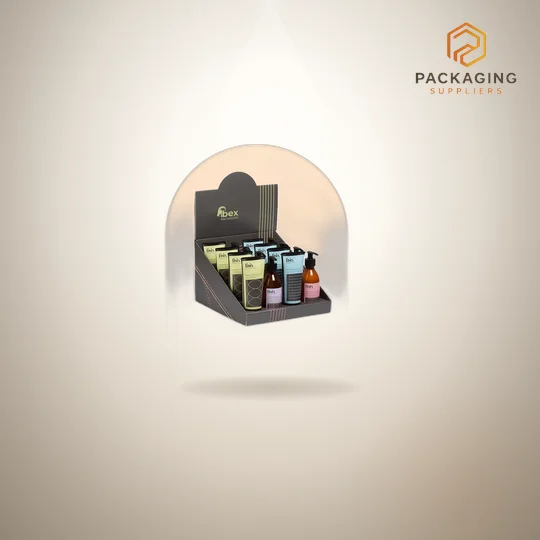
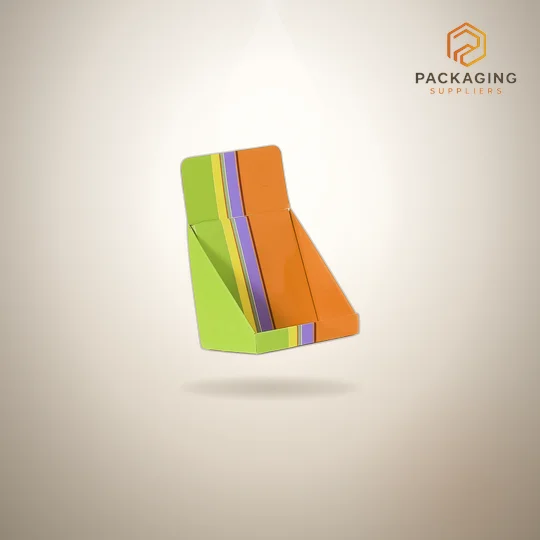
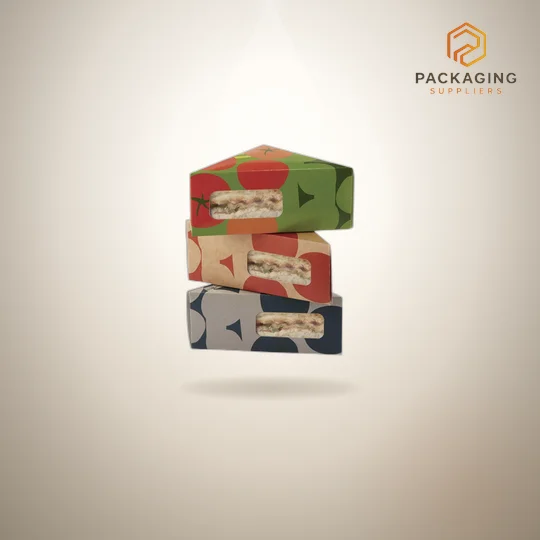
Custom Retail Packaging Built for Shelf Display
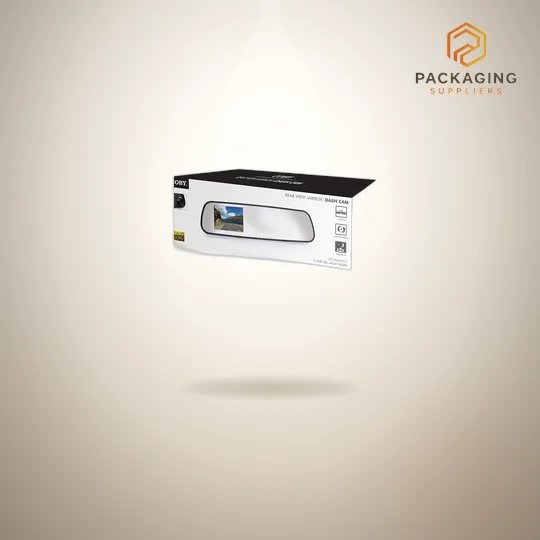
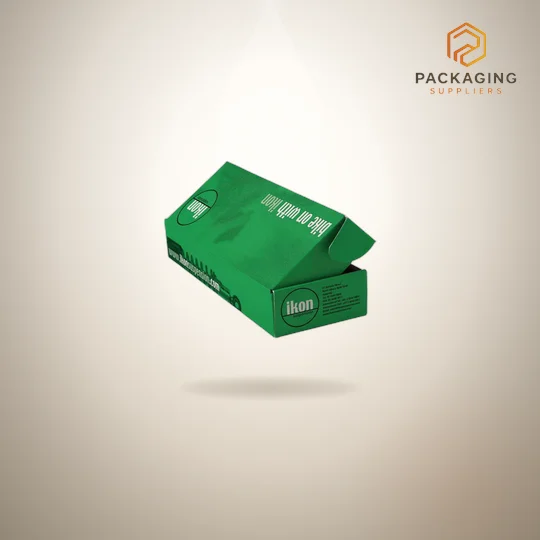
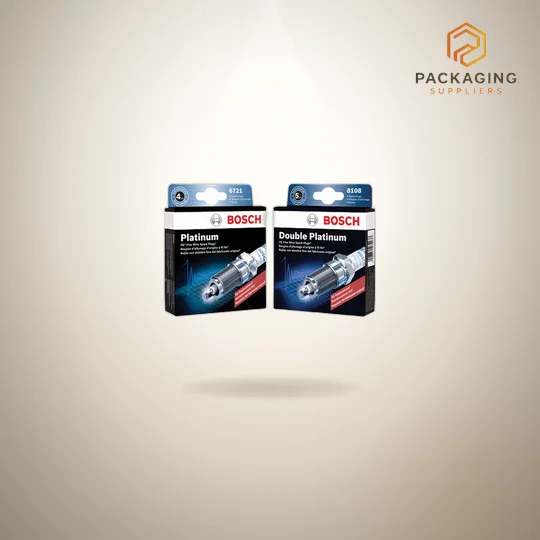
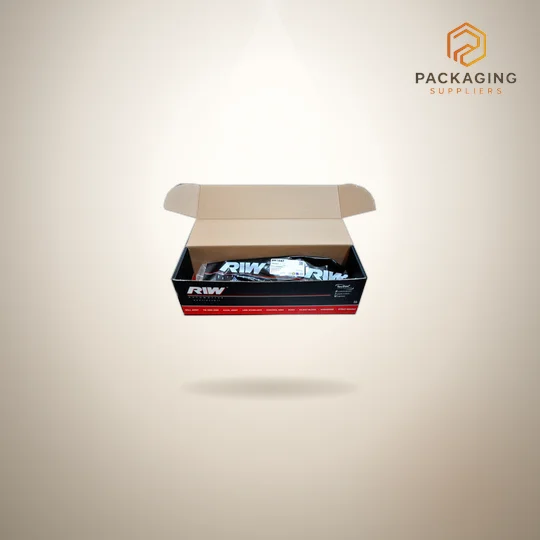
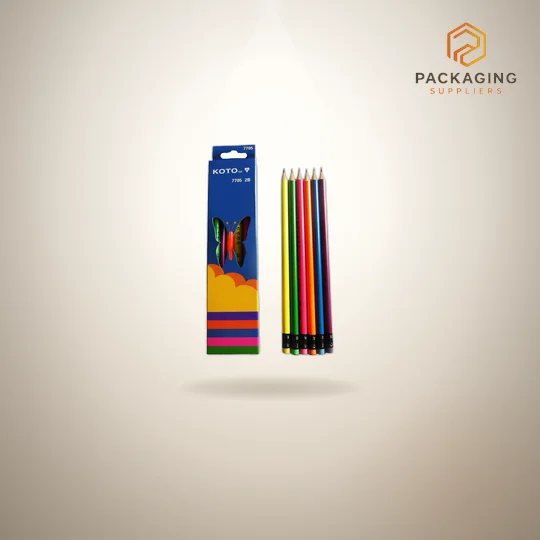
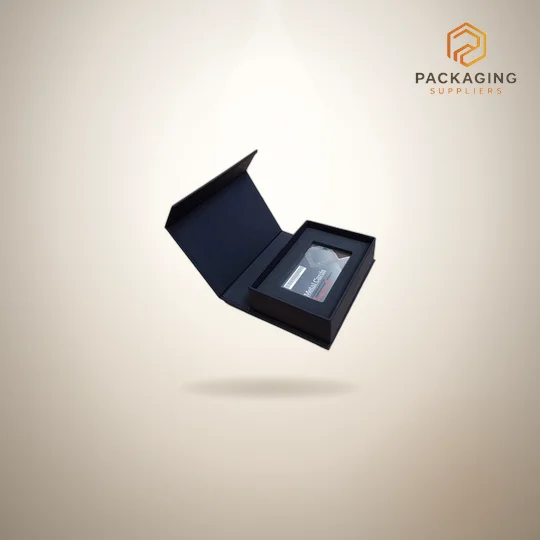
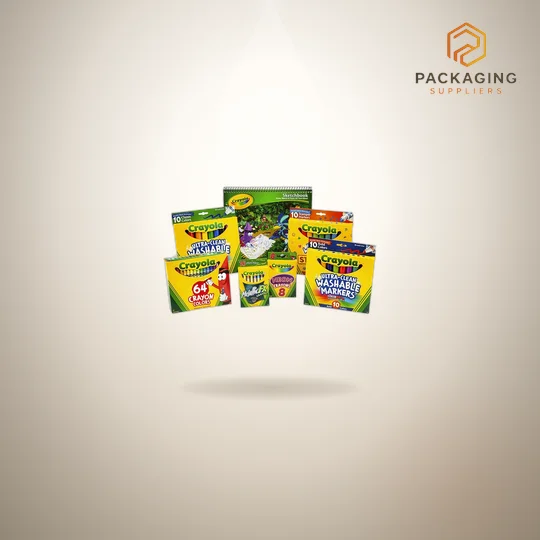
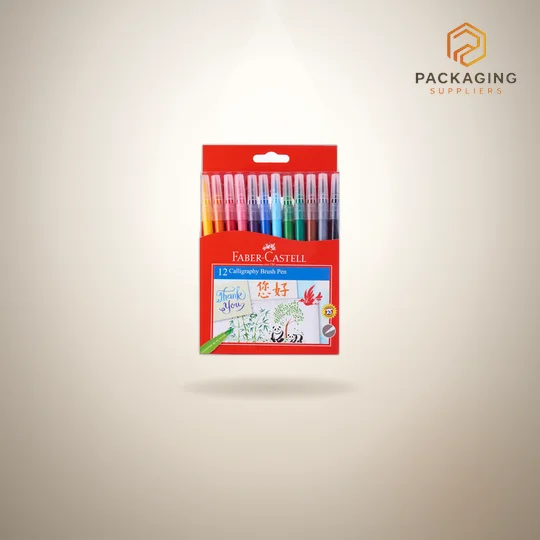
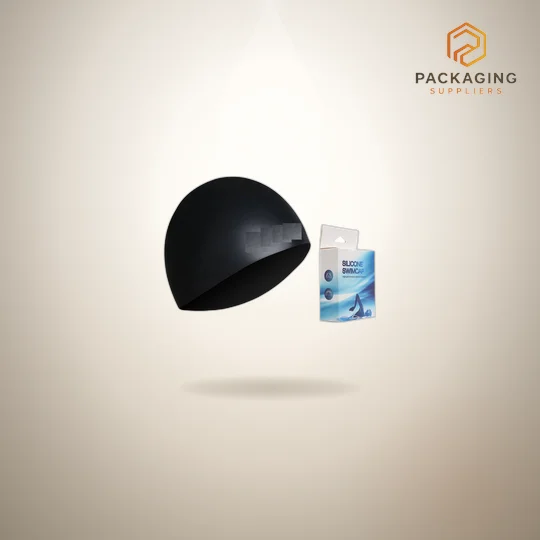
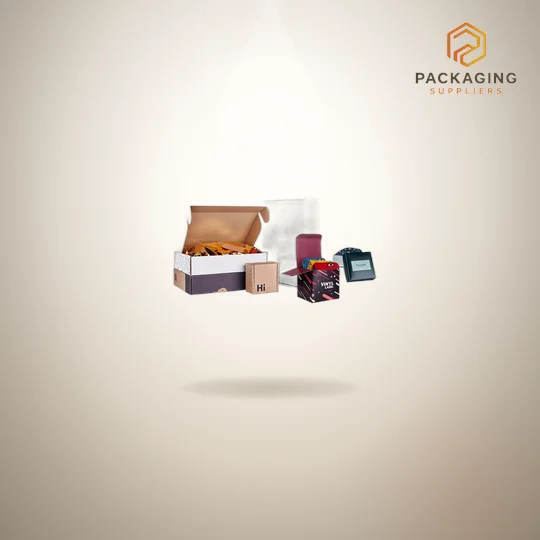
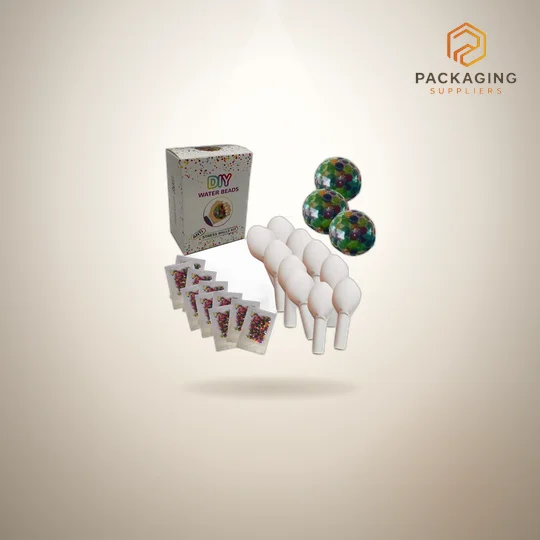
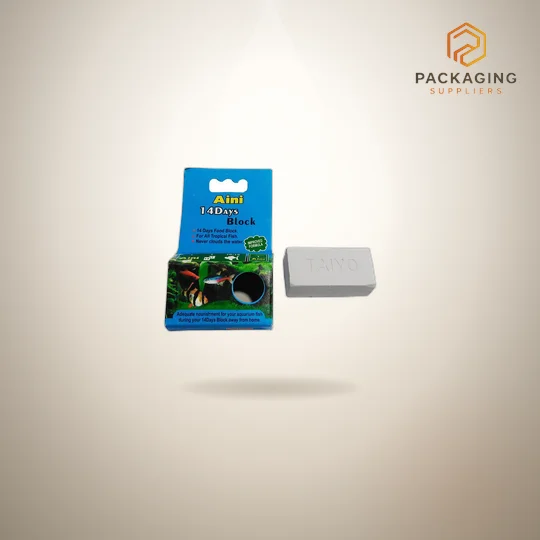
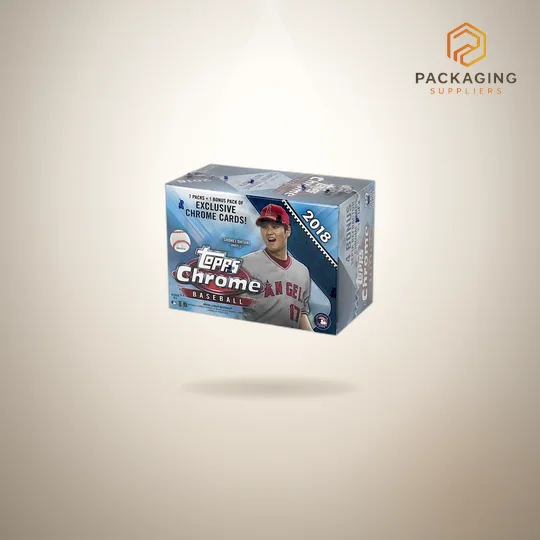
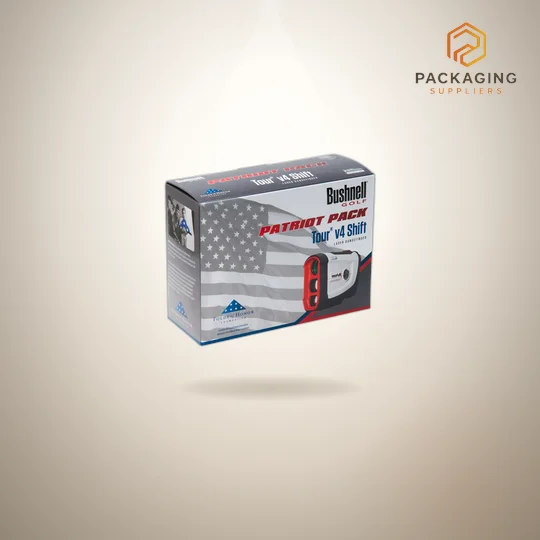
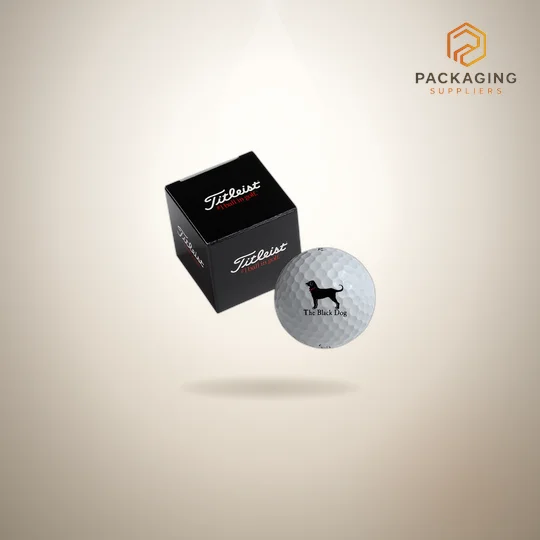
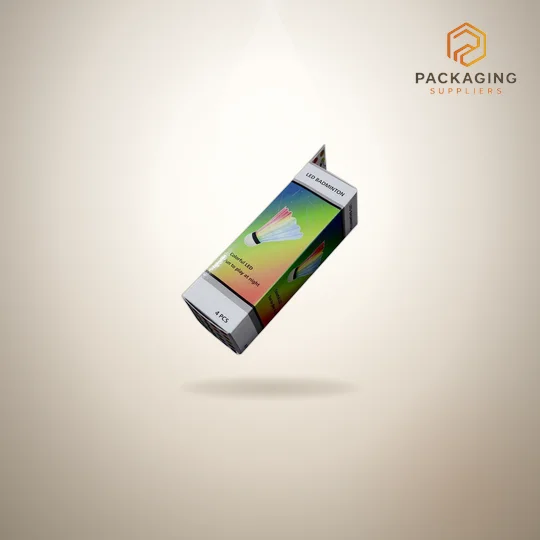
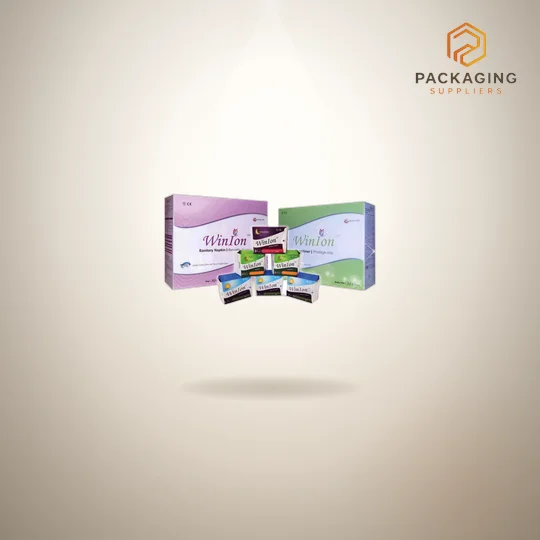
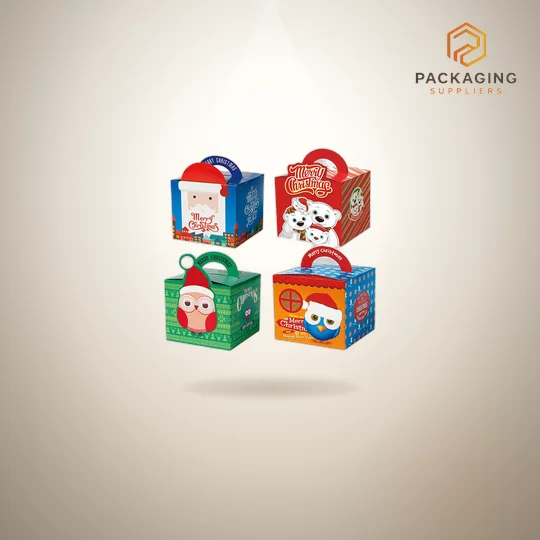
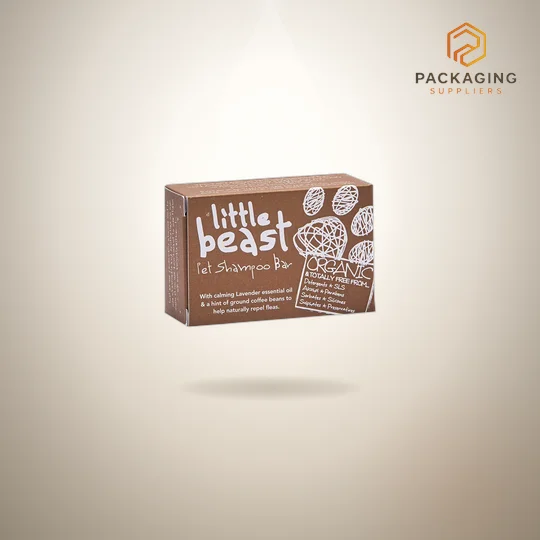
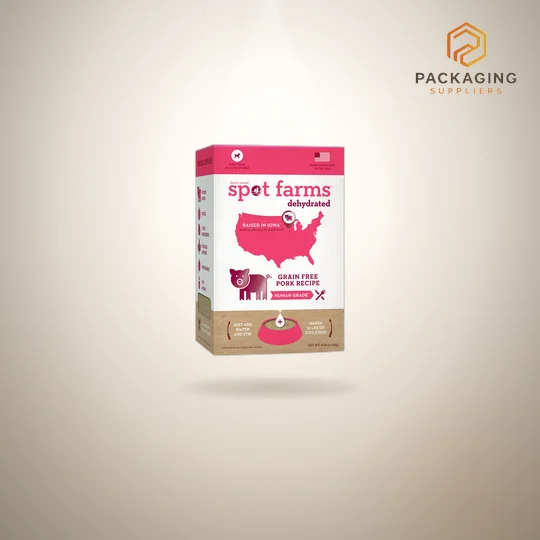
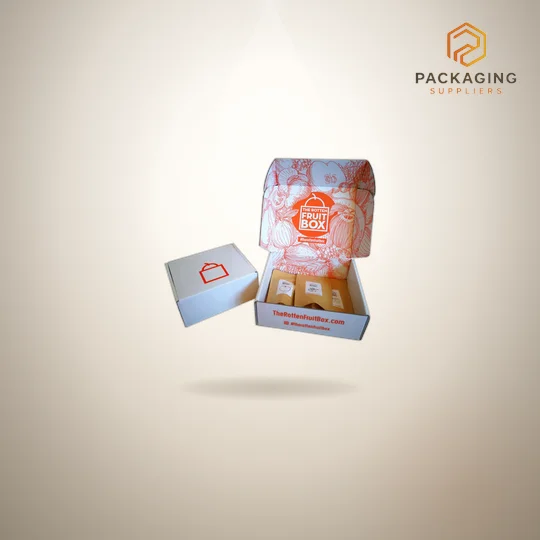
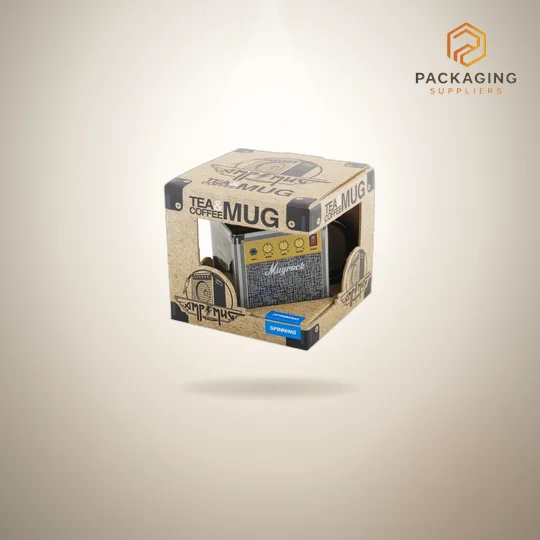
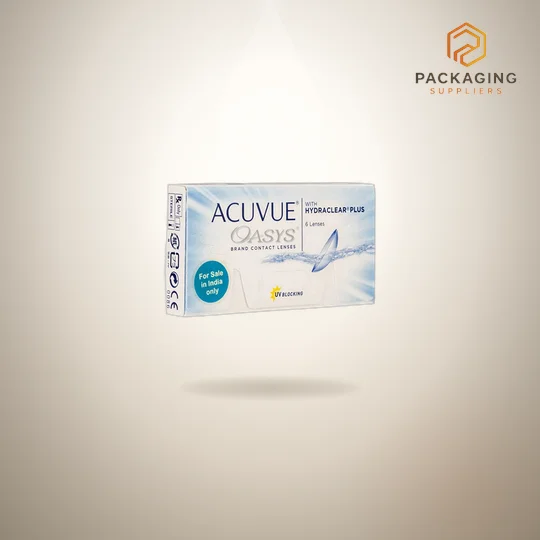
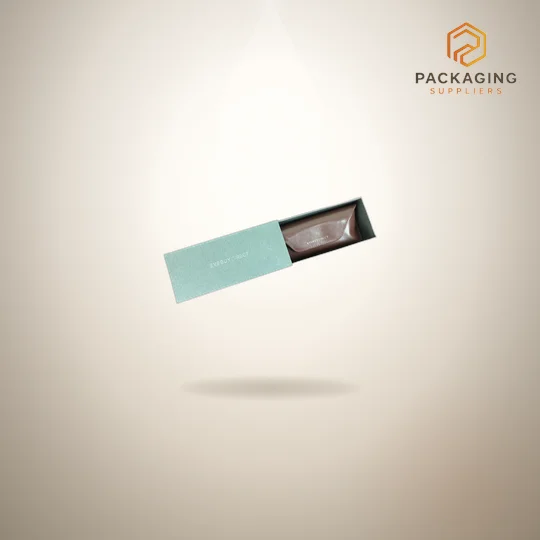
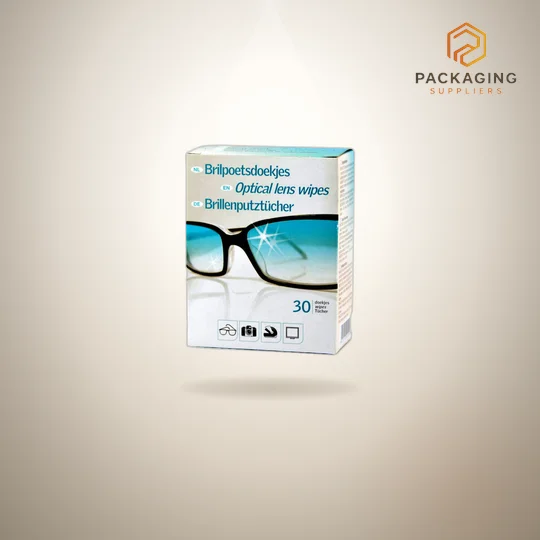
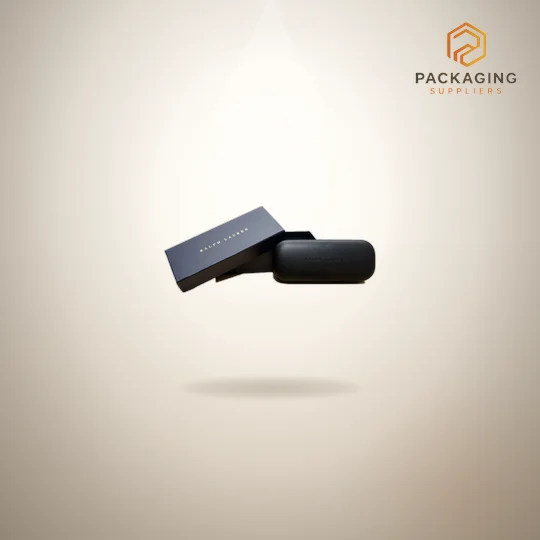
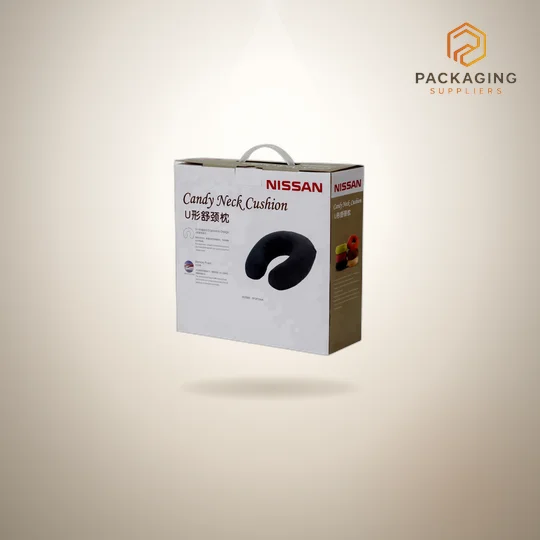
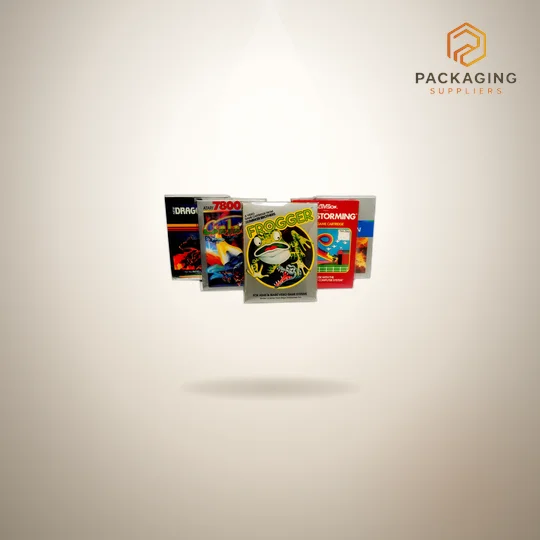
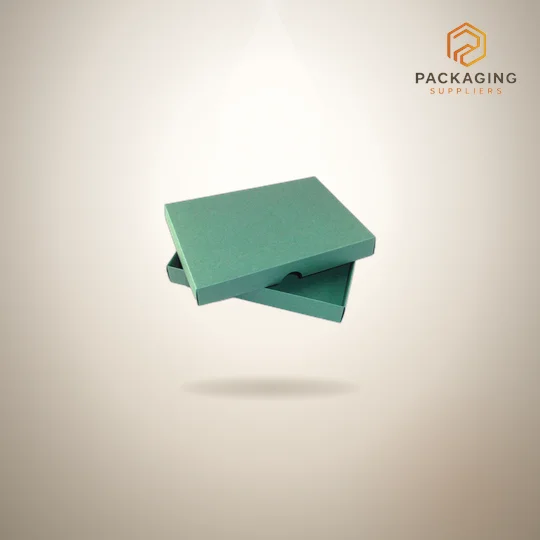
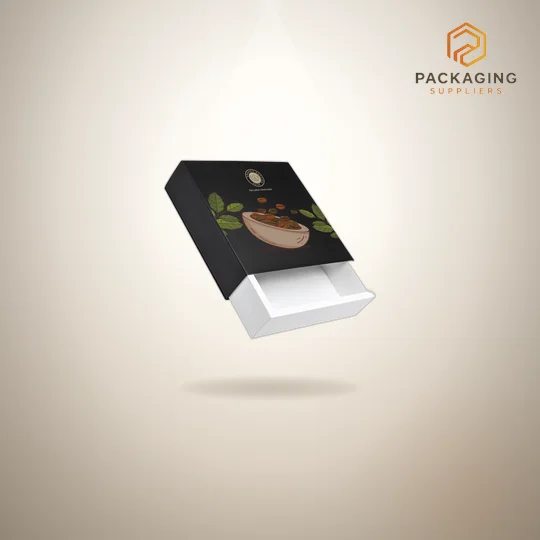
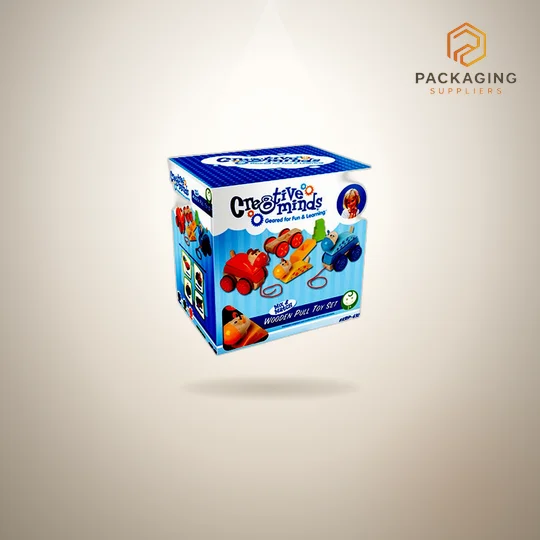
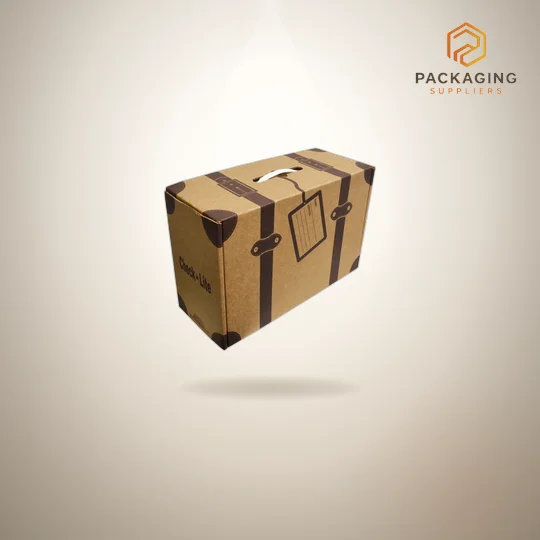
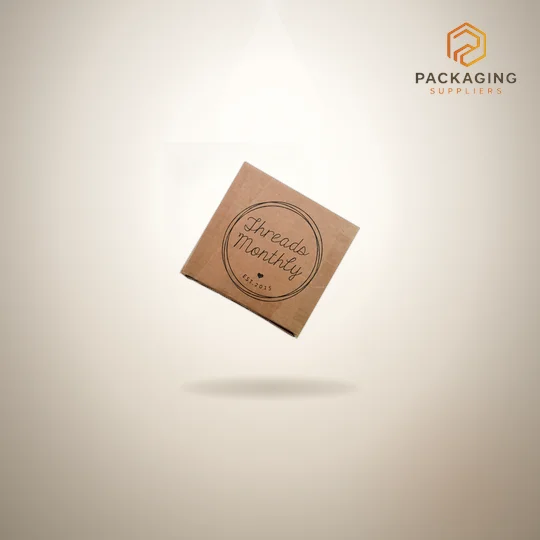
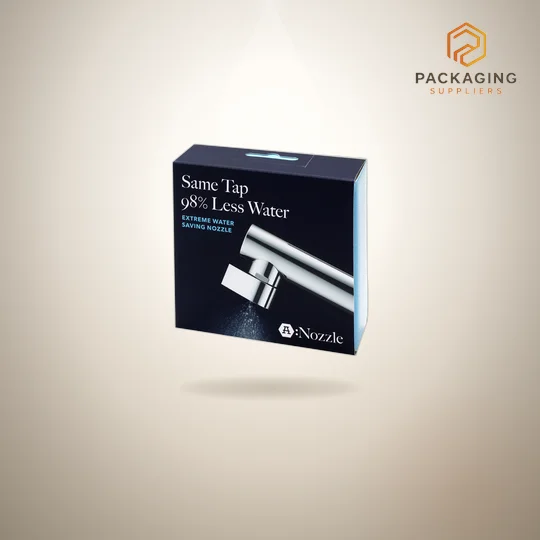
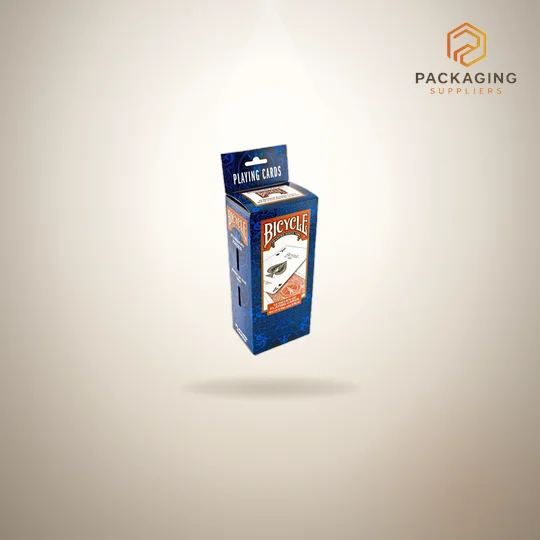
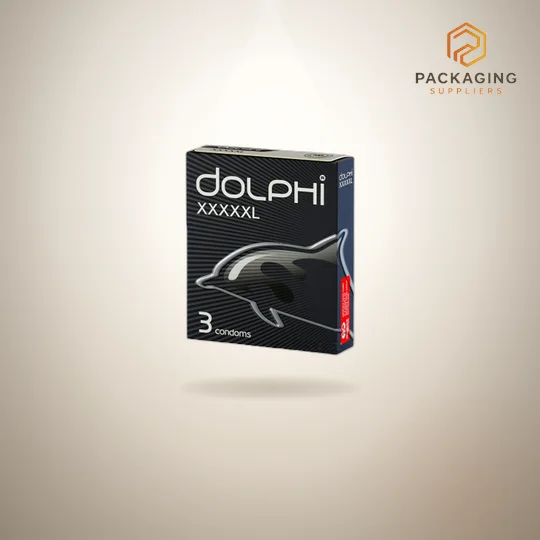
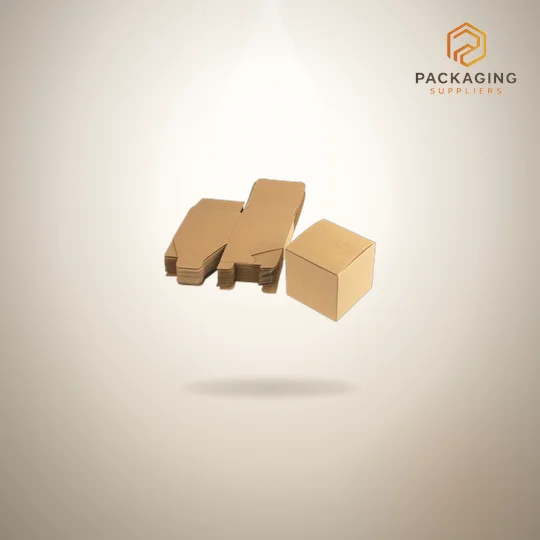
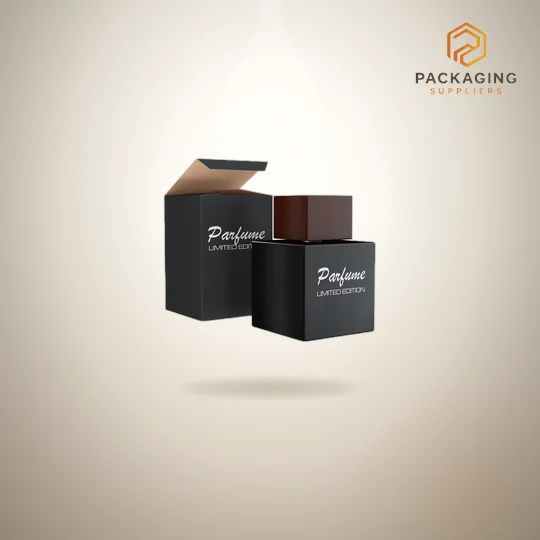
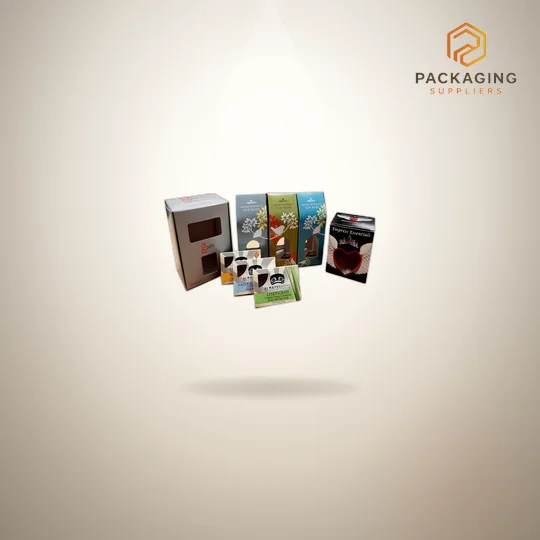
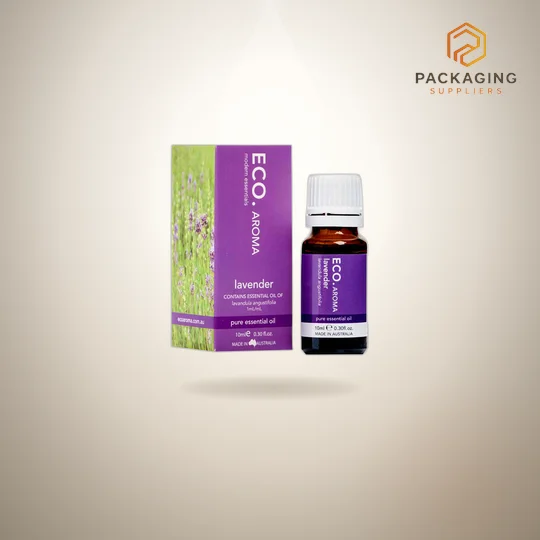
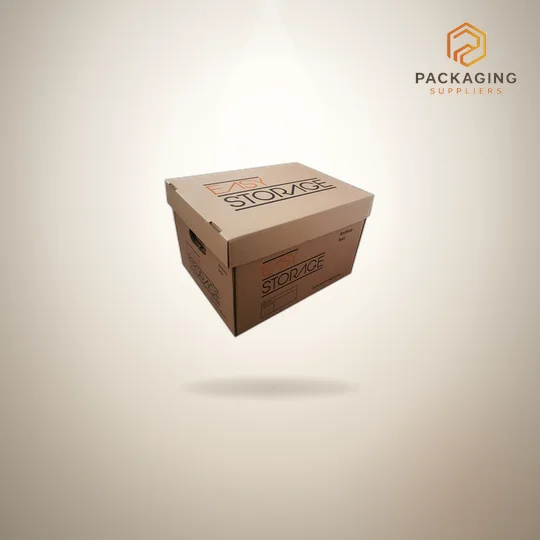
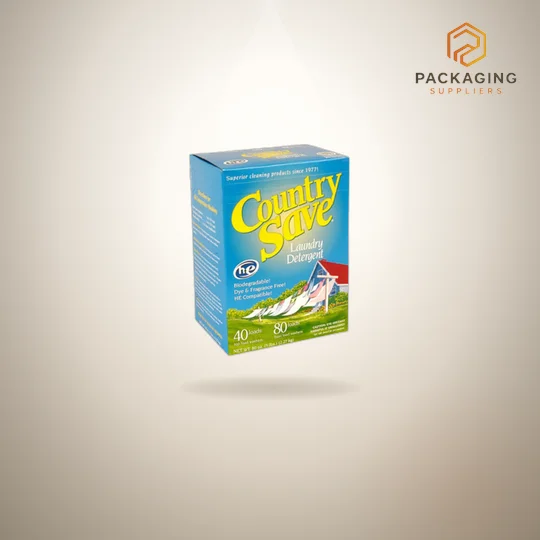
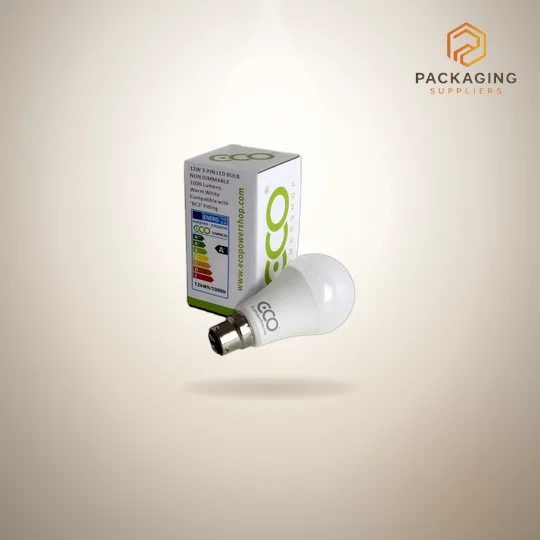
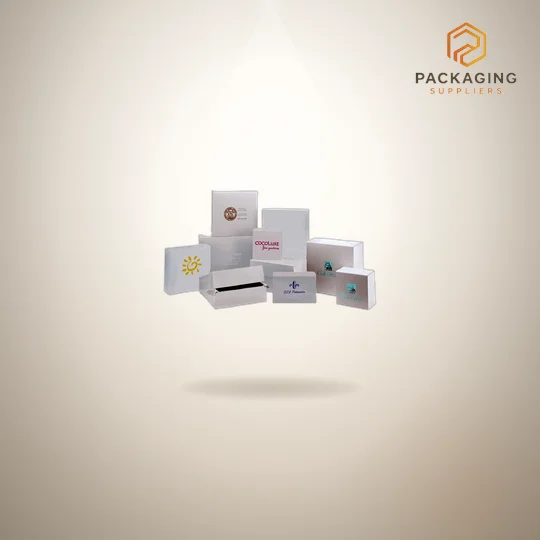
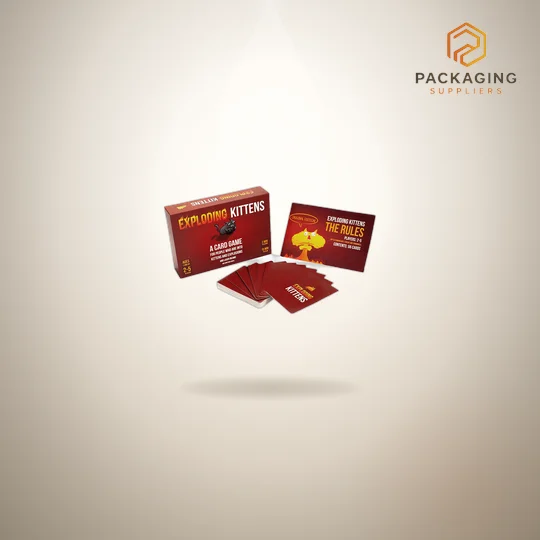
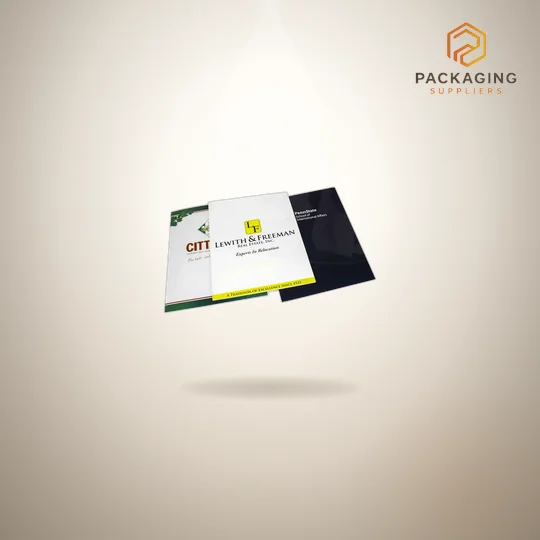
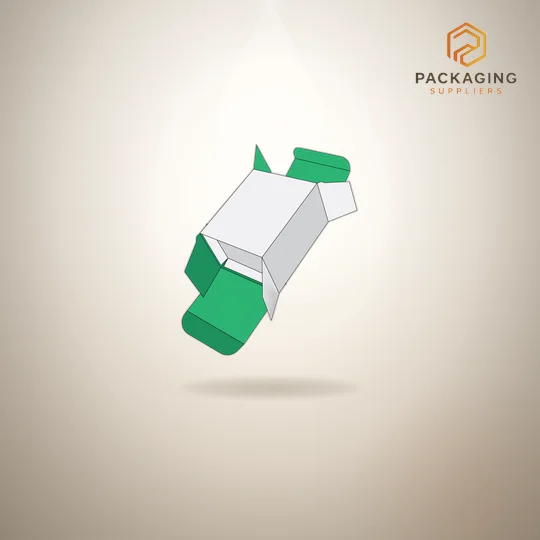
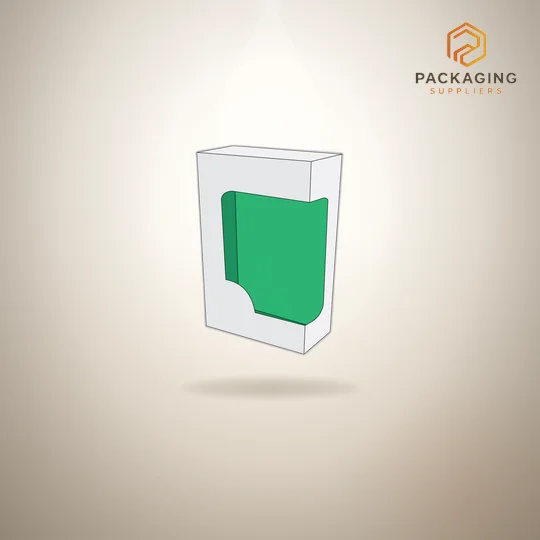
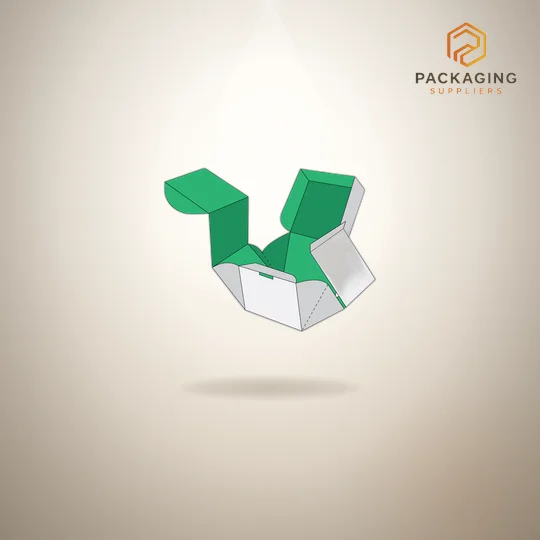
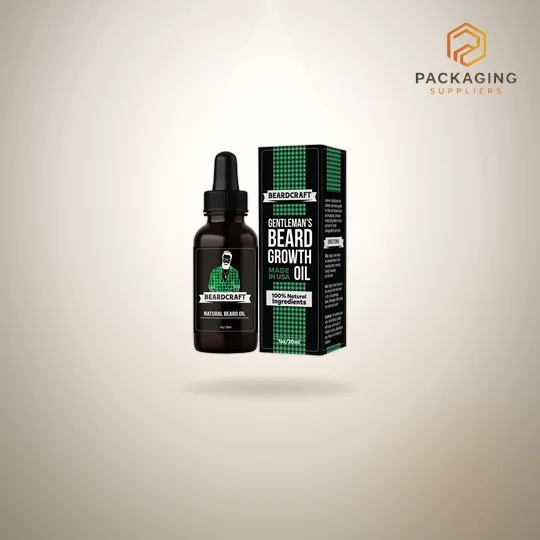
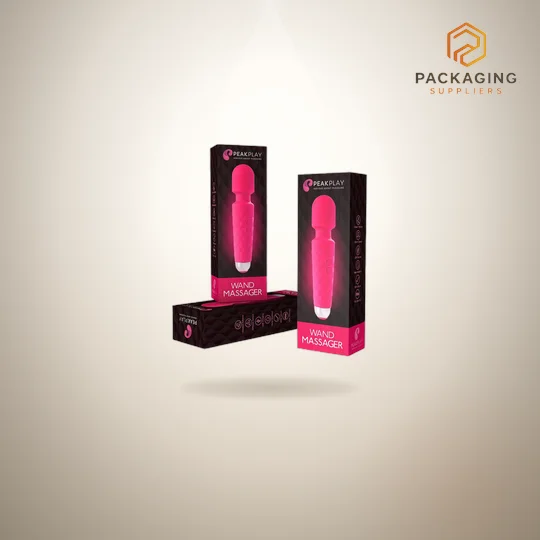
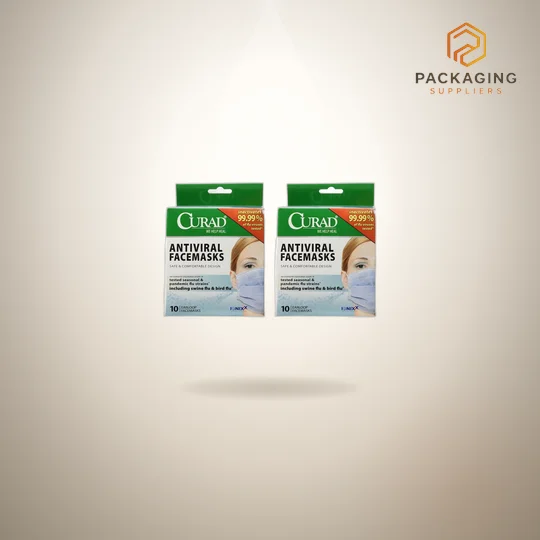
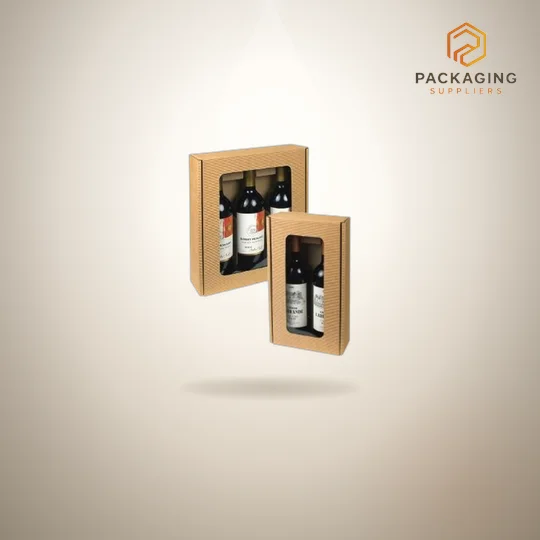
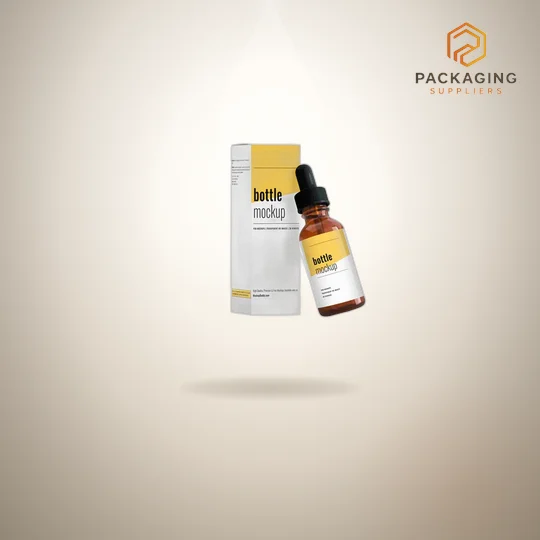
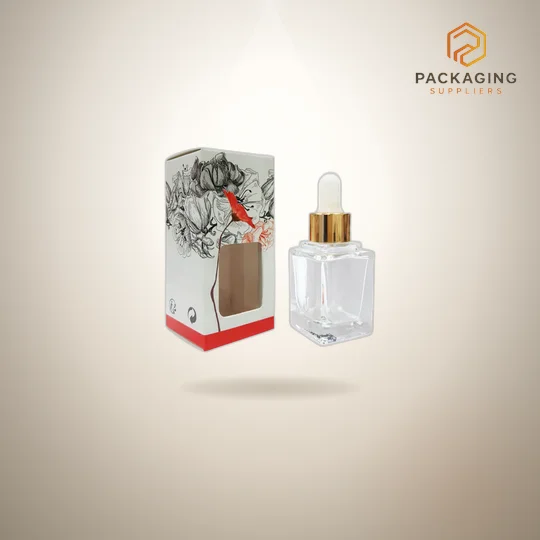
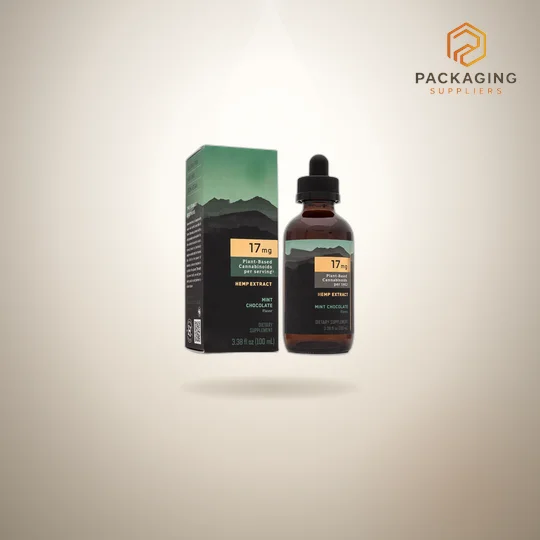
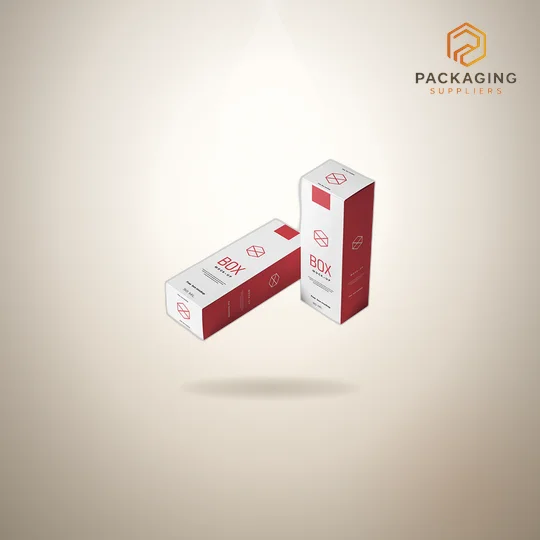
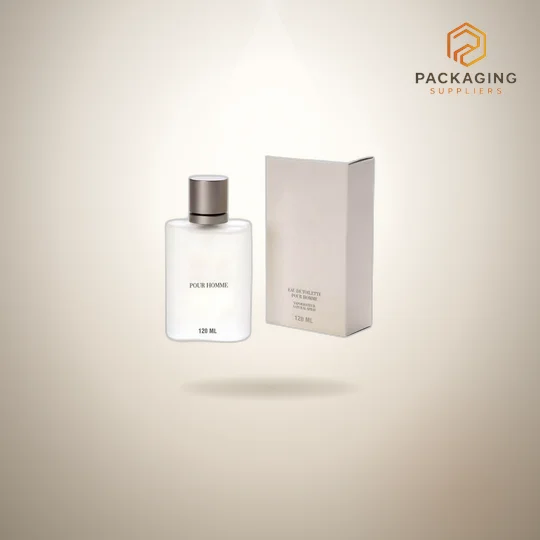
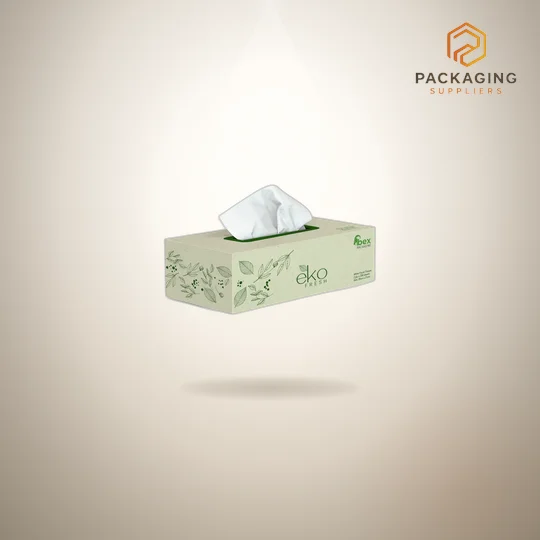
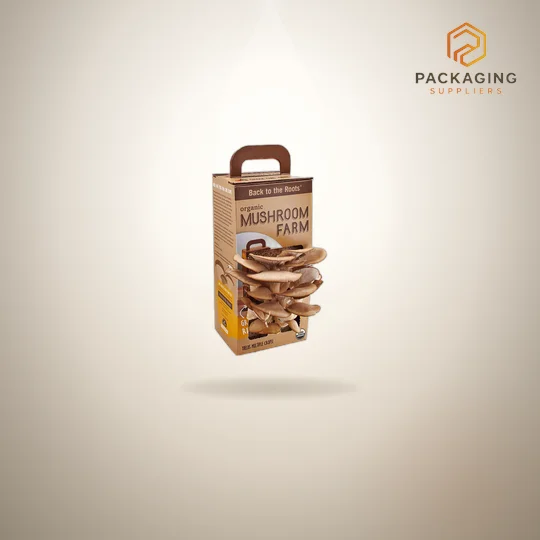
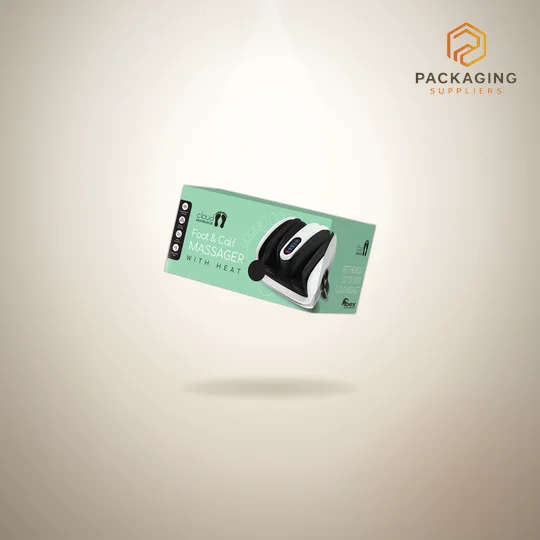
Retail packaging is designed for products that sell from a shelf, peg, or counter display, where the box has to protect the product and market it at the same time. Order tuck-end cartons, window boxes, hanging-tab packaging, and shelf-ready cases sized to your product and your retailer’s shelf specs.
Configure & Order
Shop Retail Packaging by Box Style
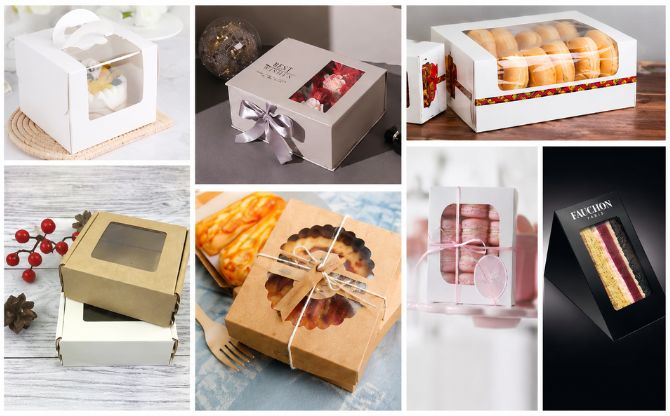
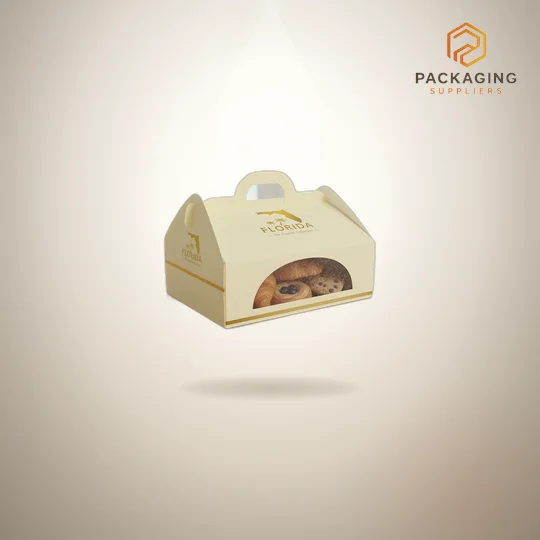
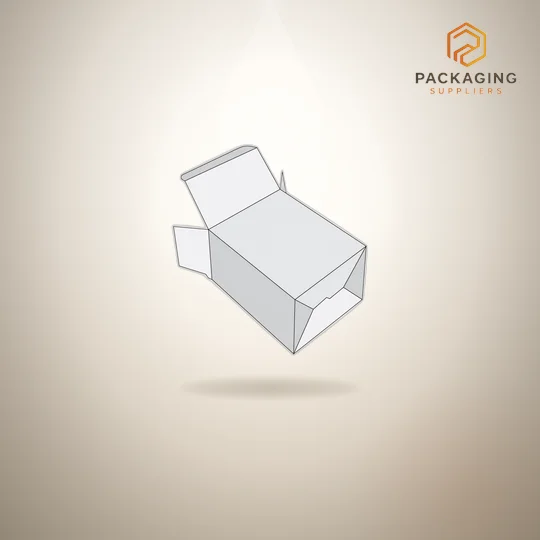
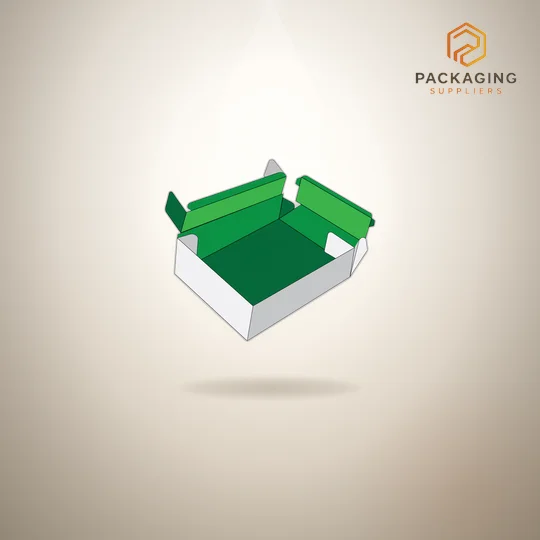
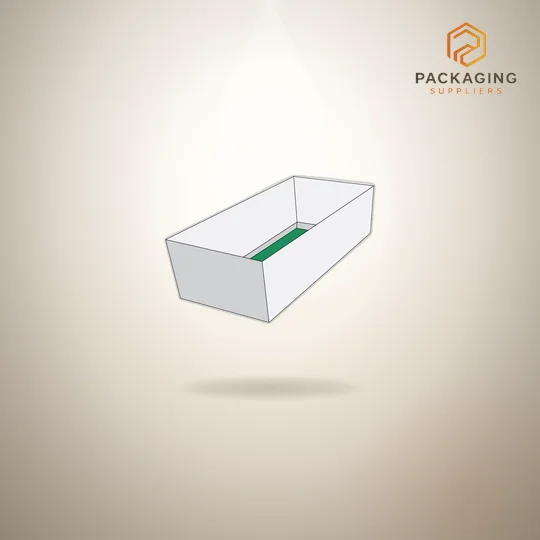
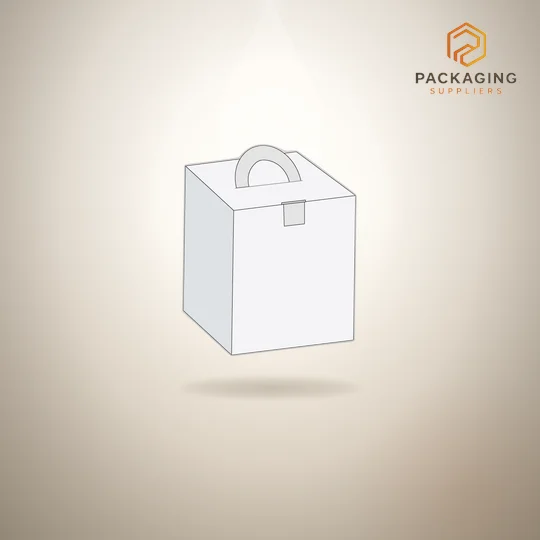
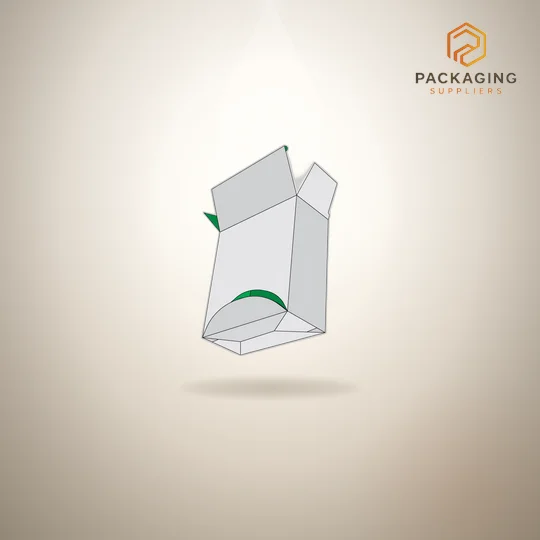
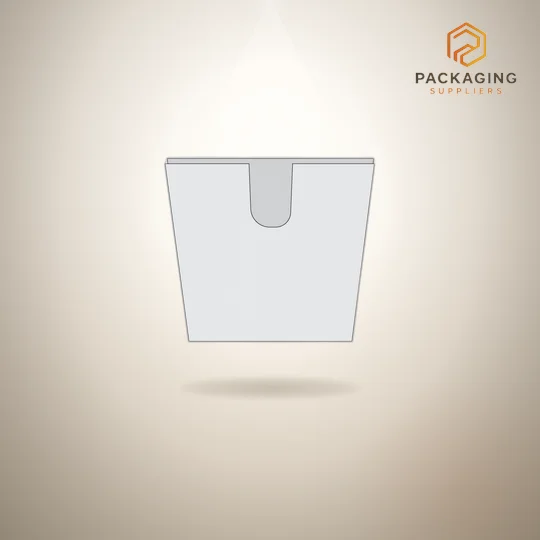
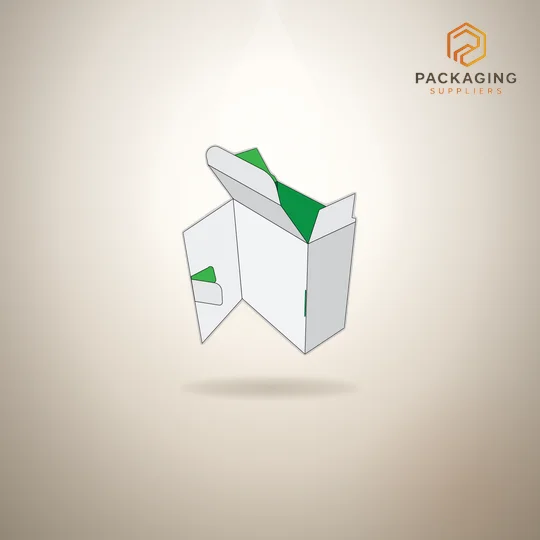
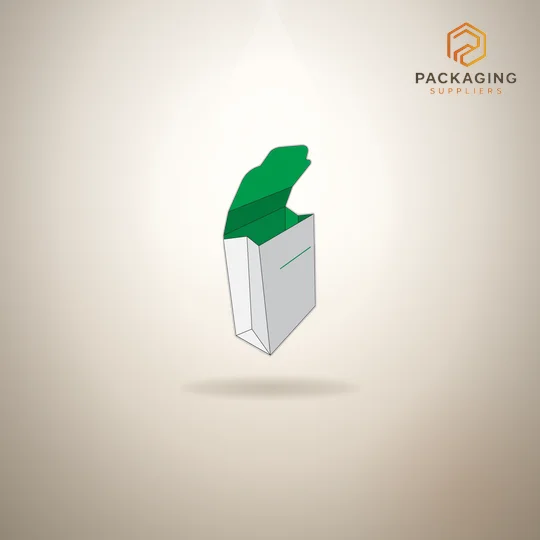
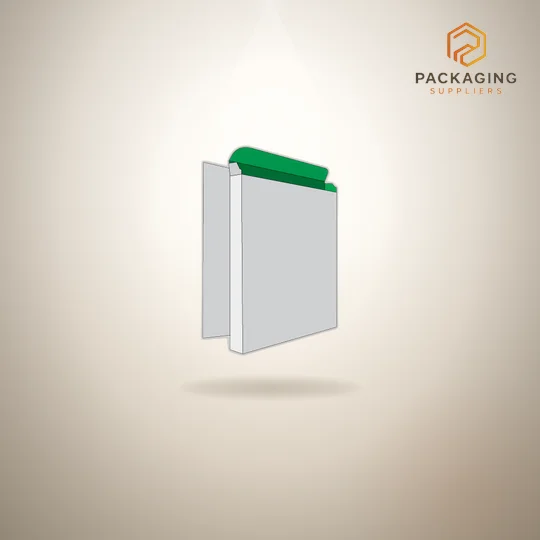
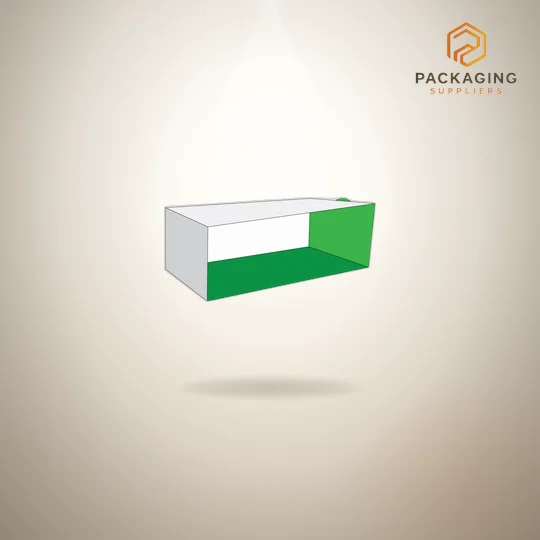
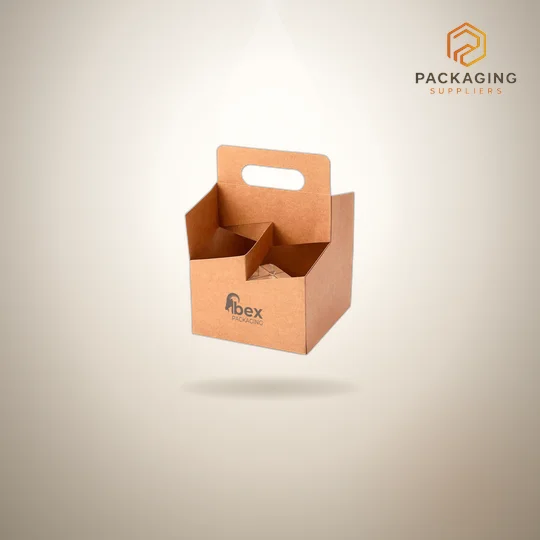
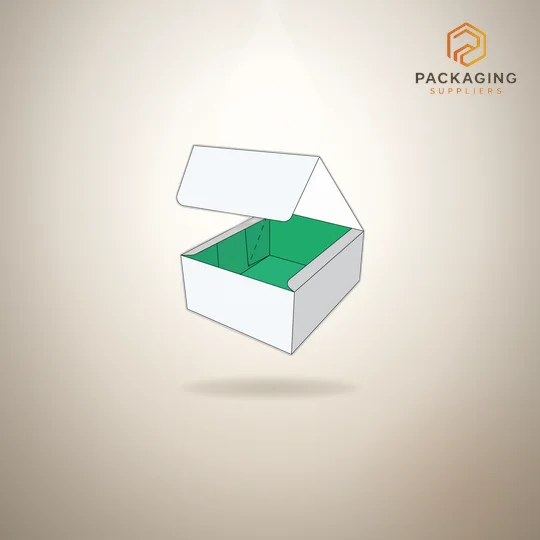
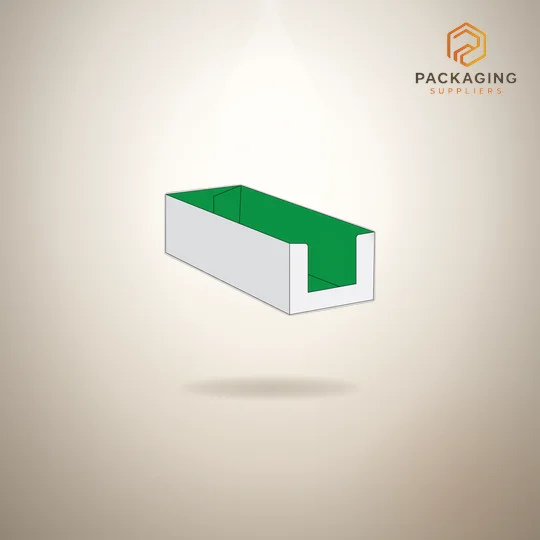
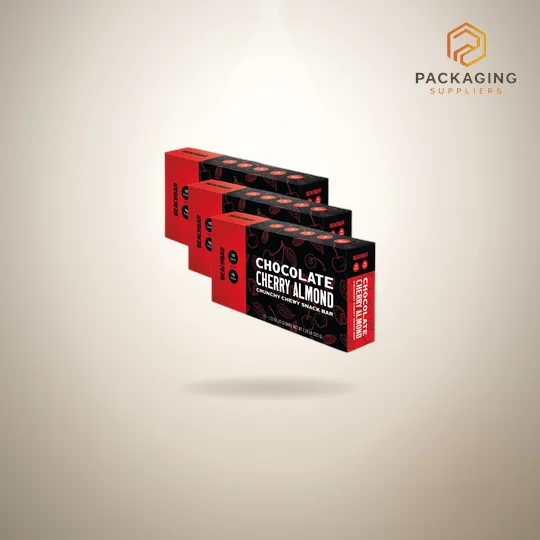
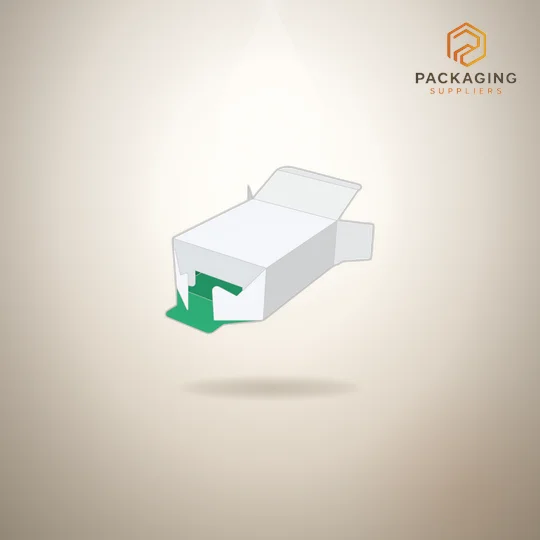
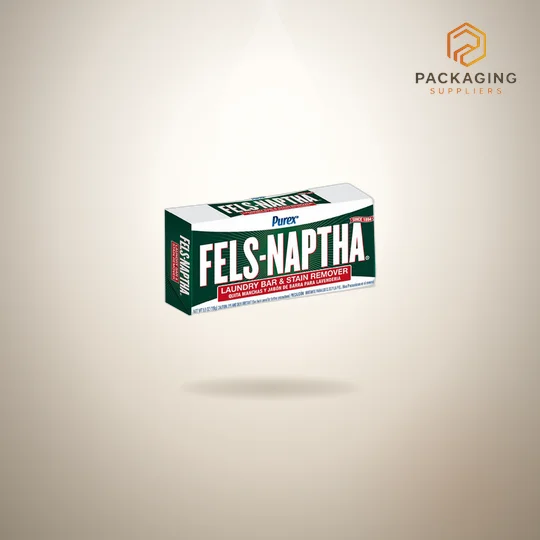
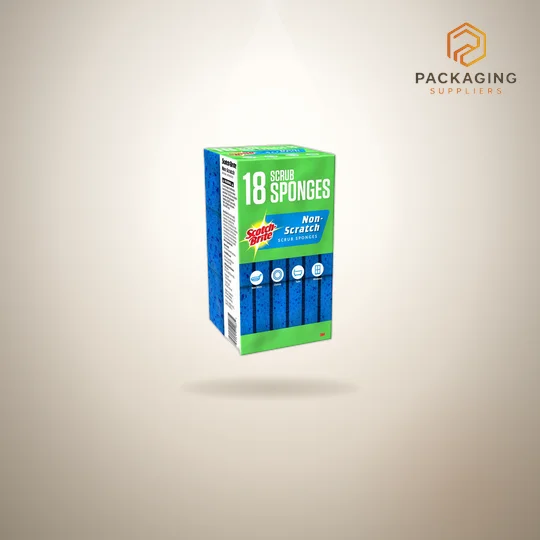
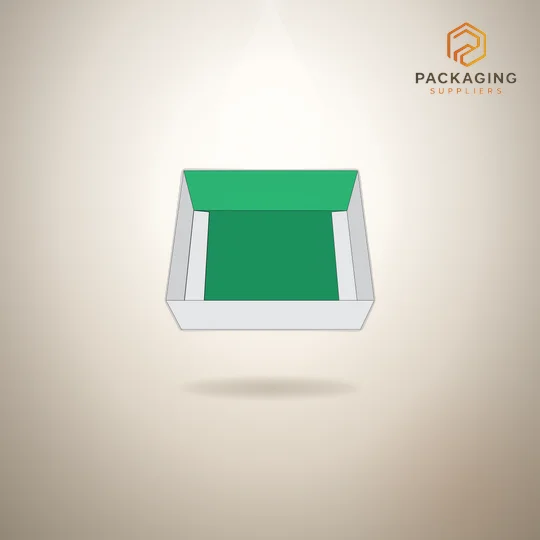
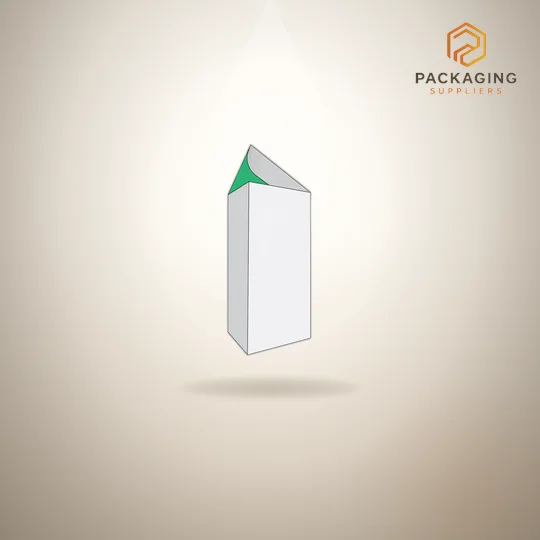
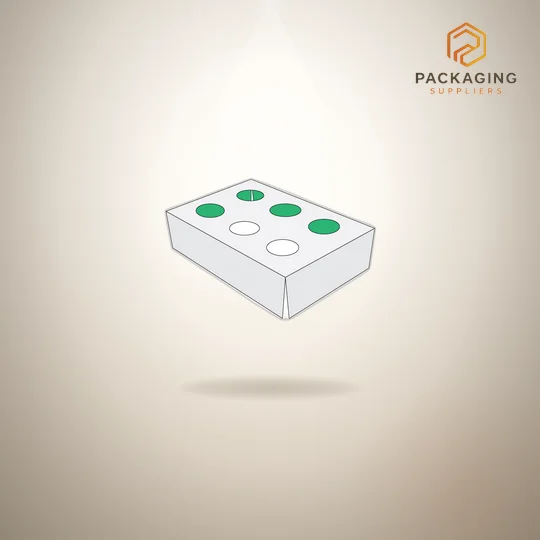
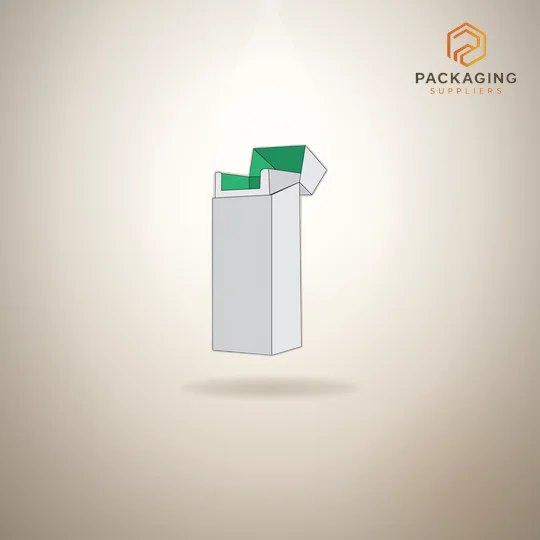
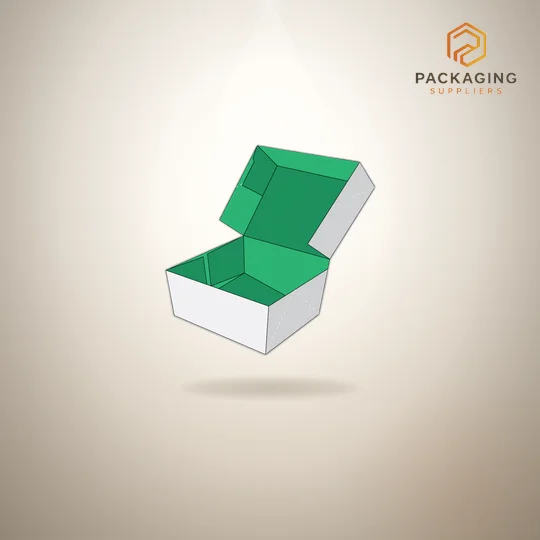
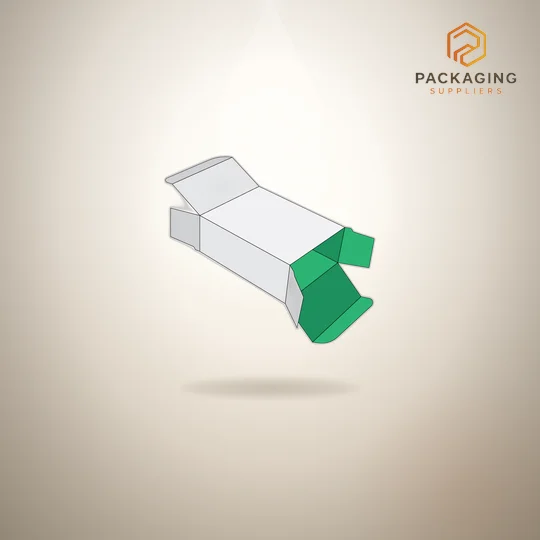
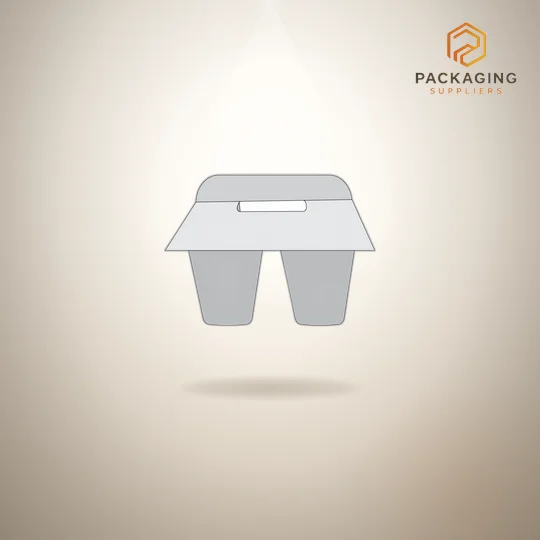
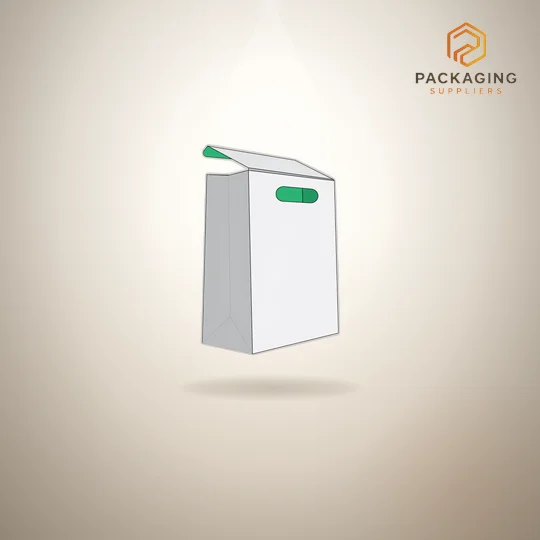
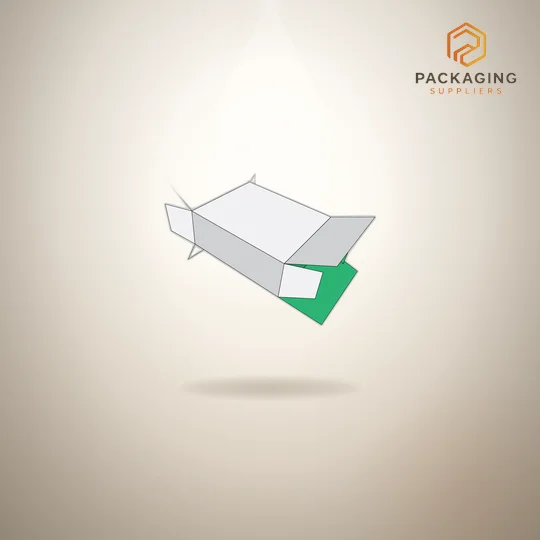
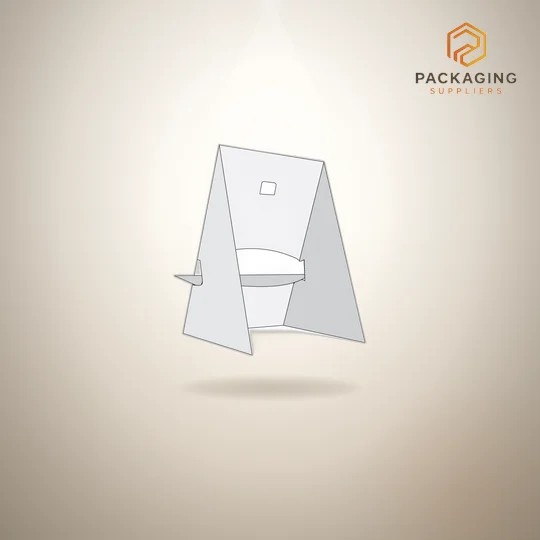
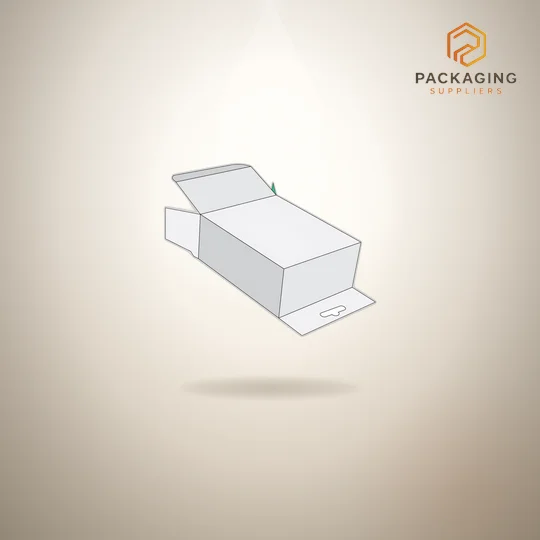
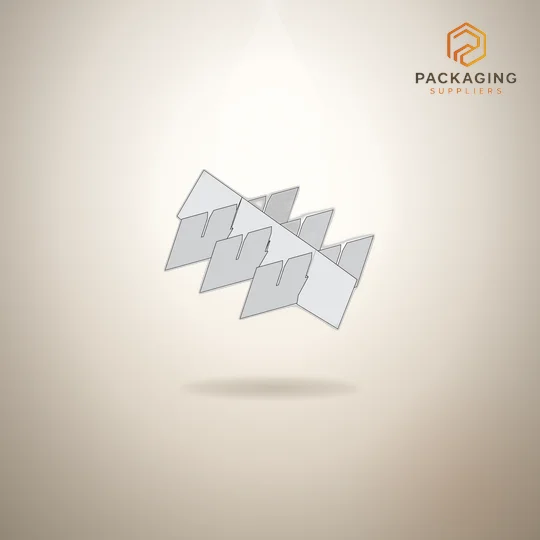
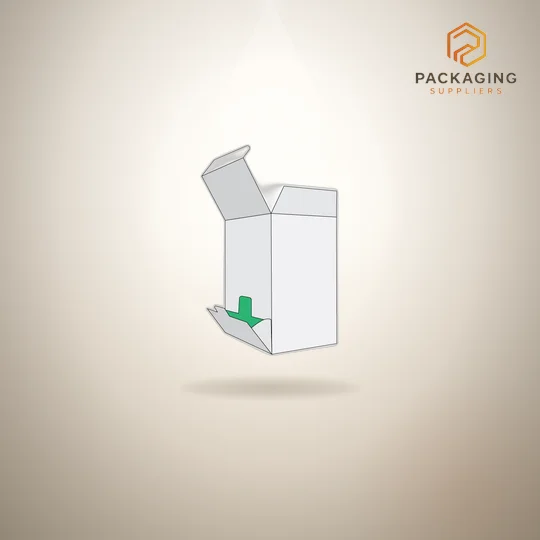
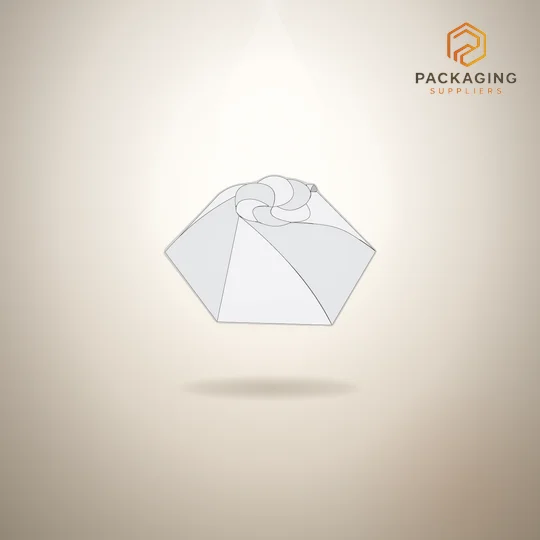
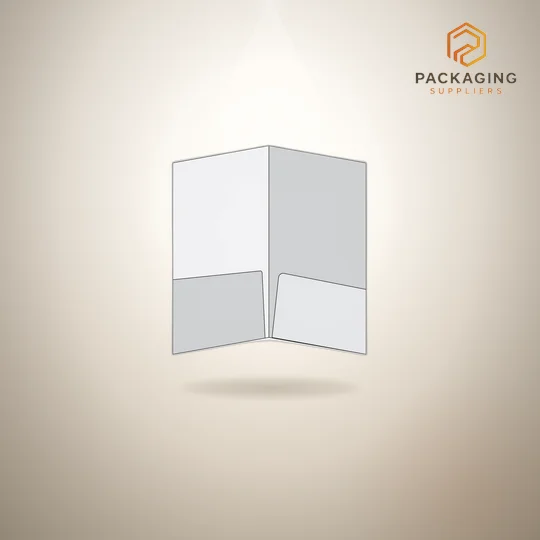
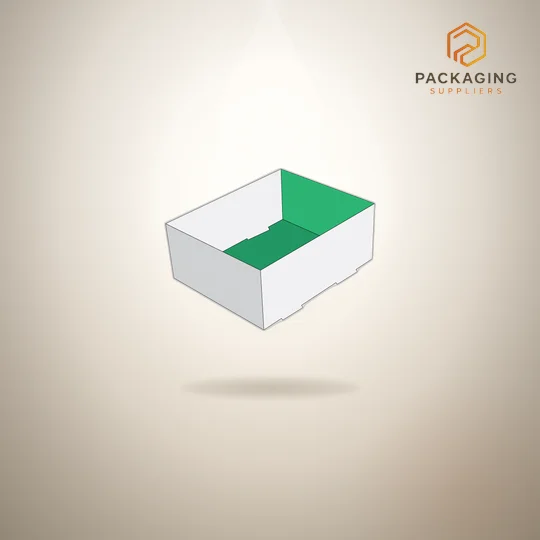
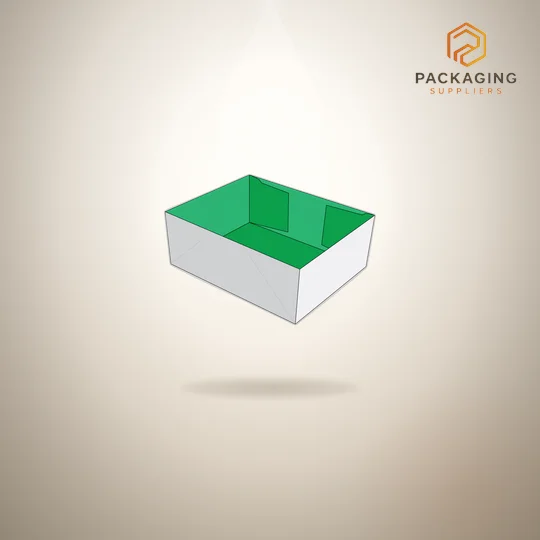
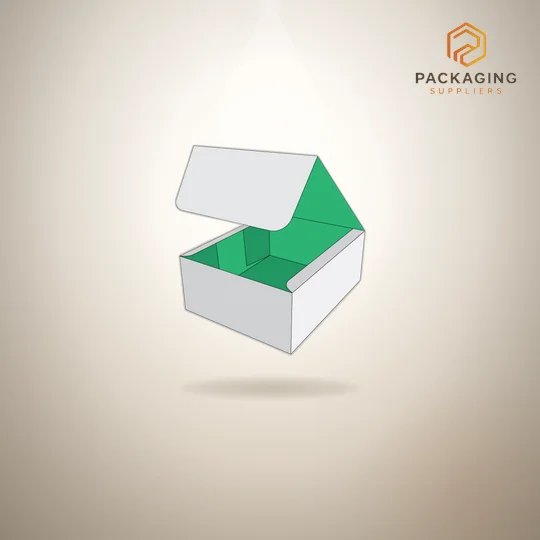
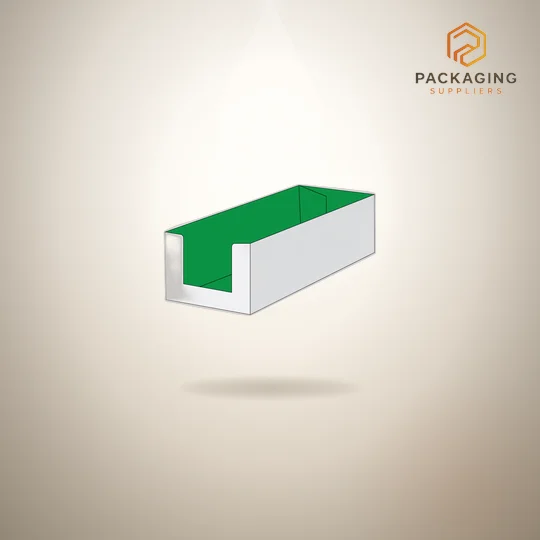
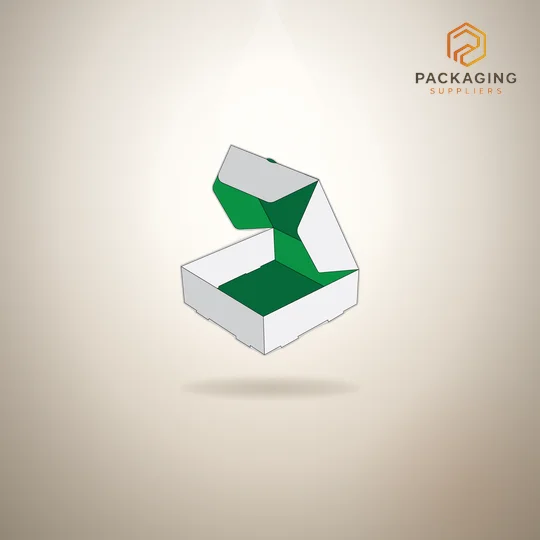
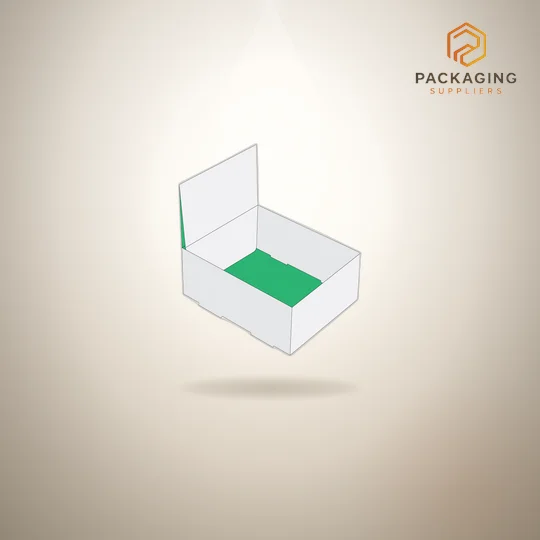
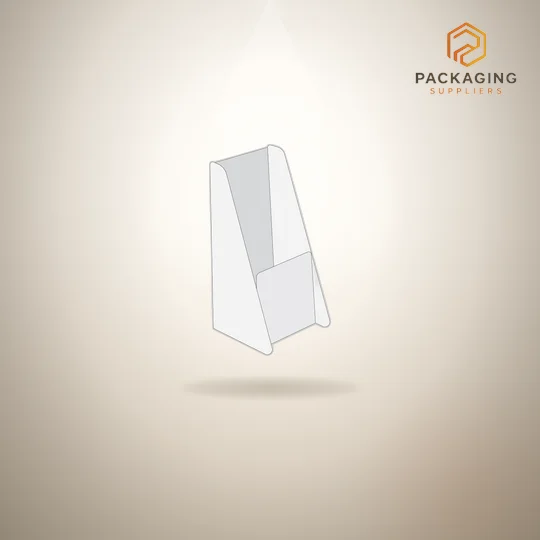
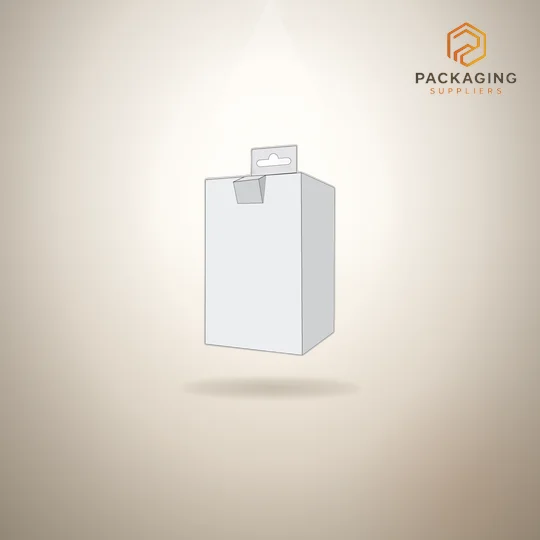
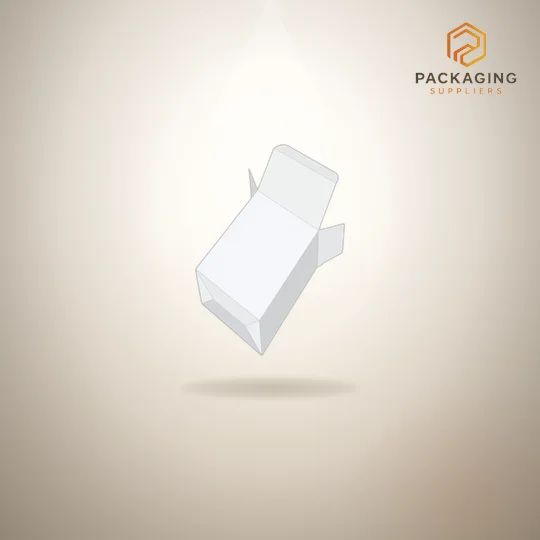
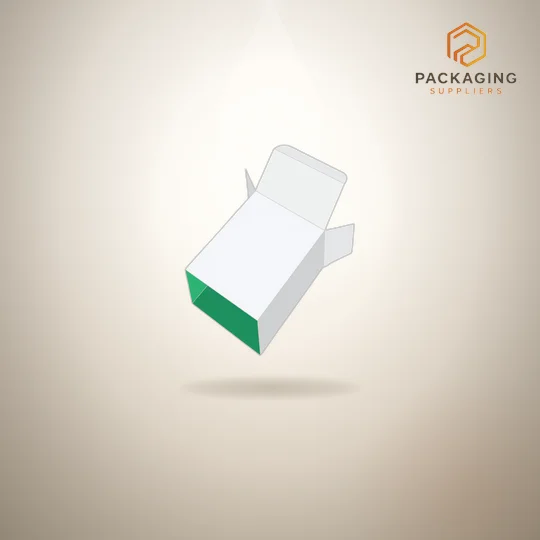
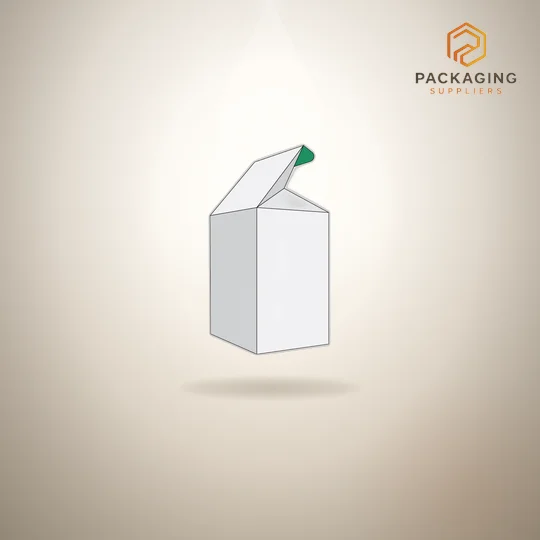
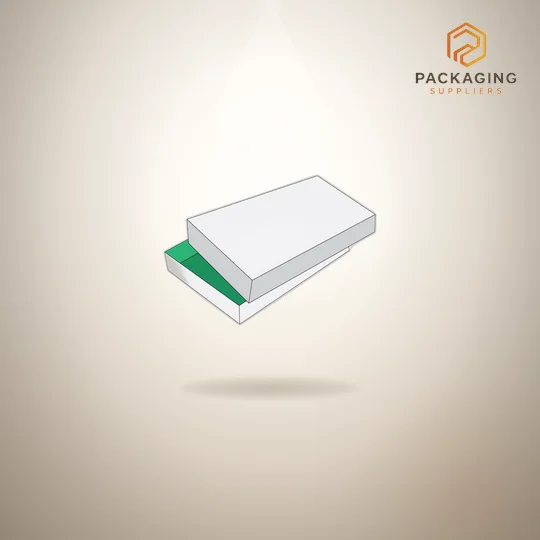
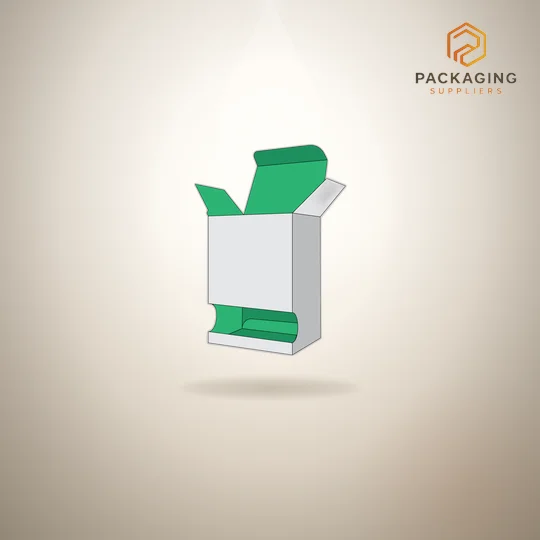
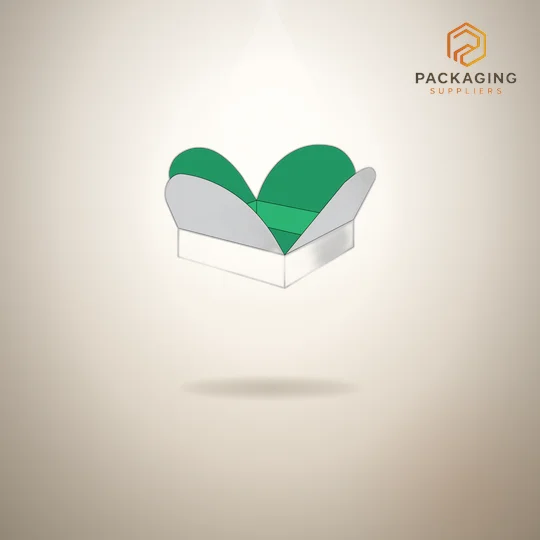
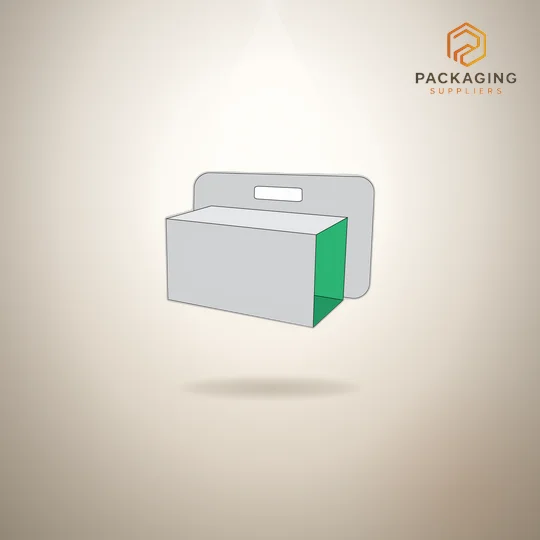
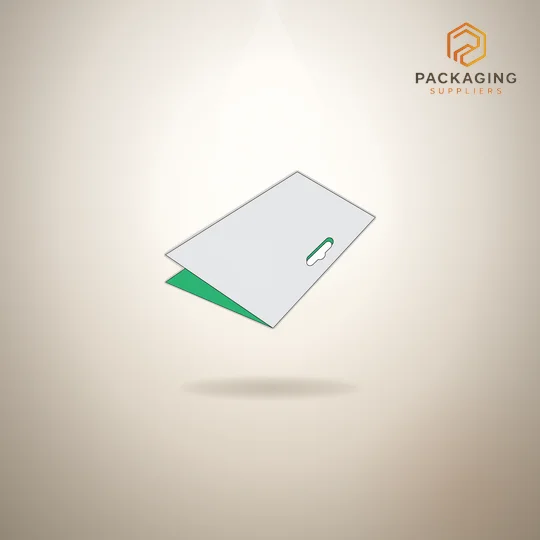
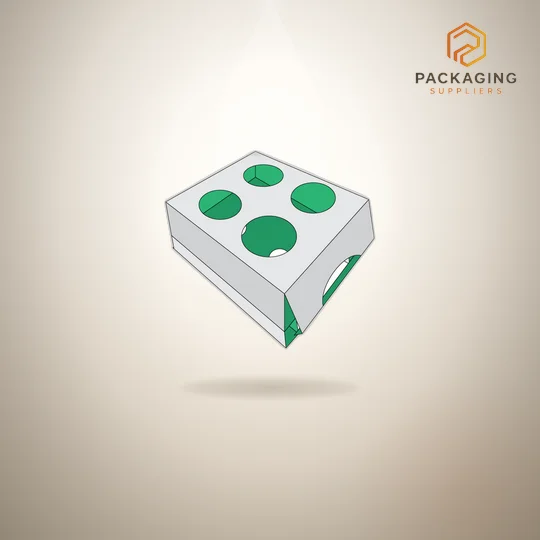
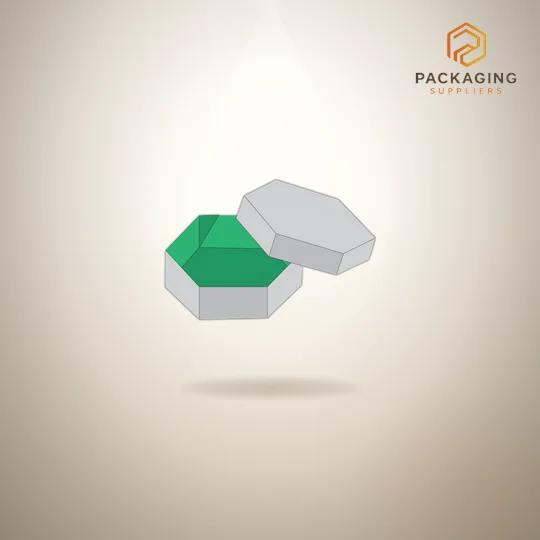
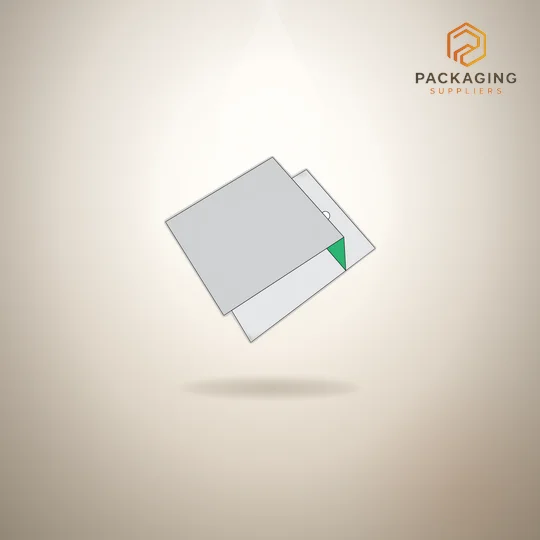
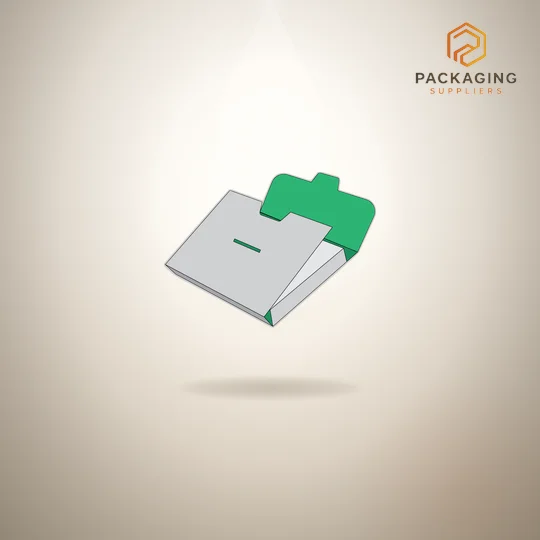
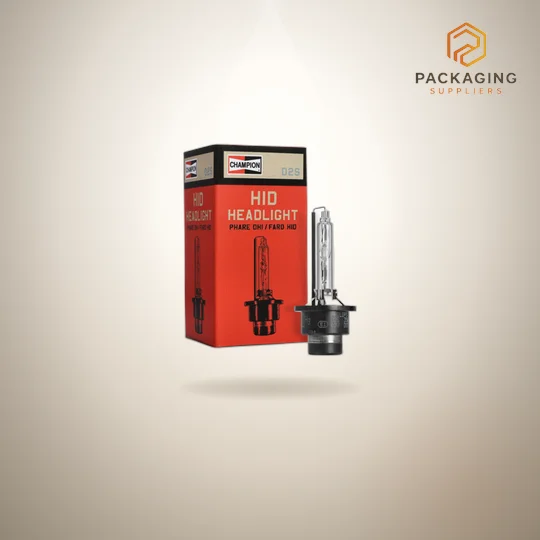
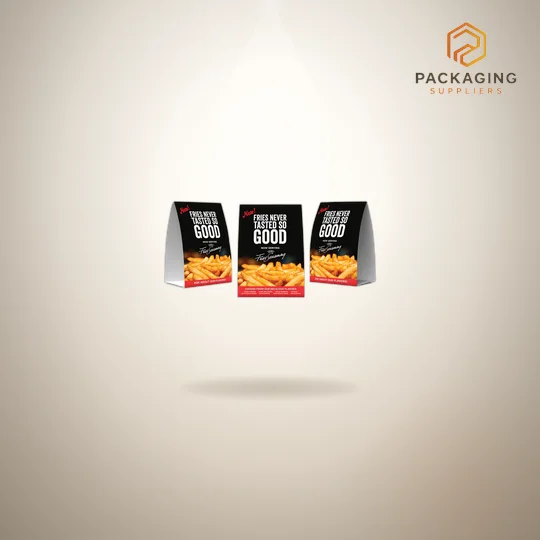
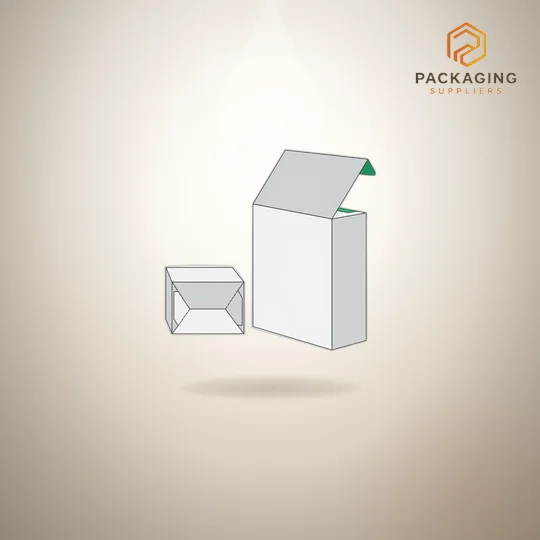
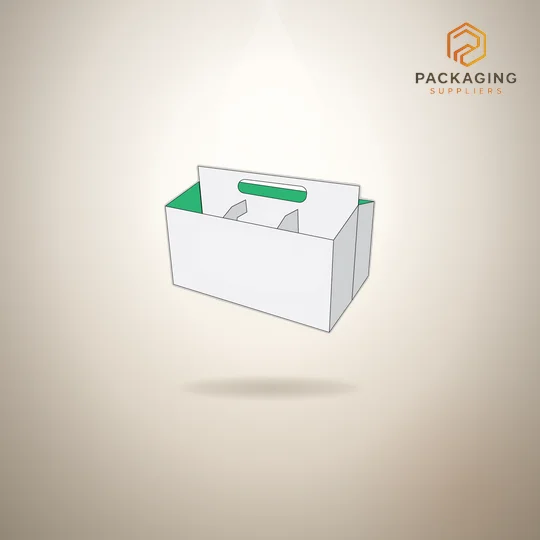
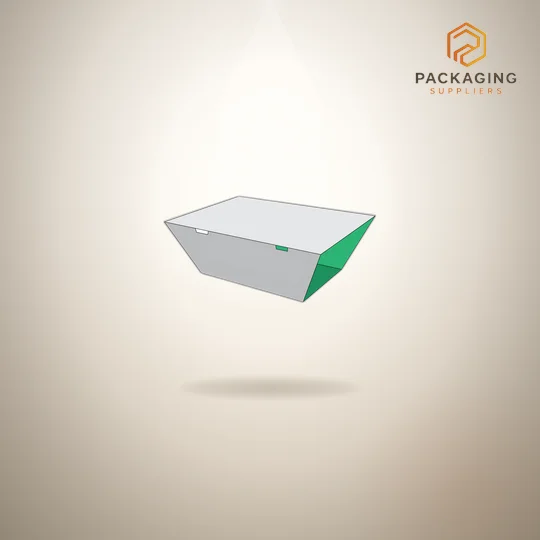
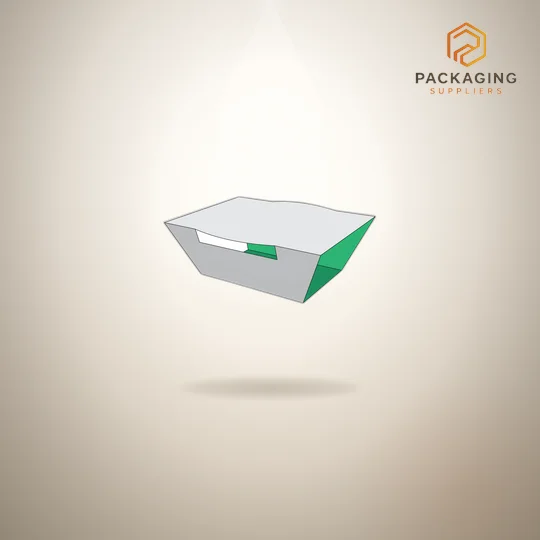
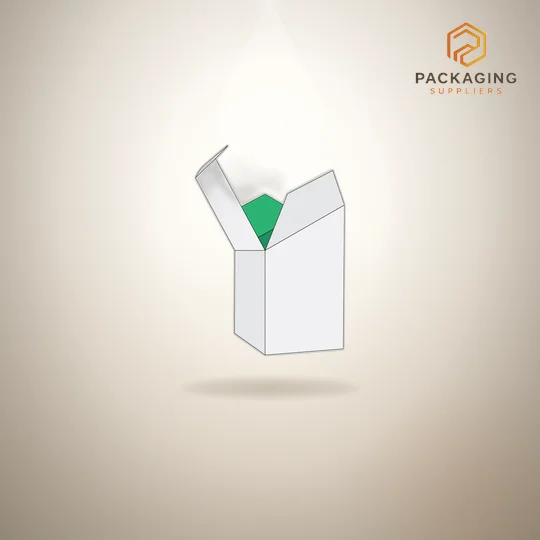
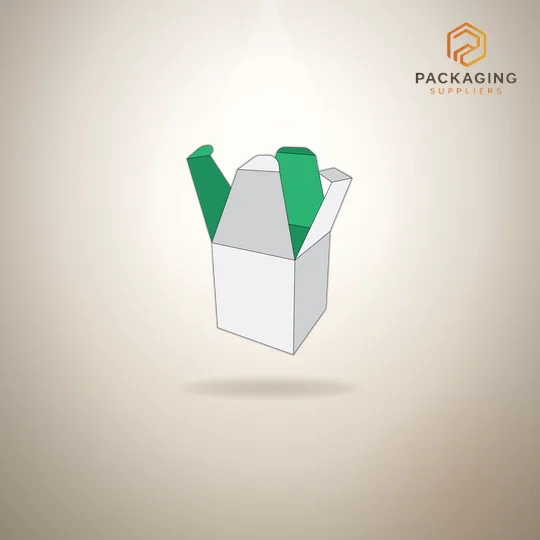
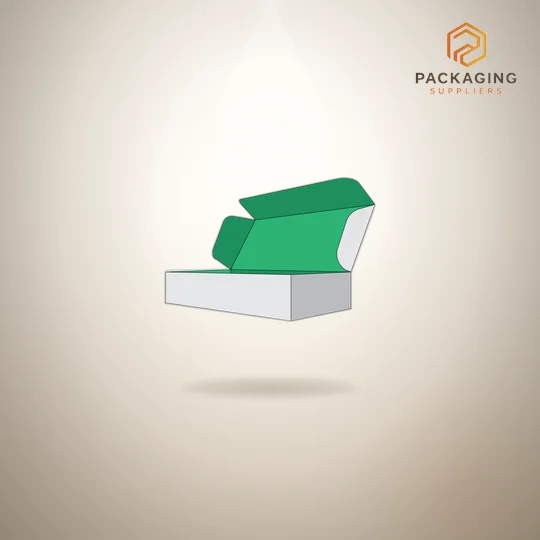
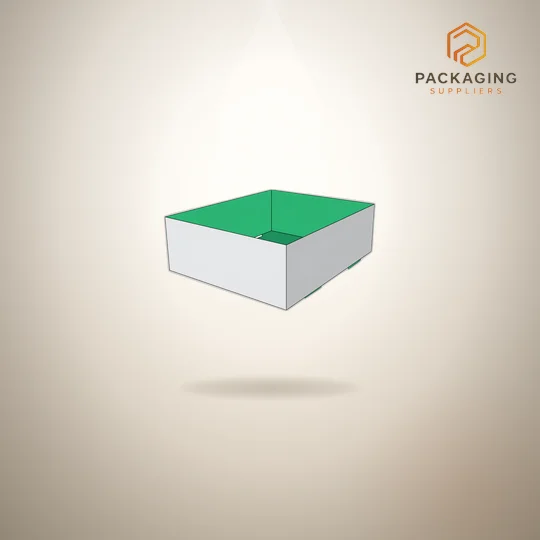
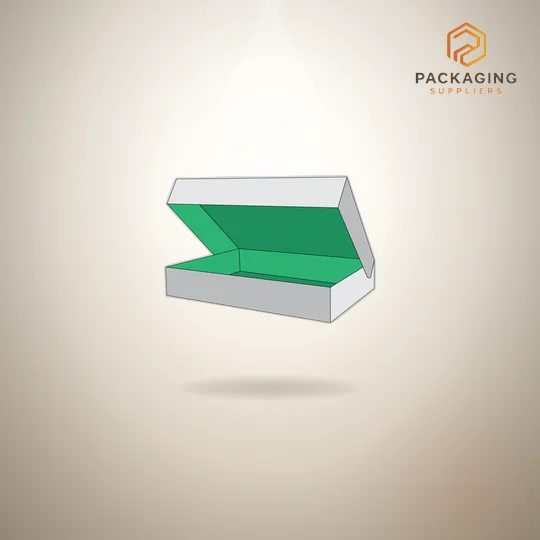
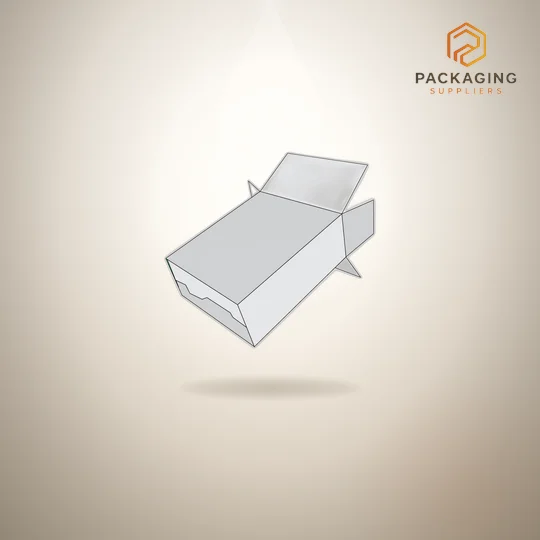
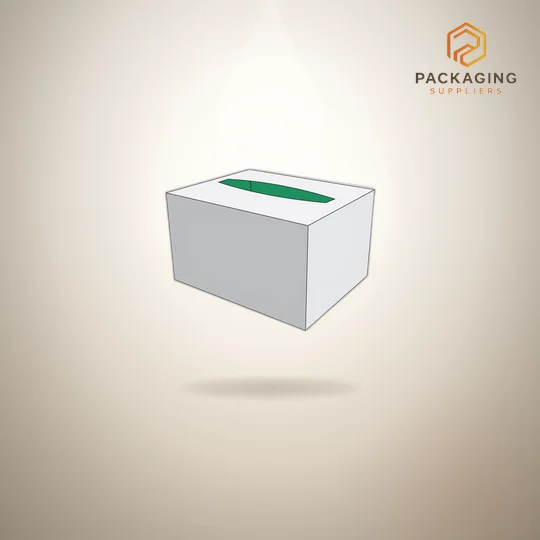
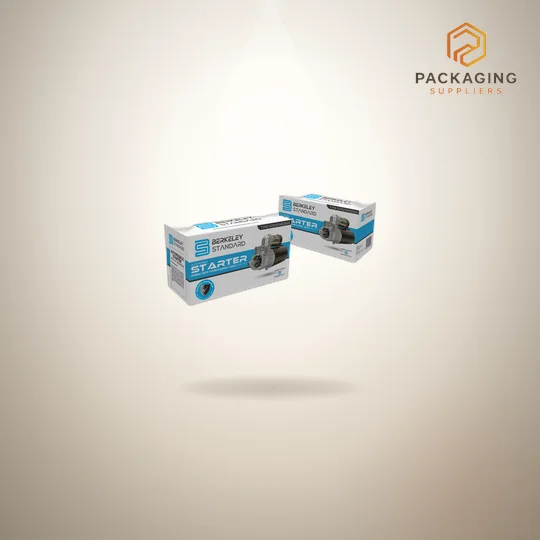
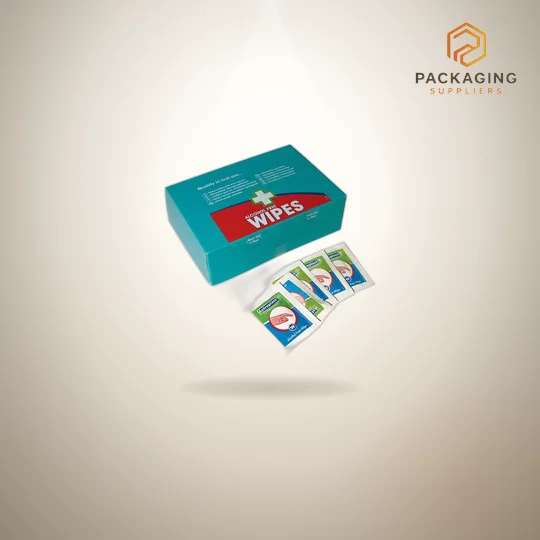
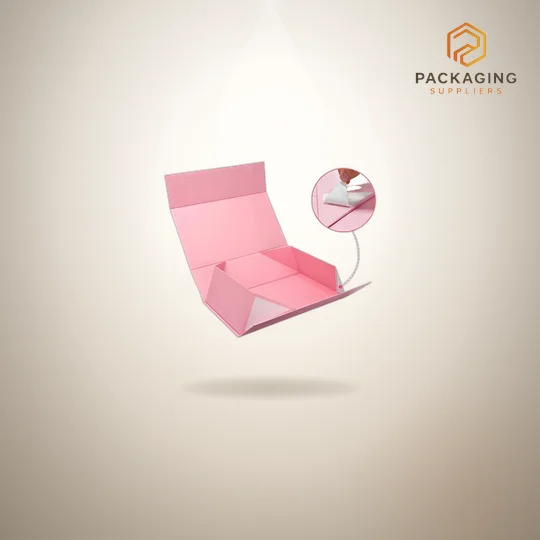
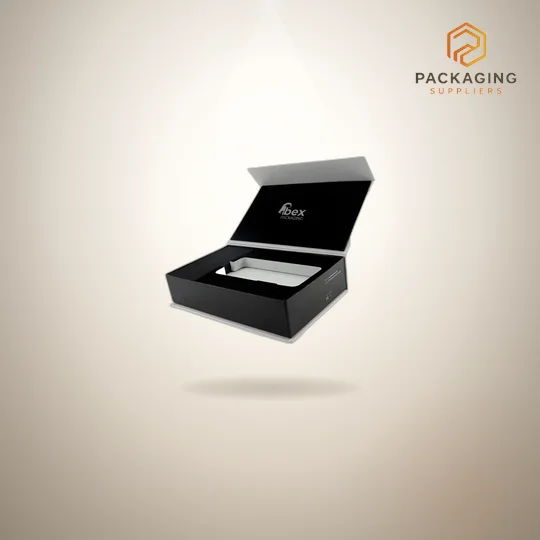
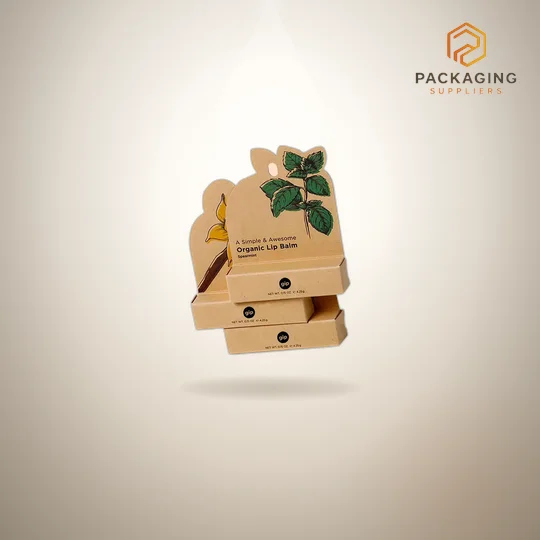
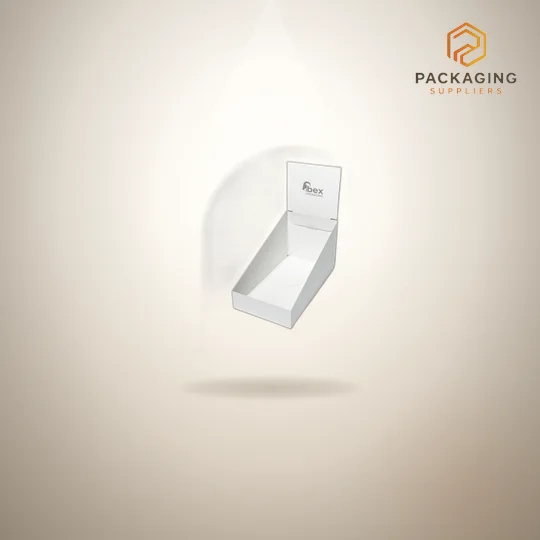
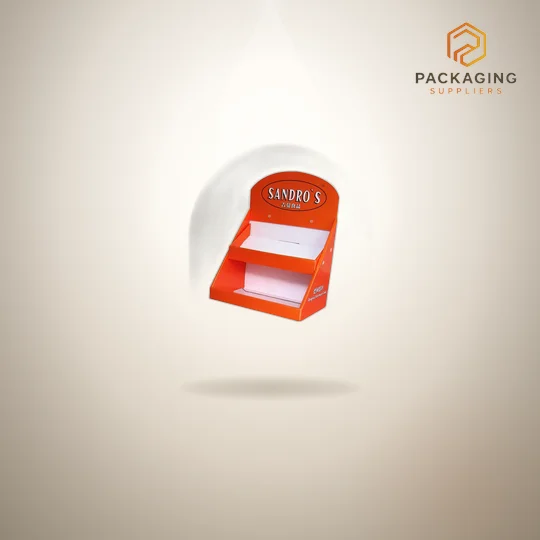
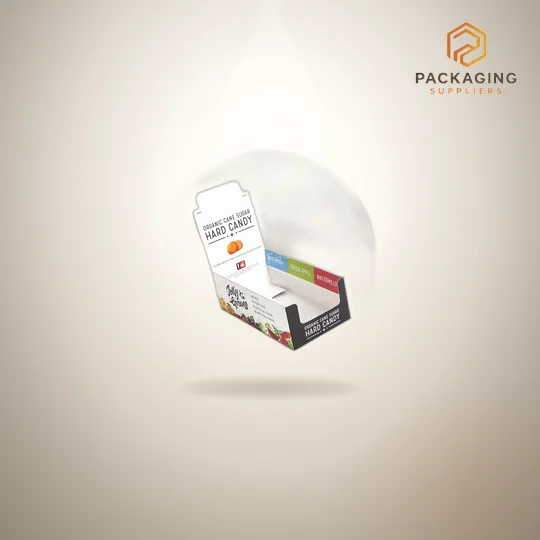
Below are retail box styles for shelf, peg, and counter placement, including tuck-end cartons, window boxes, hanging-tab packaging, sleeves, and shelf-ready cases. Each can be built to your product dimensions with printing, finishing, and structural options chosen to suit how and where the product is displayed.
Get A Free Quote
Fill in your specs — our team responds within 24 hours.
🔒 SSL Secure · No spam, ever · Response within 24 hours

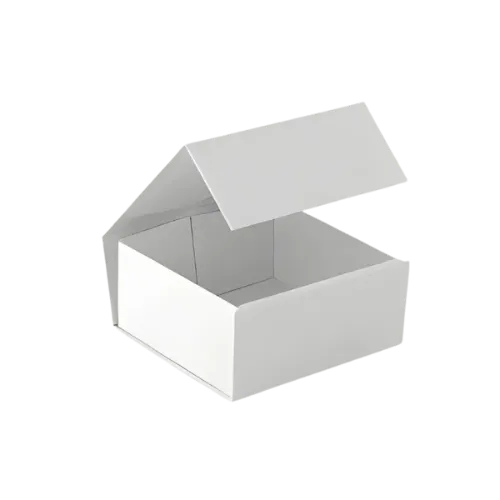
Folding Caron
Lightweight board for retail boxes and lighter products. Clean print surface, cost-effective at volume.
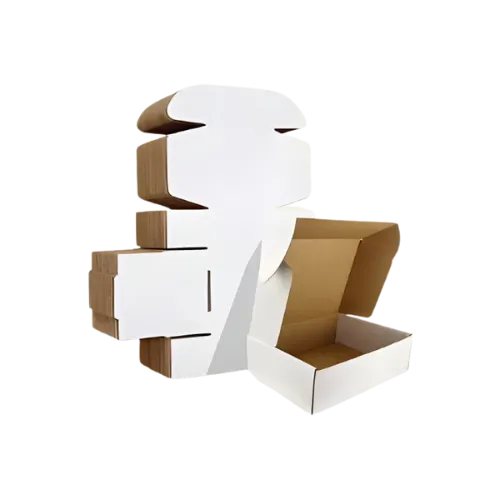
Corrugated
Fluted board with real crush protection in multiple flute grades. The workhorse for shipping and mailers.
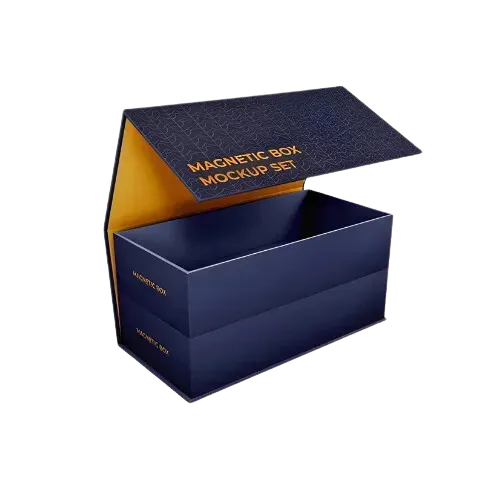
Rigid
Thick chipboard with a premium, weighty feel. Built for gift-tier and higher-priced products.
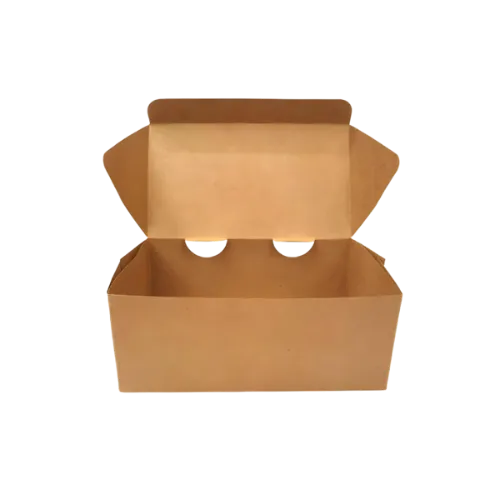
Kraft
Recyclable, natural-brown board with a tactile, unbranded feel. The default for eco-first brands.
Material
Stock Type and Thickness
A box is only as good as the board it’s cut from. Here are the four stocks we run; pick by how your product ships and how you want it to feel.
Why Choose Us
Present your small business as a Brand
You don’t need an enterprise budget to look like an established brand. We handle the structure, the print, and the finish so your packaging earns its place on the shelf and in the unboxing.
Packaging strategies
We help you pick the box, stock, and finish that fit your product and your margins. Not the most expensive option; the right one
Idea to Production
Bring a rough concept, or a competitor's box you want to beat. We turn it into a manufacturable design with real specs.
In-House Design & Artwork
Our designers build your dieline and artwork in-house. No outsourced middle layer, no guesswork on print-readiness.
Prototypes & 3D Mockups
See your box as a 3D mockup, then order a physical prototype before you commit to a full run.
Worldwide Delivery
We manufacture direct and ship to 100+ countries, with quality checked before anything leaves the floor.
Free & Reliable Shipping
Free shipping on bulk orders, tracked to your door, on the turnaround we quote.
retail Packaging Guide
Custom Retail Packaging & Shelf-Ready Boxes
A retailer does not just sell your product. They pay staff to unpack it, price it and stack it, and that labour cost is part of how they judge whether stocking you is worth it. Packaging that arrives ready to place on a shelf removes most of that cost, which is why large retailers increasingly specify it rather than request it.
Custom retail packaging and shelf-ready boxes built to your product and to your retailer’s specification, from folding cartons through to display-ready corrugated shippers, with no minimum order and wholesale pricing at volume.
Retail Boxes Built to Your Product and Your Buyer
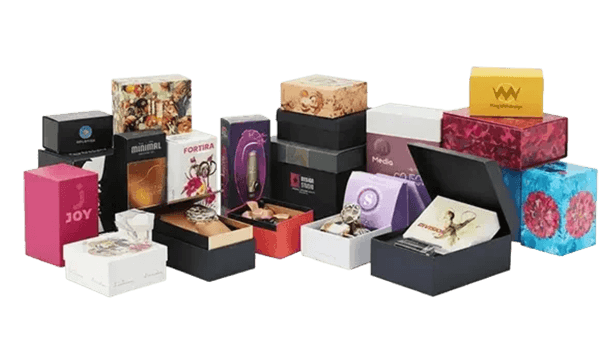
The retail range below can be built to your own dimensions in cardboard, corrugated, kraft or rigid stock. Order a single sample to check the fit and the print, or wholesale quantities with volume pricing. Retail packaging sits across most of what we make — it is the shelf-facing end of our Cosmetic Boxes, Food Packaging, Electronics Boxes and CBD Boxes ranges, and if you already know your industry those pages are the faster route in.
Shelf-Ready and Retail-Ready: What Retailers Actually Require
Shelf-ready packaging, often abbreviated to SRP and also called retail-ready packaging or RRP, is packaging designed to travel from the delivery vehicle to the shelf without being unpacked and repacked. The outer case either becomes the display or opens in one motion to reveal products already faced and organized.
Four things define a genuine SRP unit rather than a box with a nice print. It has to be easy to identify, so staff can find the right case quickly. Easy to open, ideally without a knife. Easy to shelf, meaning it fits the shelf depth and standard planogram spacing. And easy to shop, so the product is visible and reachable once the case is in place. A box that fails any one of those is not shelf-ready regardless of what it is called.
The commercial argument is short. Shoppers make a purchase decision at shelf in roughly three seconds, and a case that arrives already faced puts your branding in front of them instead of sitting in a stockroom waiting for someone to unpack it.
Get the Retailer's Specification Before You Design
This is the single most expensive mistake in this category, and almost no supplier warns about it.
Every major retailer publishes its own SRP guidelines, and they are not interchangeable. They typically cover case dimensions against shelf depth, how much of the front panel must be removed for the product to be visible, minimum print and barcode requirements, how the case must open, and how it stacks on a pallet. A case built to one retailer’s specification can be rejected by another.
So the sequence matters. Request the specification from your buyer before artwork begins, send it to us with your product dimensions, and we build the dieline around it. Redesigning after a rejection costs the tooling, the run and usually the launch window. If you are selling into several retailers, tell us all of them at the start — it is often possible to design one case that satisfies multiple specifications, but only if that is a design input rather than an afterthought.
Tear Strips, Perforations and One-Motion Opening
How the case opens is a structural decision made at dieline stage, not something added later.
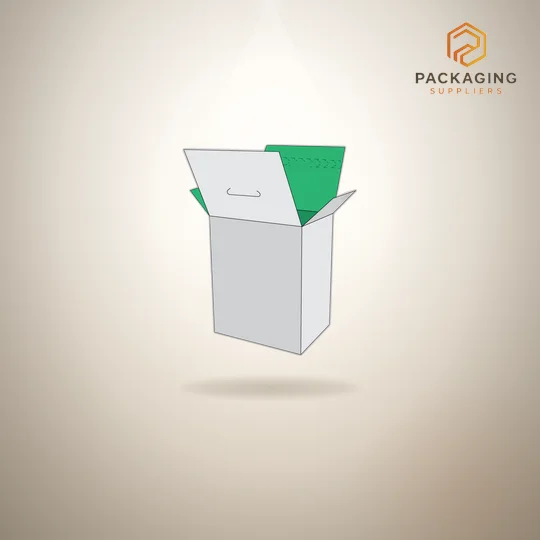
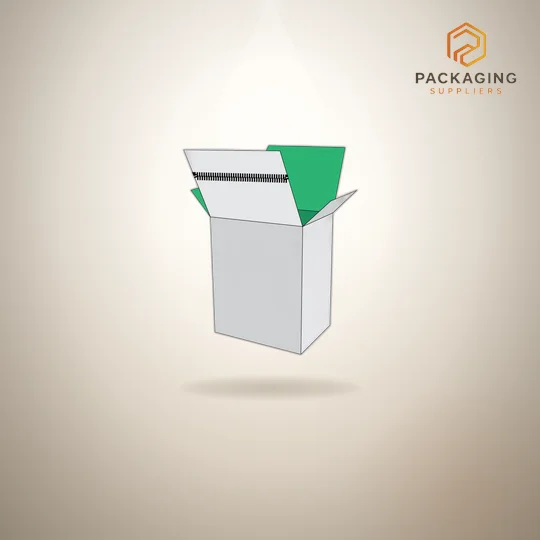
A perforated tear-away front is the most common approach. The case ships as a closed box, and a line of perforations lets staff remove the front and top panels in one motion to leave a tray holding the product. A zipper or tear-strip closure does the same job with a pull tab, which is faster and leaves a cleaner edge. A lift-off lid design suits heavier products where tearing would compromise the remaining structure.
The detail worth getting right is where the perforation sits relative to the product. Too high and the product is hidden behind a wall of board. Too low and the tray no longer holds the product upright. Send us the product height and how many units sit in each case, and the tear line gets positioned to leave the right retaining wall.
Shipper to Display: Packaging That Converts
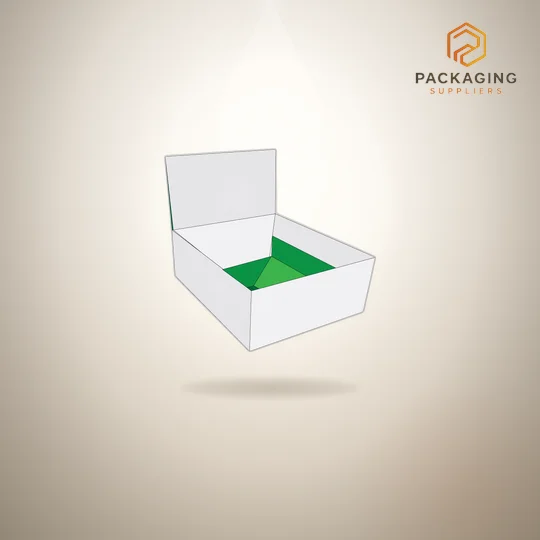
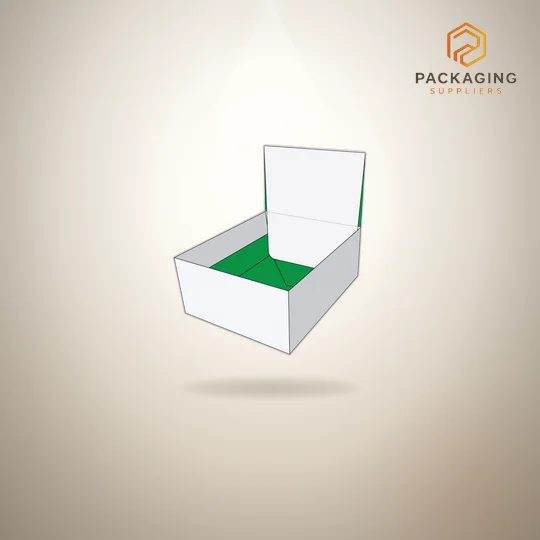
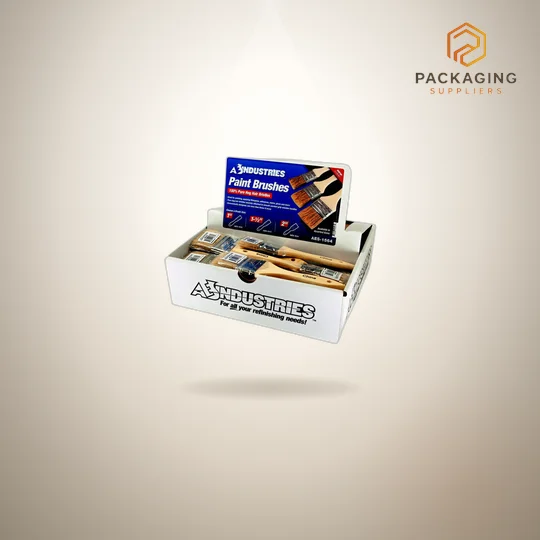
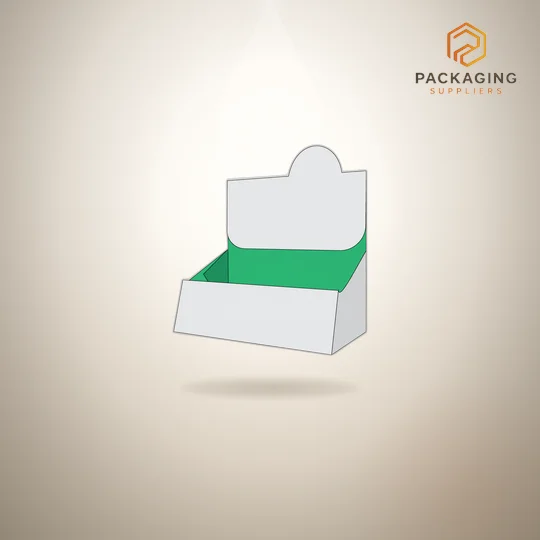
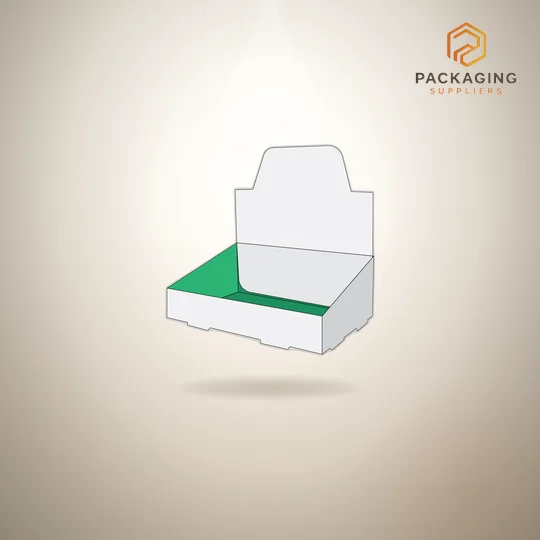
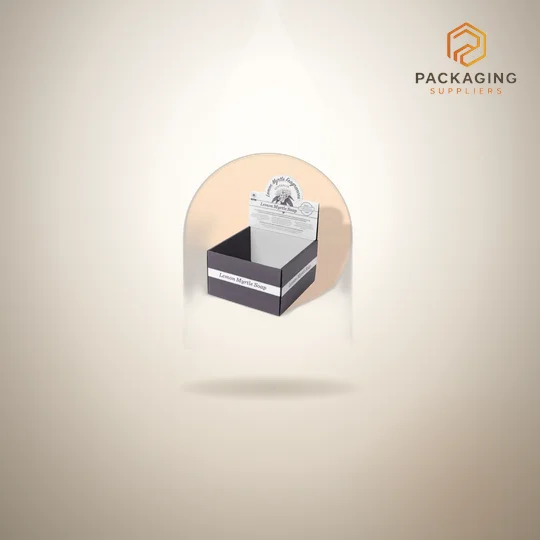
A display-ready corrugated shipper does two jobs from one build. It protects the product in transit like an ordinary case, then converts into a shelf or counter display when the front is removed. That saves the retailer a stocking step and saves you the cost of producing separate transit and display packaging.
The trade-off is that the board has to be strong enough for transit and printable enough for display, which usually means a corrugated grade with a good outer liner rather than the cheapest available. Edge-to-edge printing on the panels that remain after opening is what makes the difference between a converted shipper that looks deliberate and one that looks like a torn box.
Pegboard Hanging or Shelf Standing
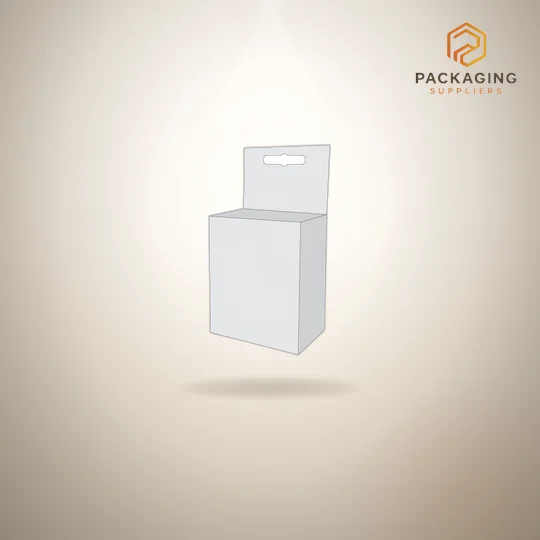
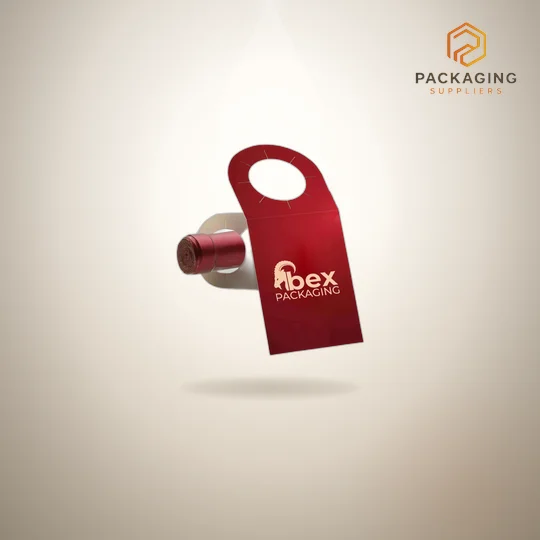
Smaller products often sell from a pegboard rather than a shelf, and that changes the carton. A hanging carton needs a header area above the product and a die-cut hang hole, most commonly a euro slot or a round punch, positioned so the weight of the full pack does not tear through the board.
The practical rule is that the hang hole needs enough board above it to carry the loaded weight, and heavier products want a reinforced header or a heavier caliper rather than a bigger hole. Tell us the packed weight and we will specify it. A carton designed for shelf standing will not simply accept a hole punched in the top.
Board Choice for Shelf Life and Handling
Retail packaging gets handled far more than shipping packaging. Customers pick it up, examine it and put it back, sometimes for weeks before it sells, so scuffing and edge wear show in a way they never do on a transit box.
SBS paperboard is the standard for folding cartons here, commonly in 18pt, 24pt and 28pt calipers depending on product weight and how much rigidity the face needs. Corrugated is used where the case doubles as the shipper or where the product is heavy. Lamination is worth specifying on anything with a long shelf life or a dark solid color, because matte and gloss laminates both resist the fingerprint marking and scuffing that make a package look old before it sells.
Not sure which spec fits your product? Talk to our packaging team and we’ll help you choose board, size, and finish.
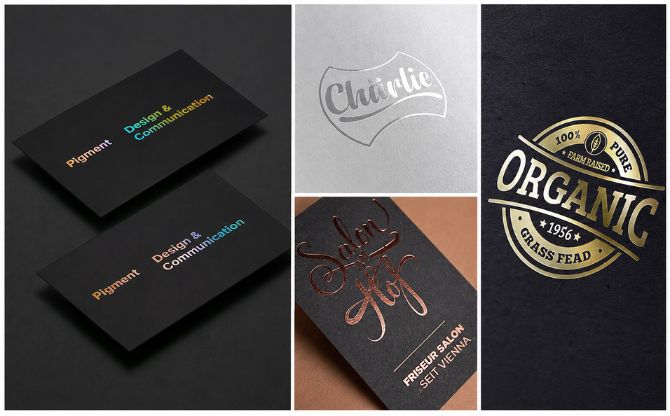
Foil Stamping
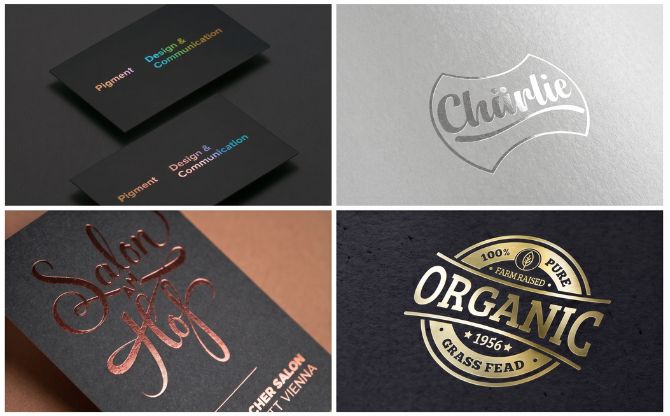
Add a metallic or holographic sheen to your logo or key elements. Foil catches the light and signals premium the second a customer picks up the box.
- Gold, silver, rose gold, holographic, and more
- Works on every box style and material
- Pairs cleanly with matte lamination
- No extra setup fee on standard foils
Emboss/Deboss
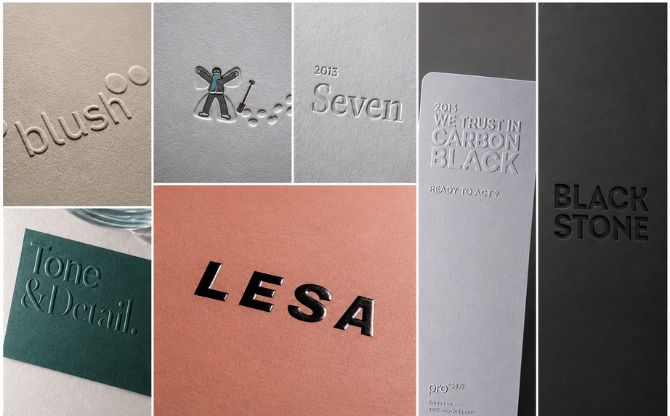
Press your logo or pattern into the stock for a raised or recessed texture customers feel before they read it. No ink; the impression does the work.
- Single-level or multi-level dies
- Works on Kraft, SBS, and rigid stock
- Pairs with foil for a tactile, premium hit
- Best on uncoated and matte surfaces
Lamination
A protective film over the printed surface that locks in the finish and guards against scuffs, moisture, and handling.
- Matte for a soft, muted look
- Gloss for high shine and color pop
- Soft-touch for a velvet feel
- Extends durability on shipping and retail boxes
Spot UV
A high-gloss coating on select areas: logo, title, pattern; for sharp contrast against a matte background.
- Gloss-on-matte contrast
- Highlights logos and key artwork
- Pairs with soft-touch lamination
- Registered precisely to your dieline
Custom Inserts
Fitted inserts that hold product in place, cut movement in transit, and control the reveal on opening.
- Foam, corrugated, or paperboard
- Cut to your exact product dimensions
- Protects fragile and multi-piece items
- Builds a deliberate unboxing sequence
Custom Styles
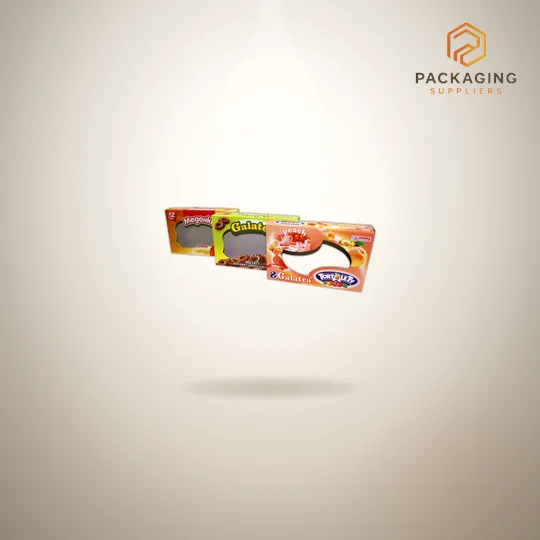
A cut-out with clear film so customers see the product without opening the box, built for retail shelves.
- PET or PVC film options
- Any shape, sized to your dielines
- Ideal for food, cosmetics, and gifts
- Balances protection with visibility
Unlimited Customizations
Every Detail, Your Way
Endless finishing options so your apparel packaging looks exactly how you imagined it — and then some.
Packaging Made Easy.
Four steps, no back-and-forth. Send your spec or a rough idea. We build the dieline and a 3D mockup for your approval, print and produce with a color check before the run, and ship to your door. You get one dedicated contact the whole way, someone accountable, not a ticket queue.
Customer Stories
Brands That Trust P&S
From boutique fashion labels to fast-growing DTC brands; here’s what our customers are saying.
“The magnetic closure boxes for our accessory line look absolutely stunning. The foil stamping on our logo is better than anything I’ve seen at twice the price.”
Michael Schmidt.
Founder, Bloom Apparel Co.
“We switched to P&S for our clothing boxes and the difference was immediate. Our customers now post unboxing videos without asking, says everything.”
Owner, STD Leather Co.
“As a shoe brand, I was nervous about minimums and quality. P&S had no MOQ and the shoe boxes arrived within time, perfect quality, every single time.”
CEO, Strider Footwear.
Common Questions
Frequently Asked Questions
Everything you need to know about ordering custom packaging.
Will the packaging hold up to customer handling in store?
Retail boxes get picked up, opened, and put back repeatedly. We match board thickness to product weight and can add lamination, which resists scuffing and fingerprints so the last box on the shelf still looks like the first.
Can I order retail packaging for a small first run?
Yes. There’s no minimum, so you can order a short run to test packaging in one store or at a market before committing to a larger production run for wider retail distribution.
Can retail boxes be printed with my branding and product information?
Yes. Digital and offset printing cover logos, ingredient lists, usage directions, and required labeling. Finishes like matte or gloss lamination, soft-touch, spot UV, foil stamping, and embossing help the box stand out next to competing products on a shelf.
What box styles work best for retail shelves?
Common styles include straight tuck-end and reverse tuck-end cartons for lightweight products, sleeve boxes for cosmetics and candles, window boxes when the product sells itself, and hanging-tab cards for pegboard displays. We’ll recommend a style based on your product’s weight and shape.
What's the difference between retail packaging and shipping boxes?
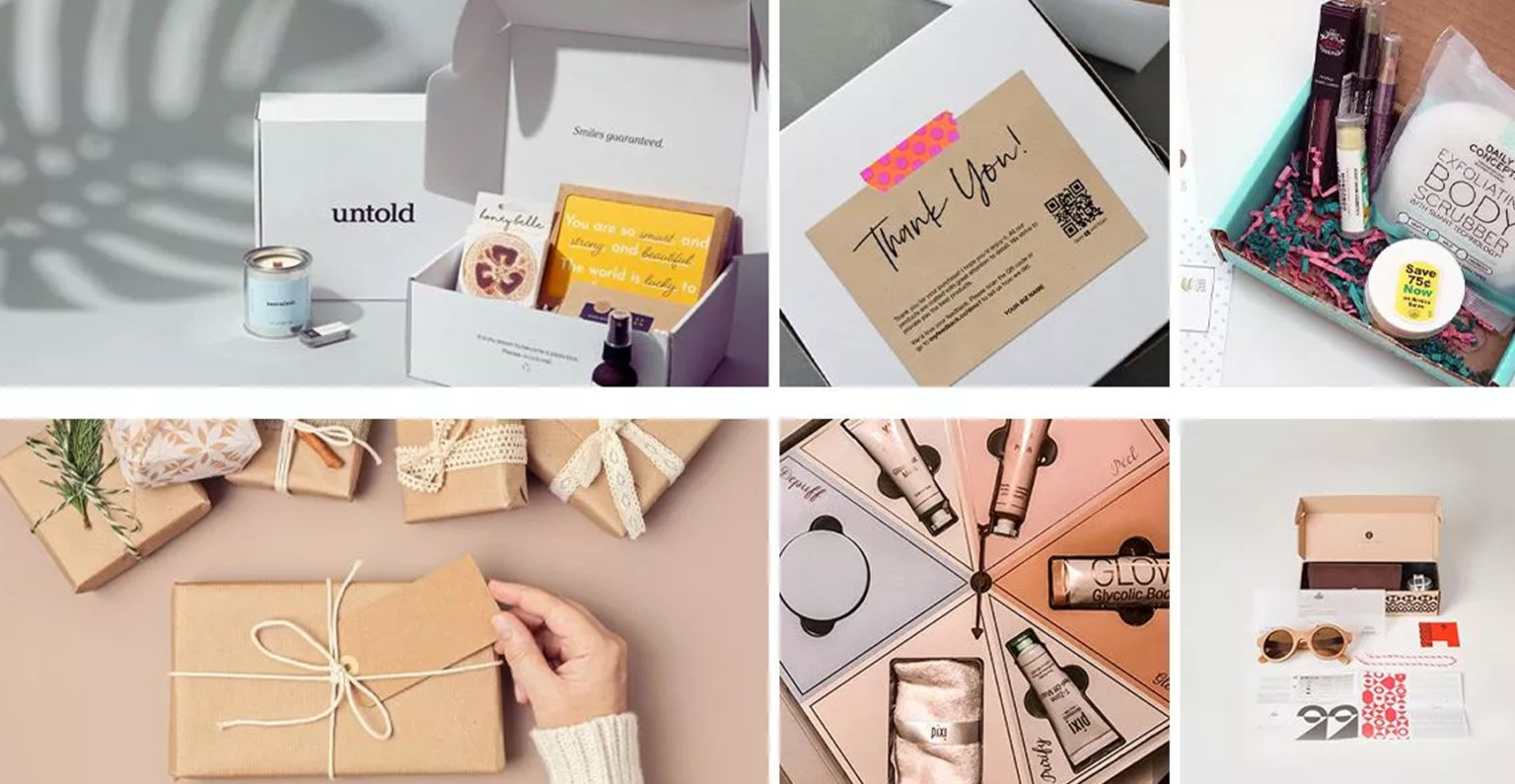
Retail packaging is what the customer sees and buys in-store, so it’s printed, finished, and sized close to the product. Shipping boxes are plain outer cartons built for transit. Many brands order both — retail boxes inside, mailers outside for online orders.
What products are retail packaging boxes used for?
Retail packaging is used for products sold in stores and boutiques — cosmetics, skincare, candles, supplements, snacks, electronics accessories, apparel, and cannabis products. Any item that sits on a shelf or counter where the packaging has to present the product and protect it.