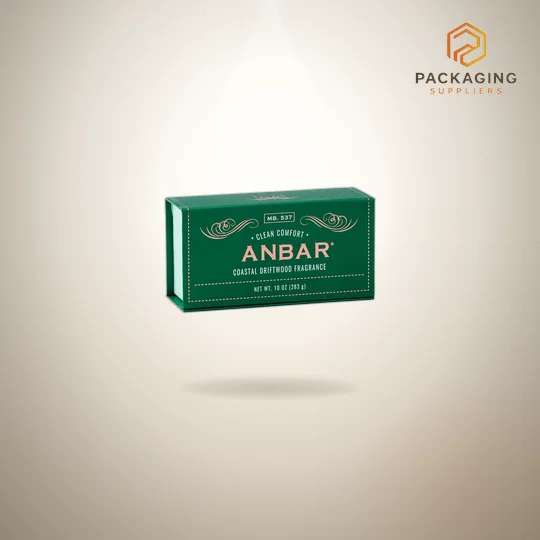
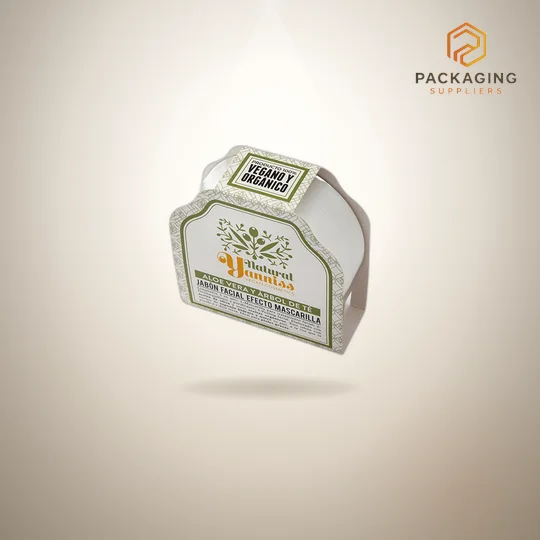
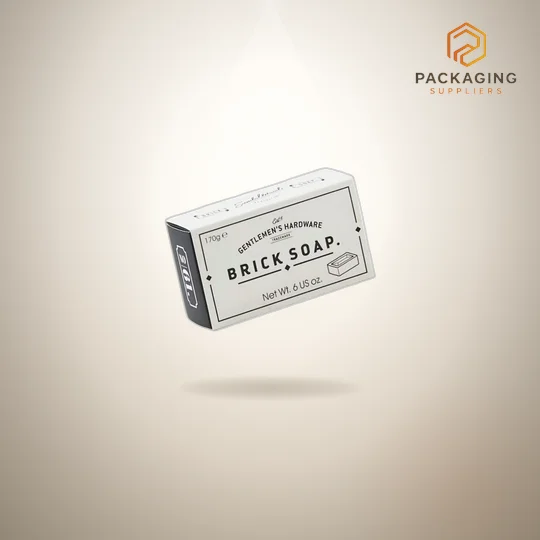
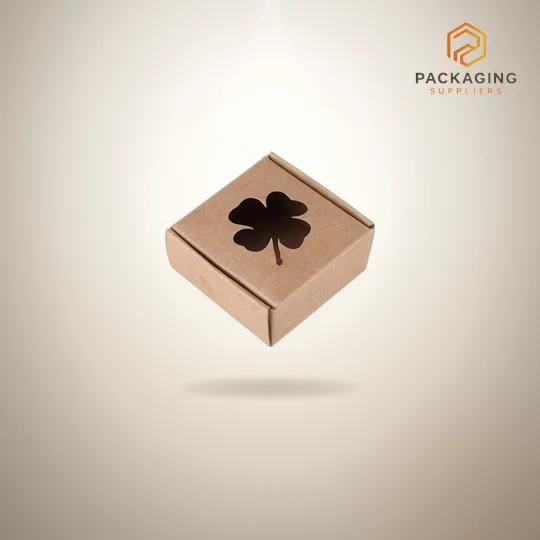
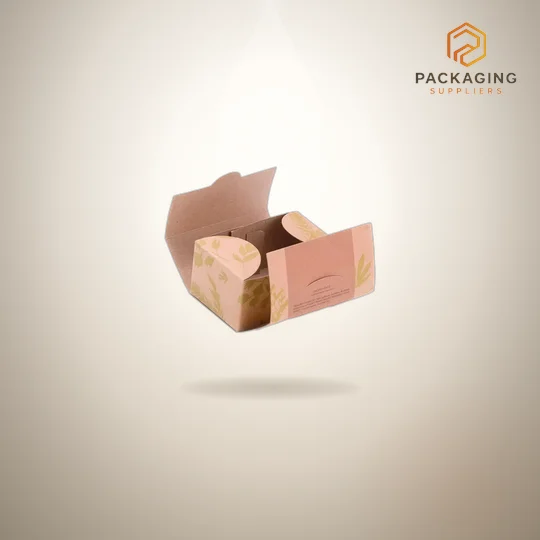
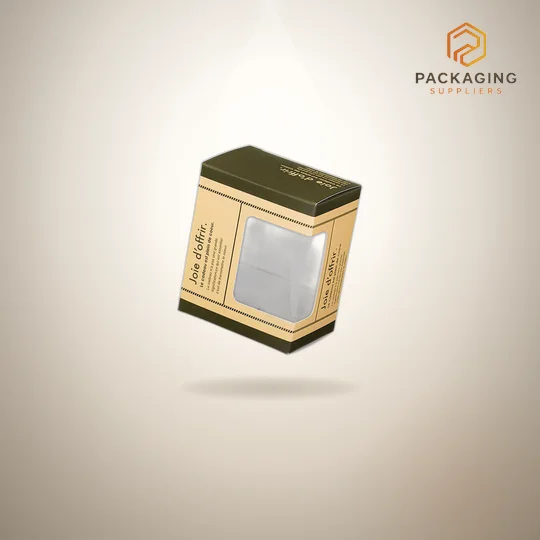
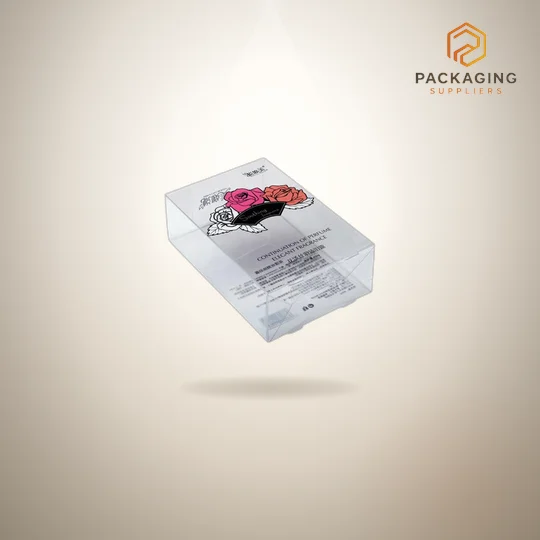
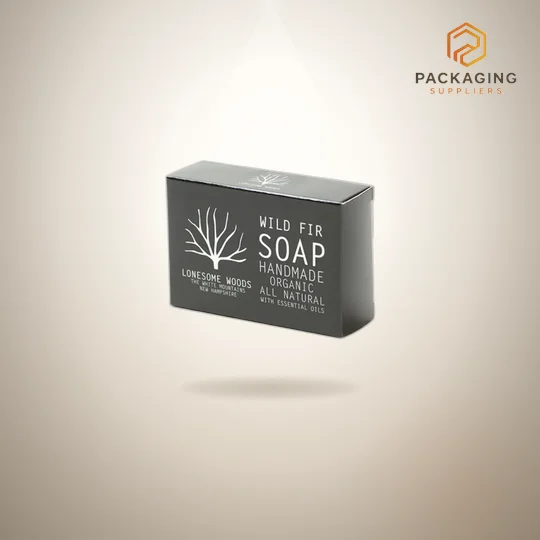
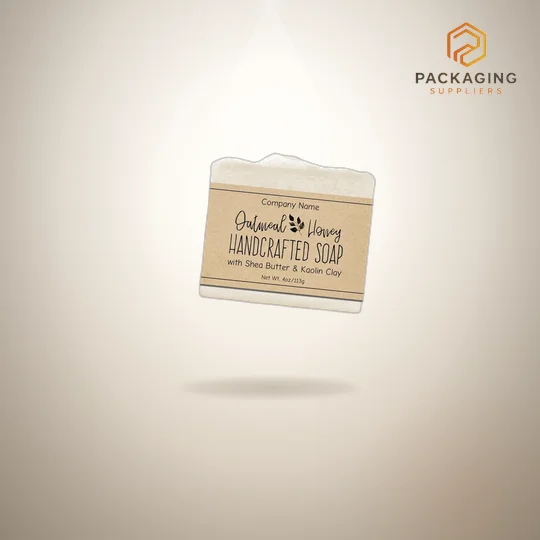
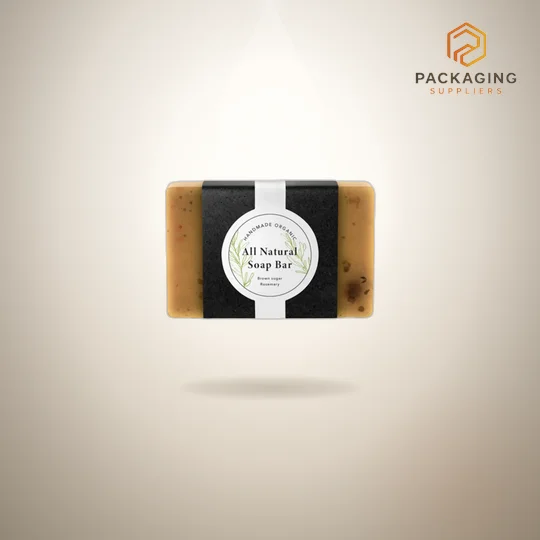
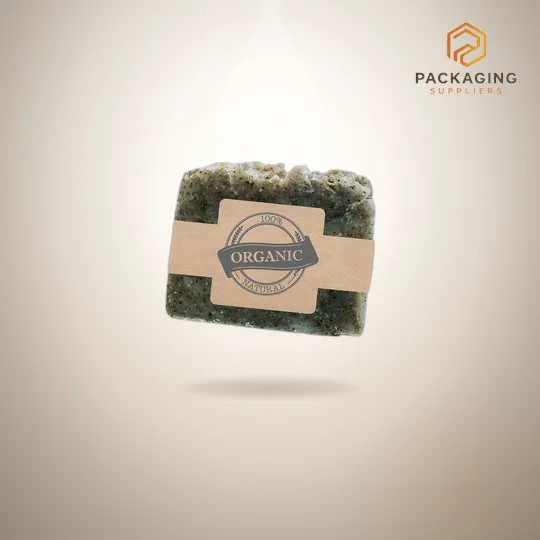
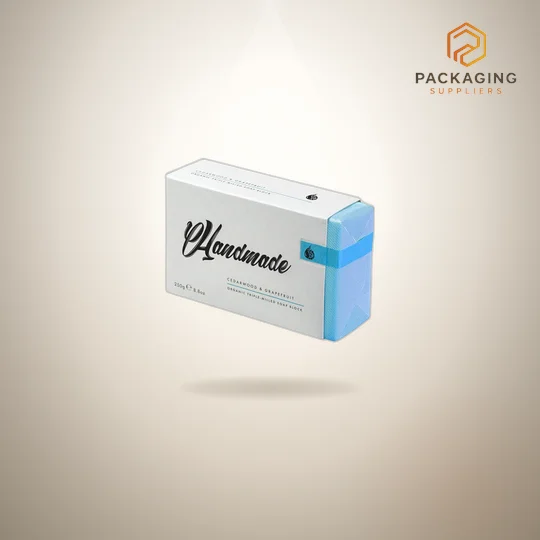
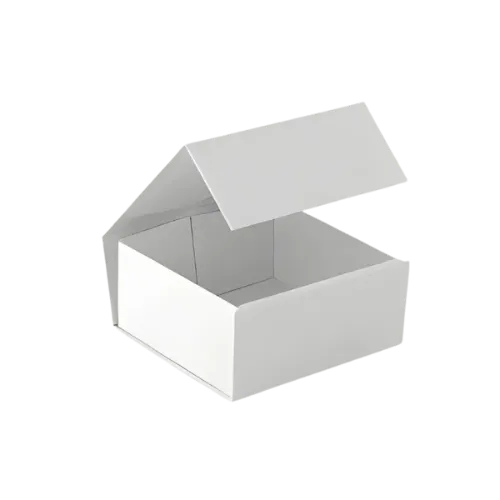
Custom Soap Boxes
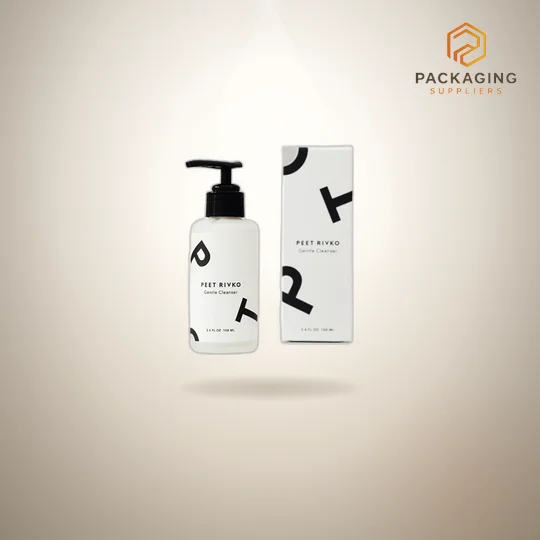
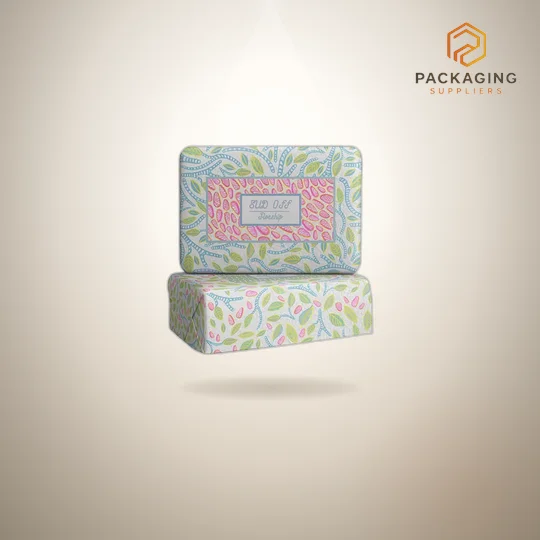
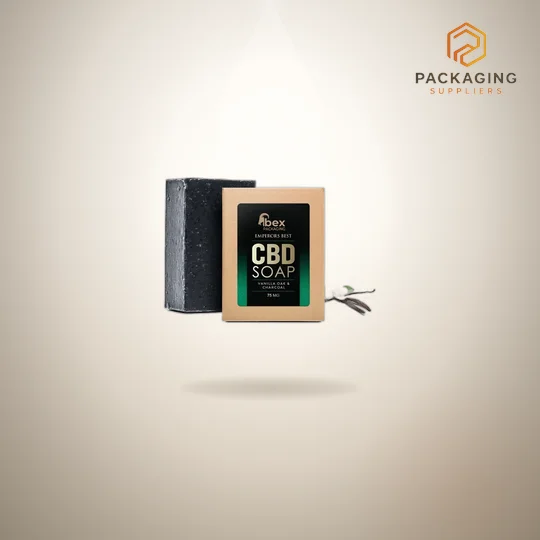
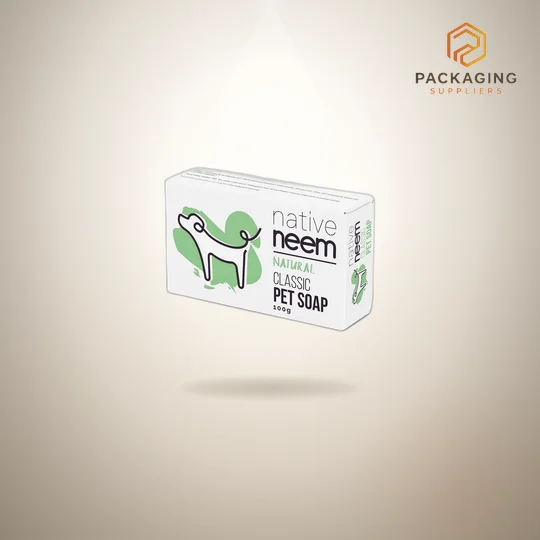
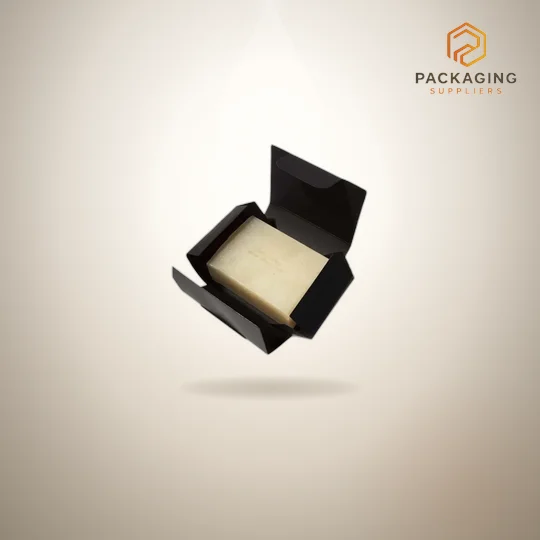
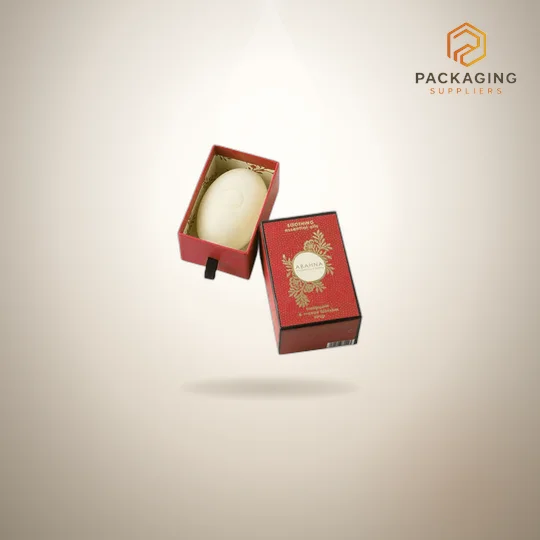
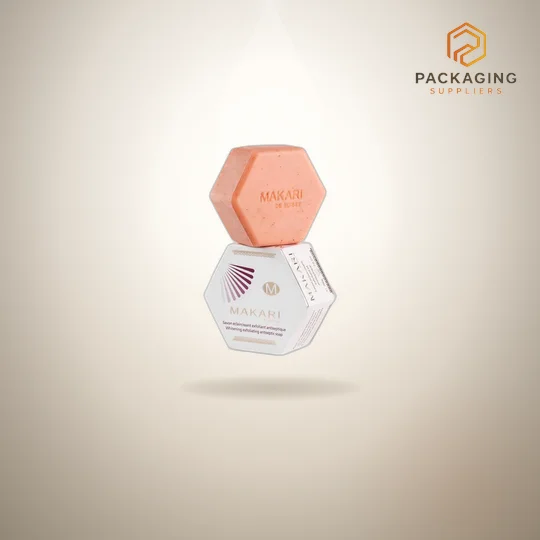
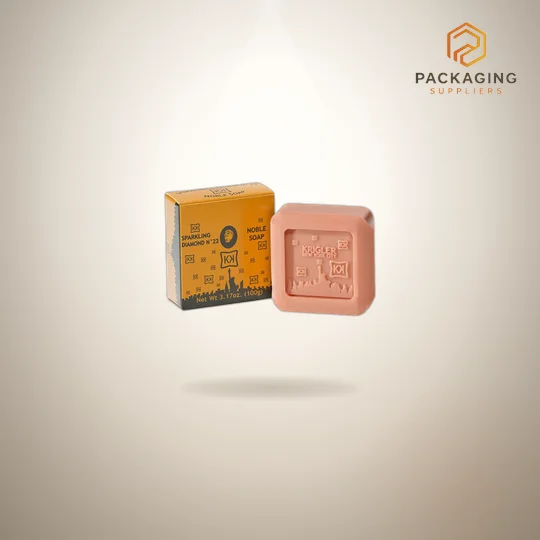
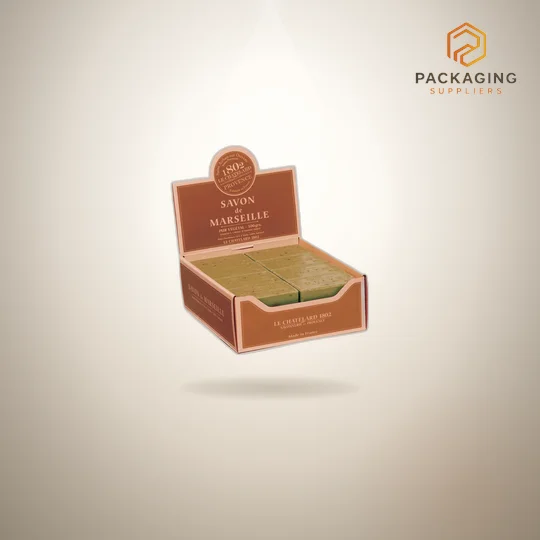
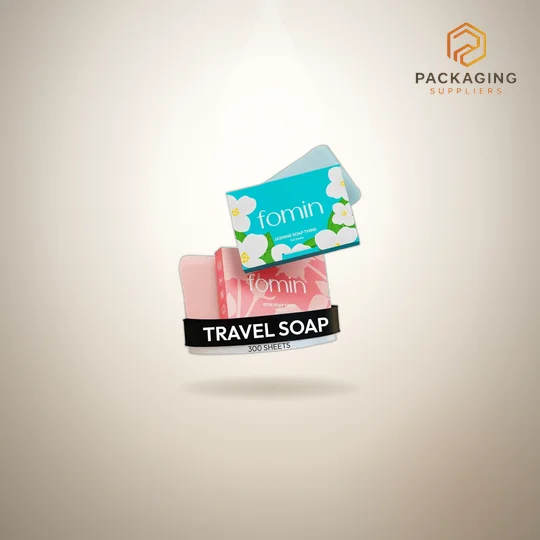
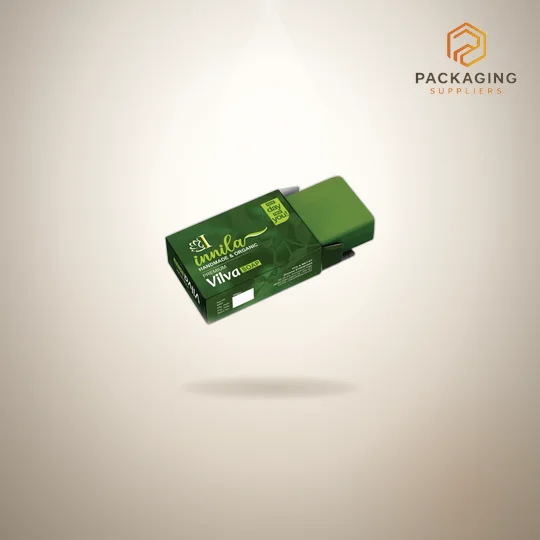
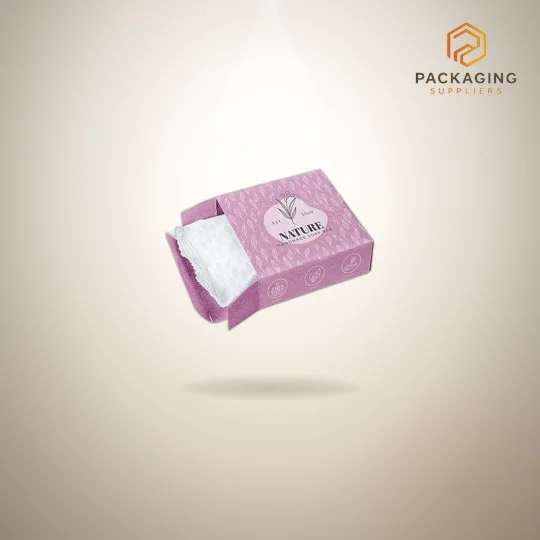
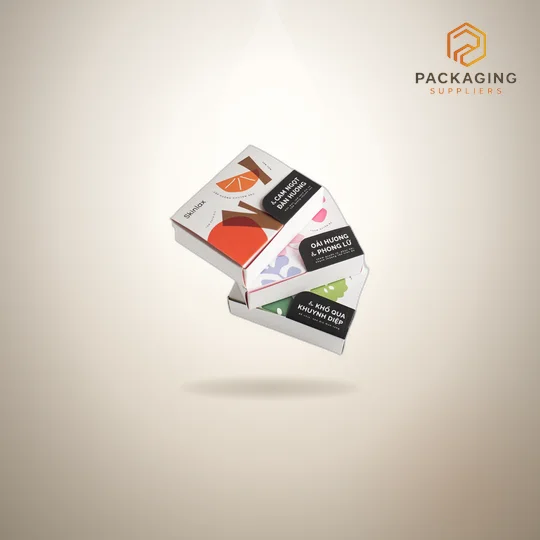
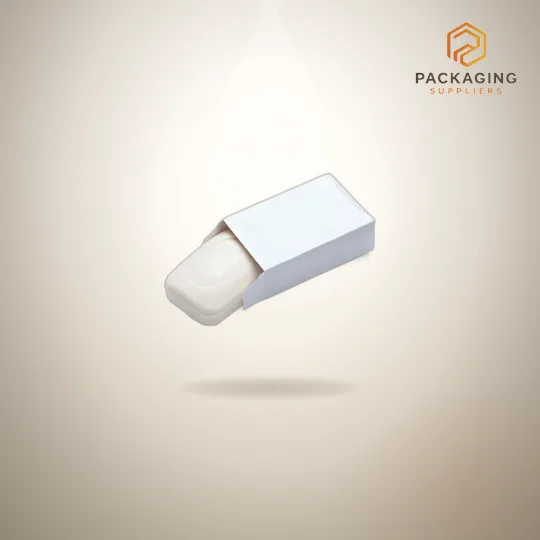
These custom soap boxes made to fit your bars just right, sized to the shape of your soap and finished to stand out on a shelf, so your handmade product makes the right first impression.
Configure & Order
Custom Soap Boxes Made to Show Off Your Bars
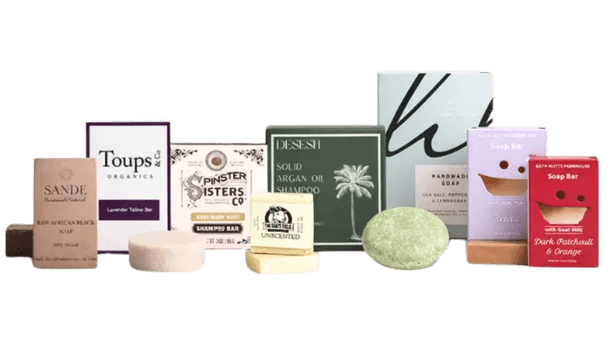
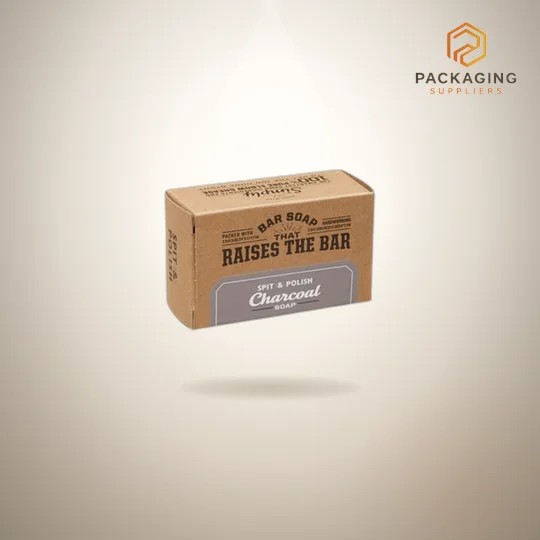
Whether you sell handmade artisan bars, natural soaps, or a full retail range, your soap boxes can be cut to fit the bar and printed to tell your story on the shelf. Order one to check the fit and finish, or scale up for a bigger line. Natural kraft keeps that earthy handmade feel, while a smooth printed board gives a cleaner retail look.
Get A Free Quote
Fill in your specs — our team responds within 24 hours.
🔒 SSL Secure · No spam, ever · Response within 24 hours

Folding Caron
Lightweight board for retail boxes and lighter products. Clean print surface, cost-effective at volume.

Corrugated
Fluted board with real crush protection in multiple flute grades. The workhorse for shipping and mailers.
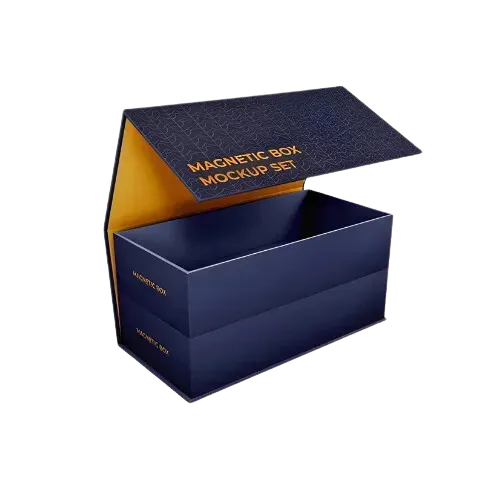
Rigid
Thick chipboard with a premium, weighty feel. Built for gift-tier and higher-priced products.
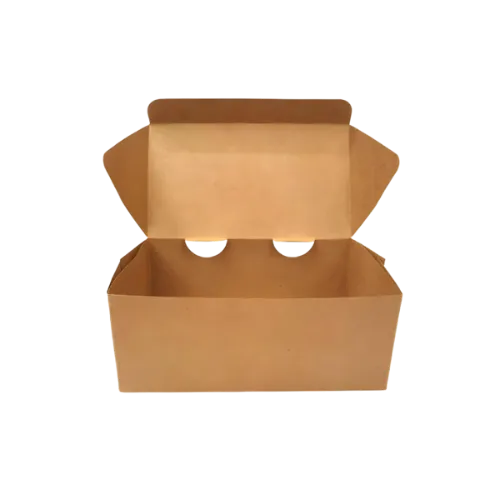
Kraft
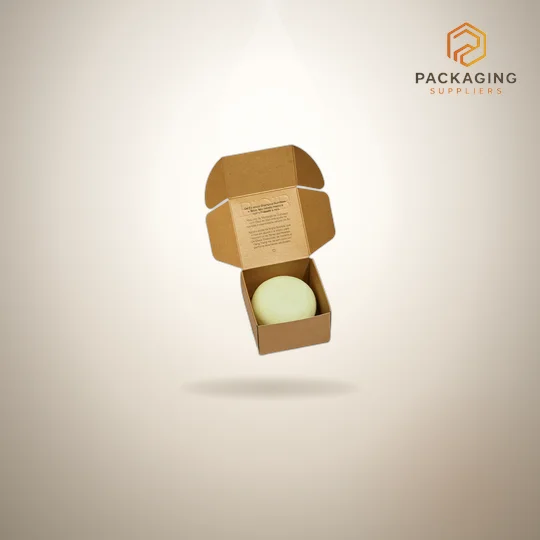
Recyclable, natural-brown board with a tactile, unbranded feel. The default for eco-first brands.
Material
Stock Type and Thickness
A box is only as good as the board it’s cut from. Here are the four stocks we run; pick by how your product ships and how you want it to feel.
Why Choose Us
Present your small business as a Brand
You don’t need an enterprise budget to look like an established brand. We handle the structure, the print, and the finish so your packaging earns its place on the shelf and in the unboxing.
Packaging strategies
We help you pick the box, stock, and finish that fit your product and your margins. Not the most expensive option; the right one
Idea to Production
Bring a rough concept, or a competitor's box you want to beat. We turn it into a manufacturable design with real specs.
In-House Design & Artwork
Our designers build your dieline and artwork in-house. No outsourced middle layer, no guesswork on print-readiness.
Prototypes & 3D Mockups
See your box as a 3D mockup, then order a physical prototype before you commit to a full run.
Worldwide Delivery
We manufacture direct and ship to 100+ countries, with quality checked before anything leaves the floor.
Free & Reliable Shipping
Free shipping on bulk orders, tracked to your door, on the turnaround we quote.
Soap Packaging Guide
Custom Soap Boxes for Handmade & Small-Batch Makers
Soap is one of the few products where the packaging decision and the legal decision are the same decision. What you print on the box determines which federal agency regulates your product, and therefore how much of the panel you have to give up before you have designed anything.
Low-Volume Runs for Multi-Scent Ranges
Handmade soap ranges are wide and shallow. A maker might run twelve scents, three of them seasonal, two of them exclusive to one market stall, with none of them selling in the hundreds. Packaging priced and minimum-ordered for a single high-volume SKU does not fit that shape of business.
There is no minimum order here, so a box per scent is normal rather than exceptional. Worth being straight with you though: low quantity alone is not unusual in this category. At least one large competitor offers quantities from a single unit upwards. What is harder to find is design and layout support at that volume, which is where the rest of this page is aimed.
What You Print Decides Which Rules Apply
Most soap makers discover this after the boxes are printed. The FDA has a narrow legal definition of soap, and products that meet it are not regulated as cosmetics at all. Products that miss it are, and the labeling obligations change substantially.
True Soap vs. Cosmetic: The Claim That Changes Everything
Under the FDA’s interpretation at 21 CFR 701.20, a product is true soap when the bulk of its non-volatile matter consists of alkali salts of fatty acids, when its cleaning action comes from those compounds, and when it is labeled, sold and represented only as soap. Meet all three and the product falls under the Consumer Product Safety Commission rather than the FDA, and no ingredient list is required on the box.
Miss the third condition and the classification changes. Print moisturizing, deodorizing or exfoliating on the panel and the product becomes a cosmetic under FDA rules, which brings a full INCI ingredient declaration and adverse-event contact details with it. Go further and claim the bar treats acne or kills bacteria and it becomes a drug, where the requirements are stricter again and well outside what any carton supplier should be advising on.
The ingredient side matters too. Adding synthetic detergents to improve lather can move a product into cosmetic territory even if the label still says soap, because the cleaning action is no longer coming from the alkali-fatty acid compounds alone.
| Classification | What triggers it | Regulator | What the box has to carry |
|---|---|---|---|
| True soap | Alkali salts of fatty acids, cleaning action from those compounds, sold only as soap | CPSC (under FPLA and FHSA) | Product identity, net quantity on the principal display panel, business name and address. No ingredient list required. |
| Cosmetic | Any claim beyond cleansing — moisturizing, deodorizing, exfoliating — or synthetic detergents doing the cleaning | FDA (FD&C Act, MoCRA) | Everything above plus a full INCI ingredient declaration and adverse-event contact details. |
| Drug | Claims to treat or prevent — acne, eczema, antibacterial | FDA | Substantially stricter. Seek specialist advice before designing packaging. |
Reserving Panel Space Before Artwork Is Final
The practical consequence is that copy and dieline are one decision, not two. A maker who designs a beautiful minimal box for a true soap, then adds moisturizing to the marketing copy three weeks later, has just committed to fitting a full ingredient declaration onto a panel that was not laid out for one.
So the sequence matters. Decide your claims first, then lay out the box. If you are undecided, or if you expect the range to move toward cosmetic positioning later, design the panel with room for an ingredient declaration you may not need yet. Unused space costs nothing. A reprint costs the whole run.
One more thing worth knowing: soap intended primarily for children twelve and under is treated as a children’s product, which brings lead testing and a children’s product certificate into scope. That is a product compliance matter rather than a packaging one, but it changes what you can print about intended use.
Where the bar is wrapped rather than boxed, the required information often sits on a Labels & Stickers wrap label instead, which we can produce alongside your packaging. None of this is legal advice. Confirm your classification and requirements for the markets you sell into before finalizing artwork, and we will build the dieline around them.
Board Choice for a Wet-Environment Product
Soap packaging has a problem most product categories do not: the box frequently lives in a bathroom. It sits on a shelf near a shower, absorbs ambient humidity, and can warp, soften at the corners, or lift at the glue seam long before the bar is used up. A box that looked crisp in a market stall can look tired in a customer’s bathroom within a fortnight.
Coated paperboard is the usual answer. One major competitor specifies 19pt coated white paperboard with an external coating that resists water and tearing, which is a reasonable benchmark for a bar that will sit in a damp room. The coating does the work here rather than the thickness alone.
Kraft is the aesthetic default for handmade and organic ranges, and it carries a trade-off worth stating: uncoated kraft absorbs moisture more readily than coated board. If your range is kraft-led and sold into bathrooms rather than gifted and used quickly, ask about a coating or varnish that keeps the natural look while reducing absorption, or consider a wrap the customer removes on first use so the packaging is never the thing sitting in the damp.
There is also a fragrance consideration. Scented bars lose volatile oils over time, and a snug box slows that more than a loose one. A tight wrap or a close-fitting sleeve keeps the scent stronger at the point of first use than an oversized box with air around the bar.
Formats: Full Box, Sleeve, and Wrap
Three formats cover most handmade soap, and they differ in cost, coverage, and how much of the bar the customer can see and smell before buying.
A full box encloses the bar completely, gives you every panel to print on, protects best in transit, and is the right format when the box has to carry a lot of required information. It uses the most material and is the most expensive of the three.
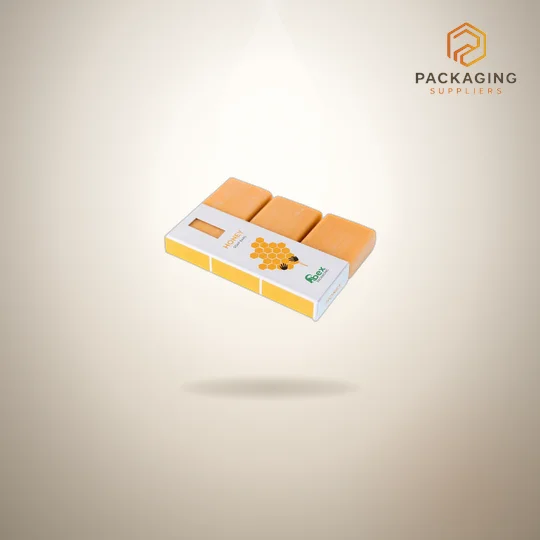
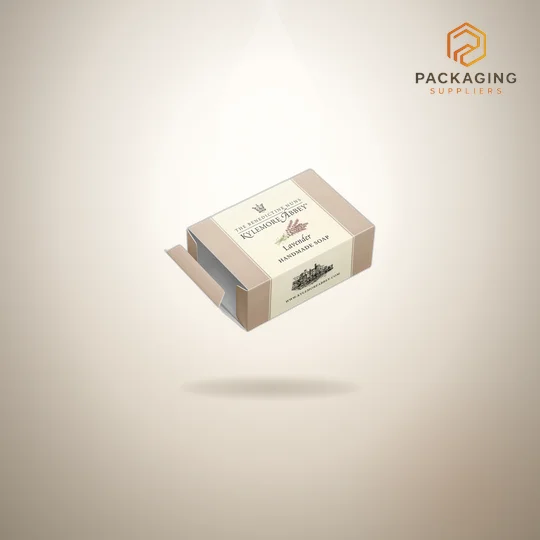
A sleeve wraps the middle of the bar and leaves both ends exposed. It uses far less board, lets the customer see the actual soap and get some scent from it, and suits ranges where the bar itself is the selling point — swirled colors, botanical inclusions, visible texture. The trade-off is less printable area, which becomes a real constraint if you are in cosmetic territory and need an ingredient declaration.
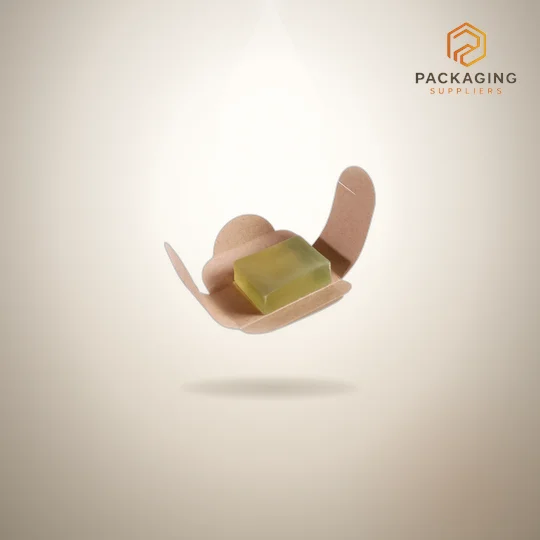
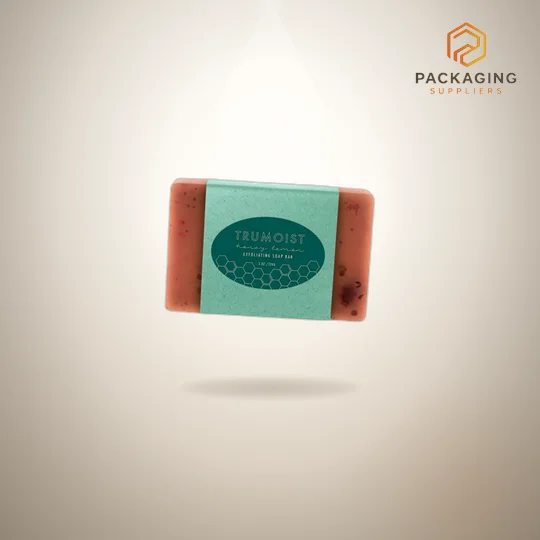
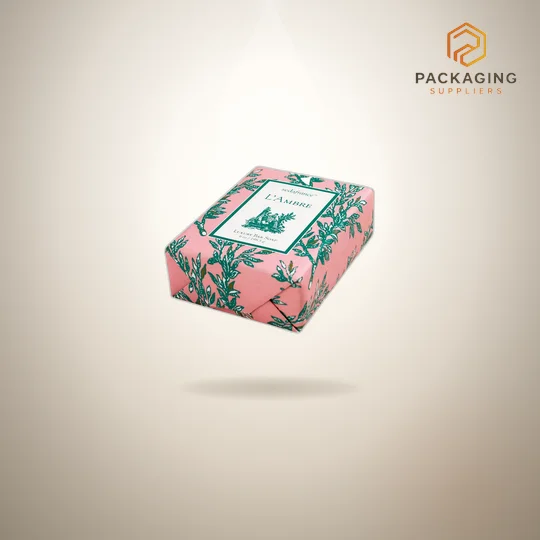
A wrap is a printed sheet folded around the bar and sealed, often with a sticker. It is the cheapest and most artisanal-looking of the three, and it works well for market stalls and gift sets. It offers the least protection and the least structure, so it is a weak choice for anything shipping on its own.
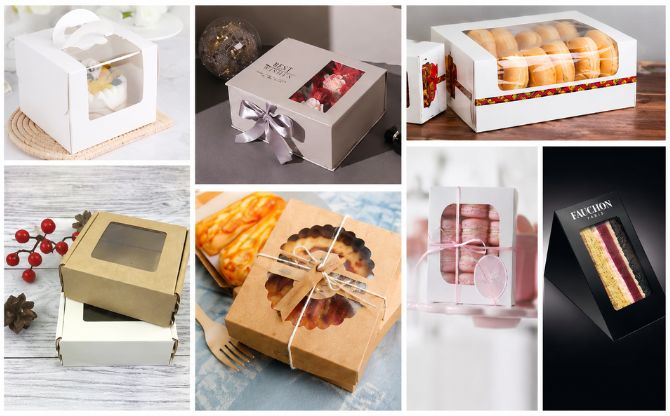
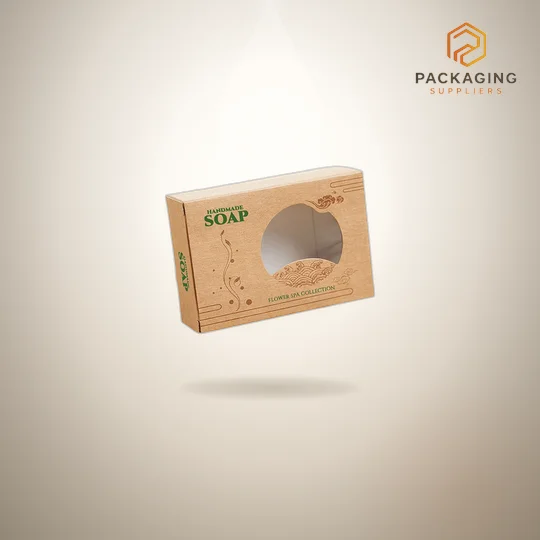
Windows can be die-cut into a full box so a customer can see the bar without opening it, usually with a clear film behind the cutout. Whether that outperforms a solid box on a retail shelf is a genuine question with arguments on both sides, and one worth reading the dedicated comparison on before committing a whole range to it.
Working Dimensions for Standard Bar Sizes
Handmade bars are not standardized the way commercial soap is, because they are cut from loaf molds by hand and vary between makers. Rather than assume a size, it is better to work from the bar you actually pour. That said, some working dimensions from the category give a useful starting point:
| Format | Working dimension | Suits |
|---|---|---|
| Window box for an artisan bar | 3.5″ x 2.5″ x 1.25″ | A standard hand-cut bar, displayed with the soap visible |
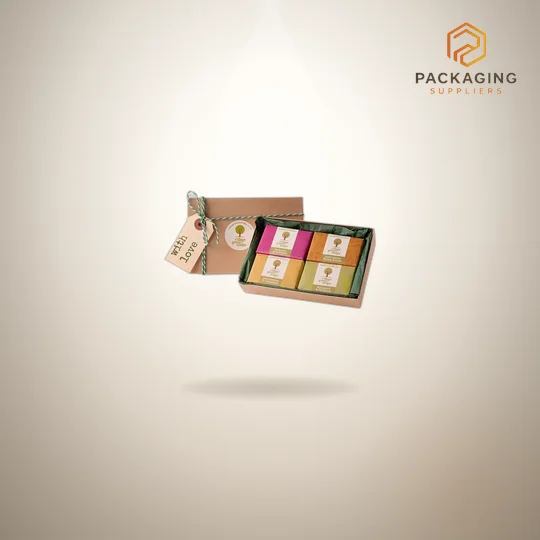
| Sliding drawer box | 4″ x 3″ x 1.5″ | Gift presentation and premium single-bar ranges |
| Sleeve | Sized to bar width and depth, open at both ends | Ranges where the bar’s appearance and scent sell it |
Two things to allow for when you send dimensions. Hand-cut bars vary between batches, so give us the largest bar you realistically produce rather than the average, or a proportion of your run will not fit. And cured soap can shrink slightly as it continues drying, so a box sized to a freshly cut bar may be loose by the time the soap is ready to sell.
Not sure which spec fits your product? Talk to our packaging team and we’ll help you choose board, size, and finish.
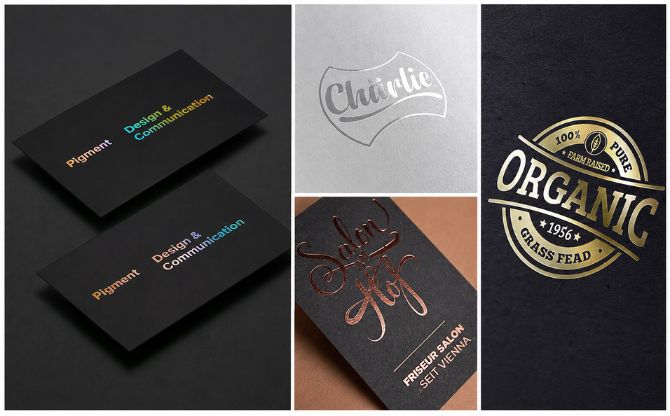
Foil Stamping
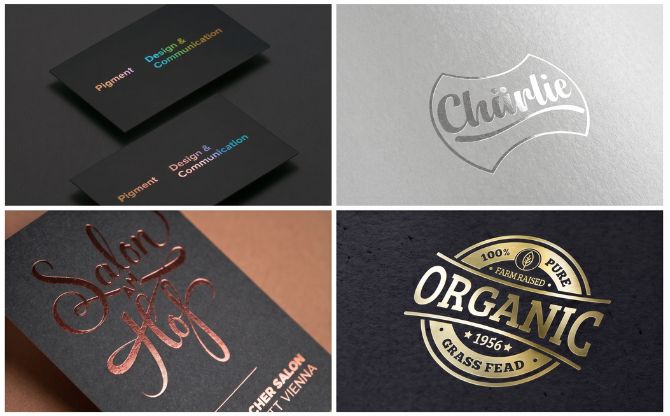
Add a metallic or holographic sheen to your logo or key elements. Foil catches the light and signals premium the second a customer picks up the box.
- Gold, silver, rose gold, holographic, and more
- Works on every box style and material
- Pairs cleanly with matte lamination
- No extra setup fee on standard foils
Emboss/Deboss
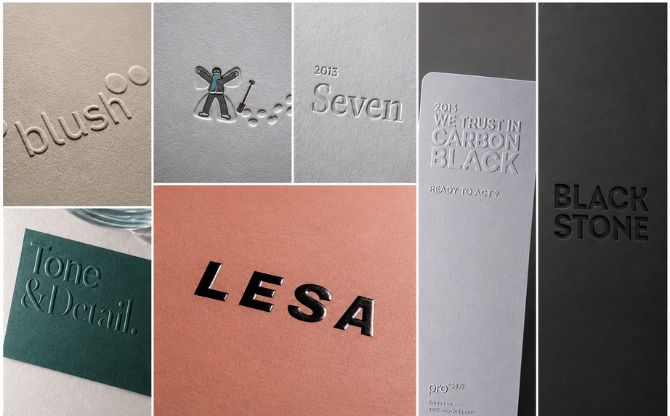
Press your logo or pattern into the stock for a raised or recessed texture customers feel before they read it. No ink; the impression does the work.
- Single-level or multi-level dies
- Works on Kraft, SBS, and rigid stock
- Pairs with foil for a tactile, premium hit
- Best on uncoated and matte surfaces
Lamination
A protective film over the printed surface that locks in the finish and guards against scuffs, moisture, and handling.
- Matte for a soft, muted look
- Gloss for high shine and color pop
- Soft-touch for a velvet feel
- Extends durability on shipping and retail boxes
Spot UV
A high-gloss coating on select areas: logo, title, pattern; for sharp contrast against a matte background.
- Gloss-on-matte contrast
- Highlights logos and key artwork
- Pairs with soft-touch lamination
- Registered precisely to your dieline
Custom Inserts
Fitted inserts that hold product in place, cut movement in transit, and control the reveal on opening.
- Foam, corrugated, or paperboard
- Cut to your exact product dimensions
- Protects fragile and multi-piece items
- Builds a deliberate unboxing sequence
Custom Styles
A cut-out with clear film so customers see the product without opening the box, built for retail shelves.
- PET or PVC film options
- Any shape, sized to your dielines
- Ideal for food, cosmetics, and gifts
- Balances protection with visibility
Unlimited Customizations
Every Detail, Your Way
Endless finishing options so your product packaging looks exactly how you imagined it — and then some.
Packaging Made Easy.
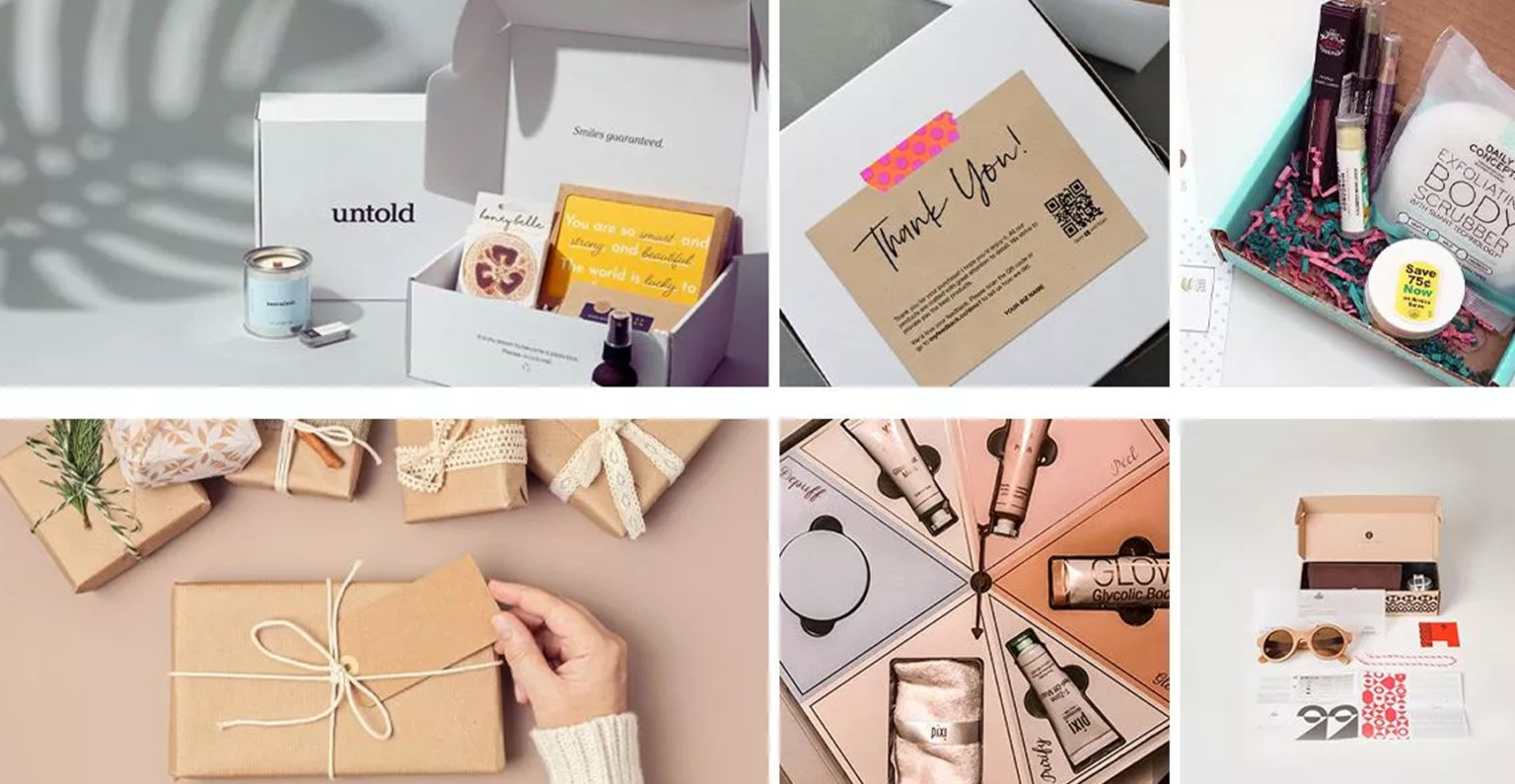
Four steps, no back-and-forth. Send your spec or a rough idea. We build the dieline and a 3D mockup for your approval, print and produce with a color check before the run, and ship to your door. You get one dedicated contact the whole way, someone accountable, not a ticket queue.
Customer Stories
Brands That Trust P&S
From boutique fashion labels to fast-growing DTC brands; here’s what our customers are saying.
“The magnetic closure boxes for our accessory line look absolutely stunning. The foil stamping on our logo is better than anything I’ve seen at twice the price.”
Michael Schmidt.
Founder, Bloom Apparel Co.
“We switched to P&S for our clothing boxes and the difference was immediate. Our customers now post unboxing videos without asking, says everything.”
Owner, STD Leather Co.
“As a shoe brand, I was nervous about minimums and quality. P&S had no MOQ and the shoe boxes arrived within time, perfect quality, every single time.”
CEO, Strider Footwear.
Common Questions
Frequently Asked Questions
Everything you need to know about ordering custom packaging.
How do you size a box for a handmade soap bar?
We build to your bar’s exact length, width, and depth so it sits snug with no rattling, which matters most for handmade bars that vary slightly in size.
Can soap boxes show the bar or let the scent through?
We can add a die cut window or cutouts so the soap peeks through and a little scent escapes, with no plastic film over the opening.
What material suits natural or organic soap brands?
Uncoated kraft board gives that natural, earthy look organic buyers expect and pairs nicely with simple printing.
Will the box protect soap from getting scuffed or dented?
A snug fit and a firmer board keep the bar from shifting and take the knocks of shipping and shelf handling, so it arrives looking fresh.
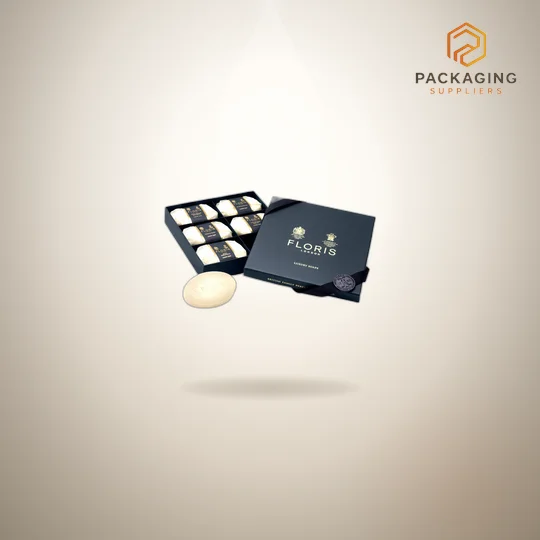
Can I get soap boxes for gift sets or multiple bars?
Yes, we can build larger boxes with inserts or dividers to hold a set of bars neatly in place for gifting or bundles.