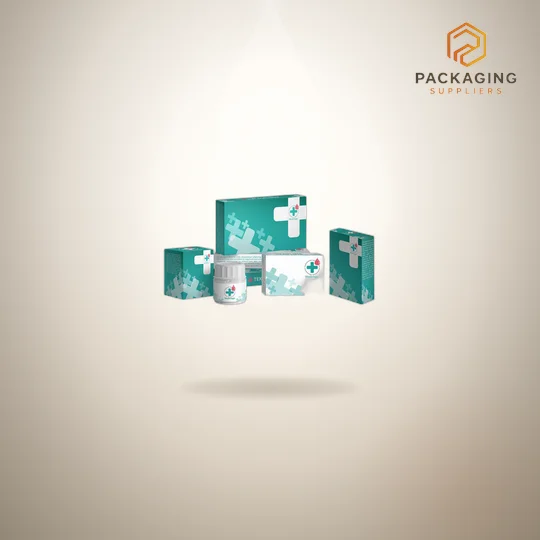
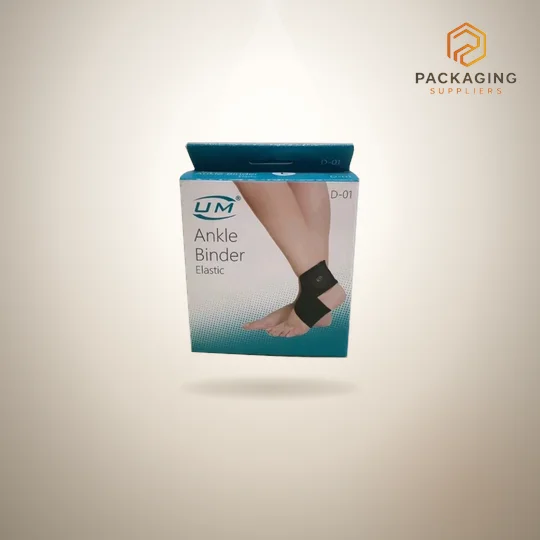
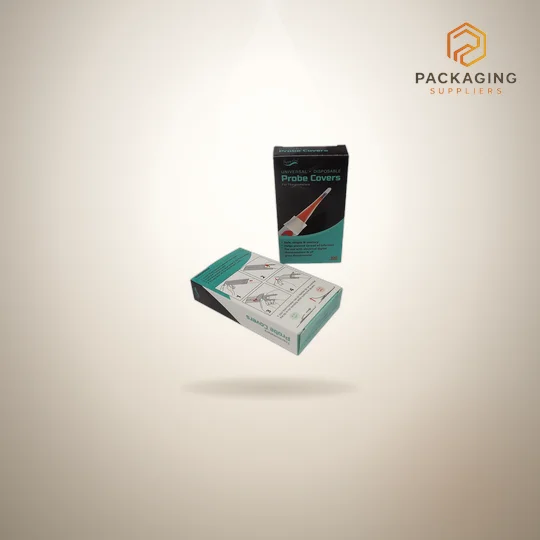
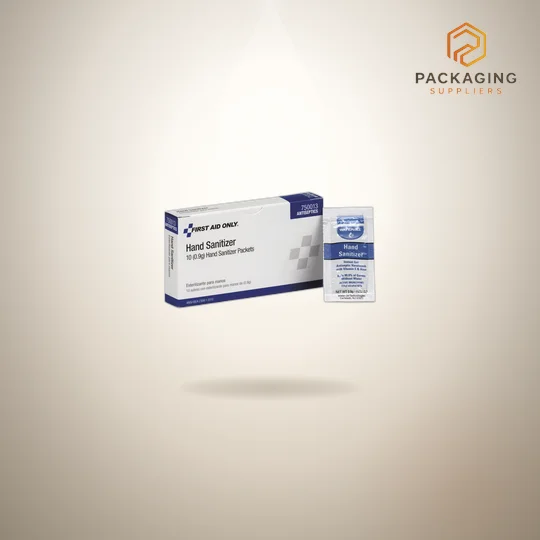
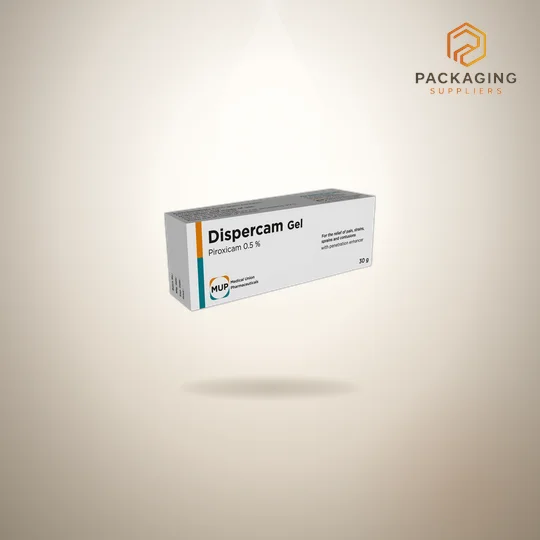
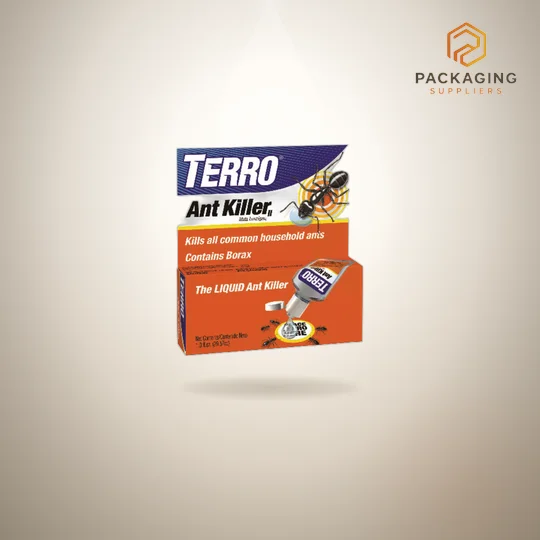
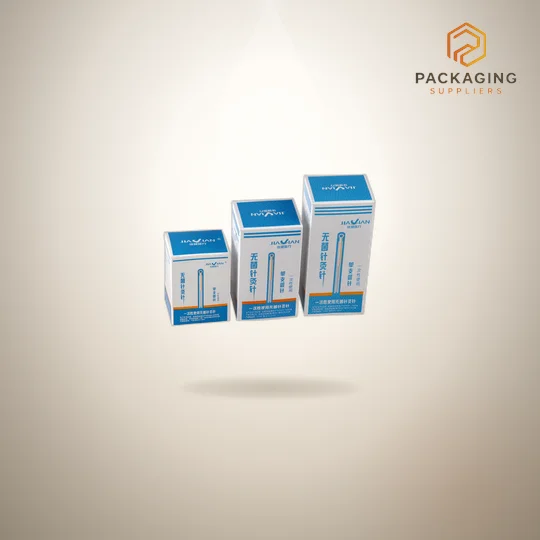
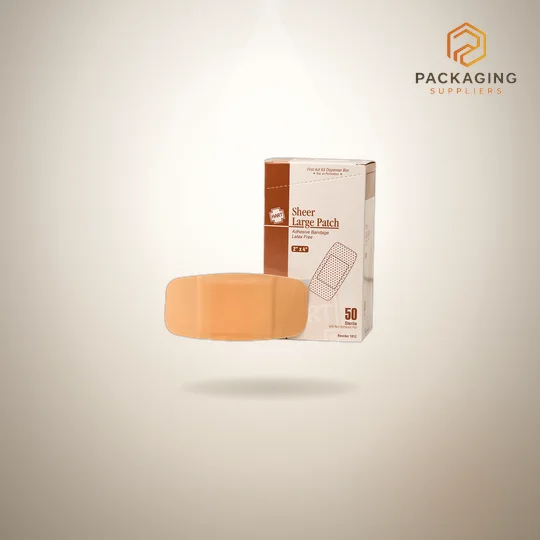
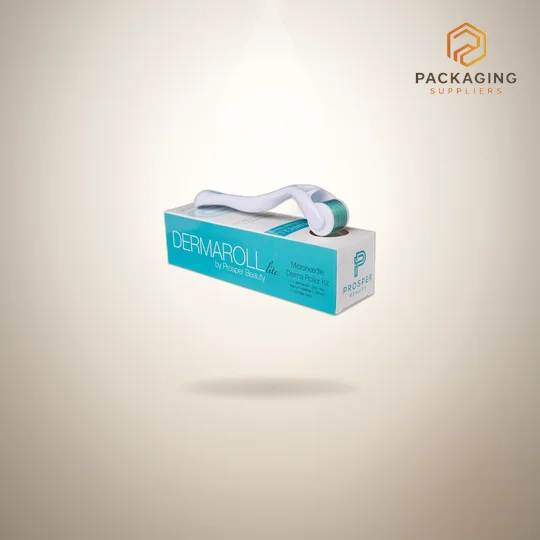
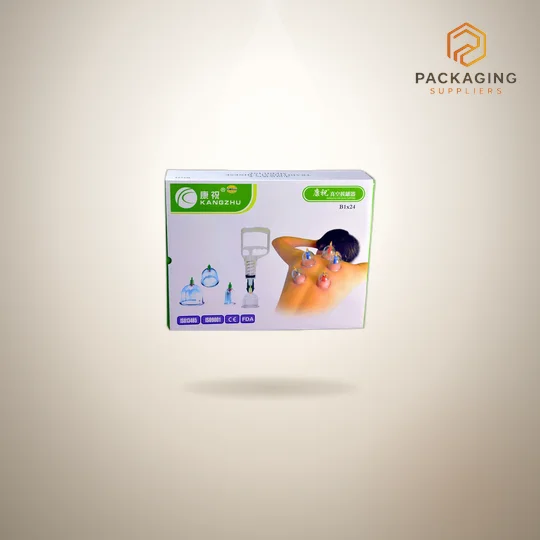
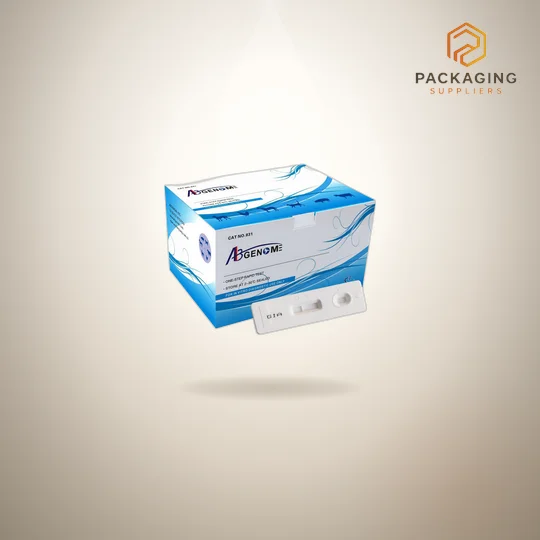
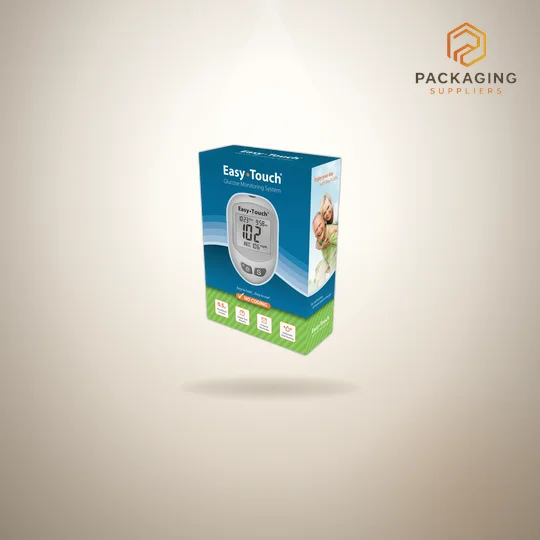
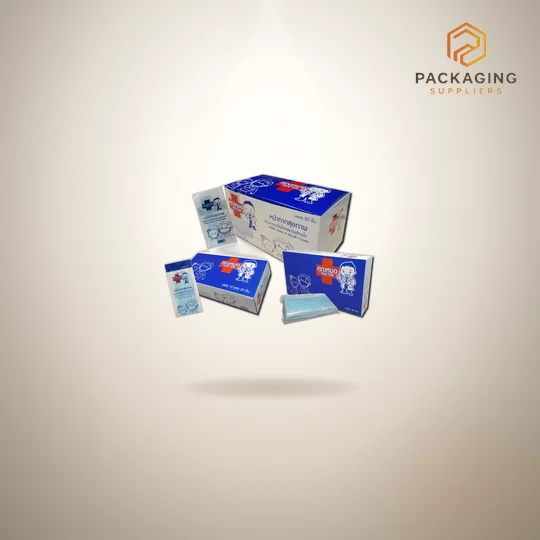
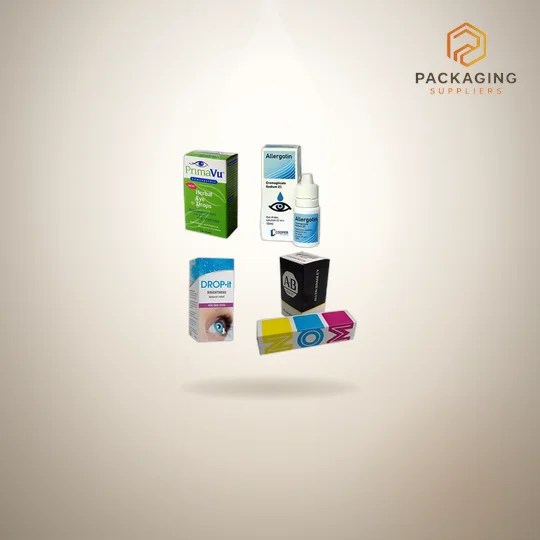
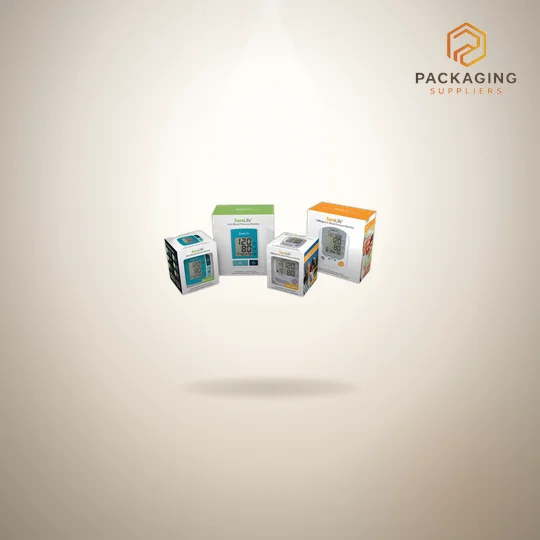
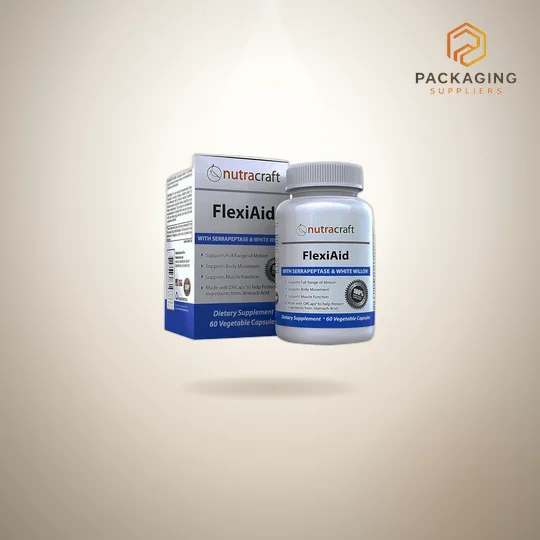
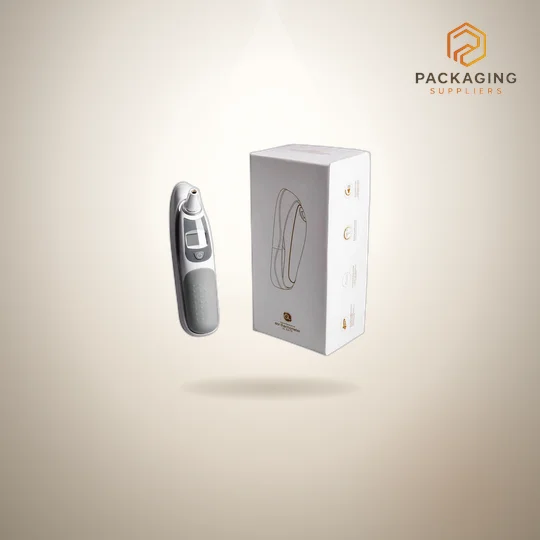
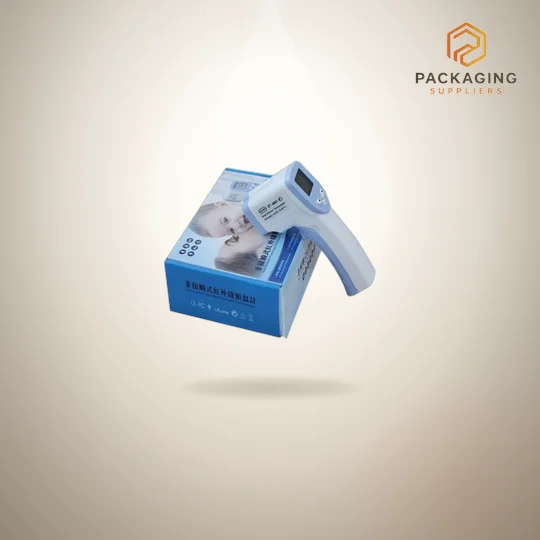
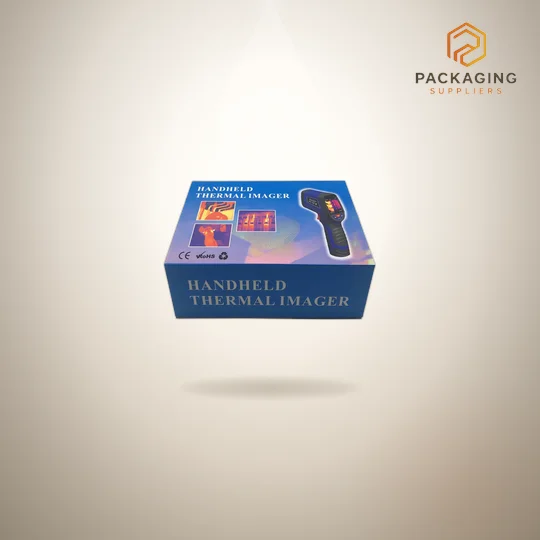
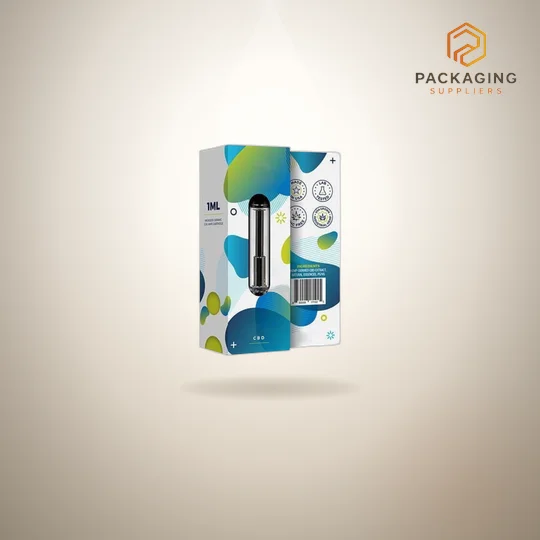
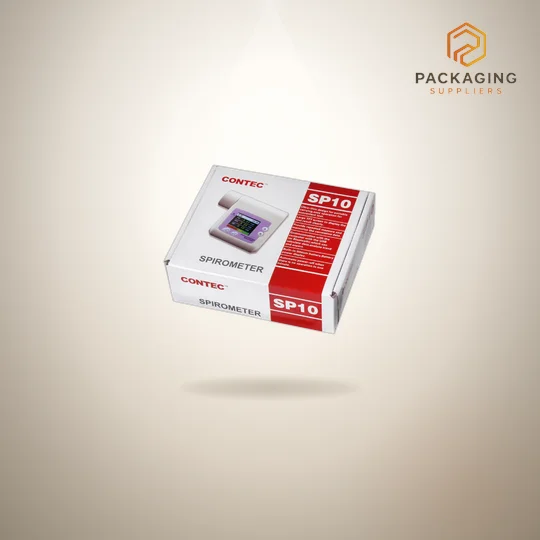
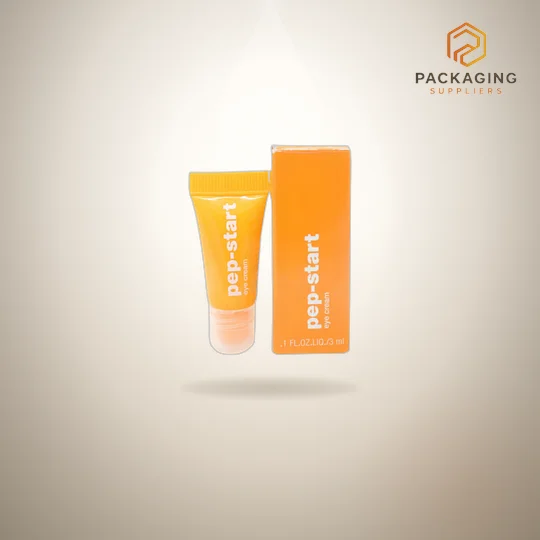
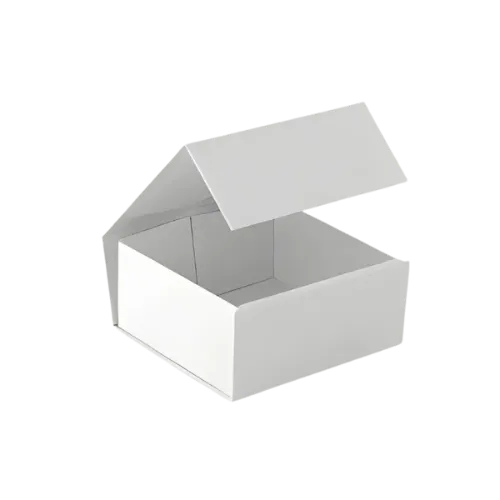
Custom Pharmaceutical Boxes
Pharmaceutical packaging built to protect medicines, supplements, and health products from temperature swings, light exposure, and moisture during shipping and storage. Choose from custom box styles sized for bottles, vials, blister packs, and cartons, with your own branding, print, and finish.
Configure & Order
Shop Pharmaceutical Packaging by Style
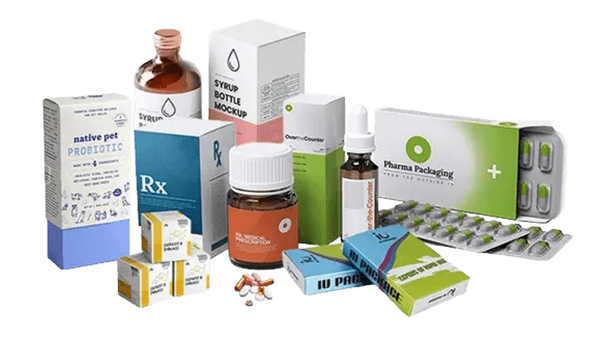
Below you’ll find pharmaceutical boxes in various sizes and formats, including bottle boxes, vial boxes, blister pack cartons, and multi-unit cases. Each style can be customized with your branding, printed inserts, and secure closures suited to healthcare and pharmacy shipping requirements.
Get A Free Quote
Fill in your specs — our team responds within 24 hours.
🔒 SSL Secure · No spam, ever · Response within 24 hours

Folding Caron
Lightweight board for retail boxes and lighter products. Clean print surface, cost-effective at volume.
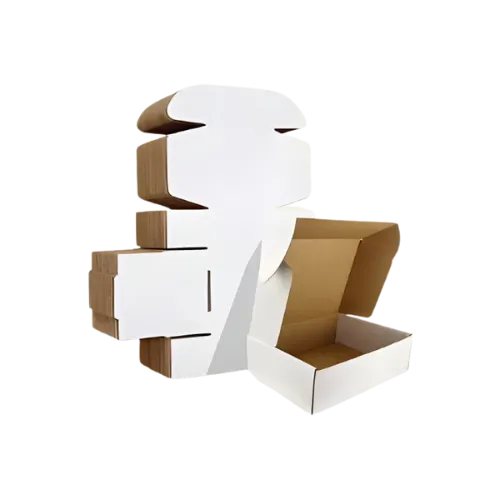
Corrugated
Fluted board with real crush protection in multiple flute grades. The workhorse for shipping and mailers.
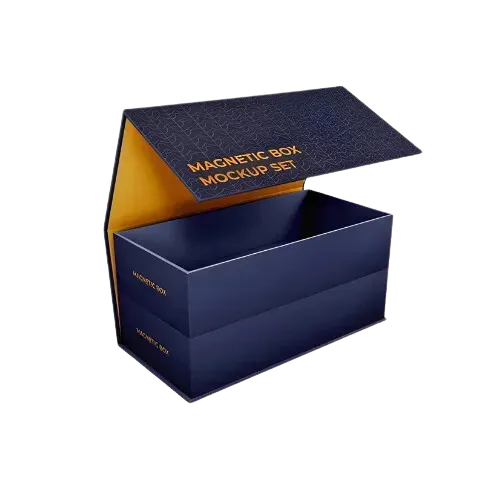
Rigid
Thick chipboard with a premium, weighty feel. Built for gift-tier and higher-priced products.
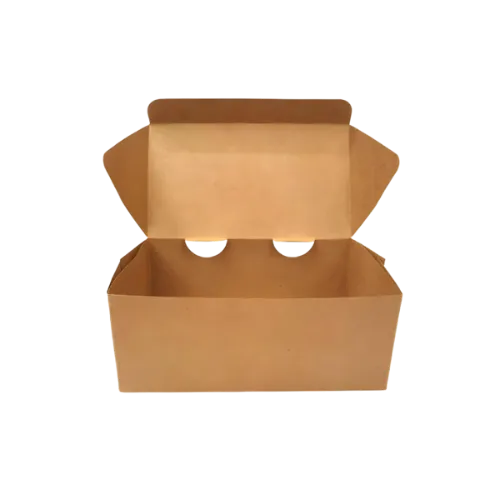
Kraft
Recyclable, natural-brown board with a tactile, unbranded feel. The default for eco-first brands.
Material
Stock Type and Thickness
A box is only as good as the board it’s cut from. Here are the four stocks we run; pick by how your product ships and how you want it to feel.
Why Choose Us
Present your small business as a Brand
You don’t need an enterprise budget to look like an established brand. We handle the structure, the print, and the finish so your packaging earns its place on the shelf and in the unboxing.
Packaging strategies
We help you pick the box, stock, and finish that fit your product and your margins. Not the most expensive option; the right one
Idea to Production
Bring a rough concept, or a competitor's box you want to beat. We turn it into a manufacturable design with real specs.
In-House Design & Artwork
Our designers build your dieline and artwork in-house. No outsourced middle layer, no guesswork on print-readiness.
Prototypes & 3D Mockups
See your box as a 3D mockup, then order a physical prototype before you commit to a full run.
Worldwide Delivery
We manufacture direct and ship to 100+ countries, with quality checked before anything leaves the floor.
Free & Reliable Shipping
Free shipping on bulk orders, tracked to your door, on the turnaround we quote.
Pharmaceutical Packaging Guide
Custom Pharmaceutical & Supplement Cartons
Pharmaceutical and supplement packaging is unusual in that the artwork has obligations before it has a design. A required panel, a code area, a batch and expiry field — these consume fixed space regardless of what the brand wants the carton to look like, and a layout that treats them as an afterthought gets redrawn.
Custom secondary cartons and sleeves for supplement, nutraceutical and wellness brands, built around the panel space your labeling actually needs rather than around a standard carton that has to be squeezed into afterwards.
What We Supply, and What We Don't
Worth being direct about this, because much of the category is not. Packaging Suppliers produce secondary packaging: folding cartons, sleeves and outer boxes that hold and present a product. We also produce primary packaging but on demand — the blister packs, vials, bottles, prefilled syringes or closures that touch the product itself.
Several suppliers in this space list primary and secondary packaging together in a way that implies one capability. If you need a blister pack and a carton, you are dealing with two different manufacturing processes and usually two different suppliers, and it is better to know that before you brief rather than after.
Practically, that means we work well for supplement and nutraceutical brands, wellness products, and cartons around a bottle or blister you are sourcing elsewhere. Prescription drug production carries requirements — per-unit serialization, barcode verification, controlled artwork workflows — that sit outside what a general carton supplier delivers.
Small Runs When Formulations and Labels Change
Supplement brands reformulate and relabel far more often than most product categories. An ingredient change, a revised dosage, an updated disclosure, a new certification logo — each one can invalidate every carton you are holding.
With no minimum order, a label change costs a reprint rather than writing off stock. That matters most for brands in their first couple of years, where the label is still settling and committing to twelve months of cartons means betting that nothing changes.
Reserving Panel Space Before Artwork Begins
The most common and most expensive mistake in this category is designing the carton and then discovering what has to fit on it. Required content is not negotiable and does not shrink, so the sequence has to run the other way: establish what the panels must carry, block that space out, and design in what is left.
Drug Facts and Disclosure Panels
Over-the-counter products use a Drug Facts panel with a prescribed format, and prescription products carry considerably more. Supplement products have their own required content. In every case this is a substantial, non-negotiable block of a panel, and the format constraints mean it cannot simply be set smaller to fit.
Where content will not fit the carton, part of it can move to a Labels & Stickers label on the primary container, produced alongside the cartons. Send us your required panel content at the briefing stage rather than with the final artwork. If the content does not fit the carton size you have in mind, it is far cheaper to discover that while the dieline is still a drawing.
Code and Batch-Marking Zones
Almost every carton in this category gets marked after printing with a batch number and expiry date, and many also carry a scannable code. That marking happens on a production line, which means the area receiving it has to be reserved, kept clear of artwork, and printed in a way that the marking equipment can apply to and a scanner can read afterwards.
A code zone is not just empty space. It needs consistent position across the run, adequate quiet area around a barcode, and enough contrast that a scan is reliable rather than marginal. Tell us at dieline stage where your line applies its marking and what it applies, and the zone gets designed in rather than found later.
Carton Construction and Tamper Evidence
A carton can be the element that provides tamper evidence rather than relying on a seal under the cap, and the relevant FDA regulation for over-the-counter products explicitly recognizes a secondary container or carton system as one way to deliver it.
What the regulation asks for is worth understanding as a design input. The feature has to be distinctive by design, meaning it cannot be duplicated using commonly available materials or processes, and the pack has to carry a prominent statement telling the consumer what the tamper-evident feature is and what to look for. A glued flap construction that visibly tears on opening is the usual carton-level approach.
Where the carton is not the tamper-evident element, it still has to accommodate whichever element is — a seal, a shrink band, an induction liner — without obscuring the statement identifying it.
Structural Styles: Tuck-End and Auto-Lock Base
Two structural styles cover most of this category, and the choice follows weight.
A straight or reverse tuck-end carton suits lighter contents: blister packs, sachets, ointment tubes, sample packs. It folds flat, assembles quickly, and is the most economical option where the contents are not heavy enough to stress the base.
An auto-lock or crash-lock bottom suits heavier contents — liquid bottles, syrups, glass vials, multi-unit packs. The base locks under load rather than depending on a friction-fit tuck, which matters when the carton is lifted by its sides with a full bottle inside. It costs more per unit and takes more space flat, and it is the right call whenever the contents have real weight.
| Contents | Structural style | Why |
|---|---|---|
| Blister packs, sachets, sample packs | Straight or reverse tuck-end | Light contents, economical, fast to assemble |
| Ointment and cream tubes | Tuck-end, often with an insert | Light but needs holding in position |
| Liquid bottles and syrups | Auto-lock / crash-lock base | Base locks under load instead of relying on friction |
| Glass vials, multi-vial packs | Auto-lock base with partitions | Weight plus separation between fragile units |
| Kits and multi-item packs | Auto-lock base with fitted partitions | Multiple components held in fixed positions |
Kit and Multi-Item Partitions
Diagnostic kits, test packs and multi-component products are a partition problem. Several items of different shapes have to sit in fixed positions, stay separated, and be obvious to the person opening the pack, often under time pressure.
Partitions die-cut from the same board family as the carton keep the pack fully recyclable and are usually sufficient for anything not fragile. Fitted inserts make sense where a component is glass or where the order of use matters and the layout itself should communicate it.
The point worth planning for is that a partition layout is effectively fixed once tooled. If your kit contents are still changing, it is worth confirming the component list before committing to the die, or building the layout with a component you may add later already accounted for.
Board and Lamination for Moisture-Sensitive Products
SBS paperboard is the standard for this category. It gives a bright, smooth surface that holds small type cleanly, which matters when a panel carries a lot of required content at a small point size. Kraft is available where a brand’s positioning calls for it, though its brown base shifts printed colors and reduces contrast on dense text panels, which is a real consideration when legibility is a requirement rather than a preference.
Lamination adds a moisture barrier to the carton and protects the printed surface through distribution and shelf life. It is worth specifying for products with long shelf lives, anything stored in variable conditions, and anything where a scuffed or lifting carton would undermine confidence in what is inside.
Board weight follows contents and shelf presentation, not category convention. A carton holding a single blister and a carton holding a 500ml bottle have different requirements even if they sit on the same shelf.
Not sure which spec fits your product? Talk to our packaging team and we’ll help you choose board, size, and finish.
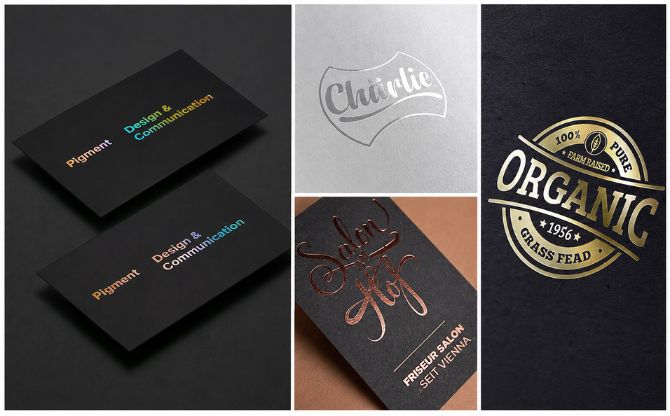
Foil Stamping
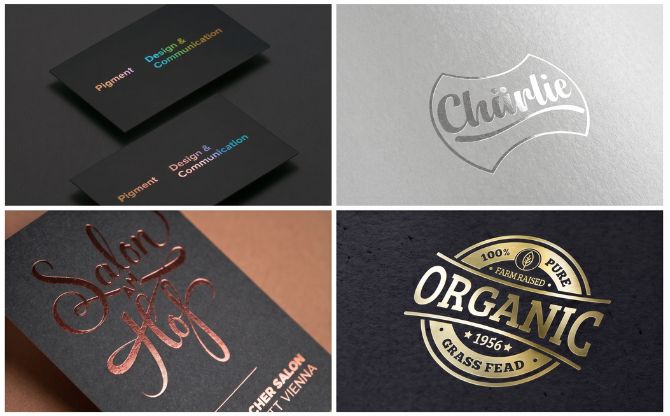
Add a metallic or holographic sheen to your logo or key elements. Foil catches the light and signals premium the second a customer picks up the box.
- Gold, silver, rose gold, holographic, and more
- Works on every box style and material
- Pairs cleanly with matte lamination
- No extra setup fee on standard foils
Emboss/Deboss
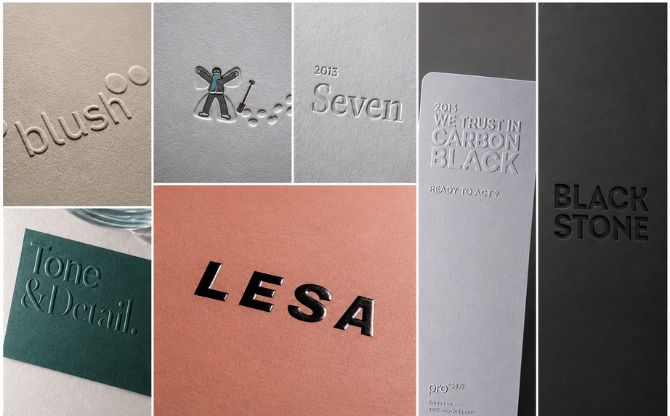
Press your logo or pattern into the stock for a raised or recessed texture customers feel before they read it. No ink; the impression does the work.
- Single-level or multi-level dies
- Works on Kraft, SBS, and rigid stock
- Pairs with foil for a tactile, premium hit
- Best on uncoated and matte surfaces
Lamination
A protective film over the printed surface that locks in the finish and guards against scuffs, moisture, and handling.
- Matte for a soft, muted look
- Gloss for high shine and color pop
- Soft-touch for a velvet feel
- Extends durability on shipping and retail boxes
Spot UV
A high-gloss coating on select areas: logo, title, pattern; for sharp contrast against a matte background.
- Gloss-on-matte contrast
- Highlights logos and key artwork
- Pairs with soft-touch lamination
- Registered precisely to your dieline
Custom Inserts
Fitted inserts that hold product in place, cut movement in transit, and control the reveal on opening.
- Foam, corrugated, or paperboard
- Cut to your exact product dimensions
- Protects fragile and multi-piece items
- Builds a deliberate unboxing sequence
Custom Styles
A cut-out with clear film so customers see the product without opening the box, built for retail shelves.
- PET or PVC film options
- Any shape, sized to your dielines
- Ideal for food, cosmetics, and gifts
- Balances protection with visibility
Unlimited Customizations
Every Detail, Your Way
Endless finishing options so your product packaging looks exactly how you imagined it — and then some.
Packaging Made Easy.
Four steps, no back-and-forth. Send your spec or a rough idea. We build the dieline and a 3D mockup for your approval, print and produce with a color check before the run, and ship to your door. You get one dedicated contact the whole way, someone accountable, not a ticket queue.
Customer Stories
Brands That Trust P&S
From boutique fashion labels to fast-growing DTC brands; here’s what our customers are saying.
“The magnetic closure boxes for our accessory line look absolutely stunning. The foil stamping on our logo is better than anything I’ve seen at twice the price.”
Michael Schmidt.
Founder, Bloom Apparel Co.
“We switched to P&S for our clothing boxes and the difference was immediate. Our customers now post unboxing videos without asking, says everything.”
Owner, STD Leather Co.
“As a shoe brand, I was nervous about minimums and quality. P&S had no MOQ and the shoe boxes arrived within time, perfect quality, every single time.”
CEO, Strider Footwear.
Common Questions
Frequently Asked Questions
Everything you need to know about ordering custom packaging.
What is temperature-resistant pharmaceutical packaging used for?
It’s designed to ship and store medicines, supplements, and other health products while limiting exposure to heat, cold, moisture, and light that can affect product stability during transit and storage.
Can you make custom inserts or dividers for vials, ampoules, or blister packs?
Yes. We can design custom inserts, dividers, or trays that hold vials, ampoules, or blister cards securely in place, reducing movement and breakage during shipping.
Are these boxes suitable for cold-chain or refrigerated pharmaceutical shipments?
Standard boxes are built for protection during typical shipping conditions. If your product needs insulated or refrigerated packaging, share those requirements when requesting a quote so we can size and construct accordingly.
Can I include batch numbers, lot codes, or expiration dates on the packaging?
Yes. Digital and offset printing support variable text like batch numbers, lot codes, and expiration dates alongside your branding and product information.
Are these boxes suitable for both retail pharmacy and bulk distribution shipping?
Yes. Sizes and constructions range from smaller retail-ready boxes to sturdier cartons built for bulk or wholesale distribution shipments.