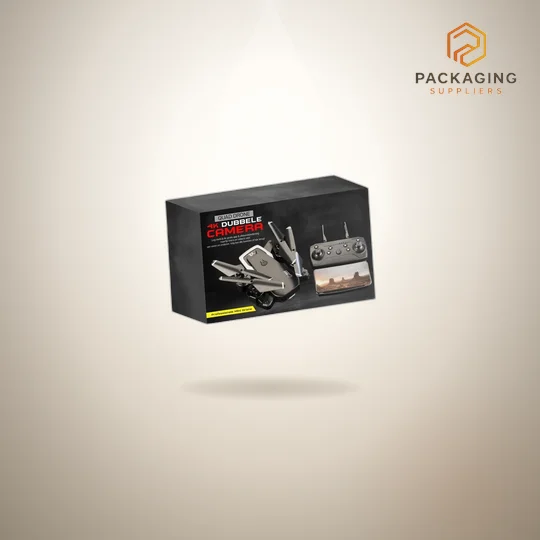
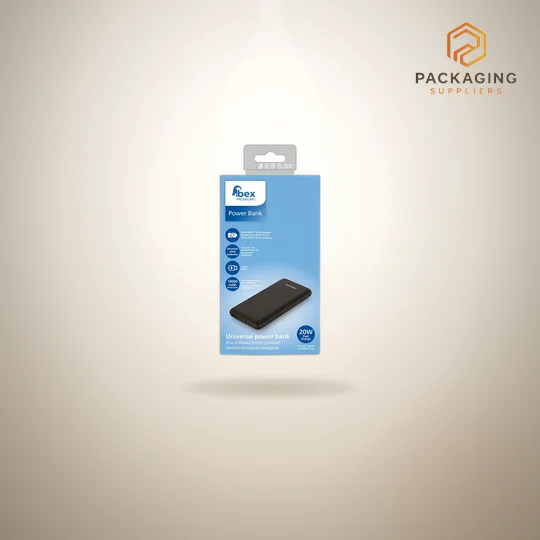
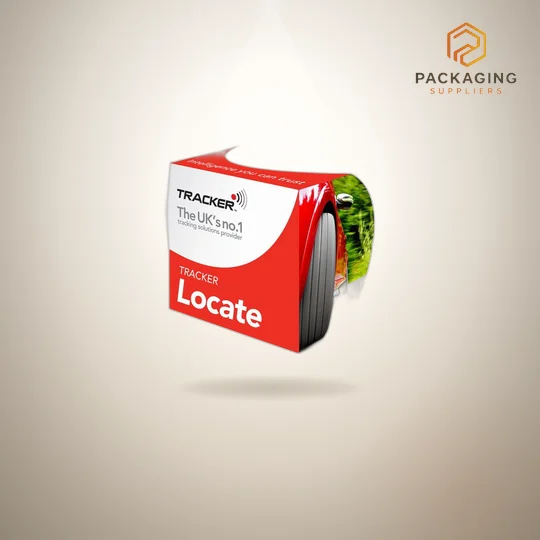
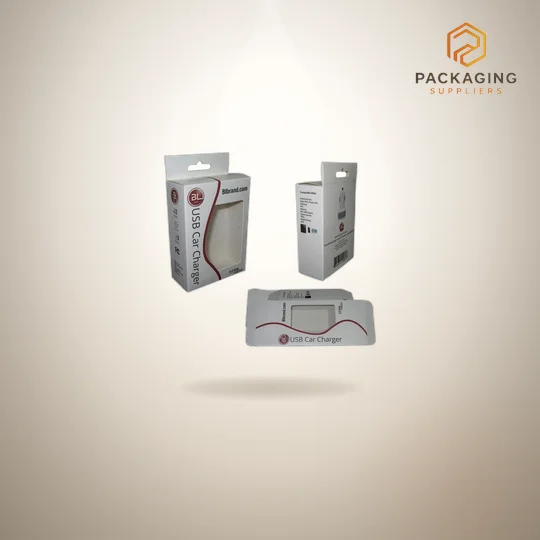
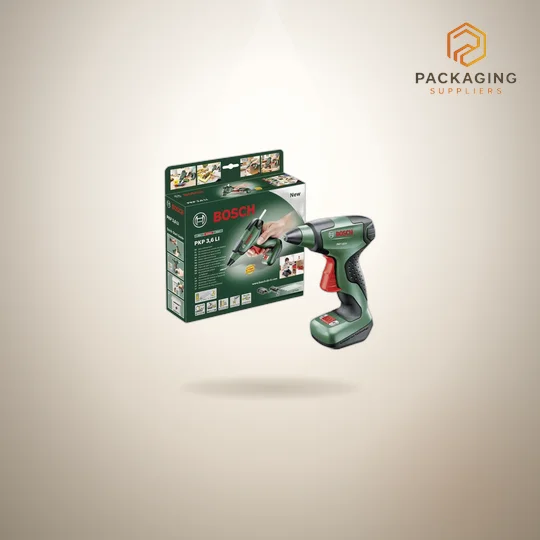
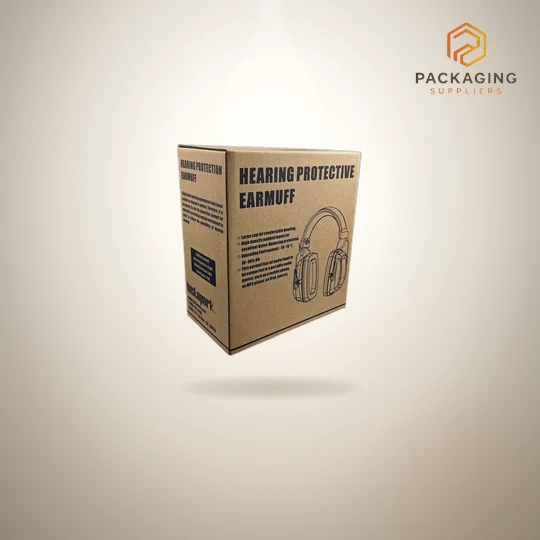
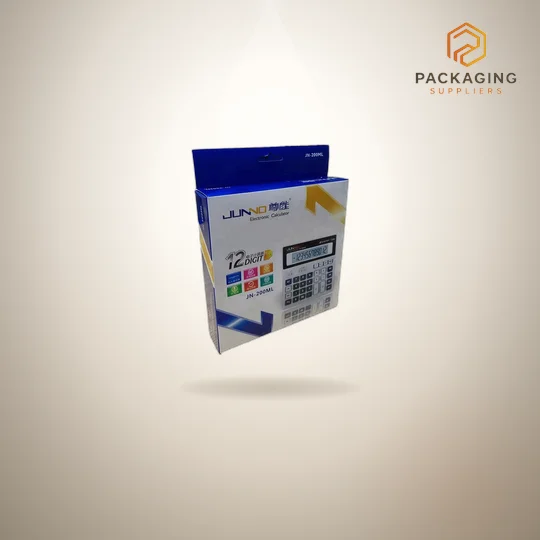
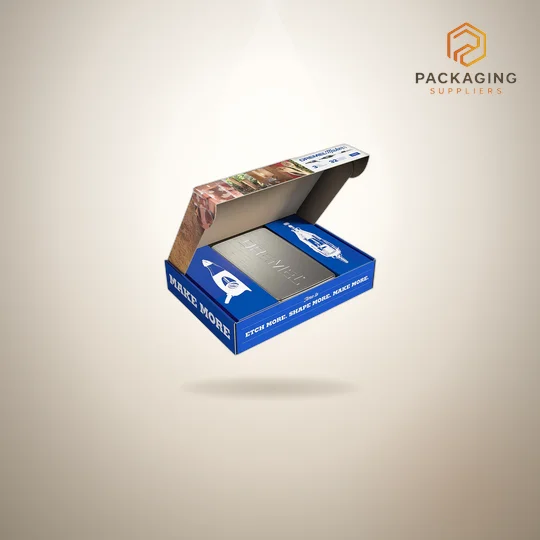
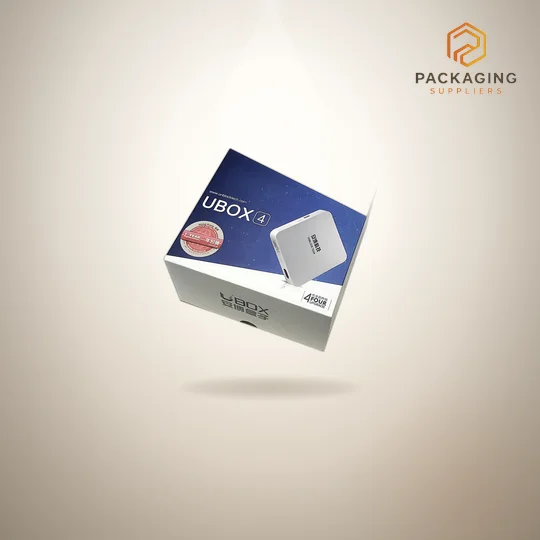
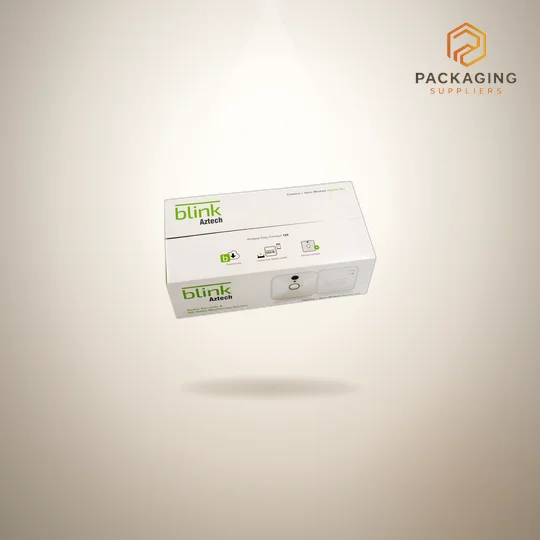
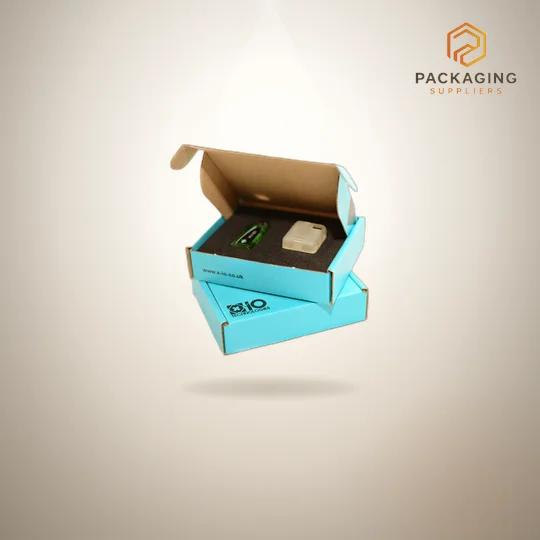
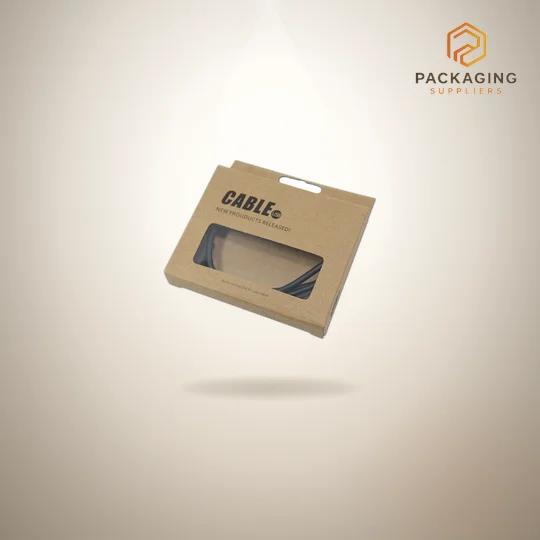
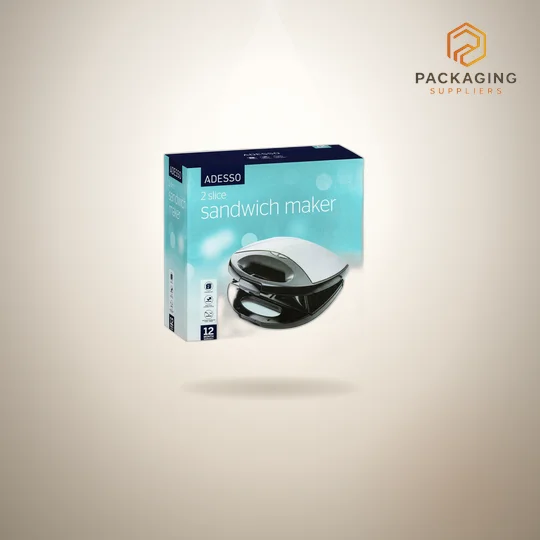
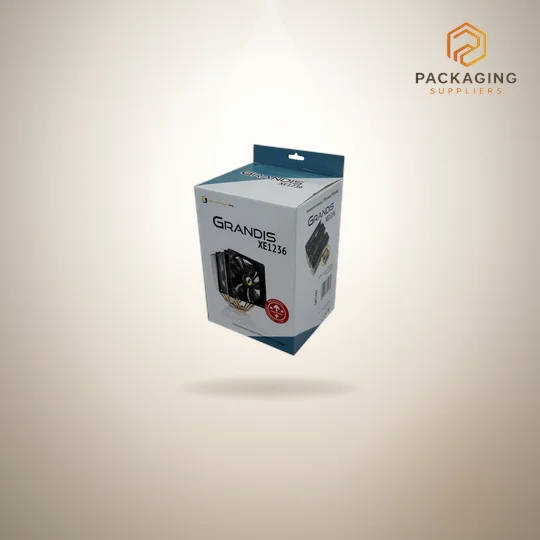
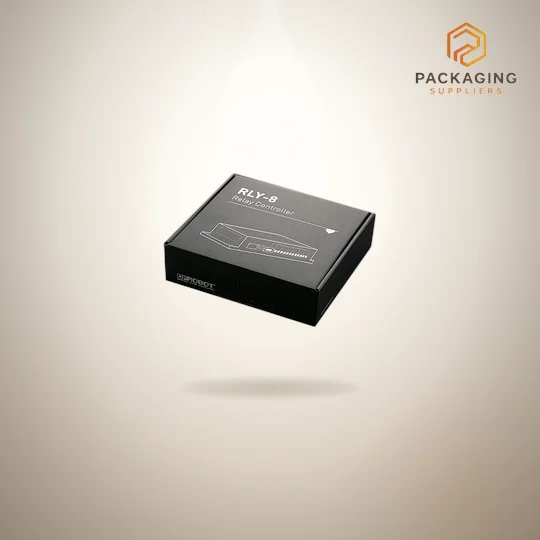
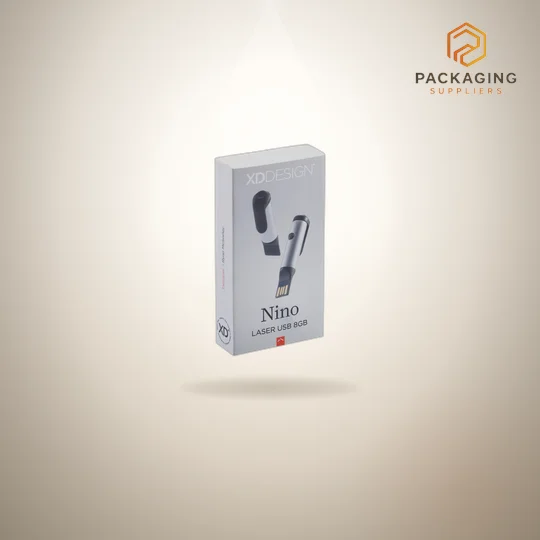
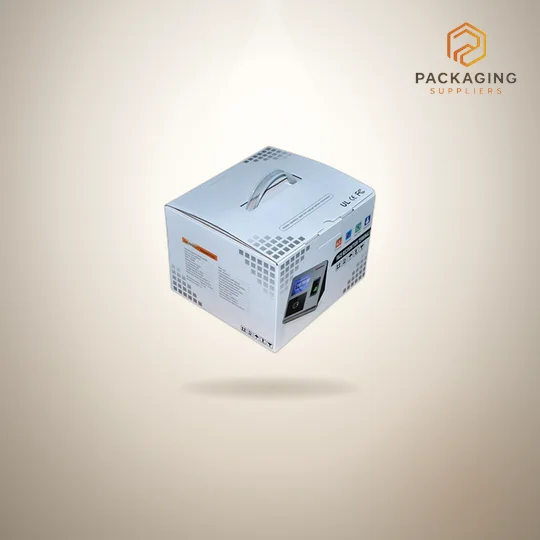
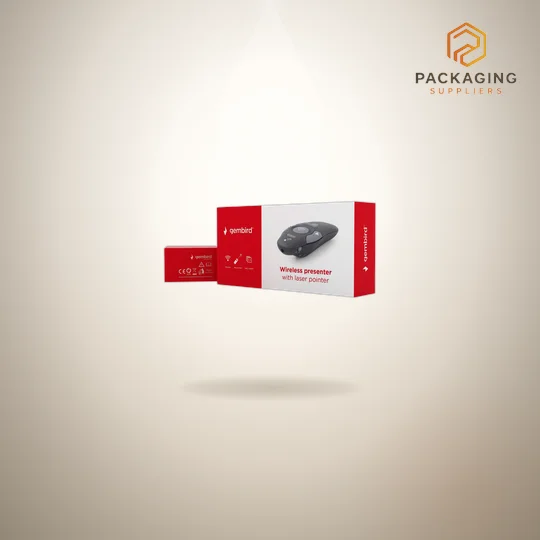
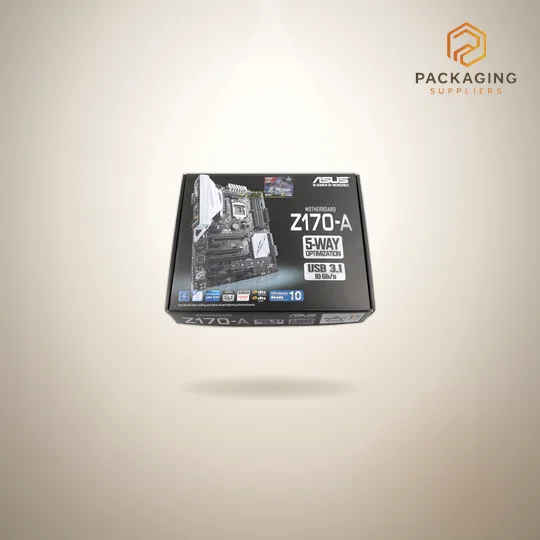
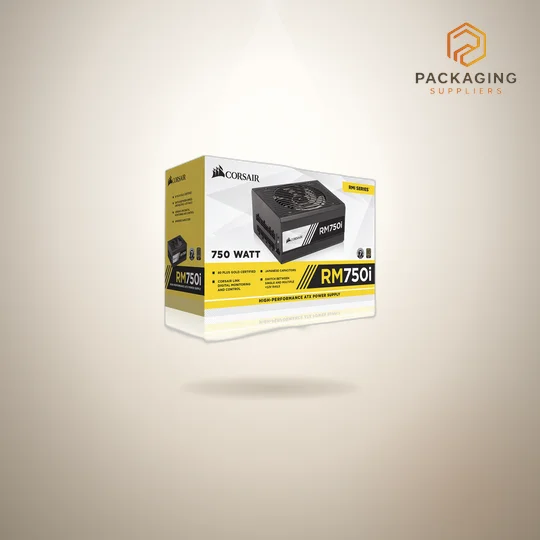
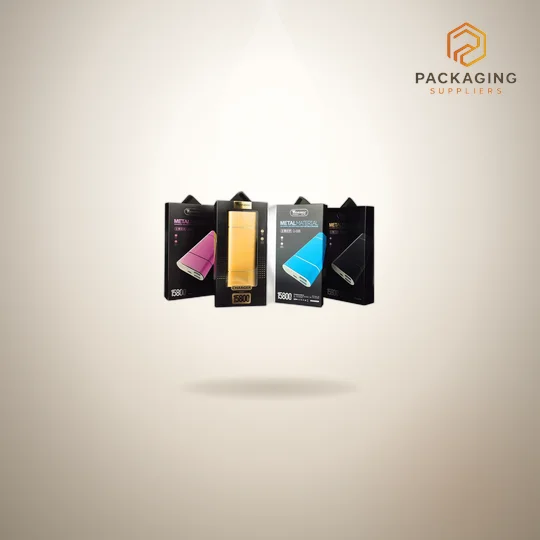
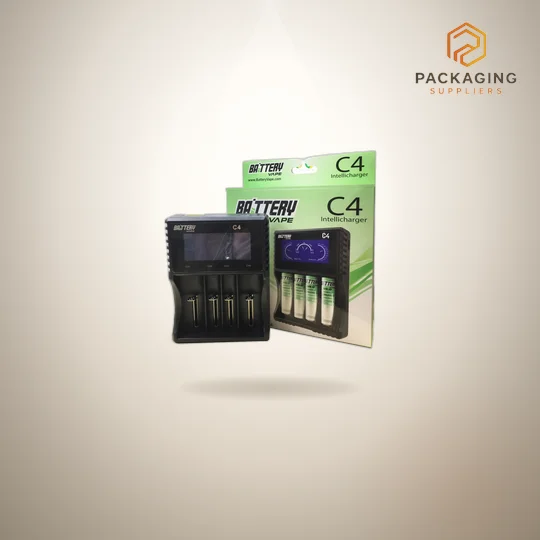
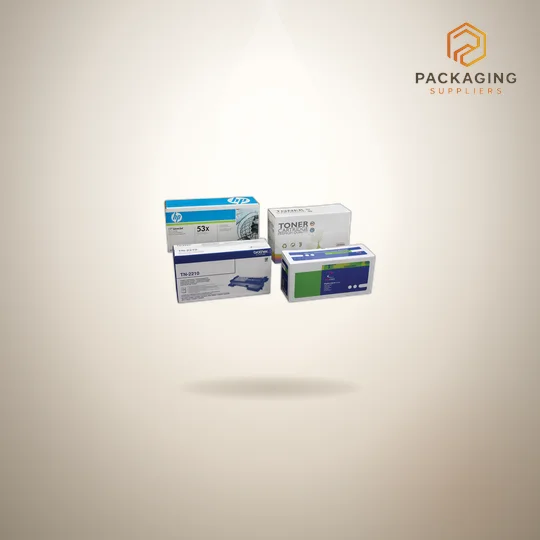
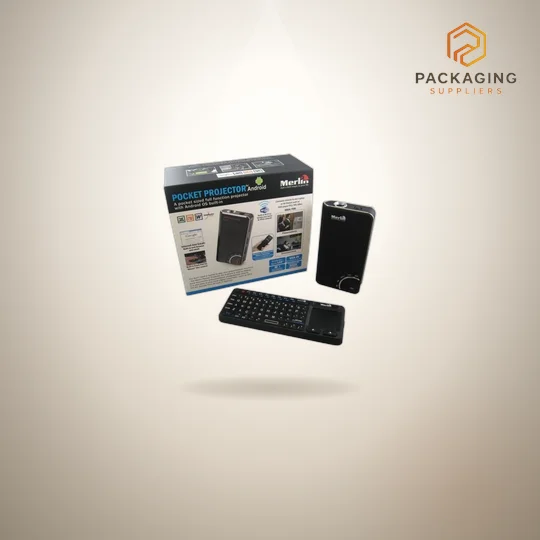
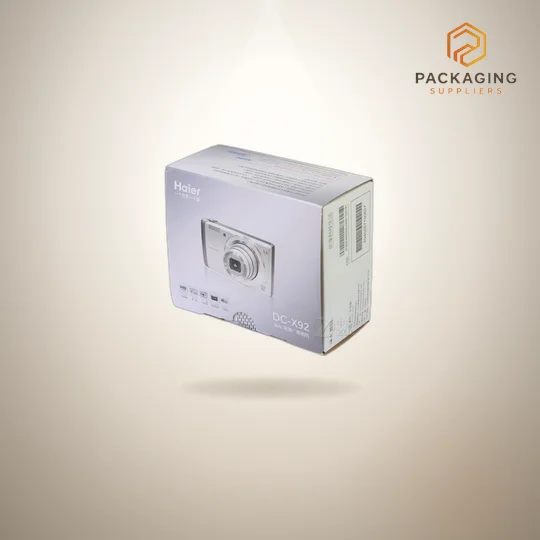
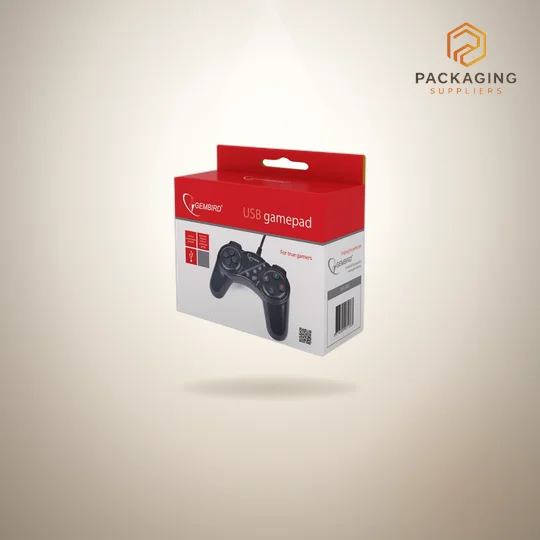
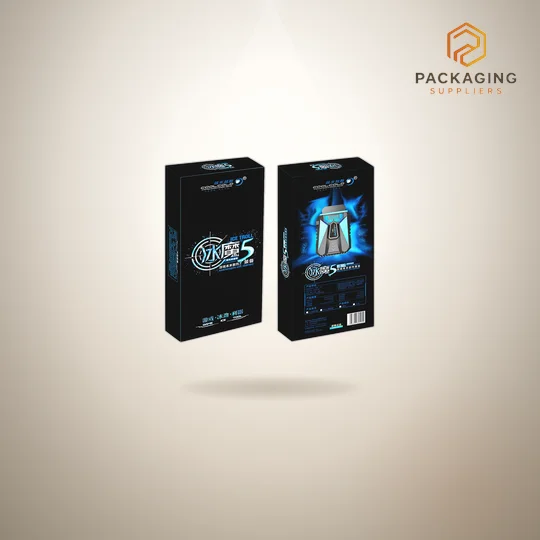
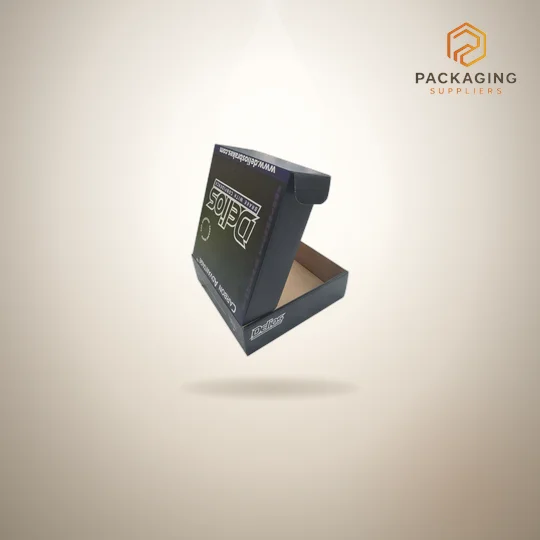
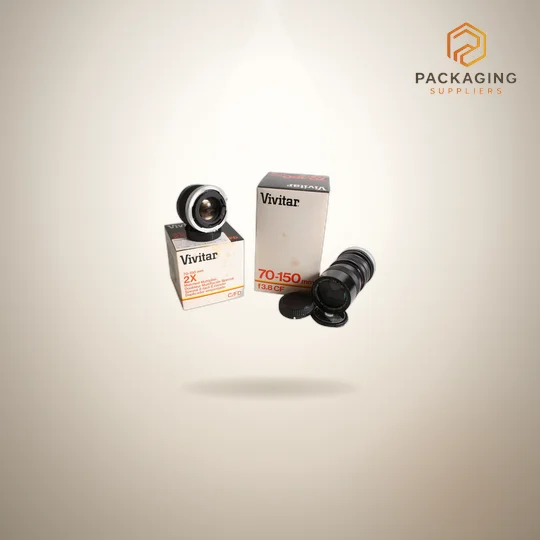
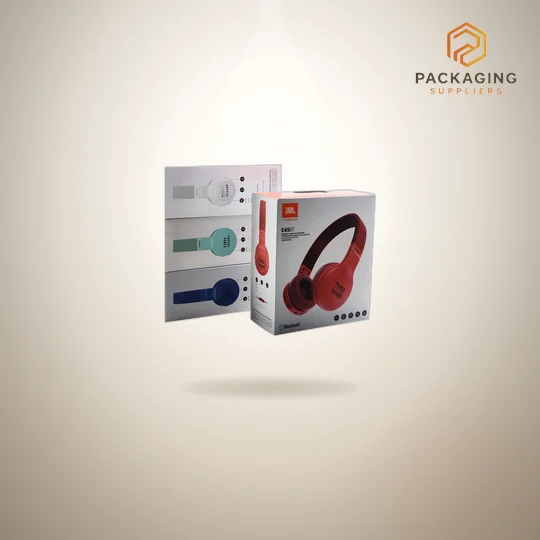
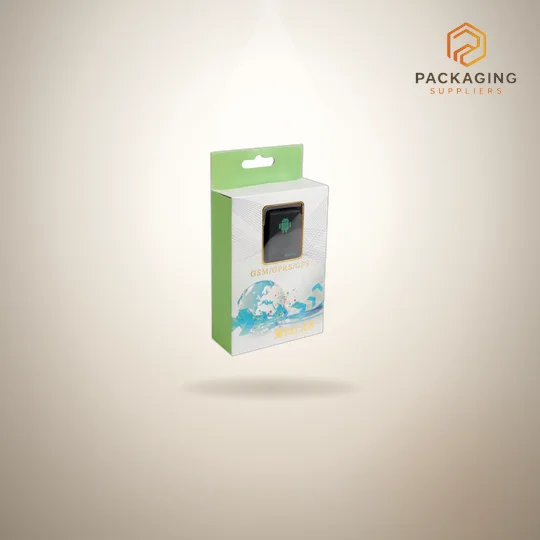
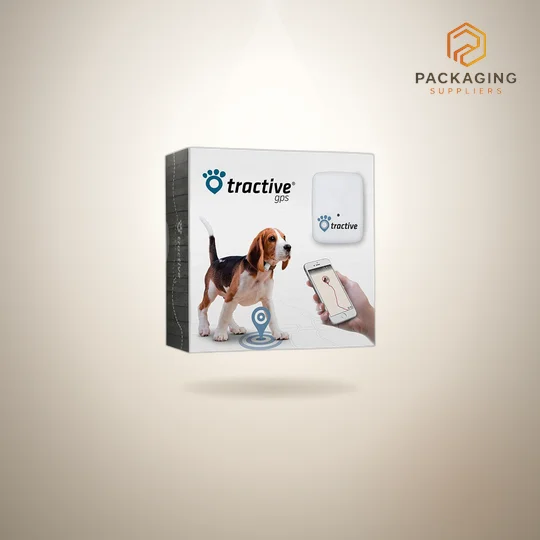

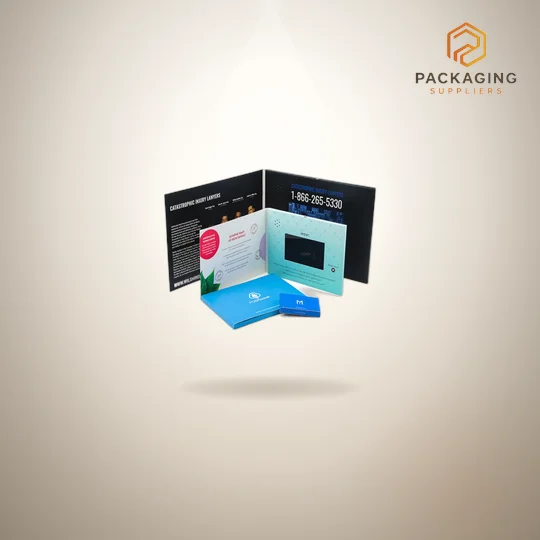
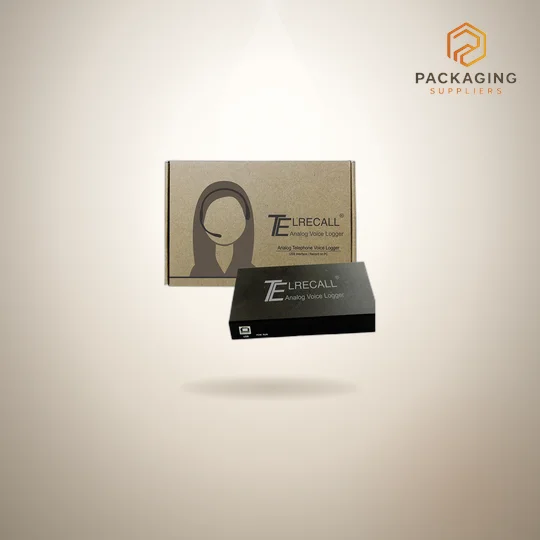
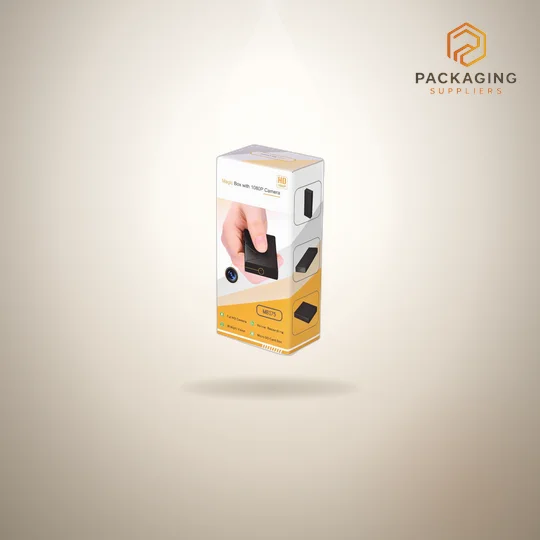
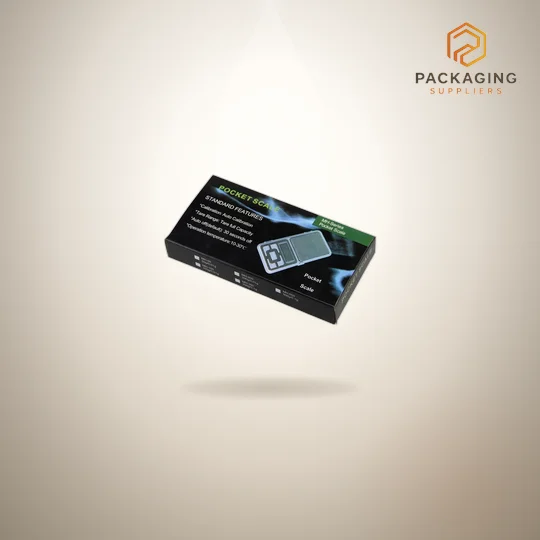
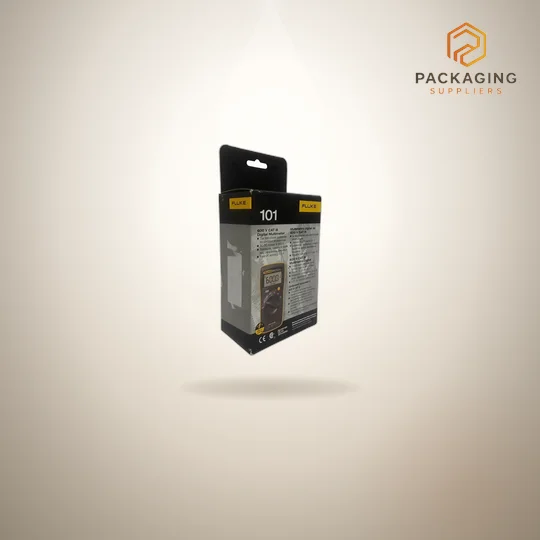
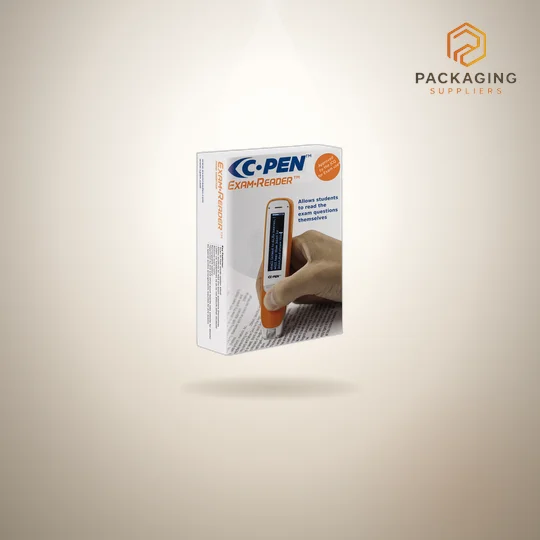
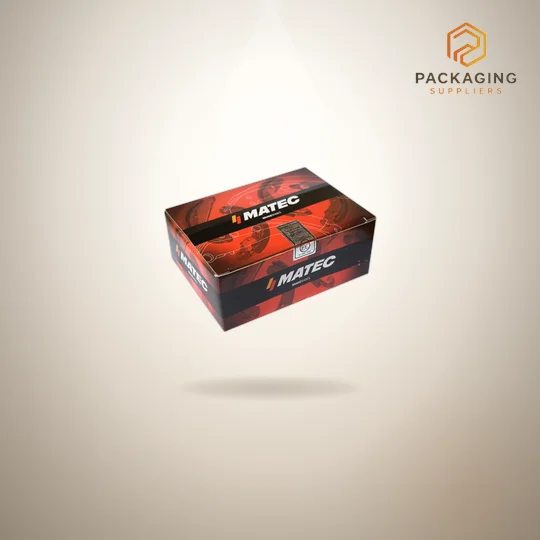
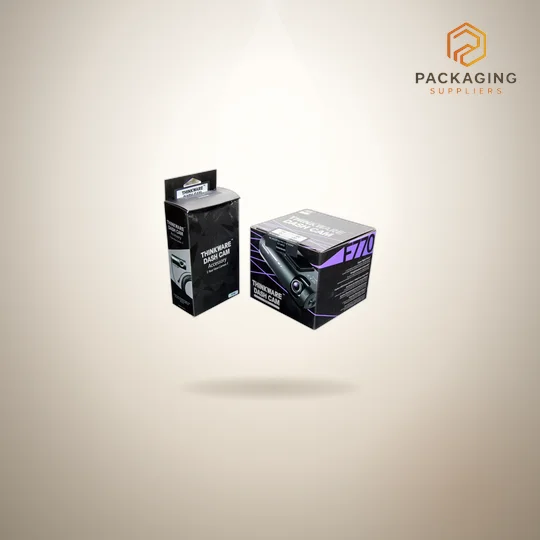
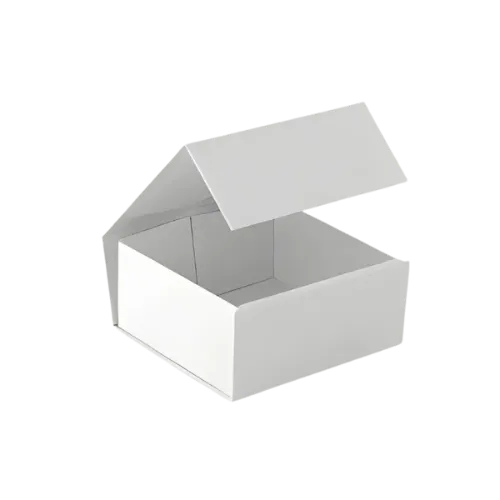
Custom Electronics Boxes for Devices and Accessories
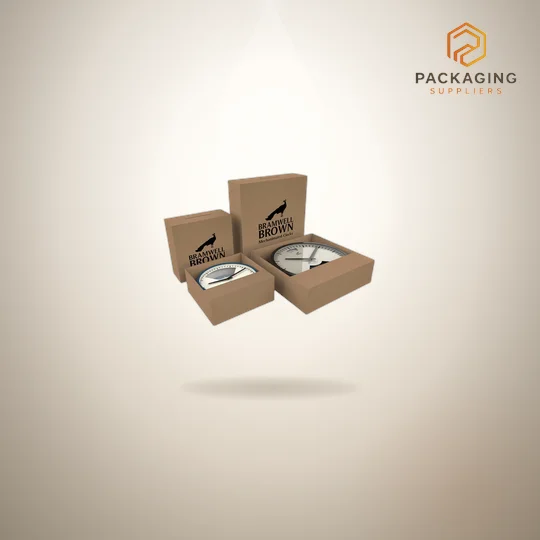
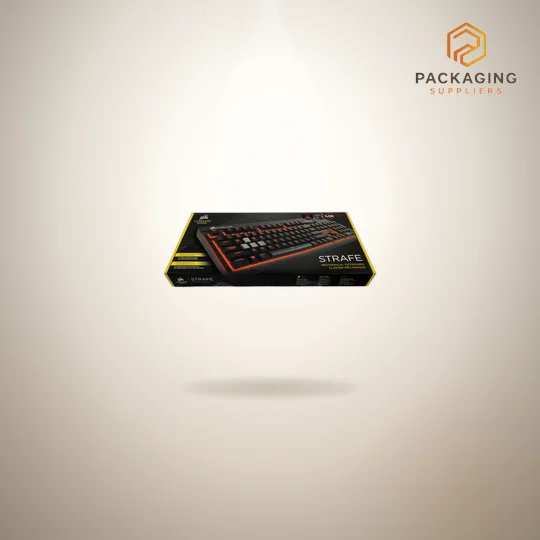
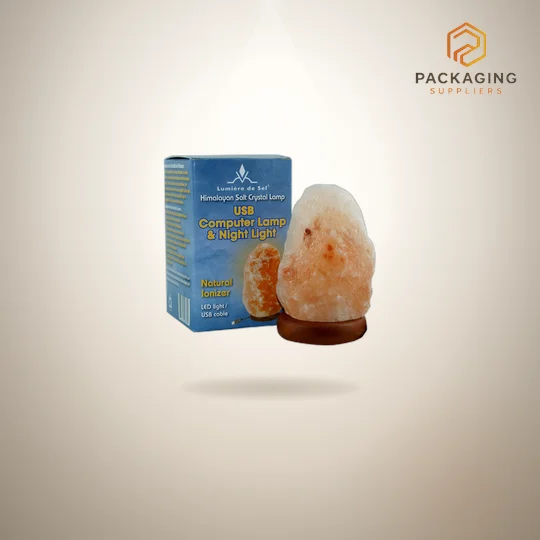
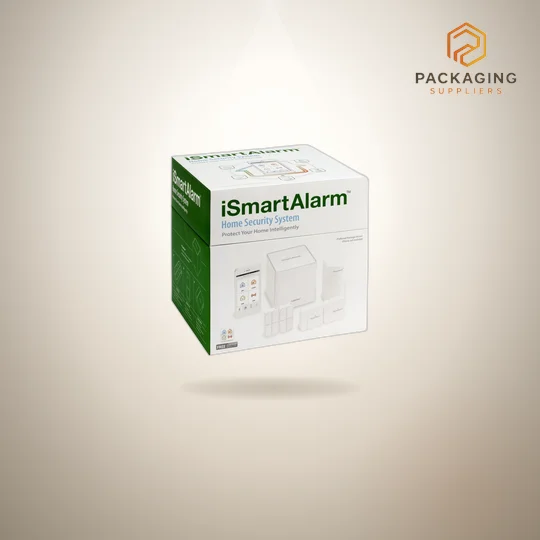
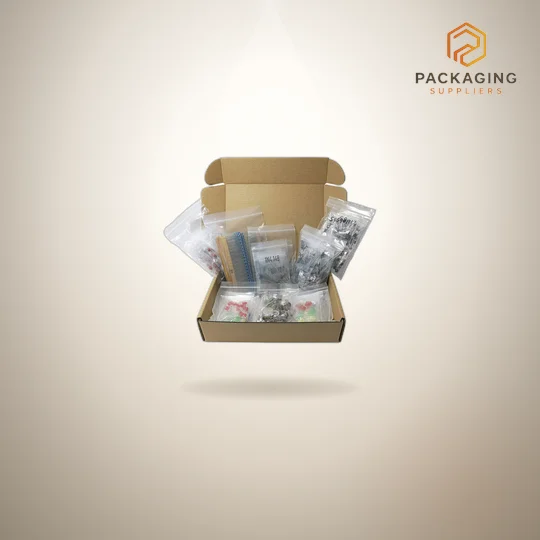
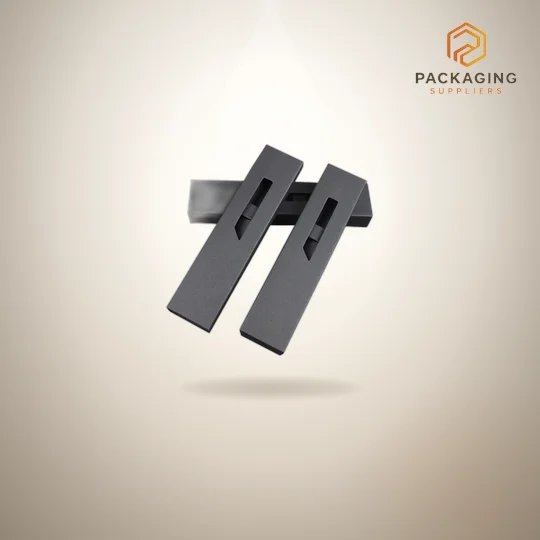
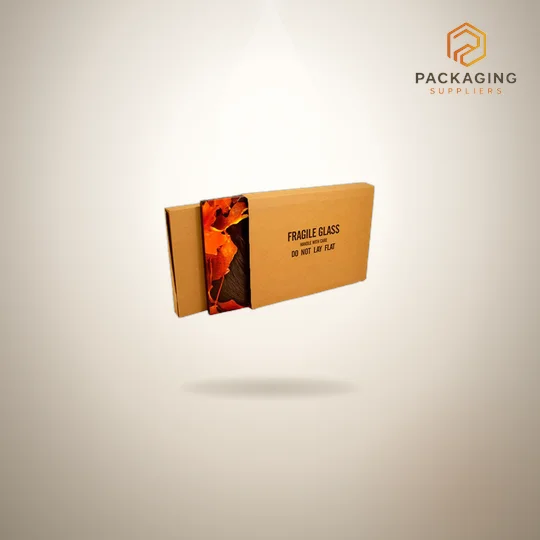
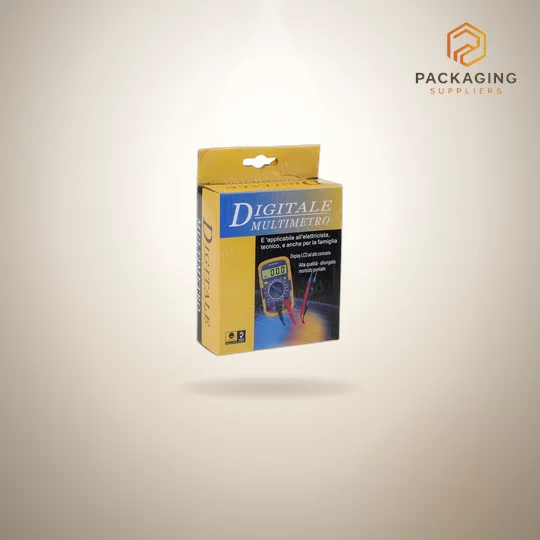
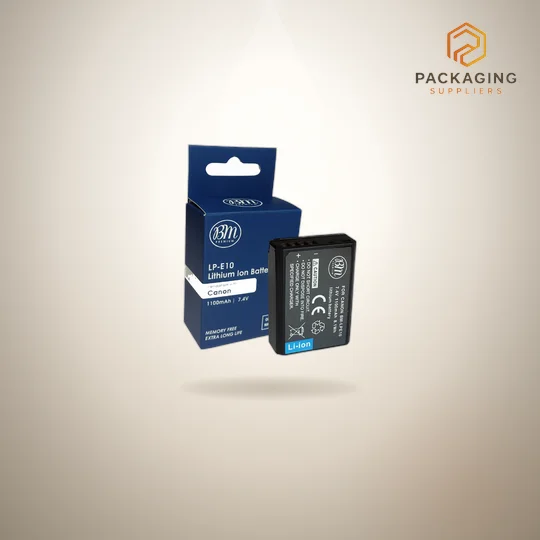
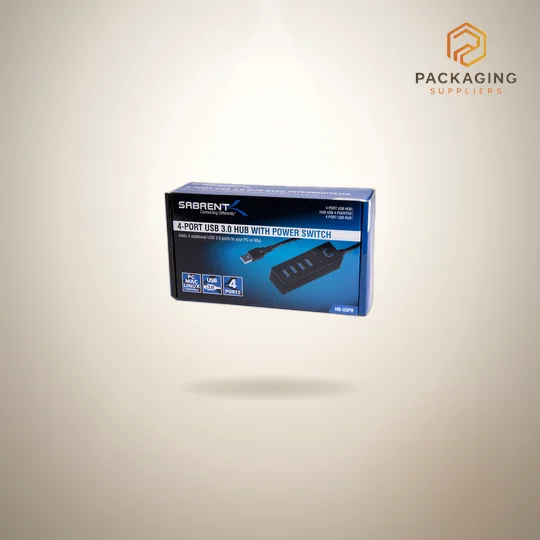
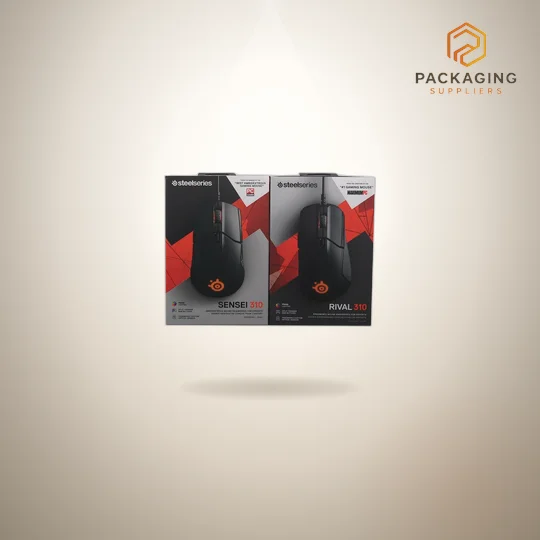
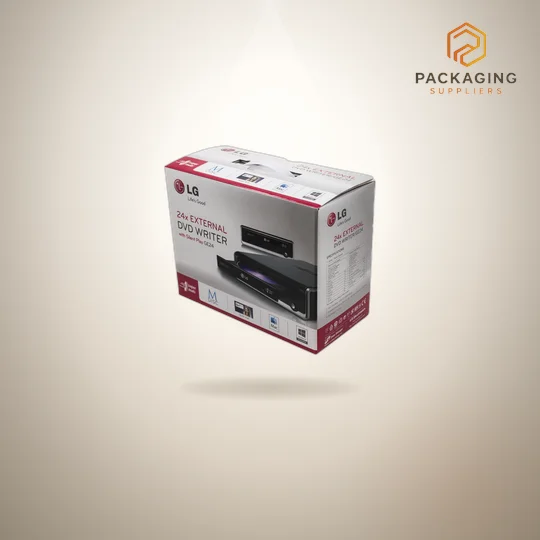
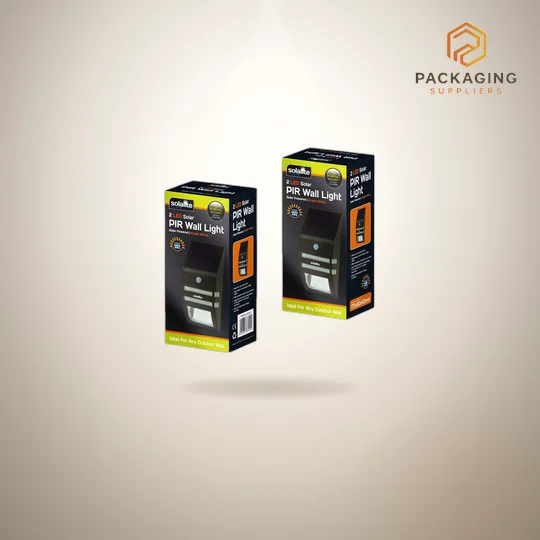
Electronics boxes carry products that are heavier than they look and often ship with cables, adapters, and manuals that need their own place in the box. Order rigid boxes, corrugated mailers, and two-piece telescoping boxes with foam or fitted inserts that hold the device and its accessories separately.
Configure & Order
Find the Right Box for Your Electronics Product
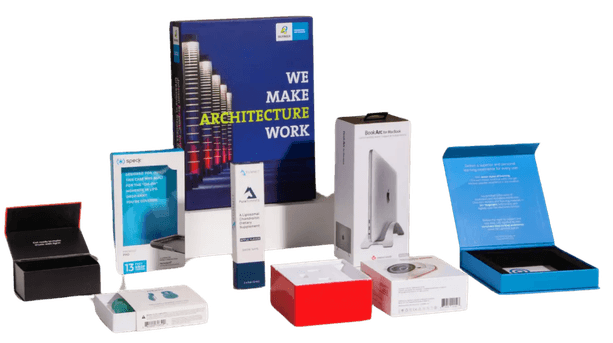
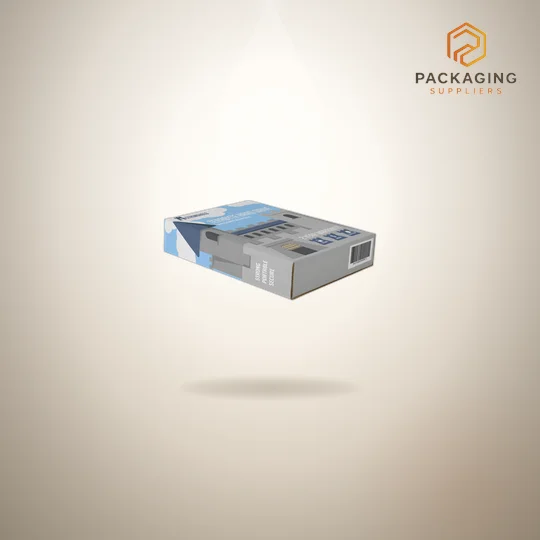
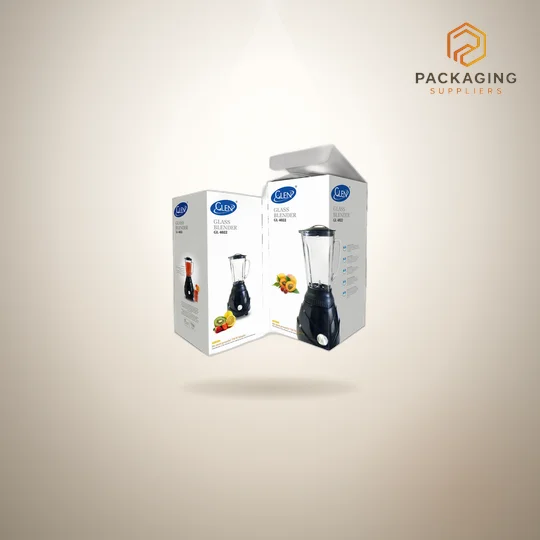
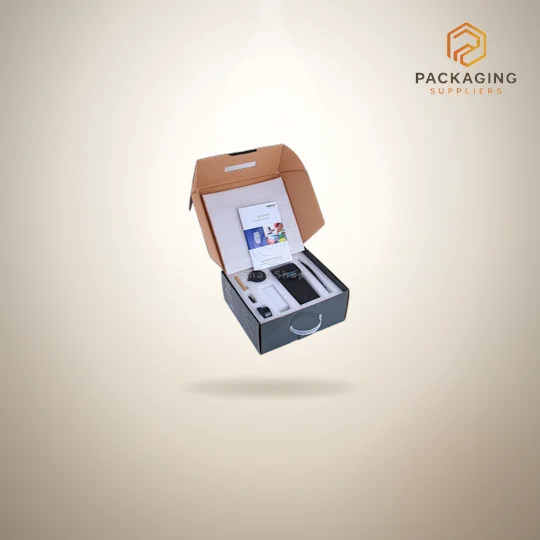
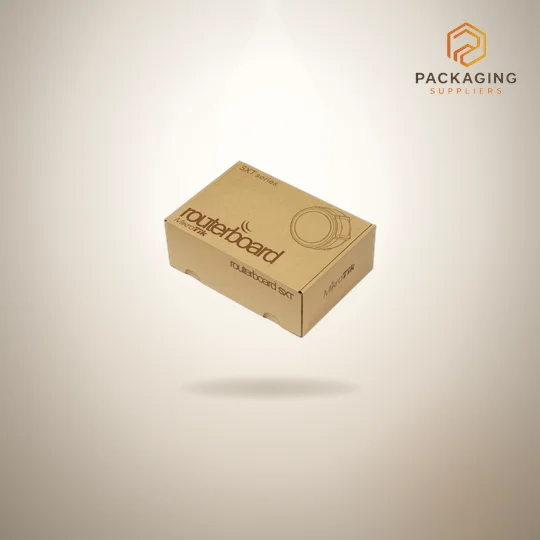
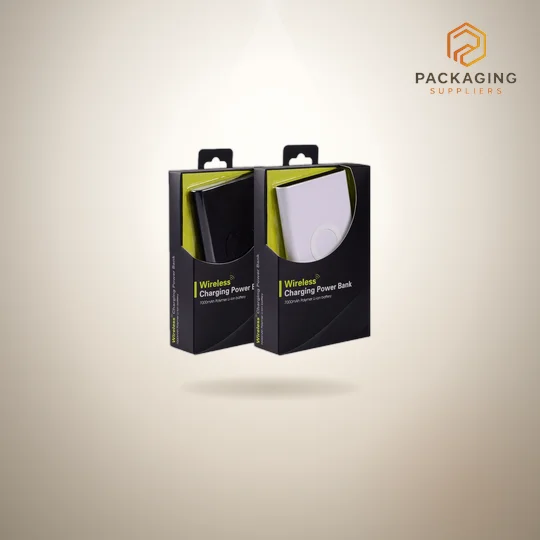
Below are electronics box styles for devices and accessories, including phone and earbud boxes, power bank and charger boxes, rigid presentation boxes, and corrugated shippers for larger items. Each is built to your product dimensions with insert options matched to the weight and number of components inside.
Get A Free Quote
Fill in your specs — our team responds within 24 hours.
🔒 SSL Secure · No spam, ever · Response within 24 hours

Folding Caron
Lightweight board for retail boxes and lighter products. Clean print surface, cost-effective at volume.

Corrugated
Fluted board with real crush protection in multiple flute grades. The workhorse for shipping and mailers.
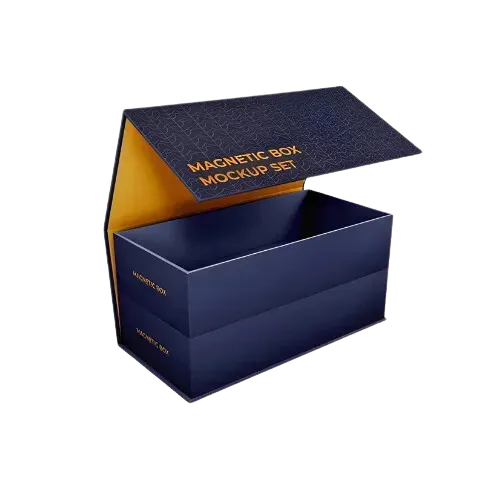
Rigid
Thick chipboard with a premium, weighty feel. Built for gift-tier and higher-priced products.
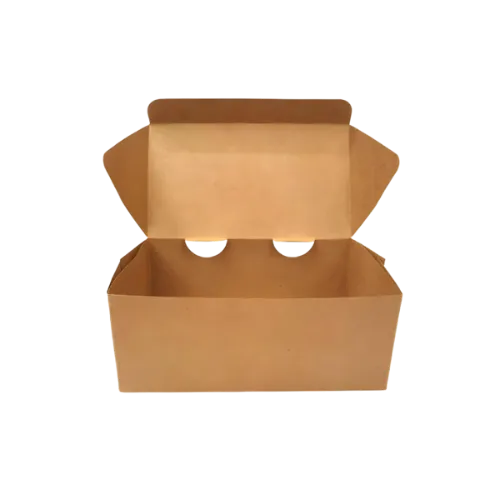
Kraft
Recyclable, natural-brown board with a tactile, unbranded feel. The default for eco-first brands.
Material
Stock Type and Thickness
A box is only as good as the board it’s cut from. Here are the four stocks we run; pick by how your product ships and how you want it to feel.
Why Choose Us
Present your small business as a Brand
You don’t need an enterprise budget to look like an established brand. We handle the structure, the print, and the finish so your packaging earns its place on the shelf and in the unboxing.
Packaging strategies
We help you pick the box, stock, and finish that fit your product and your margins. Not the most expensive option; the right one
Idea to Production
Bring a rough concept, or a competitor's box you want to beat. We turn it into a manufacturable design with real specs.
In-House Design & Artwork
Our designers build your dieline and artwork in-house. No outsourced middle layer, no guesswork on print-readiness.
Prototypes & 3D Mockups
See your box as a 3D mockup, then order a physical prototype before you commit to a full run.
Worldwide Delivery
We manufacture direct and ship to 100+ countries, with quality checked before anything leaves the floor.
Free & Reliable Shipping
Free shipping on bulk orders, tracked to your door, on the turnaround we quote.
Electronics Packaging Guide
Custom Electronics Packaging for Devices, Components & Accessories
Electronics packaging has a narrower margin for error than most categories. The box has to hold a product in one fixed position, absorb whatever happens in transit, and often look premium enough to justify the price on a shelf — all while fitting a product whose dimensions may still be changing.
Custom electronics packaging for consumer devices, components, and accessories, built around an insert that actually fits your product and verified before you commit to a production run.
Prototype Your Insert Before Volume
Insert fit is where electronics packaging usually goes wrong, and it goes wrong for a predictable reason: hardware dimensions change between revisions. A component moves a few millimetres, a housing gets a thicker wall, a connector shifts position — and an insert cut for the previous revision no longer holds the product properly. Because at Packaging Suppliers, we produce a 3D mockup and a physical sample before production, and because there’s no minimum order, you can confirm the fit against the actual unit in hand rather than against a spec sheet that’s already a revision behind.
Structural Box Styles for Electronics
The right structural style depends mainly on where the box gets assembled and who fills it. A box destined for a retail partner’s shelf has different requirements from one you pack and ship yourself.
Retail-Ready (Pre-Glued) vs. Self-Sealing Shipping Styles
A retail-ready or pre-glued box (sometimes called RTE) arrives already glued along its seams and ready to fill. Nothing needs assembling at the point of sale, which matters if your product is sold through retail partners or fulfillment centers who won’t want to build boxes. The trade-off is that a pre-glued box ships and stores assembled or partly assembled, so it takes more space than flat stock.
A self-sealing style closes with a single peel-and-press adhesive strip built into the flap. It’s designed for the direct-to-consumer case: you build and seal the box once, in-house, before it ships. No tape gun, no tape line across your printed design, and a cleaner arrival for the customer. Self-sealing strips also make the box tamper-evident in a basic sense — the strip can’t be reopened cleanly.
Integrated Box-and-Insert Construction
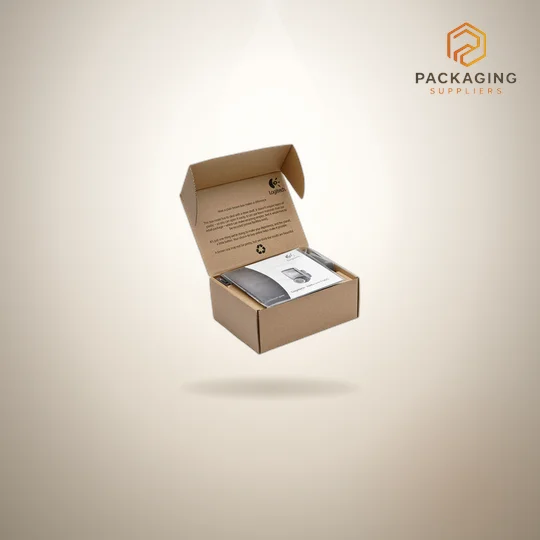
For rectangular or square products — routers, small appliances, chargers, accessories — an integrated design forms the retaining structure from the same die-cut sheet as the box itself. The product sits in a fixed position without a separate foam or molded piece. This reduces part count, which means fewer components to store, fewer to assemble incorrectly, and one less item that can be left out during packing. It’s also the most straightforward option to keep fully recyclable, since there’s no mixed material to separate.
A snap-lock bottom is worth specifying on anything with real weight. The base locks under load rather than relying on tape alone, which is the difference between a box that holds and a box that drops its contents when picked up by the wrong edge.
Box Style Comparison
| Style | Assembled By | Best For | Trade-off |
|---|---|---|---|
| Pre-glued / retail-ready | Arrives assembled | Retail partners, 3PL fulfillment | Takes more storage and freight space |
| Self-sealing | You, in-house | Direct-to-consumer shipping | Single-use closure, not resealable |
| Integrated box-and-insert | You, in-house | Rectangular devices, recyclable builds | Less suited to irregular shapes |
| Snap-lock bottom | You, in-house | Heavier units | More material per unit |
Insert Types: Foam, Corrugated, and Molded-Fit
Three insert approaches cover most electronics, and the choice is usually a balance between how precisely the product needs holding and how much you want to spend per unit.
Corrugated inserts are die-cut from the same board family as the box. They’re the most economical option, fully recyclable, and well suited to products with flat or boxy geometry. Foam inserts — polyethylene, polyurethane, or EVA — are cut or molded to the product’s shape and give genuine cushioning against shock and vibration rather than just position retention. Molded-fit inserts, whether molded foam or molded pulp, follow the product contour closely and are the right choice for irregular shapes or where the insert itself is part of the unboxing impression.
Worth noting: a foam insert cut to hold a product snugly is doing two different jobs — locating the product and absorbing impact — and those can conflict. An insert tight enough to eliminate movement transmits shock directly into the product. This is one of the specific things a physical sample resolves that a drawing cannot.
Static-Safe Materials for Sensitive Components
Bare boards, components, connectors, and anything with exposed contacts can be damaged by electrostatic discharge, and standard packaging materials don’t address it. ESD-safe materials are graded by electrical resistance, which is what the color coding in the industry actually signals: pink foam is typically anti-static or dissipative, black foam is conductive, with conductive grades sitting around 10³ to 10⁵ ohms so charge is carried away rather than allowed to build.
On the box side, specially coated corrugated board creates a Faraday cage effect, channelling static around the outside of the pack instead of through the contents. Pairing a coated ESD corrugated outer with a dissipative or conductive foam insert is the standard combination for genuinely static-sensitive shipments.
For a finished consumer device in a sealed housing, ESD materials are usually unnecessary — the housing itself provides the protection. The case for specifying them is strongest for bare boards, loose components, and anything shipped to a workshop or assembly line rather than to an end user.
Materials by Tier: Corrugated, Rigid, and Kraft
Corrugated is the standard for shipping electronics — good crush resistance, a printable surface, and low cost relative to strength. Rigid board wrapped in printed paper is the premium tier, worth the higher cost and weight where the box is part of the product’s perceived value rather than just its transport. Kraft sits apart from the strength question: it’s the choice for brands wanting a minimalist, visibly recyclable presentation, and it happens to double as the basis for the discreet-exterior approach below.
Discreet Packaging to Reduce Porch Theft
Higher-value electronics get targeted in transit and on doorsteps partly because the packaging announces what’s inside. A heavily branded box for a known product category is an advertisement to anyone walking past a porch.
The practical answer is to invert the printing: a plain kraft or unbranded exterior, with your logo, product photography, and brand messaging printed on the inside faces of the box and on an insert card. The customer still gets the full branded unboxing the moment they open it — the box just doesn’t broadcast its contents while it sits on a step. Because this is a design decision rather than an added material or process, it typically costs no more than a conventionally printed box, and often slightly less if it reduces exterior print coverage.
Printing and Finish for Premium Product Perception
Packaging quality shapes how a customer judges a device before they’ve powered it on, which is why premium electronics brands invest heavily in the box. Most of that effect comes from a small number of things: precise die-cutting with no visible misregistration, an insert that holds the product without slack, and a finish that feels considered in the hand.
Soft-touch lamination is the most reliable way to make a box feel more expensive than it costs — it has a velvety surface and resists fingerprints, which matters on a box customers handle before opening. Spot UV over a matte base draws attention to a logo without adding color. Foil stamping and embossing both work well on rigid and folding-carton stock; on corrugated, fine detail holds less cleanly because of the fluted surface underneath, so it’s worth keeping foil and embossed elements bold rather than intricate.
Not sure which spec fits your product? Talk to our packaging team and we’ll help you choose board, size, and finish.
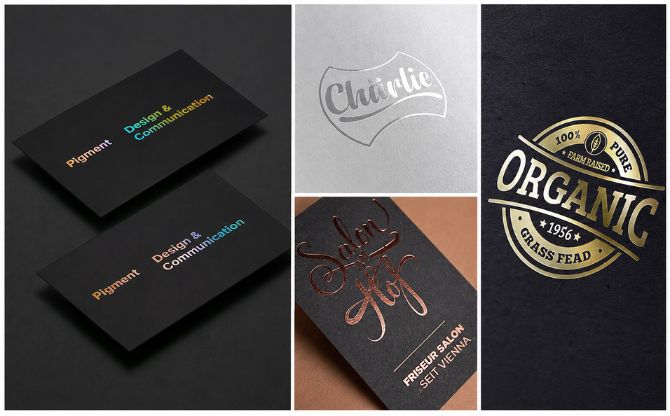
Foil Stamping
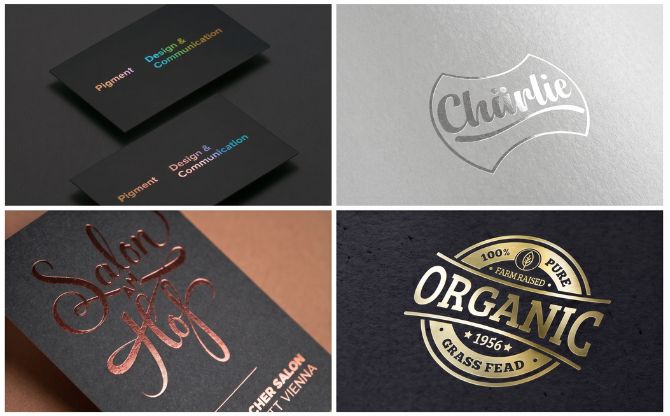
Add a metallic or holographic sheen to your logo or key elements. Foil catches the light and signals premium the second a customer picks up the box.
- Gold, silver, rose gold, holographic, and more
- Works on every box style and material
- Pairs cleanly with matte lamination
- No extra setup fee on standard foils
Emboss/Deboss
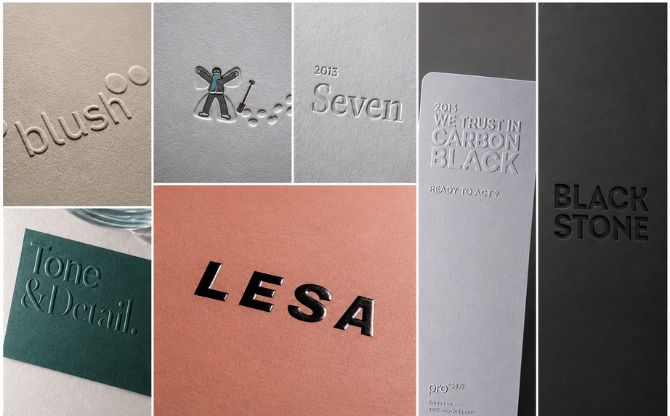
Press your logo or pattern into the stock for a raised or recessed texture customers feel before they read it. No ink; the impression does the work.
- Single-level or multi-level dies
- Works on Kraft, SBS, and rigid stock
- Pairs with foil for a tactile, premium hit
- Best on uncoated and matte surfaces
Lamination
A protective film over the printed surface that locks in the finish and guards against scuffs, moisture, and handling.
- Matte for a soft, muted look
- Gloss for high shine and color pop
- Soft-touch for a velvet feel
- Extends durability on shipping and retail boxes
Spot UV
A high-gloss coating on select areas: logo, title, pattern; for sharp contrast against a matte background.
- Gloss-on-matte contrast
- Highlights logos and key artwork
- Pairs with soft-touch lamination
- Registered precisely to your dieline
Custom Inserts
Fitted inserts that hold product in place, cut movement in transit, and control the reveal on opening.
- Foam, corrugated, or paperboard
- Cut to your exact product dimensions
- Protects fragile and multi-piece items
- Builds a deliberate unboxing sequence
Custom Styles
A cut-out with clear film so customers see the product without opening the box, built for retail shelves.
- PET or PVC film options
- Any shape, sized to your dielines
- Ideal for food, cosmetics, and gifts
- Balances protection with visibility
Unlimited Customizations
Every Detail, Your Way
Endless finishing options so your product packaging looks exactly how you imagined it — and then some.
Packaging Made Easy.
Four steps, no back-and-forth. Send your spec or a rough idea. We build the dieline and a 3D mockup for your approval, print and produce with a color check before the run, and ship to your door. You get one dedicated contact the whole way, someone accountable, not a ticket queue.
Customer Stories
Brands That Trust P&S
From boutique fashion labels to fast-growing DTC brands; here’s what our customers are saying.
“The magnetic closure boxes for our accessory line look absolutely stunning. The foil stamping on our logo is better than anything I’ve seen at twice the price.”
Michael Schmidt.
Founder, Bloom Apparel Co.
“We switched to P&S for our clothing boxes and the difference was immediate. Our customers now post unboxing videos without asking, says everything.”
Owner, STD Leather Co.
“As a shoe brand, I was nervous about minimums and quality. P&S had no MOQ and the shoe boxes arrived within time, perfect quality, every single time.”
CEO, Strider Footwear.
Common Questions
Frequently Asked Questions
Everything you need to know about ordering custom packaging.
What products are electronics boxes used for?
Common uses include phone cases and chargers, earbuds and headphones, power banks, keyboards and mice, smart home devices, cables and adapters, and small appliances. Anything where the device needs protection and the box carries branding and required product information at the same time.
Can the box hold cables, adapters, and manuals separately?
Yes. Fitted foam or corrugated inserts can be cut with separate wells for the device, a coiled cable, and a wall adapter, plus a flat compartment or lid pocket for manuals and warranty cards, so nothing shifts in transit.
How do you protect heavier devices from drops during shipping?
Board thickness is matched to product weight, with double-wall corrugated available for heavier items. Foam or suspension-style inserts hold the device away from the box walls so impact energy goes into the packaging rather than the product itself.
Is there space for FCC, CE, and other regulatory markings?
Yes. Panel layout accounts for compliance marks, recycling symbols, model and serial numbers, and spec tables alongside your branding. Send the marks you’re required to display with your artwork and we’ll lay them out so nothing gets cropped or crowded.
Can you supply anti-static or ESD-safe packaging?
Our boxes are paper-based outer packaging and aren’t ESD-rated on their own. If your product needs static protection, most brands pair the box with an ESD bag or liner. Tell us at quote stage so we can size the box around that liner.
Can you add tamper-evident seals or security features?
Yes. Options include seal labels across the opening, perforated tear strips, and tuck flaps that show if a box has been opened. This matters for electronics sold through marketplaces, where buyers check that a unit arrives sealed and unused.
Can you build a layered opening for premium devices?
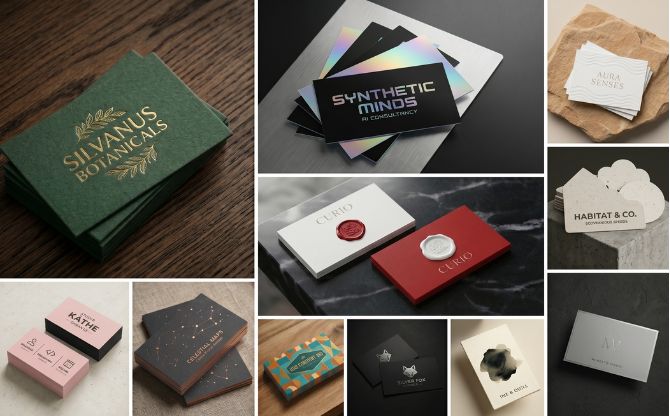
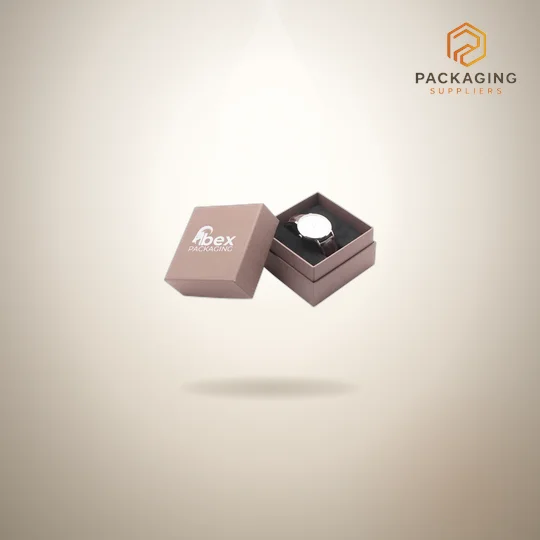
Yes. Two-piece rigid boxes with lift-off lids, stacked trays, and pull tabs let the device appear first with accessories in a layer underneath. Magnetic closures and soft-touch lamination are common on higher-priced electronics where the unboxing is part of the experience.