


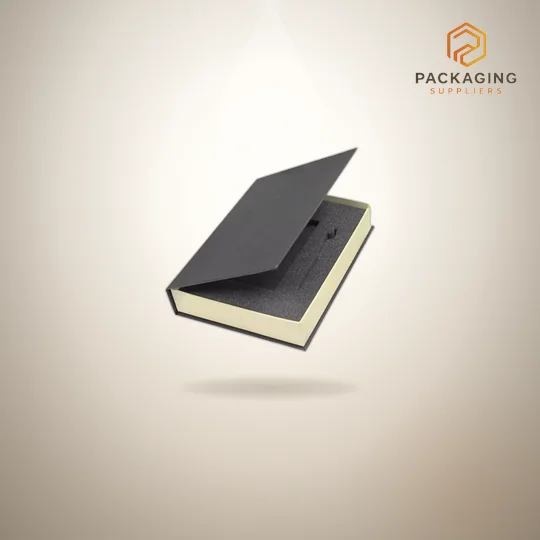
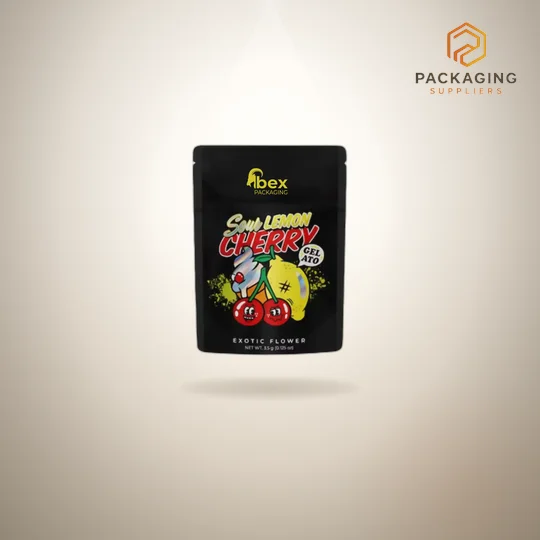
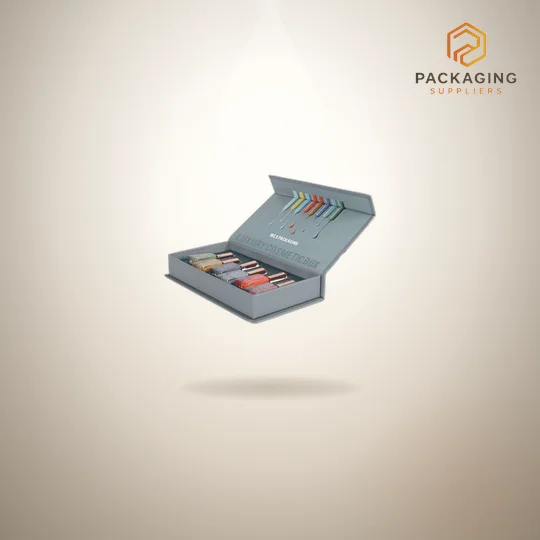
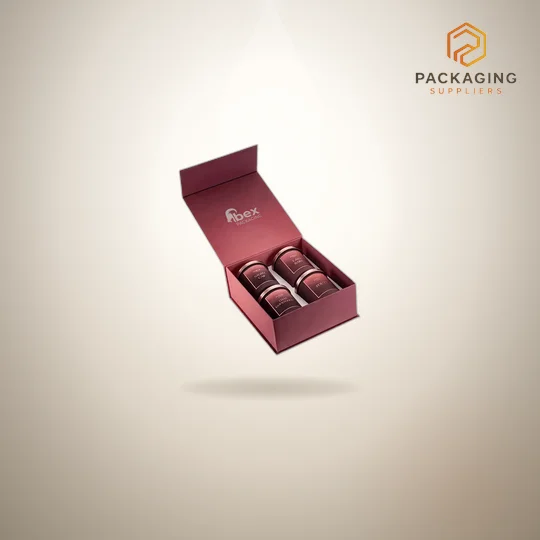
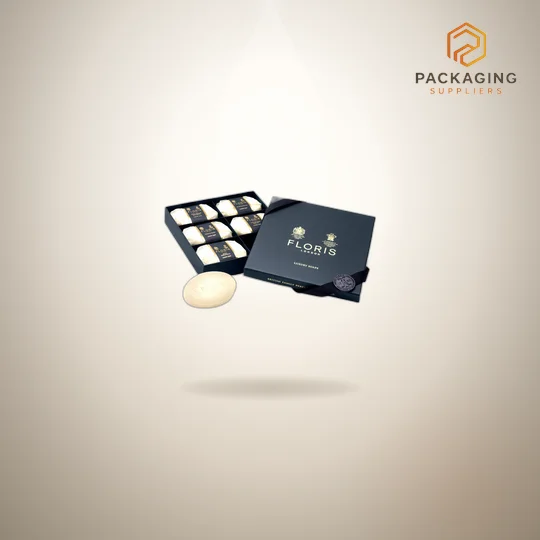
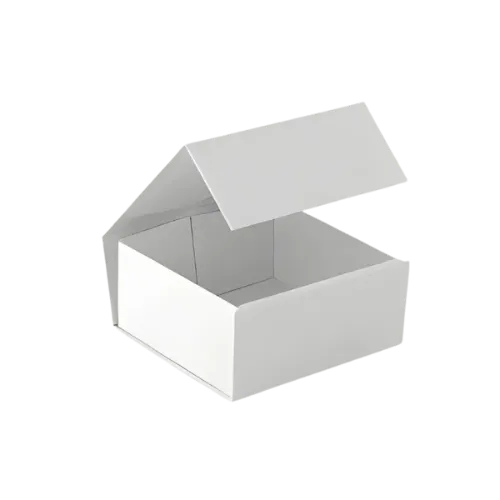
Custom Rigid Boxes for Luxury Packaging
These boxes are cut to your product’s exact dimensions from the start, since rigid board has no flex to hide a sizing mistake. Order your wholesale packaging.
Configure & Order
Rigid Boxes Built to Protect What's Inside
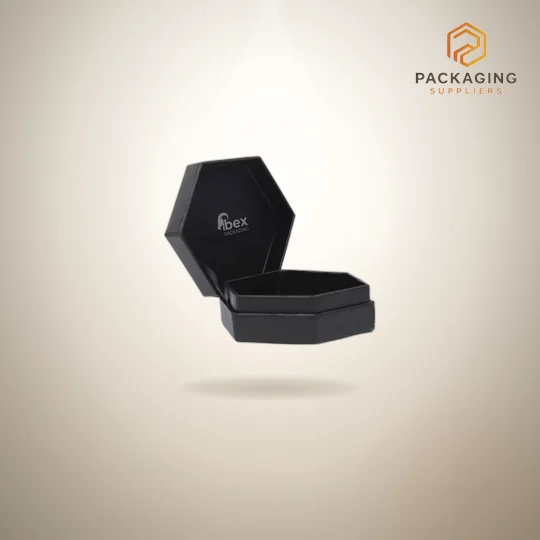
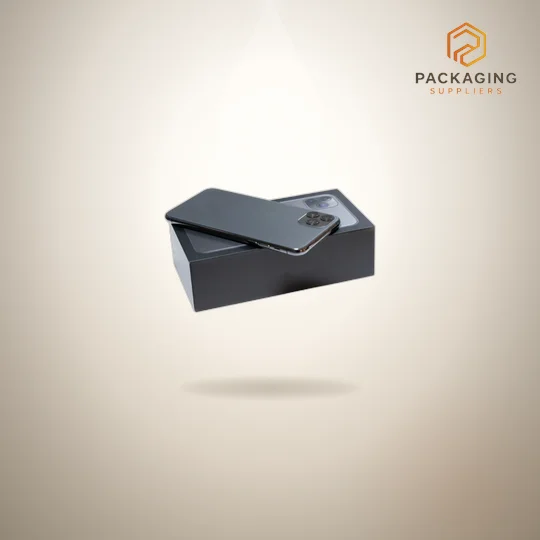
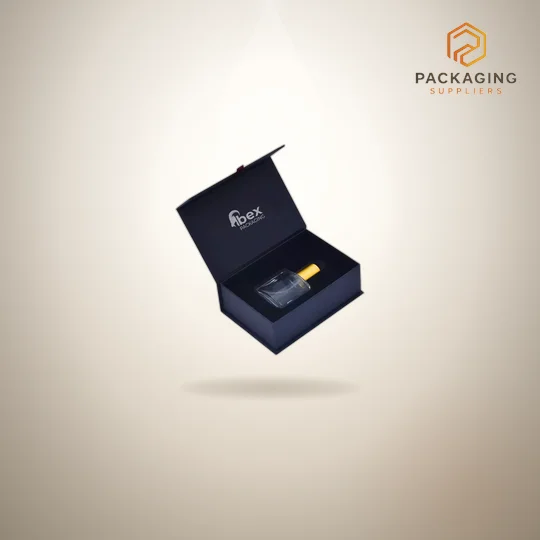
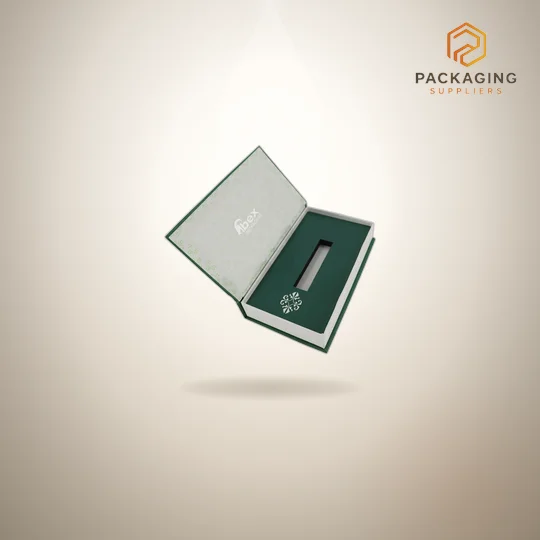
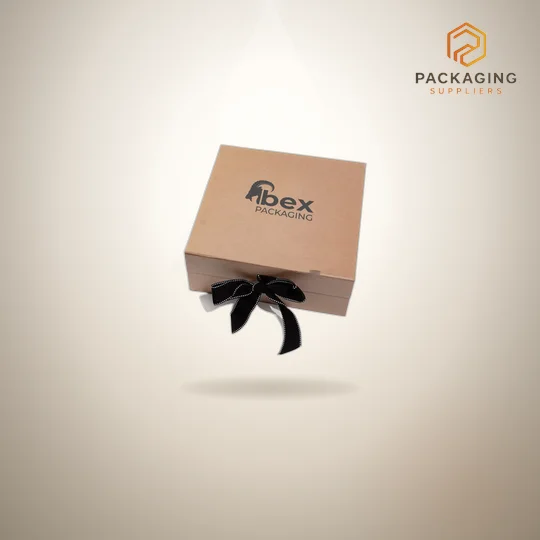
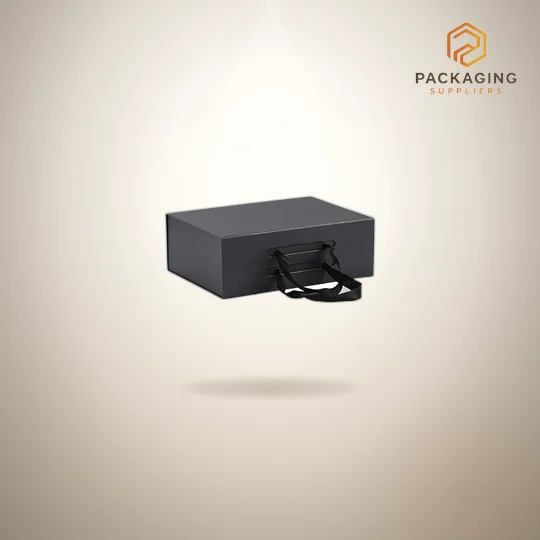
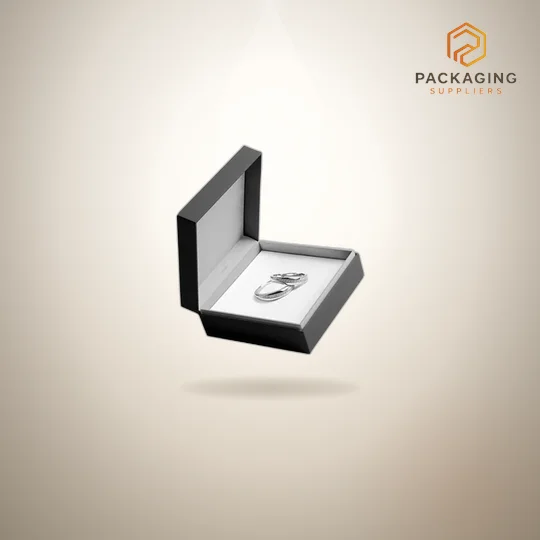
Rigid boxes are built around a thick chipboard core. typically 1.5 to 3 millimeters, wrapped in printed paper, which is what gives them that solid, non-collapsible feel compared to a folding carton. Brands reach for rigid when a product needs to feel premium the second it’s opened: jewelry, beauty sets, electronics, and corporate gifts all lean on it for that reason.
Get A Free Quote
Fill in your specs — our team responds within 24 hours.
🔒 SSL Secure · No spam, ever · Response within 24 hours

Folding Caron
Lightweight board for retail boxes and lighter products. Clean print surface, cost-effective at volume.

Corrugated
Fluted board with real crush protection in multiple flute grades. The workhorse for shipping and mailers.
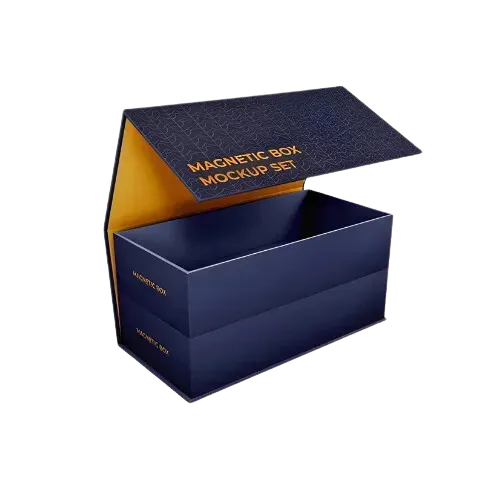
Rigid
Thick chipboard with a premium, weighty feel. Built for gift-tier and higher-priced products.
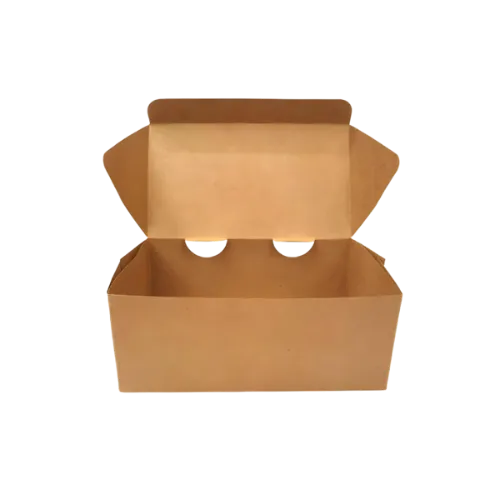
Kraft
Recyclable, natural-brown board with a tactile, unbranded feel. The default for eco-first brands.
Material
Stock Type and Thickness
A box is only as good as the board it’s cut from. Here are the four stocks we run; pick by how your product ships and how you want it to feel.
Why Choose Us
Present your small business as a Brand
You don’t need an enterprise budget to look like an established brand. We handle the structure, the print, and the finish so your packaging earns its place on the shelf and in the unboxing.
Packaging strategies
We help you pick the box, stock, and finish that fit your product and your margins. Not the most expensive option; the right one
Idea to Production
Bring a rough concept, or a competitor's box you want to beat. We turn it into a manufacturable design with real specs.
In-House Design & Artwork
Our designers build your dieline and artwork in-house. No outsourced middle layer, no guesswork on print-readiness.
Prototypes & 3D Mockups
See your box as a 3D mockup, then order a physical prototype before you commit to a full run.
Worldwide Delivery
We manufacture direct and ship to 100+ countries, with quality checked before anything leaves the floor.
Free & Reliable Shipping
Free shipping on bulk orders, tracked to your door, on the turnaround we quote.
Rigid Packaging Guide
Custom Rigid Boxes & Set-Up Boxes For Luxury Products
A rigid box is not a thicker folding carton. It is a different product made by a different process — a chipboard structure built first, then wrapped in a separately printed sheet — and almost everything that surprises buyers about rigid boxes follows from that one fact.
Custom rigid boxes, also called set-up boxes, in two-piece, telescoping, shoulder, slip case and magnetic constructions, with the structure and the wrap specified separately.
Ordering Rigid: Sample Runs to Wholesale
The rigid range below can be built to your dimensions in any of the constructions on this page, from a single sample through to wholesale quantities. Rigid production involves tooling and hand assembly, which is what usually pushes suppliers toward long runs — there is no minimum order here, so a limited edition or a single hamper line is a normal order.
Rigid is the premium tier across several of the industries we serve. It is the default board on our Jewelry Boxes, the prestige option on Cosmetic Boxes for gift sets and high-end skincare, the top protection tier on Electronics Boxes, and the format of choice on Apparel Packaging for formal wear and limited collections.
How a Rigid Box Is Actually Made
Understanding the build explains the cost, the lead time and the design constraints, and most competitor pages skip it entirely.
Chipboard Structure and Printed Wrap
The structure is chipboard, also called grayboard or plainboard — a dense, uncoated board typically 2.5mm or thicker. It is cut and scored to shape, then assembled on quad-stayer machines that fold the corners and apply stay tape to hold them. At this stage the box is gray and unbranded.
The wrap is a separate printed sheet, applied over the assembled structure. That is where all the branding lives. Because the wrap is printed flat on a normal press before being applied, you get print quality closer to a premium folding carton than to anything printed directly on thick board.
The consequence worth planning around: these are two decisions, not one. The structure controls rigidity, weight and cost. The wrap controls appearance, finish and color. You can specify a heavier structure without paying for a premium wrap, or a beautiful wrap over a modest structure. Suppliers who quote a single spec are collapsing two choices into one.
Pre-Assembled Delivery and What It Costs You in Freight
Folding cartons ship flat and you assemble them. Rigid boxes cannot be flattened — once the corners are stayed, the box holds its shape permanently. They therefore arrive assembled, taking up their full volume in every truck and every shelf of your storeroom.
This is a real and frequently underestimated cost. A pallet holds a fraction as many rigid boxes as folding cartons of the same finished size, which raises inbound freight per unit and consumes far more storage. For a brand ordering a few hundred, it is a minor annoyance. For a brand ordering thousands, it changes the landed cost meaningfully and needs factoring in before the order rather than discovered on delivery.
Collapsible Rigid as the Middle Option
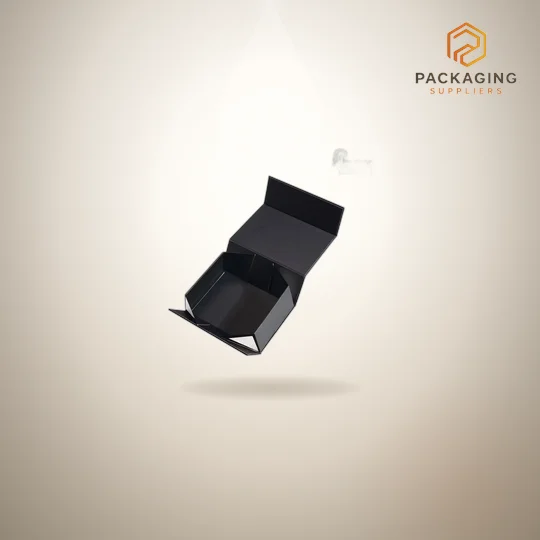
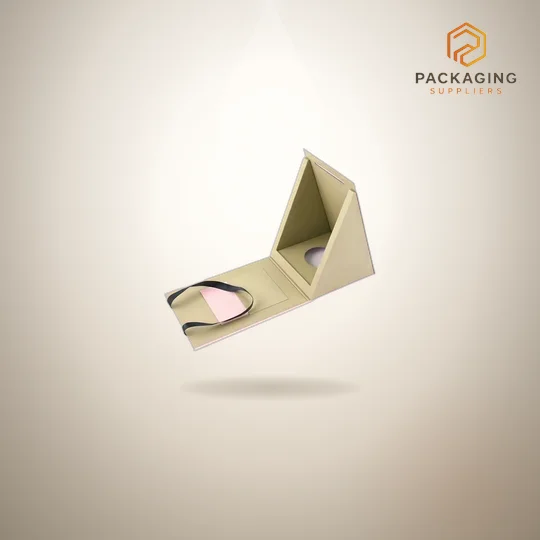
Collapsible or foldable rigid boxes exist specifically to solve this. They use magnets or a hinged construction so the box ships flat and is folded up at the point of use, keeping most of the rigid feel while cutting shipping volume substantially.
The trade-offs are honest ones. A collapsible box has visible fold lines the customer can see, the construction is slightly less solid than a permanently stayed box, and the magnets or hardware add unit cost. It suits e-commerce brands shipping their own packaging around, and subscription boxes where storage volume is a constraint. It suits luxury retail less well, where the unbroken structure is part of what the customer is paying for.
Style Vocabulary: Telescoping, Shoulder, Slip Case, Hinged Lid
Rigid box styles have specific names that are worth knowing before you brief, because describing what you want in general terms usually gets you the default.
| Style | Construction | Suits |
|---|---|---|
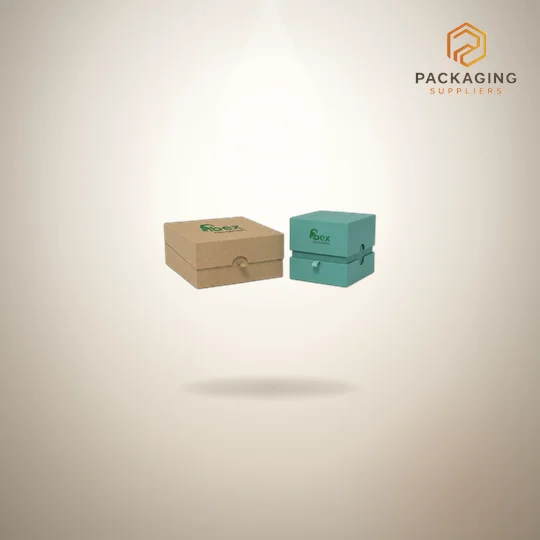
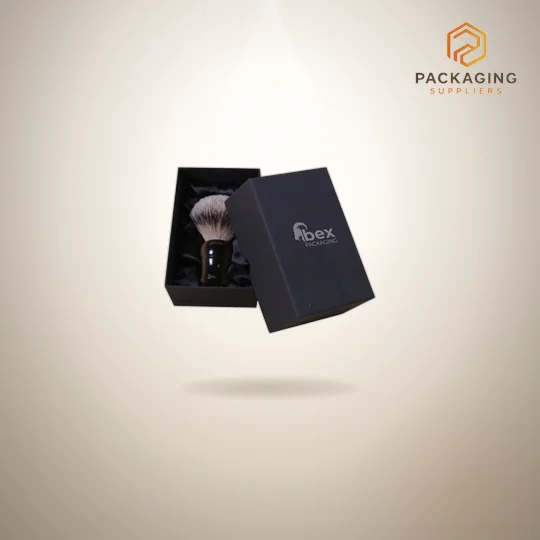
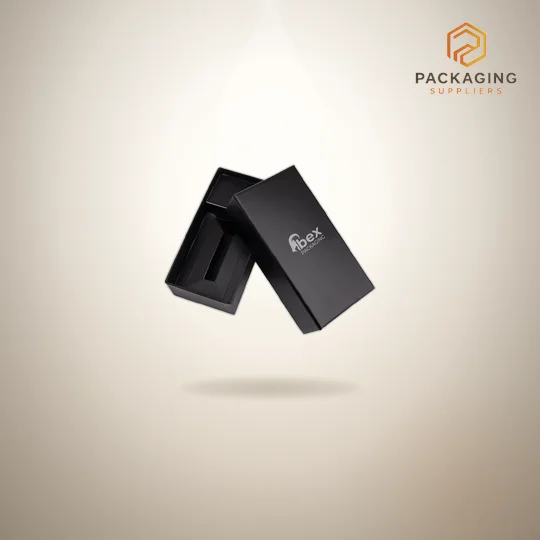
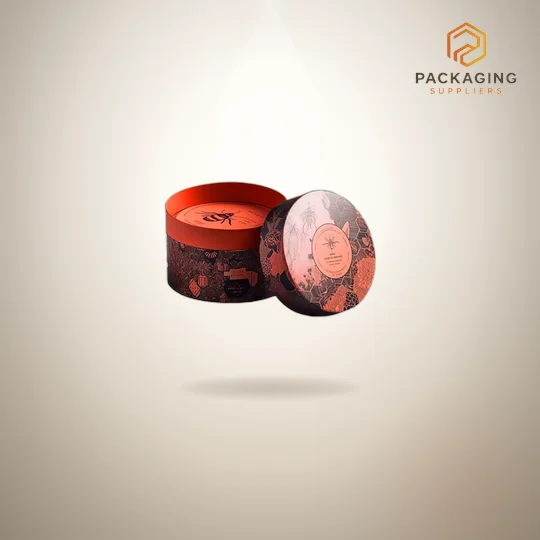
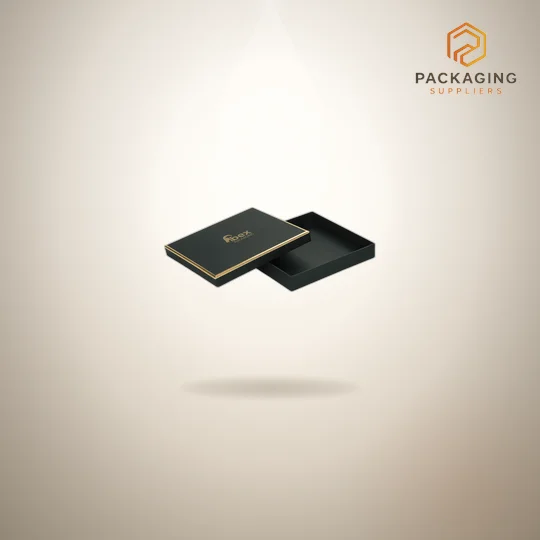
| Two-piece | Separate base and lid, lid sits over the base | The default. Gift sets, Apparel Packaging, general premium retail |
| Telescoping | Lid extends over most or all of the base depth. Partial telescoping covers part of it | Products needing extra structural support at the sides |
| Shoulder box | An inner wall sits above the base’s top edge, forming a shoulder the lid rests on | Higher-end presentation; the lid closes with a visible reveal |
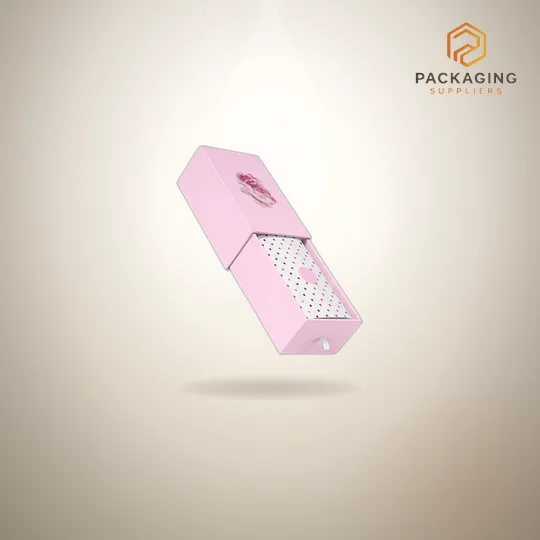
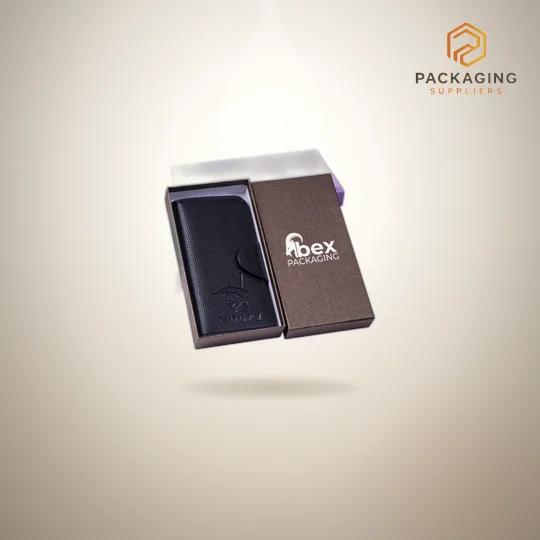
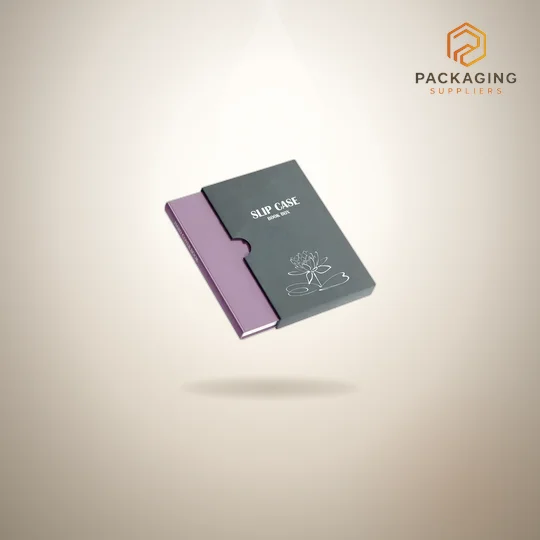
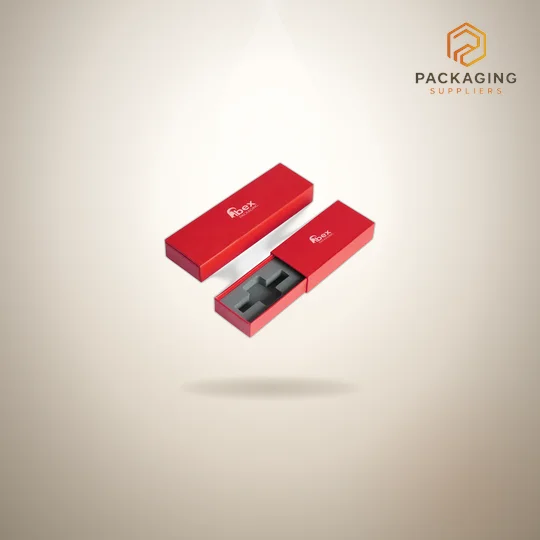
| Slip case | Box slides into an outer sleeve. Two-piece and T-style variants | Books, sets, products where the reveal is a sliding action |
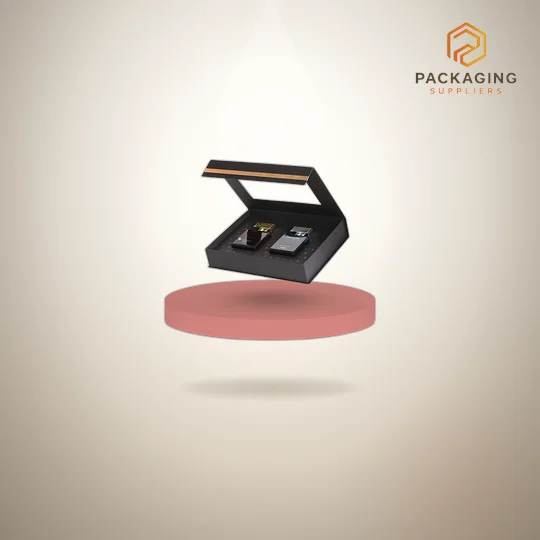
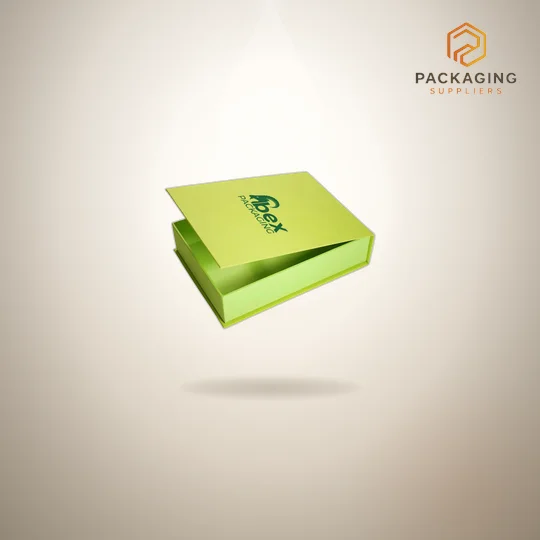
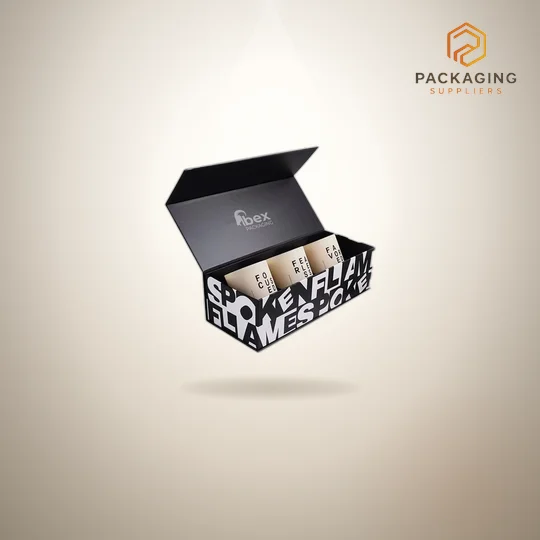
| Hinged lid | Lid attached along one edge, also called a cigar box | Products the customer will keep and reopen |
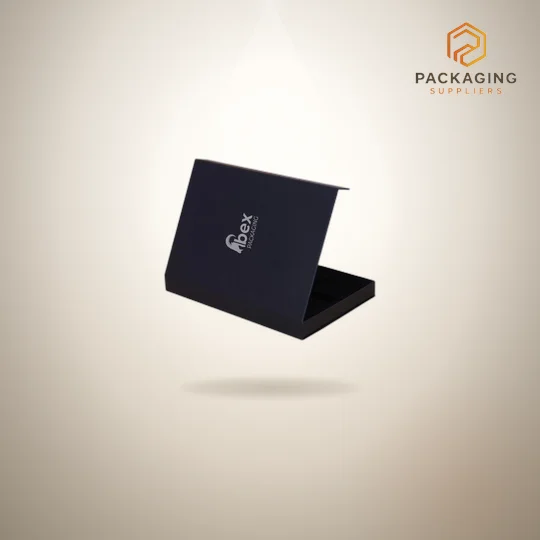
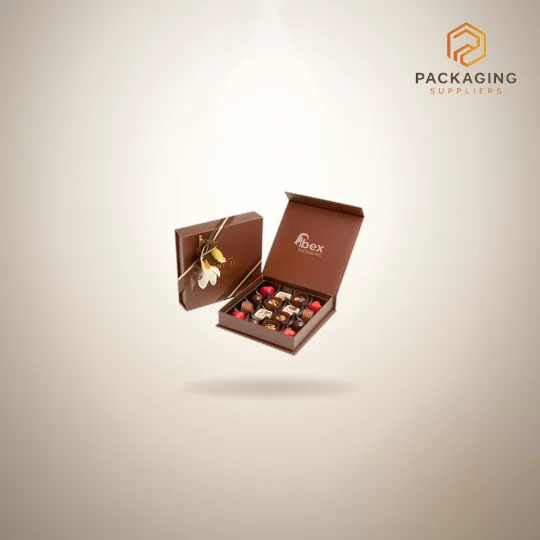
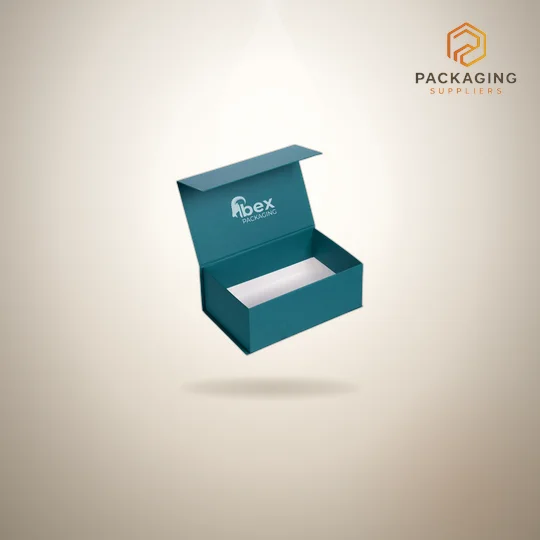
| Magnetic closure | Magnets concealed in the flap and base | Premium unboxing where the closing action matters |
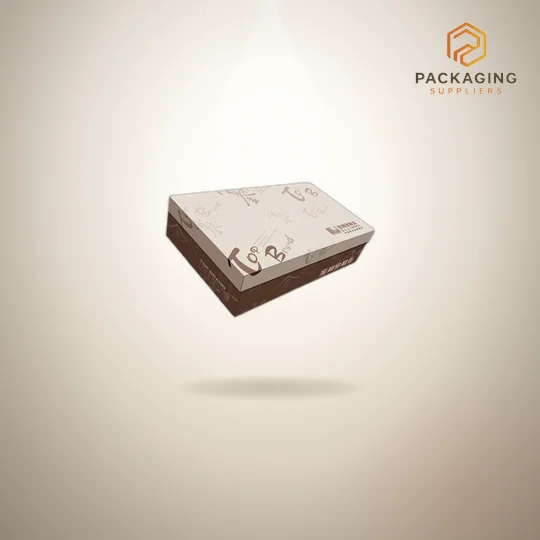
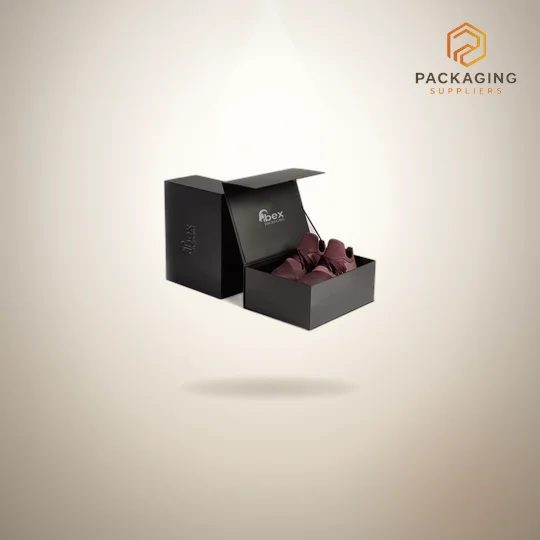
| Shoebox | Deep base with a lift-off lid | Footwear and bulkier items |
Board Thickness and Specifying Rigidity
Chipboard for rigid boxes typically starts around 2.5mm, which is roughly four to five times the thickness of a premium folding carton. Beyond that the choice is driven by the weight of the contents and how much the box is expected to be handled.
Thicker is not automatically better. A heavier structure raises material cost, raises shipping weight on every unit, and past a point adds a solidity the customer cannot actually perceive. The useful thing to tell us is the contents weight, whether the box will be reopened repeatedly, and whether it needs to survive shipping on its own or inside an outer carton — those three answers determine the specification more reliably than a thickness figure would.
Wrap Material and Finish Compatibility
The wrap is where finish decisions actually happen, and not every finish works on every wrap stock.
Coated papers give the widest finish compatibility — foil stamping, embossing, spot UV, soft-touch and matte or gloss lamination all behave predictably. Uncoated and textured wraps, including natural kraft and specialty papers, look distinctive but hold fine detail less cleanly, so foil and embossed elements want to be bold rather than intricate.
Soft-touch lamination deserves specific mention on rigid boxes because these are products customers handle deliberately rather than briefly. The velvety surface and fingerprint resistance register more on a box someone picks up, examines and opens slowly than on one carried in from a doorstep.
One practical note: because the wrap is printed flat and then applied around corners, artwork that must align precisely across an edge needs planning at dieline stage. Ask for a mockup if a pattern or image continues around a corner.
Not sure which spec fits your product? Talk to our packaging team and we’ll help you choose board, size, and finish.
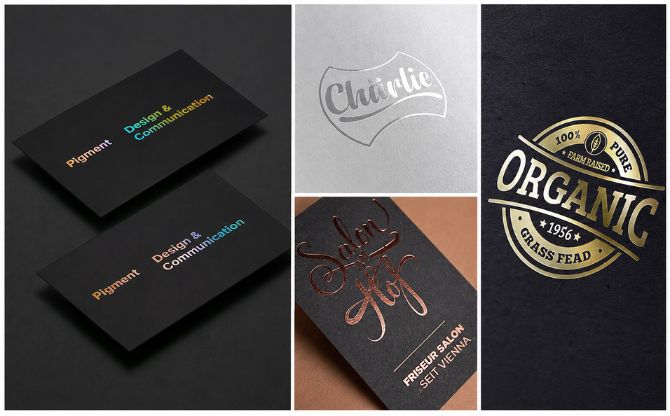
Foil Stamping
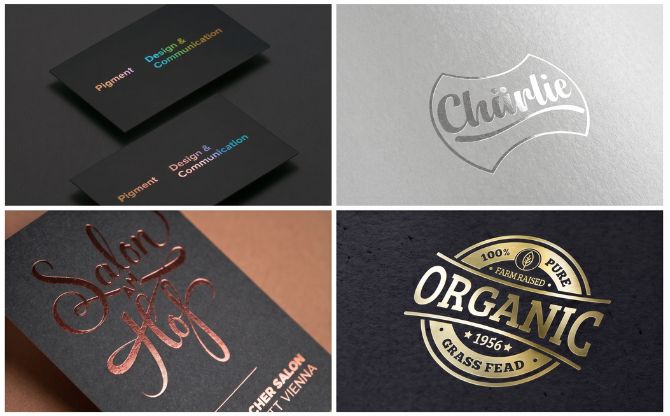
Add a metallic or holographic sheen to your logo or key elements. Foil catches the light and signals premium the second a customer picks up the box.
- Gold, silver, rose gold, holographic, and more
- Works on every box style and material
- Pairs cleanly with matte lamination
- No extra setup fee on standard foils
Emboss/Deboss
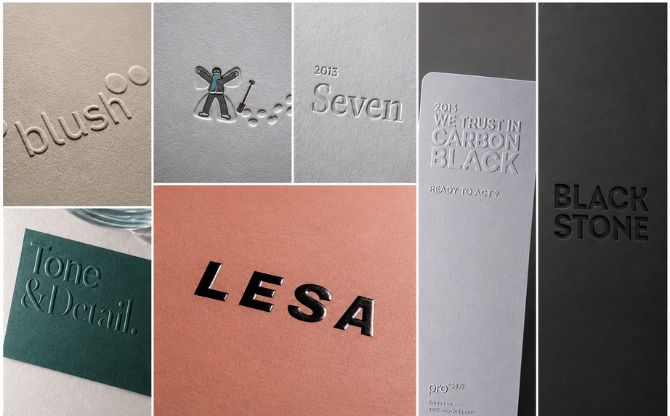
Press your logo or pattern into the stock for a raised or recessed texture customers feel before they read it. No ink; the impression does the work.
- Single-level or multi-level dies
- Works on Kraft, SBS, and rigid stock
- Pairs with foil for a tactile, premium hit
- Best on uncoated and matte surfaces
Lamination
A protective film over the printed surface that locks in the finish and guards against scuffs, moisture, and handling.
- Matte for a soft, muted look
- Gloss for high shine and color pop
- Soft-touch for a velvet feel
- Extends durability on shipping and retail boxes
Spot UV
A high-gloss coating on select areas: logo, title, pattern; for sharp contrast against a matte background.
- Gloss-on-matte contrast
- Highlights logos and key artwork
- Pairs with soft-touch lamination
- Registered precisely to your dieline
Custom Inserts
Fitted inserts that hold product in place, cut movement in transit, and control the reveal on opening.
- Foam, corrugated, or paperboard
- Cut to your exact product dimensions
- Protects fragile and multi-piece items
- Builds a deliberate unboxing sequence
Custom Styles
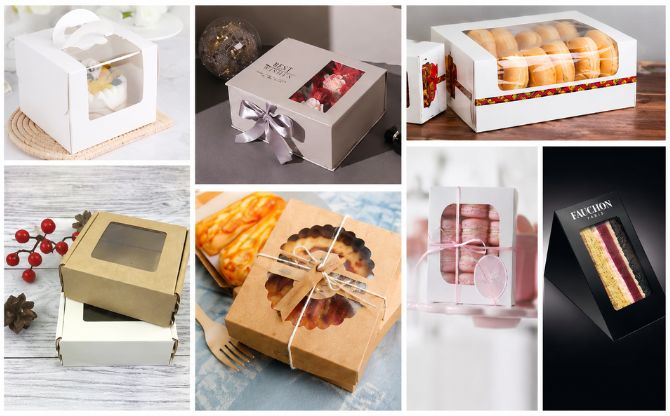
A cut-out with clear film so customers see the product without opening the box, built for retail shelves.
- PET or PVC film options
- Any shape, sized to your dielines
- Ideal for food, cosmetics, and gifts
- Balances protection with visibility
Unlimited Customizations
Every Detail, Your Way
Endless finishing options so your product packaging looks exactly how you imagined it — and then some.
Packaging Made Easy.
Four steps, no back-and-forth. Send your spec or a rough idea. We build the dieline and a 3D mockup for your approval, print and produce with a color check before the run, and ship to your door. You get one dedicated contact the whole way, someone accountable, not a ticket queue.
Customer Stories
Brands That Trust P&S
From boutique fashion labels to fast-growing DTC brands; here’s what our customers are saying.
“The magnetic closure boxes for our accessory line look absolutely stunning. The foil stamping on our logo is better than anything I’ve seen at twice the price.”
Michael Schmidt.
Founder, Bloom Apparel Co.
“We switched to P&S for our clothing boxes and the difference was immediate. Our customers now post unboxing videos without asking, says everything.”
Owner, STD Leather Co.
“As a shoe brand, I was nervous about minimums and quality. P&S had no MOQ and the shoe boxes arrived within time, perfect quality, every single time.”
CEO, Strider Footwear.
Common Questions
Frequently Asked Questions
Everything you need to know about ordering custom packaging.
What's the difference between a rigid box and a regular cardboard box?
Rigid boxes use a dense chipboard core that holds its shape permanently, while a folding carton or corrugated box is designed to fold flat and relies on glue tabs to hold its shape. That structural difference is what gives rigid boxes their heavier, more premium feel.
What styles of rigid boxes are available?
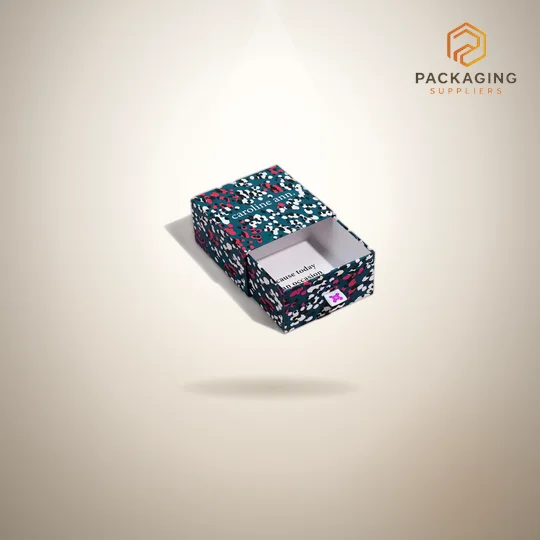
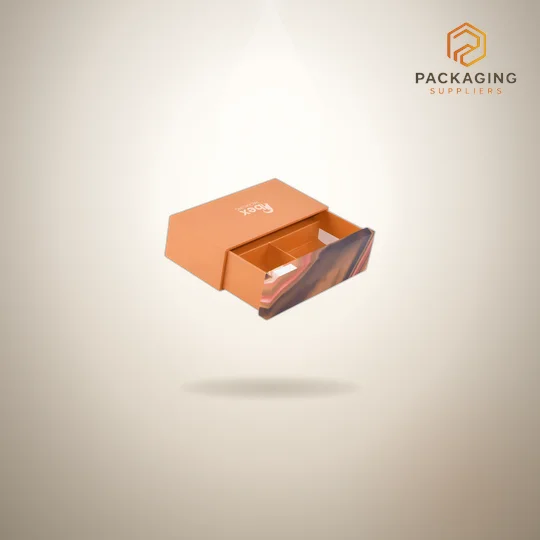
Common options include two-piece lid-and-base boxes, book-style boxes that open like a hardcover with a magnetic closure, and drawer-style (slide) boxes that pull open like a matchbox. Each style changes how the box looks and functions, so it’s worth matching the style to how the product will actually be handled.
Can rigid boxes be made collapsible?
Yes, collapsible rigid boxes fold flat for storage and shipping, then pop back into their full rigid shape when it’s time to use them. This keeps the premium look without paying to ship and store air.
Do rigid boxes come with inserts?
Foam, cardboard, or fabric inserts can be built in to hold products like jewelry, bottles, or electronics securely in place, so they don’t shift or rattle around during shipping.
How thick is the board, and will it hold heavier products?
Most rigid boxes use chipboard between 1.5 and 3 millimeters thick, and the right thickness is chosen based on the weight and shape of what’s going inside. Heavier or bulkier products call for a thicker board to keep the box from warping over time.
Are magnetic closures or ribbon pulls available?
Yes, magnetic closures and ribbon pull tabs are common add-ons for rigid boxes, and which one makes sense usually comes down to the box style you’ve chosen.