

Sustainable Packaging, & Plastic Free Packaging
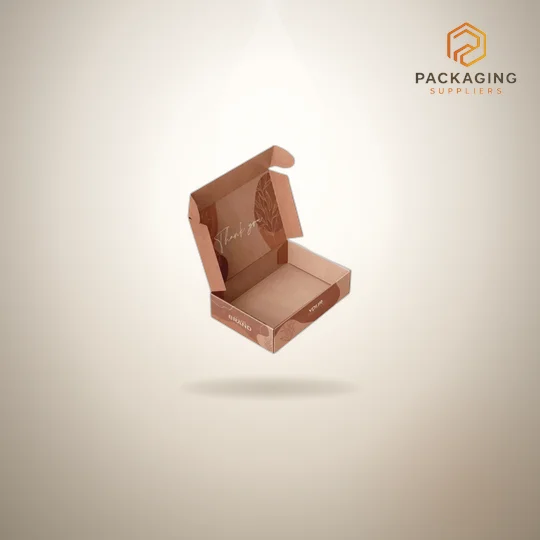
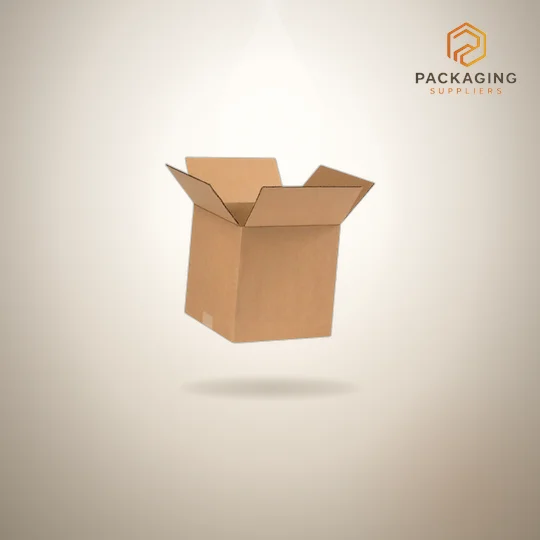
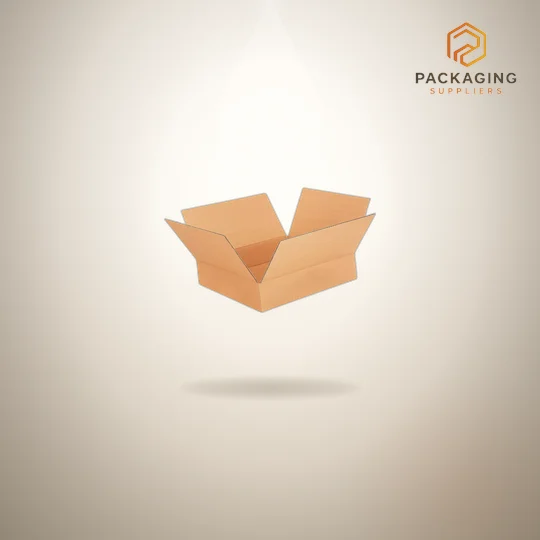
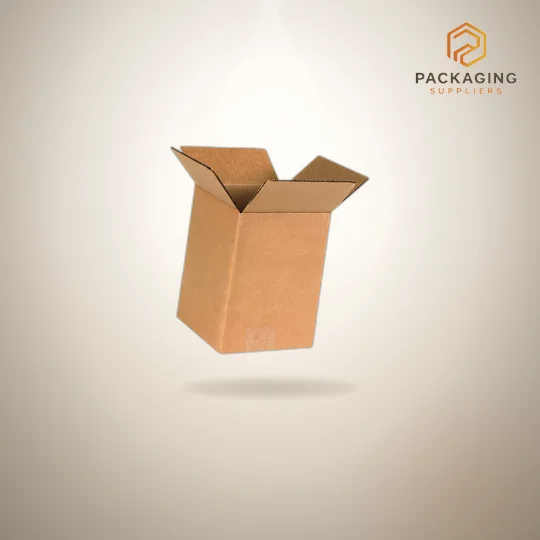
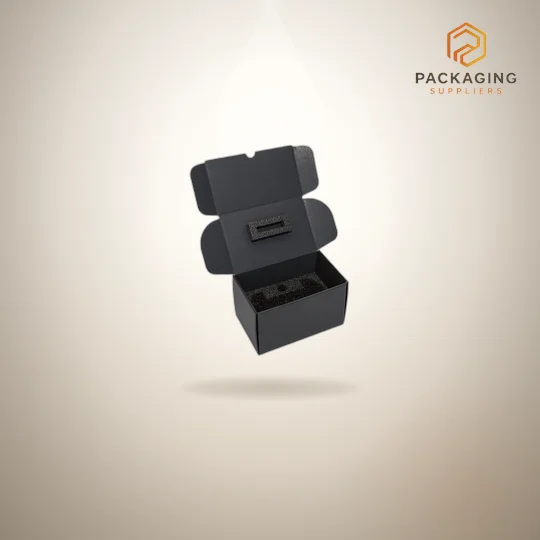
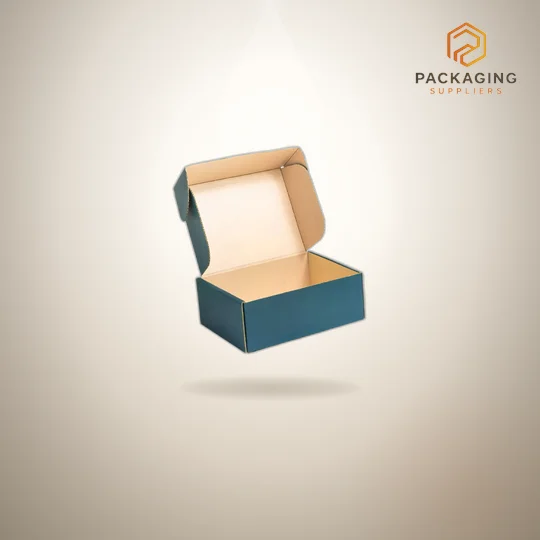
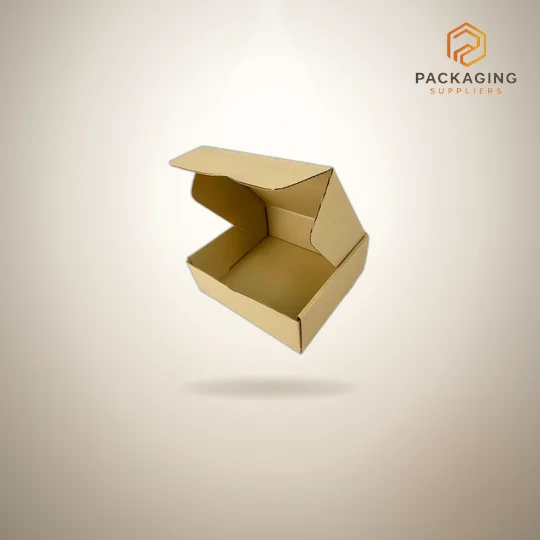
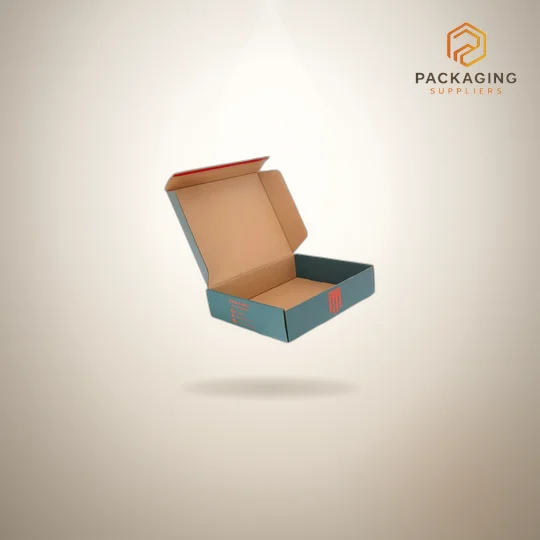
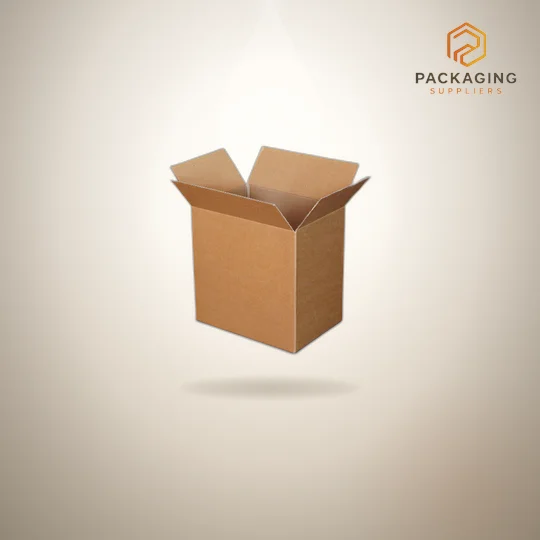
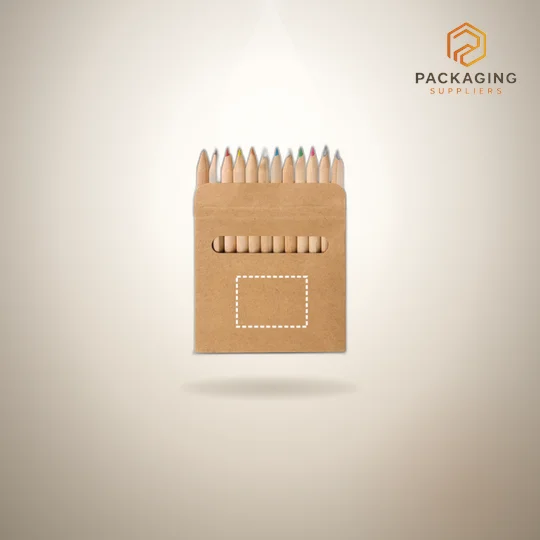
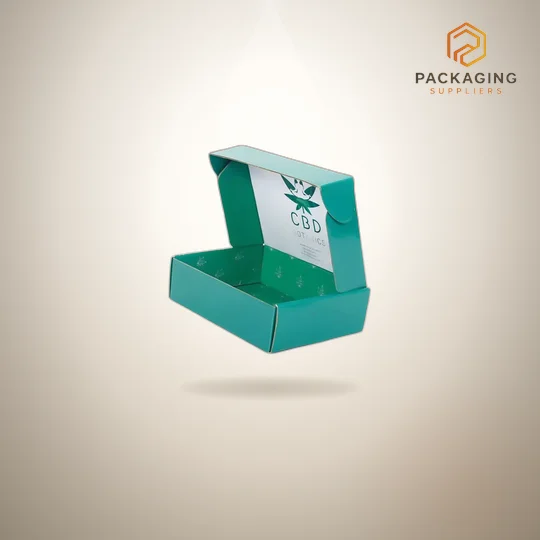
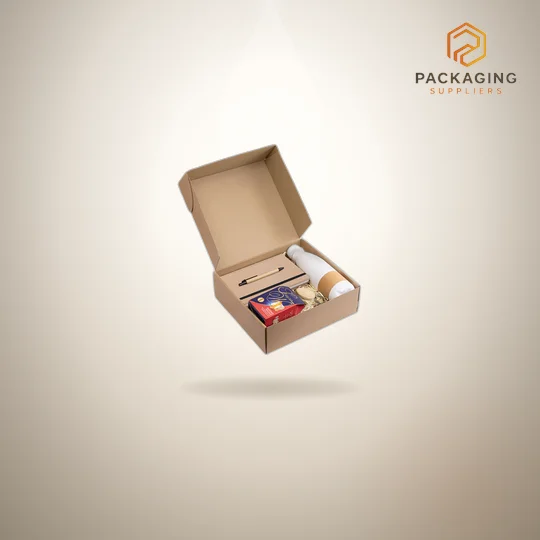
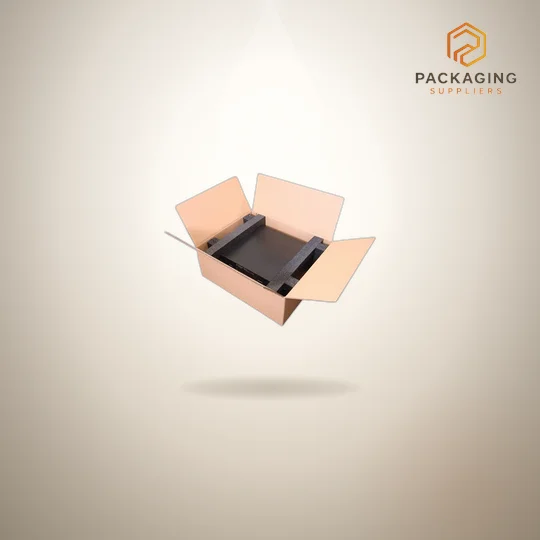
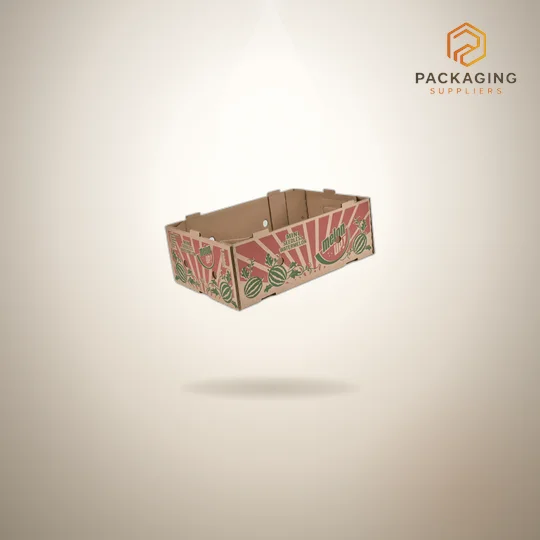
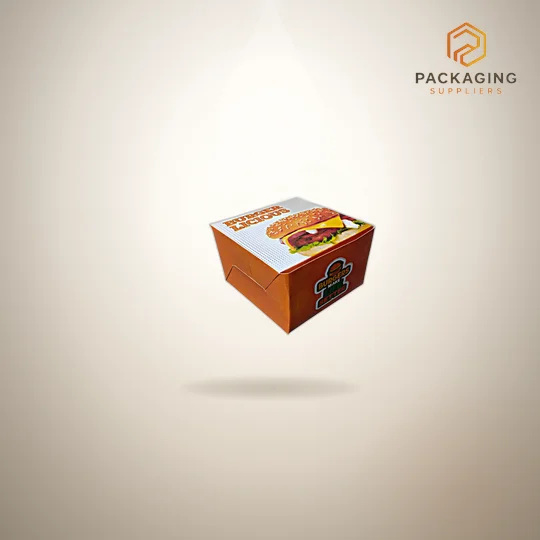
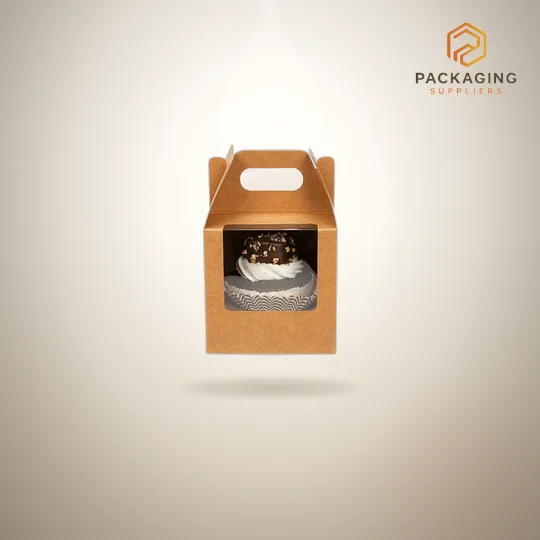
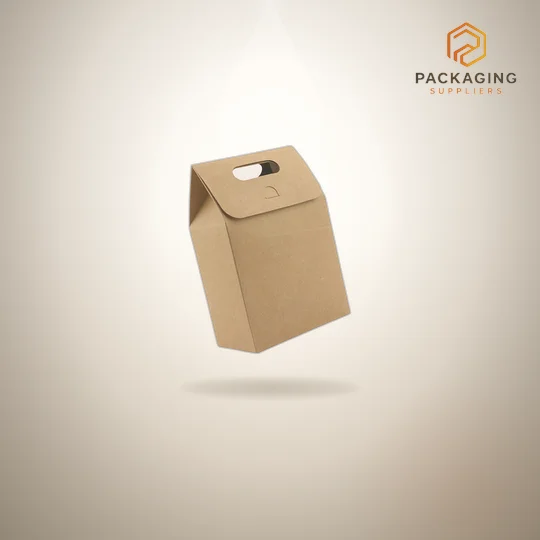
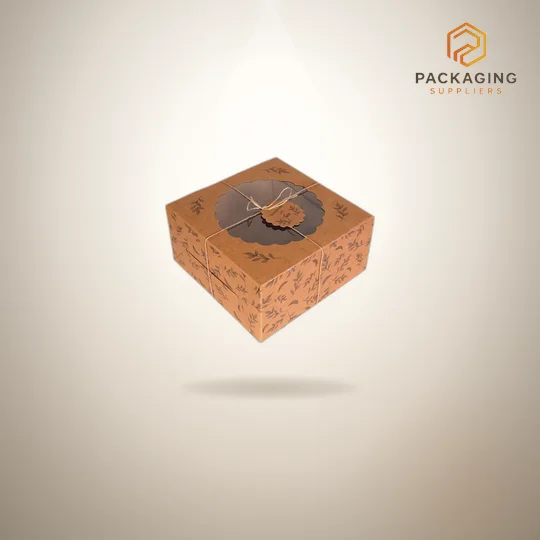
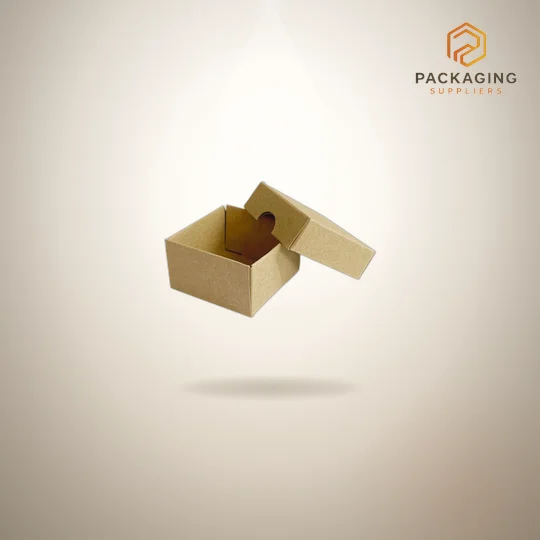
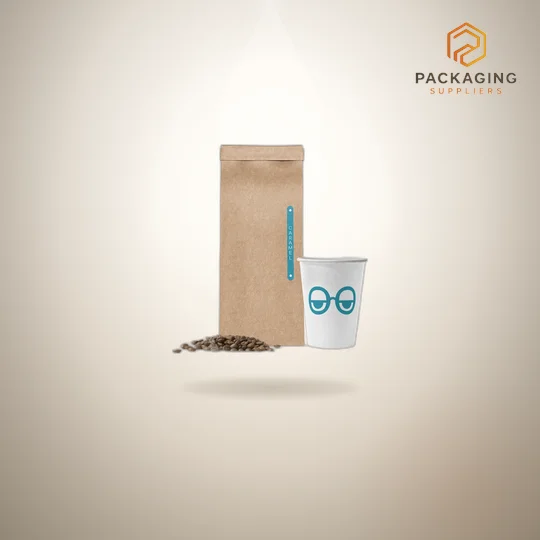
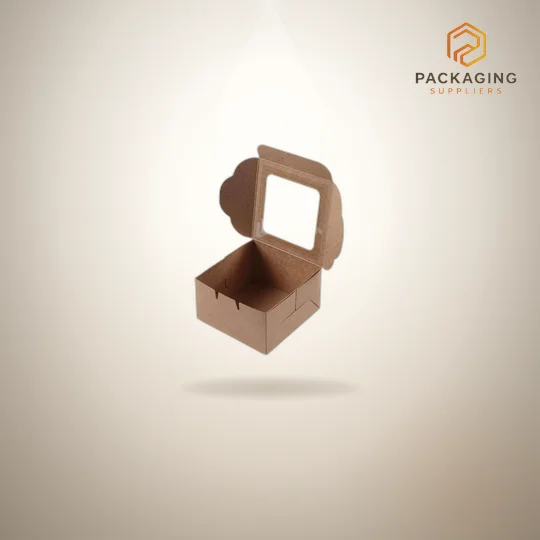
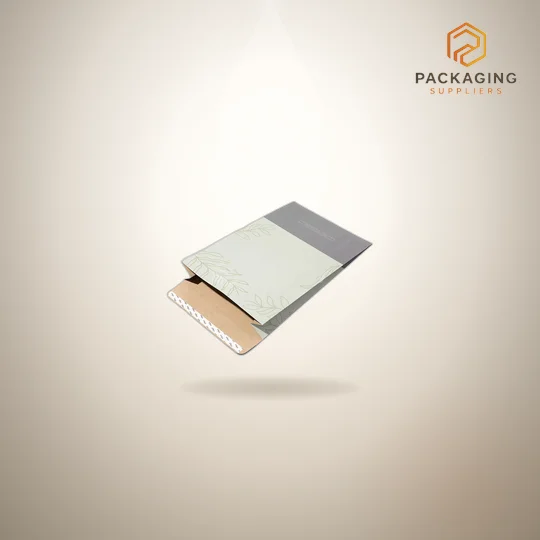
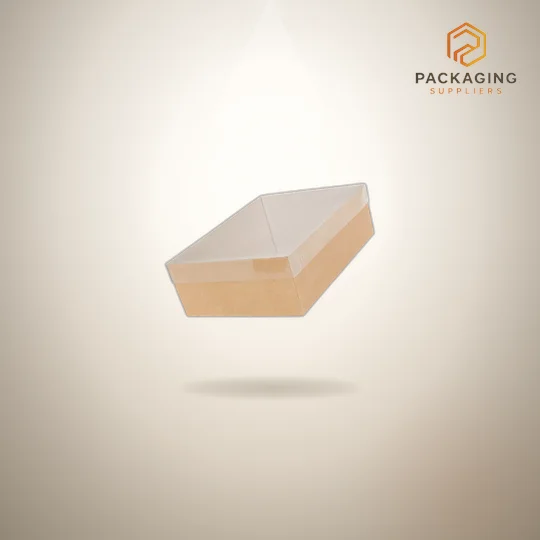
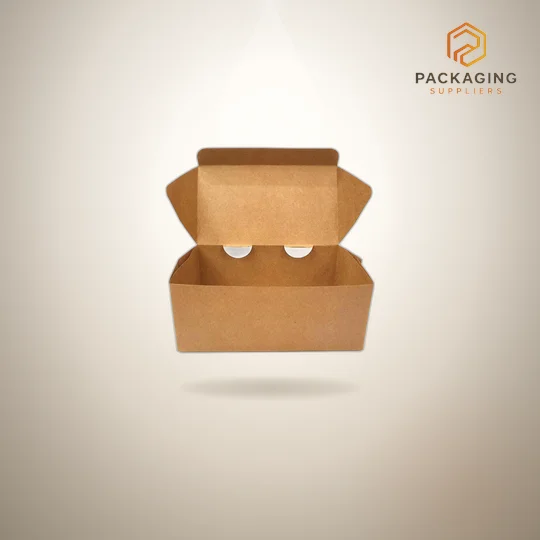
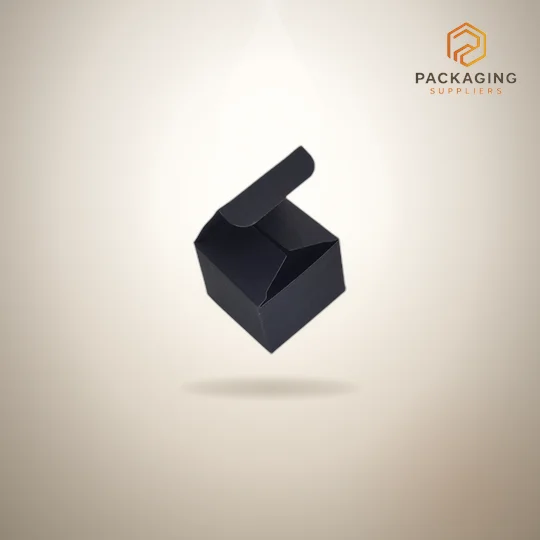
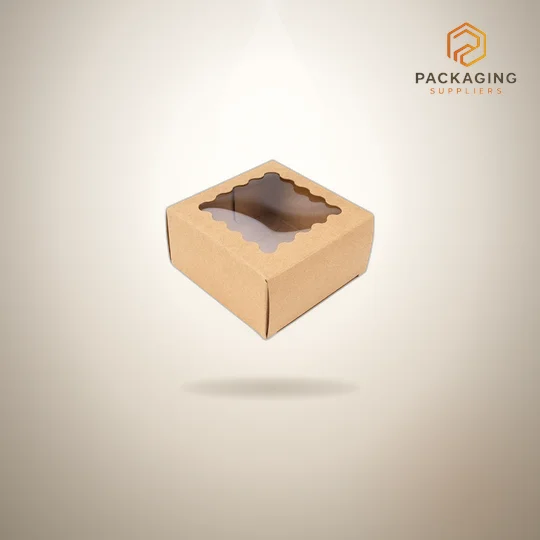
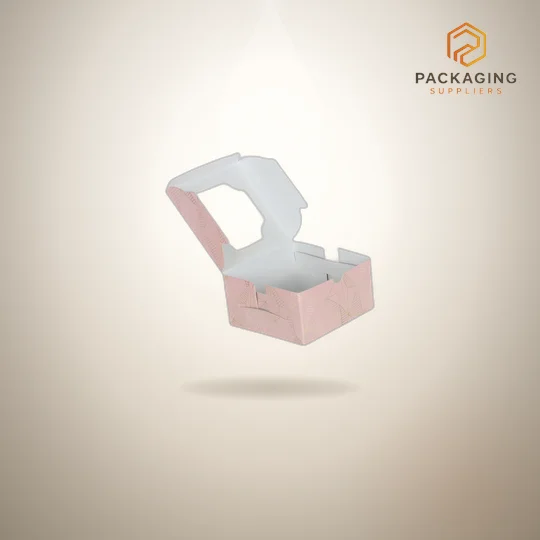
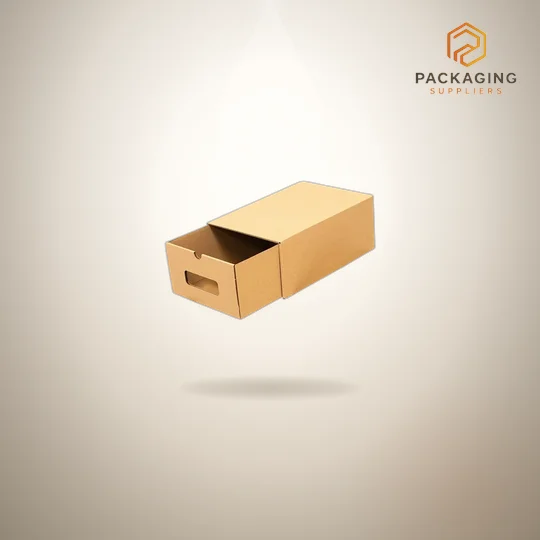
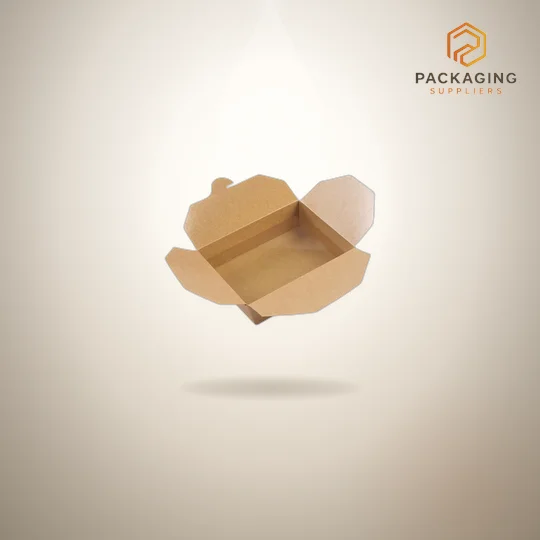
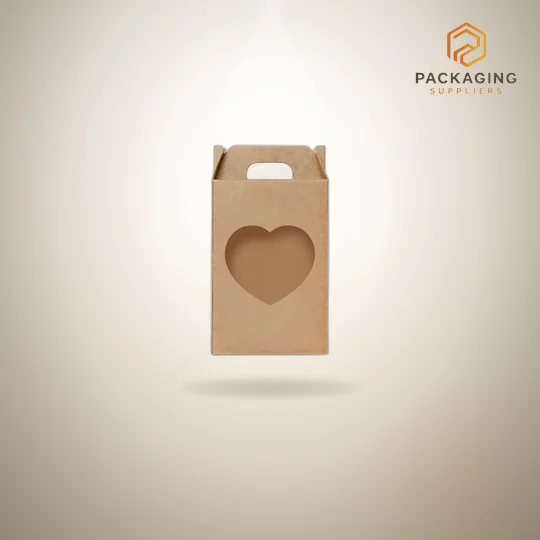
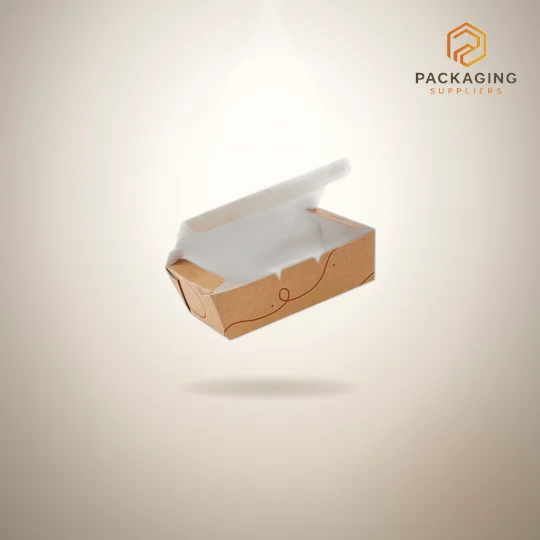
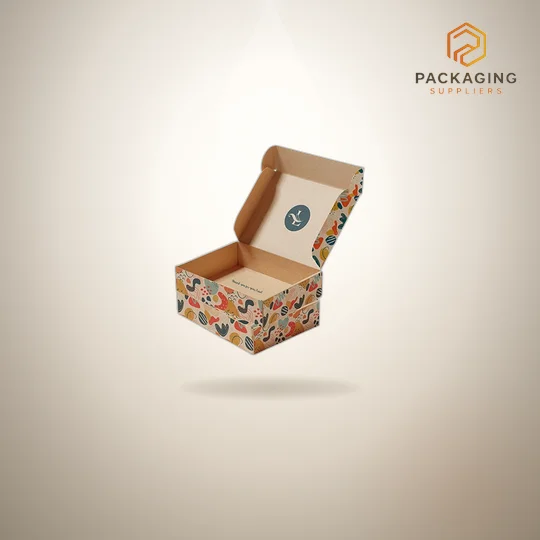
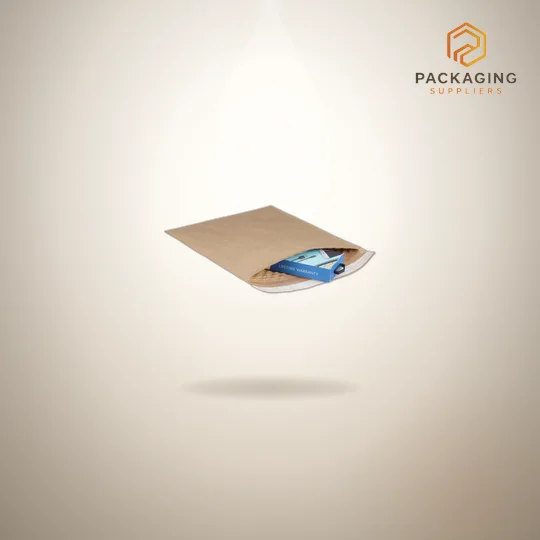
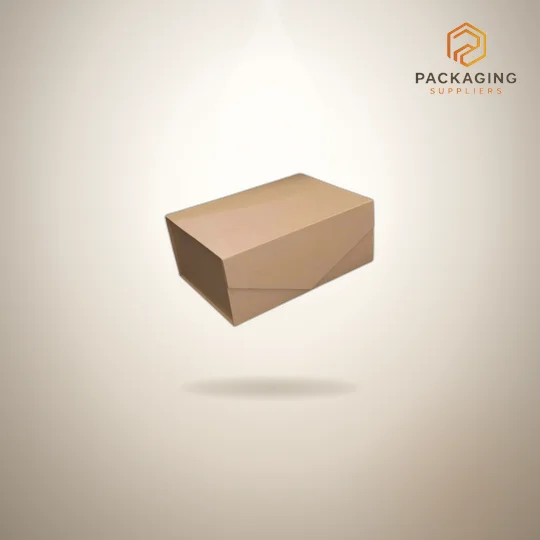
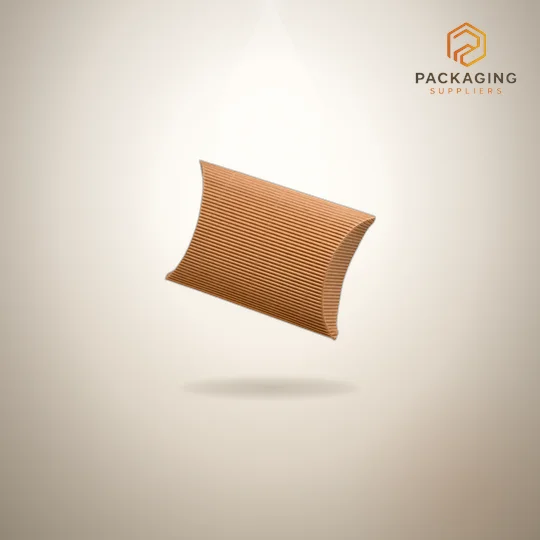
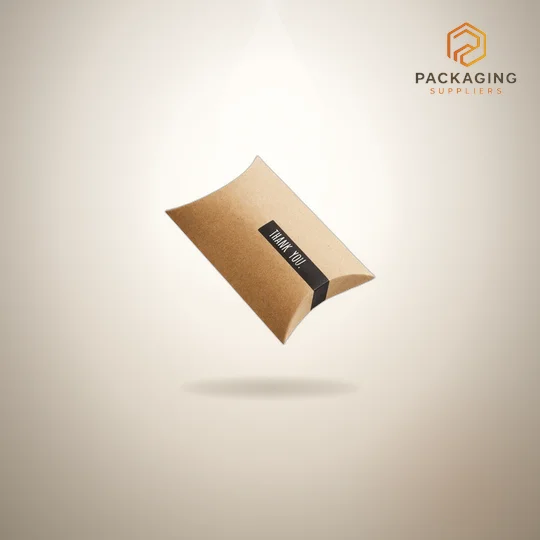
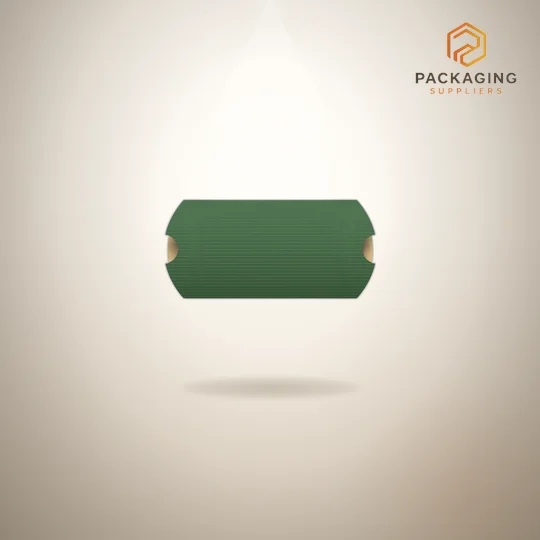
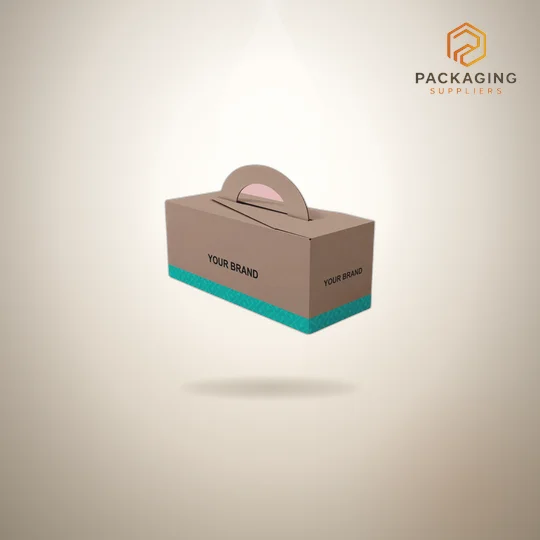
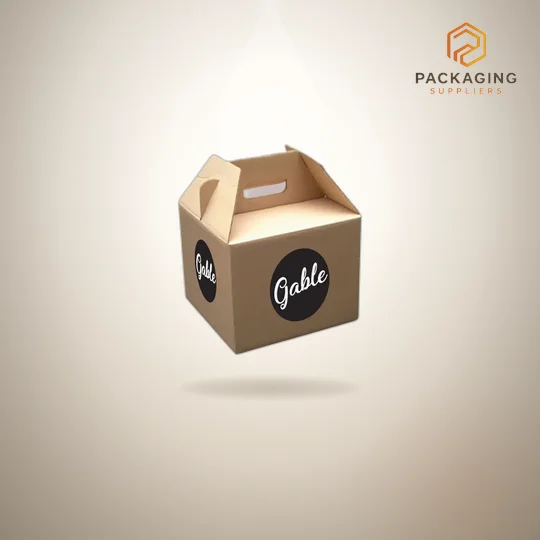
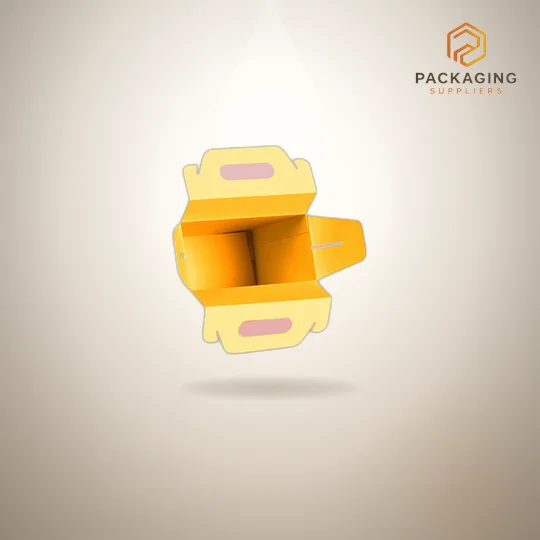
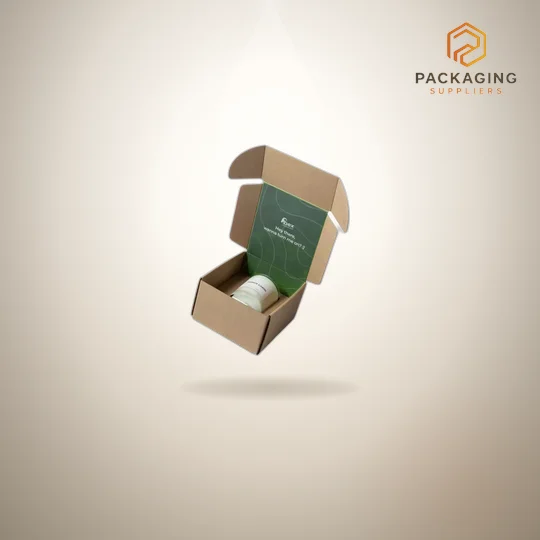
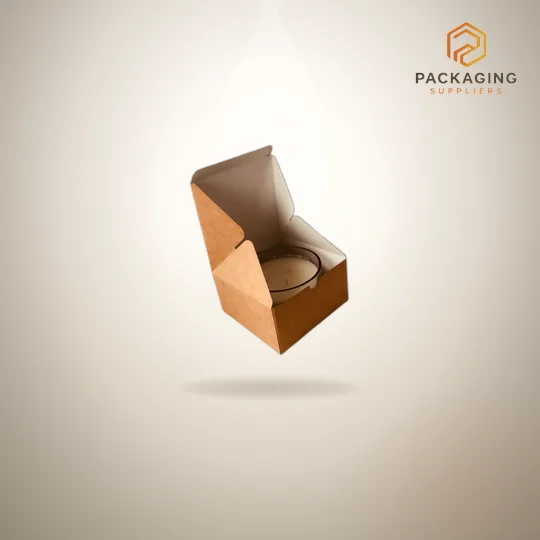
Sustainable packaging covers our boxes, bags, and inserts made from recyclable, FSC certified paper based materials, without any plastic in the mix. You can build almost any custom box, from shipping cartons to retail packaging, using these materials, with the same printing, finishing, and sizing options as our standard range.
Configure & Order
Sustainable Options Across Our Product Line
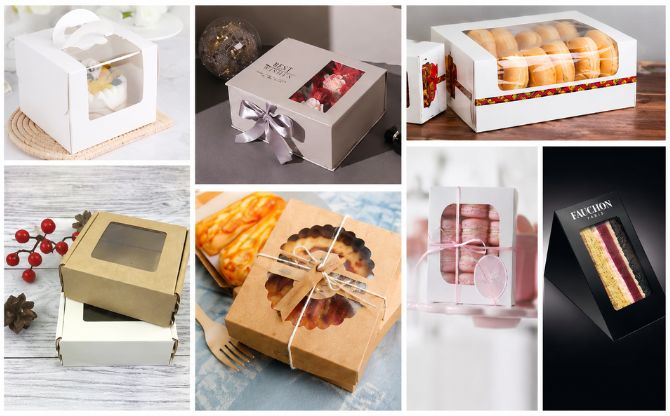
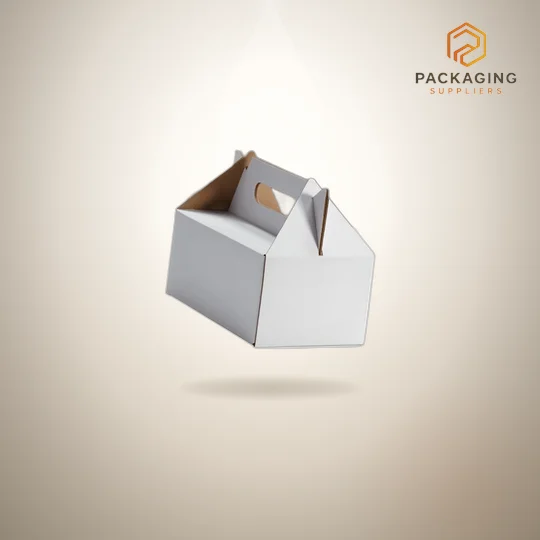
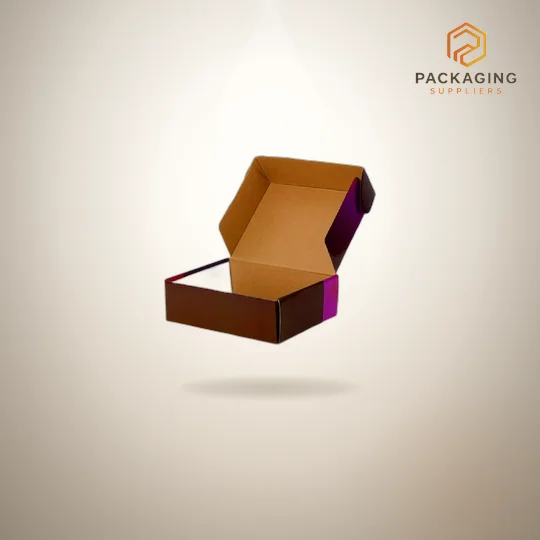
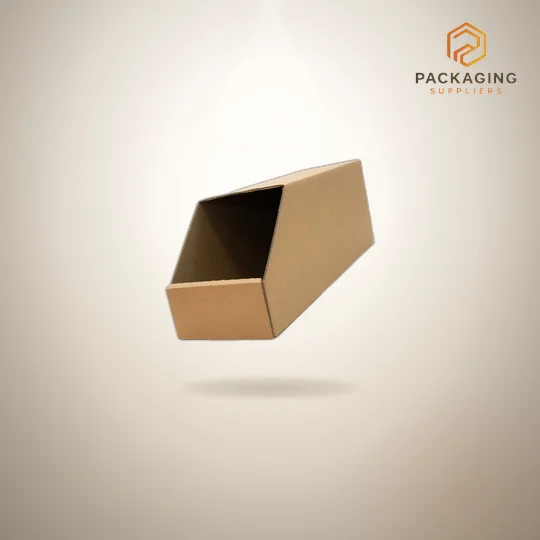
Most box styles, from shipping cartons to retail and gift packaging, can be produced in FSC certified, plastic free materials. The options here show sizing and finishing choices available for each, so you can match sustainable materials to whatever you’re already ordering.
Get A Free Quote
Fill in your specs — our team responds within 24 hours.
🔒 SSL Secure · No spam, ever · Response within 24 hours

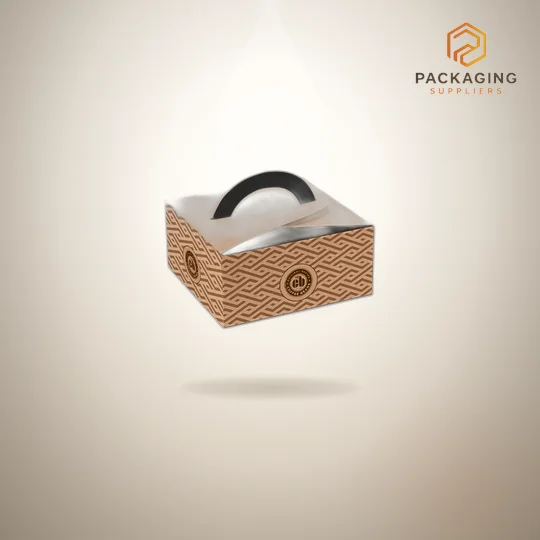
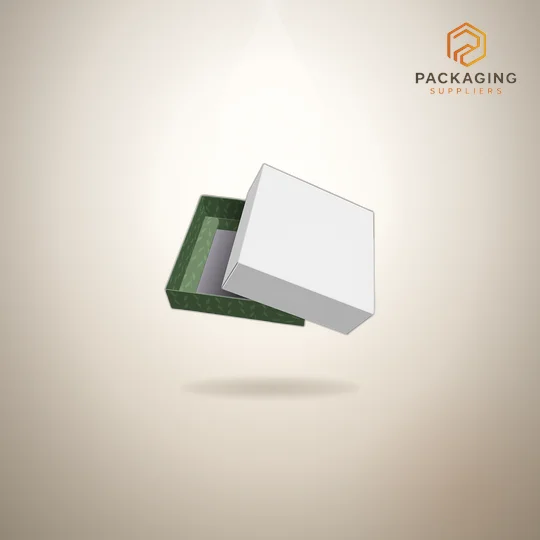
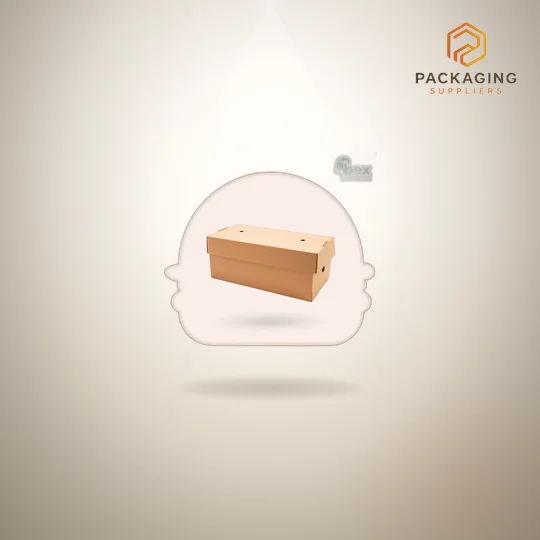
Folding Caron
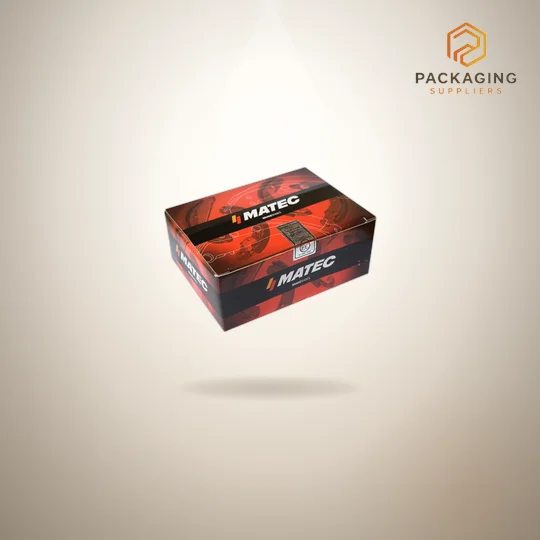
Lightweight board for retail boxes and lighter products. Clean print surface, cost-effective at volume.
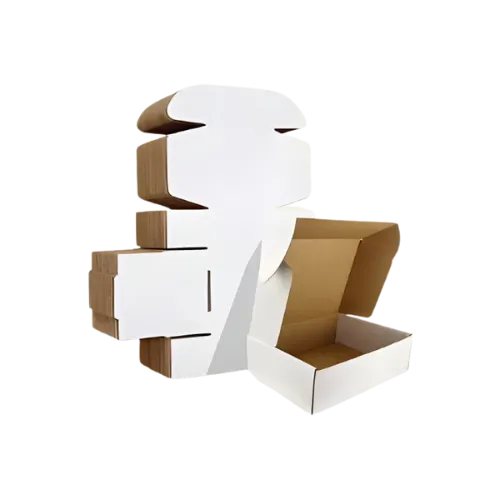
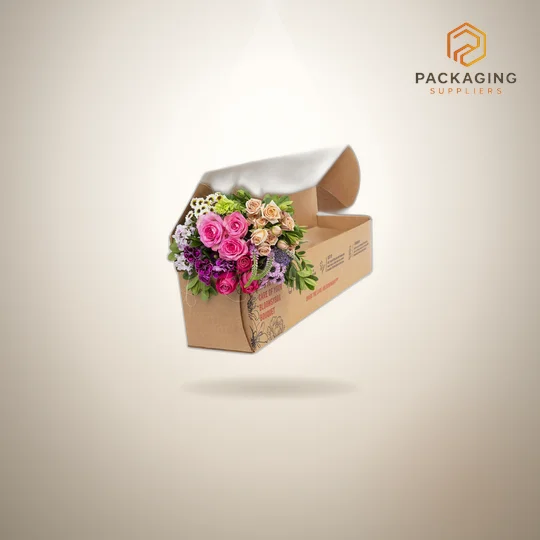
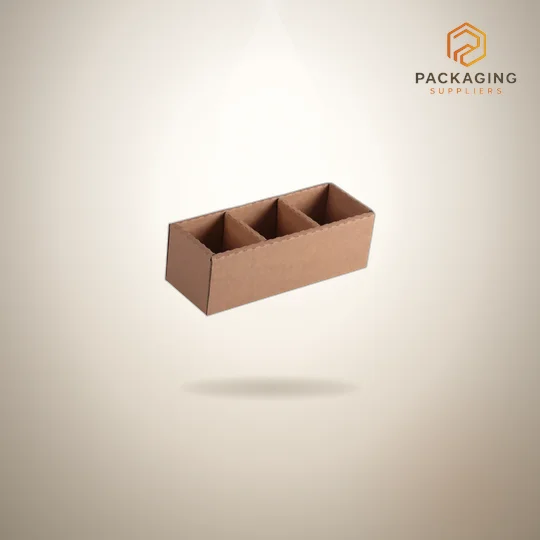
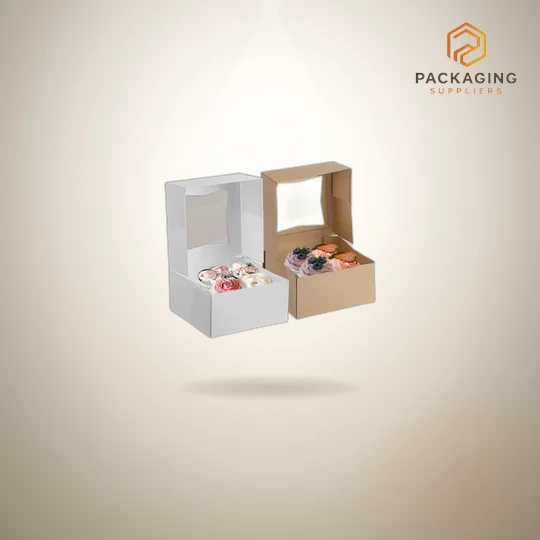
Corrugated
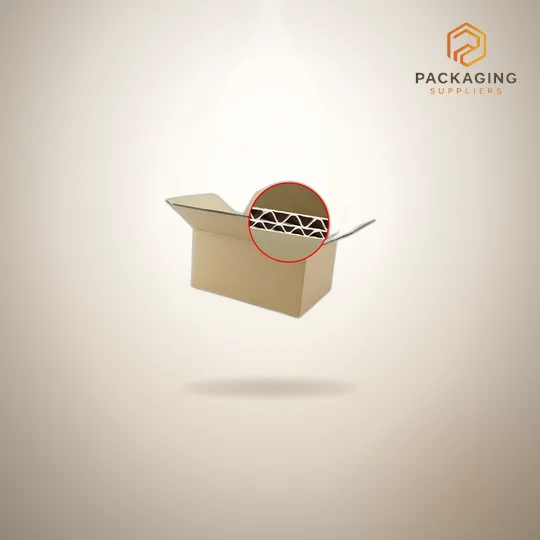
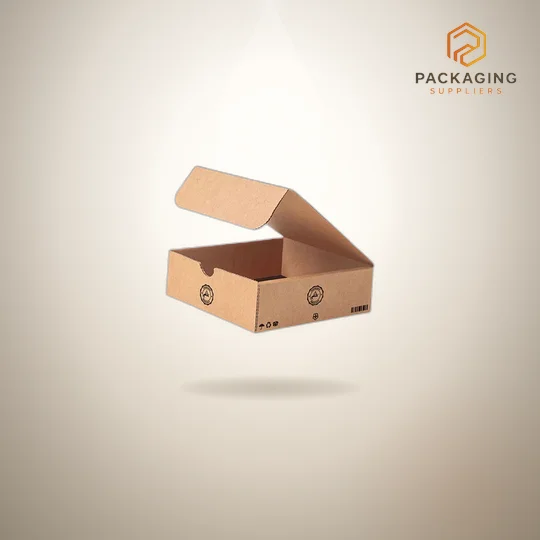
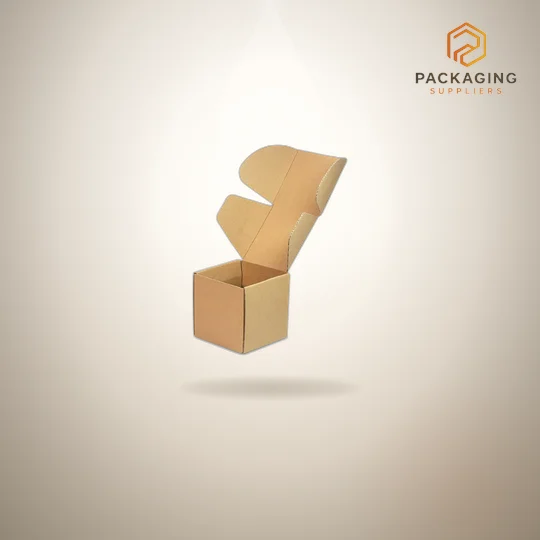
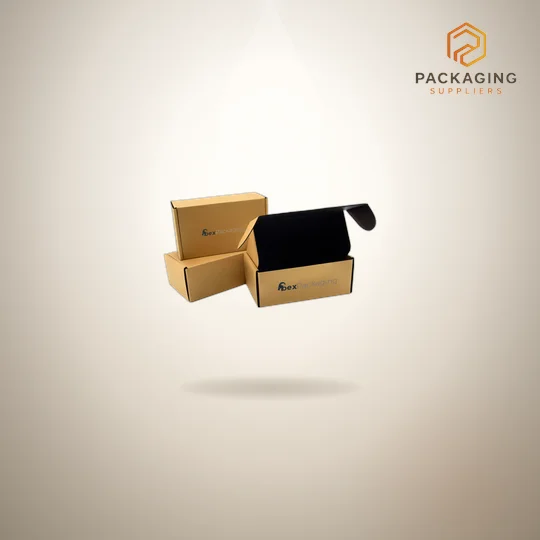
Fluted board with real crush protection in multiple flute grades. The workhorse for shipping and mailers.
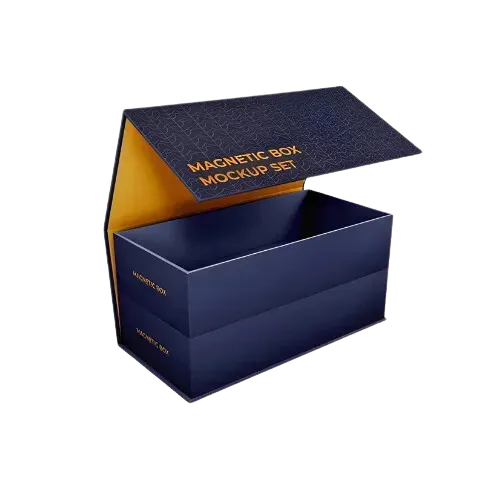
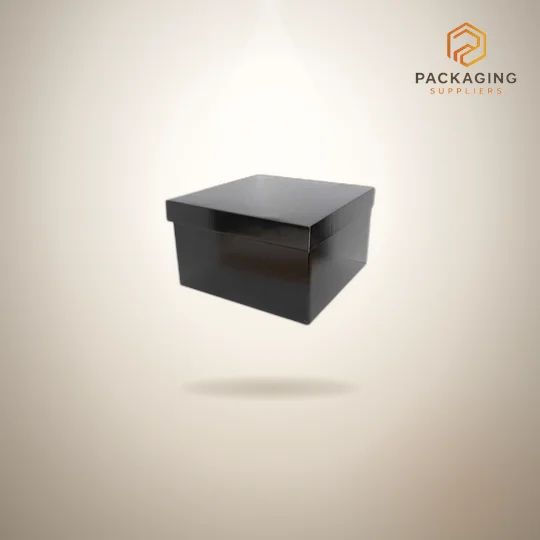
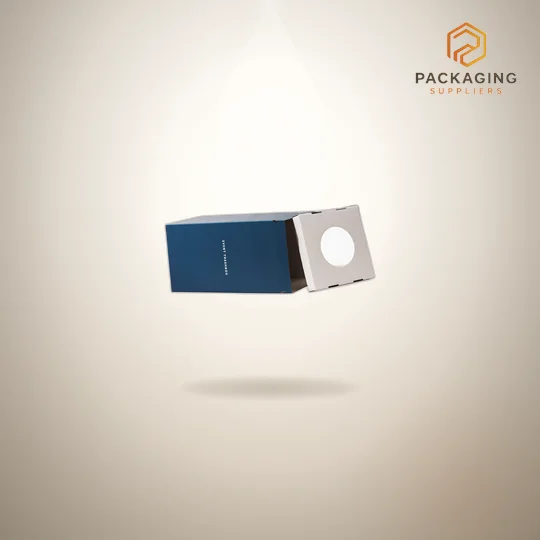
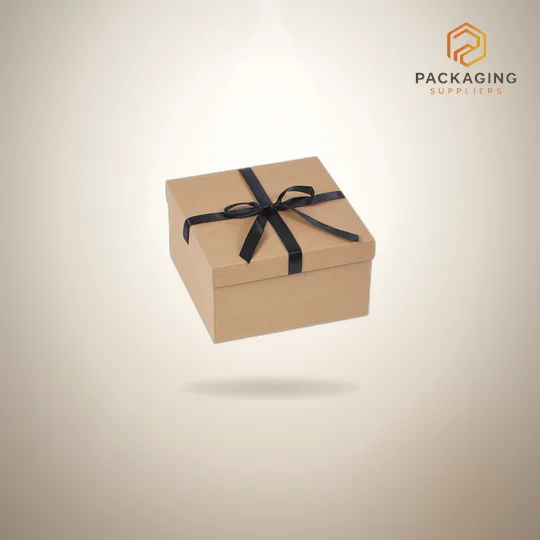
Rigid
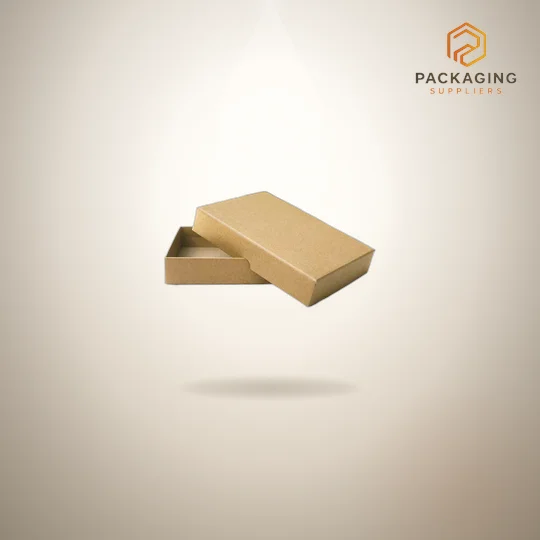
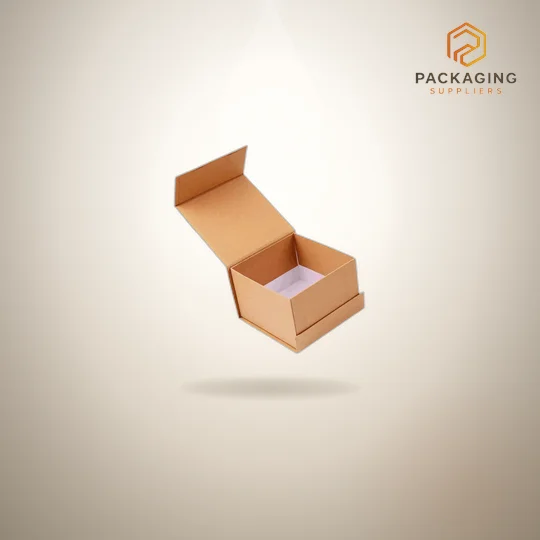
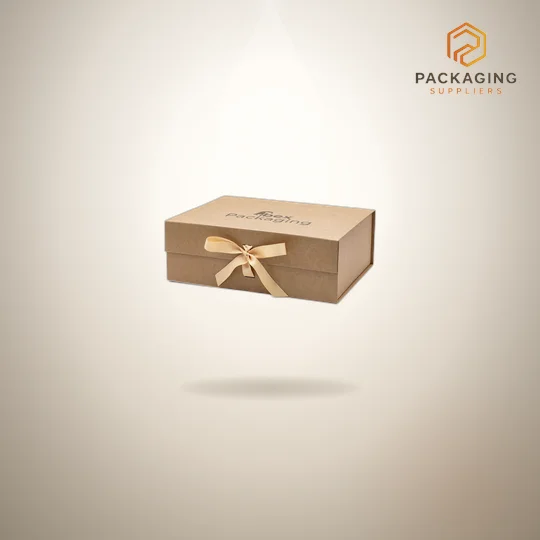
Thick chipboard with a premium, weighty feel. Built for gift-tier and higher-priced products.
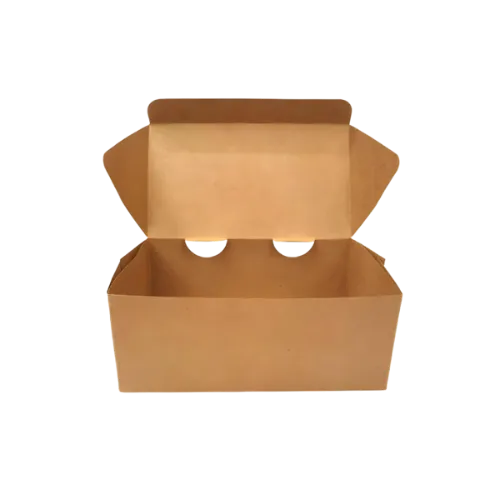
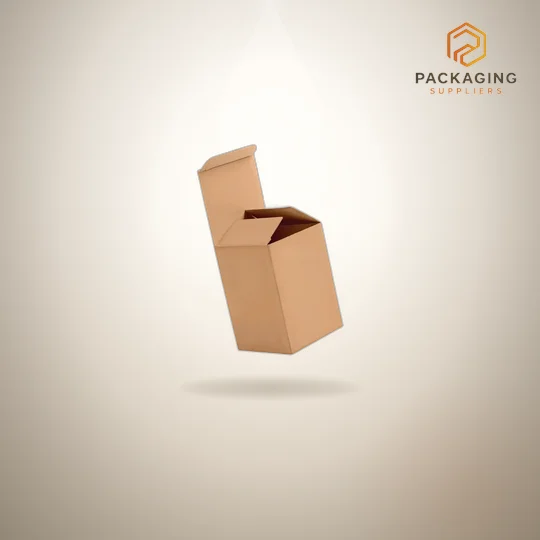
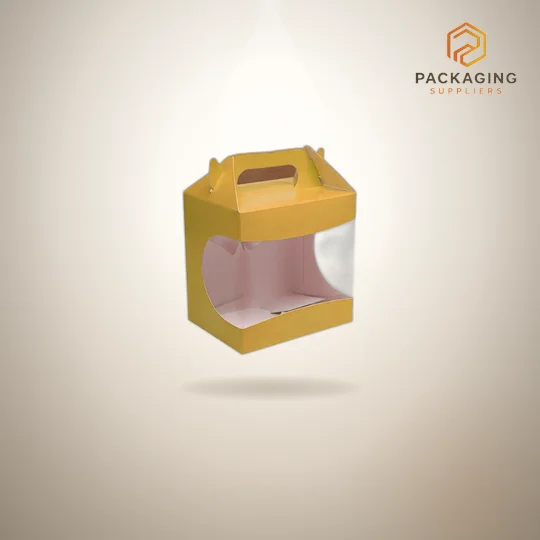
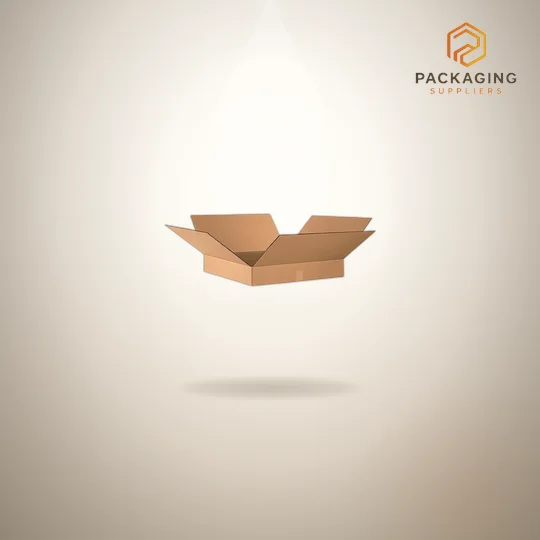
Kraft
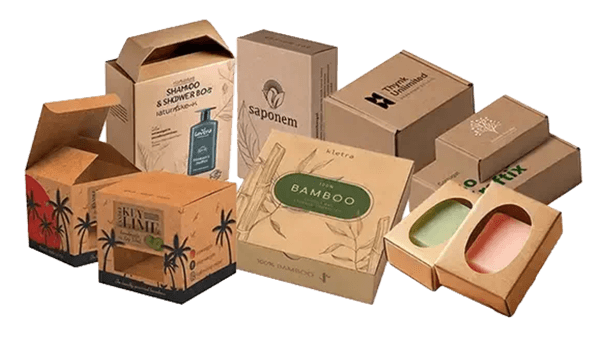
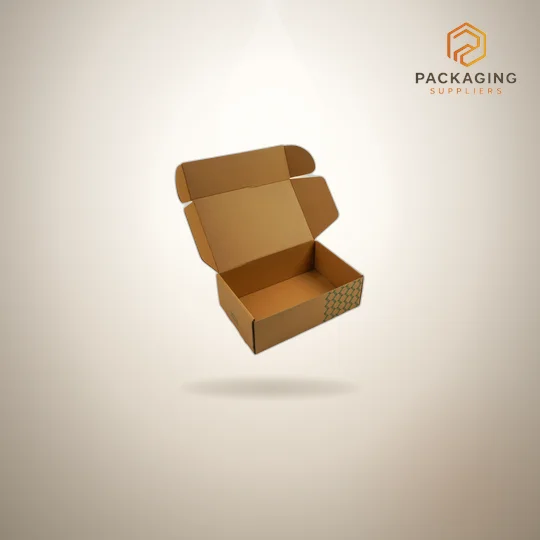
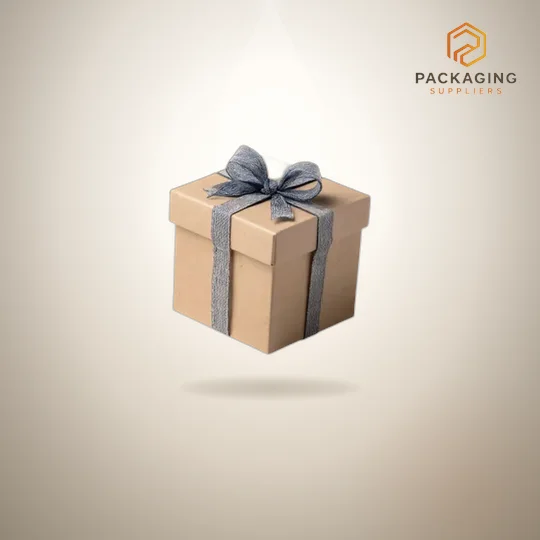
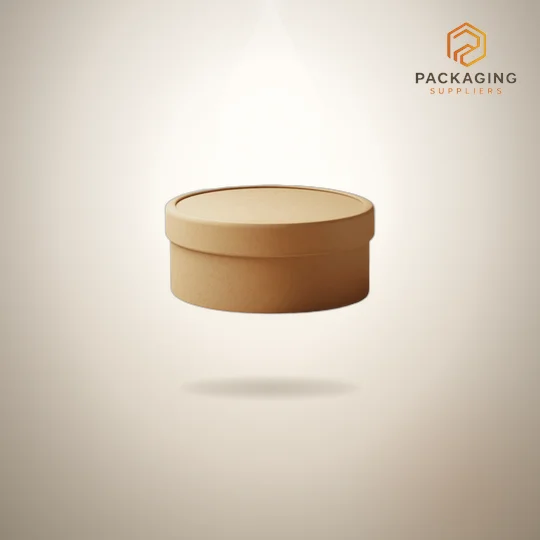
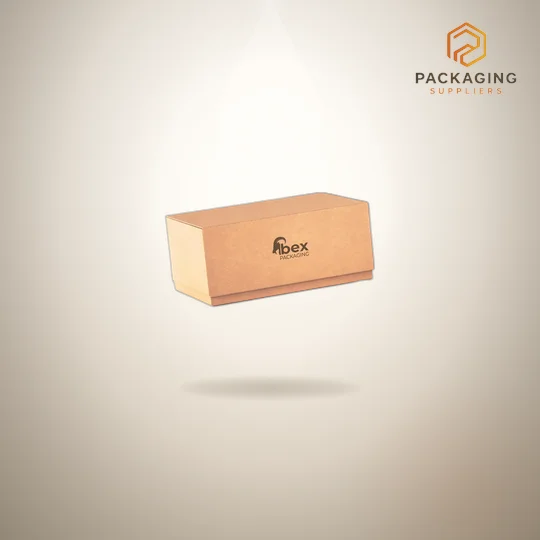
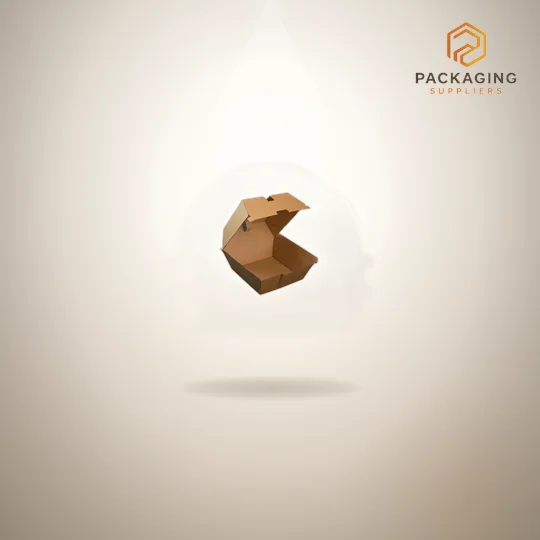
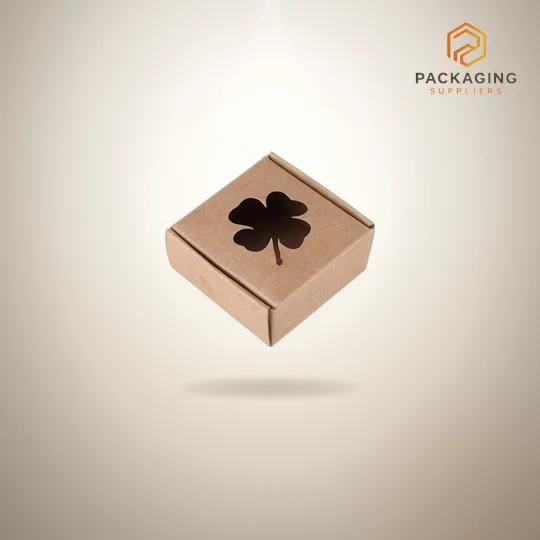
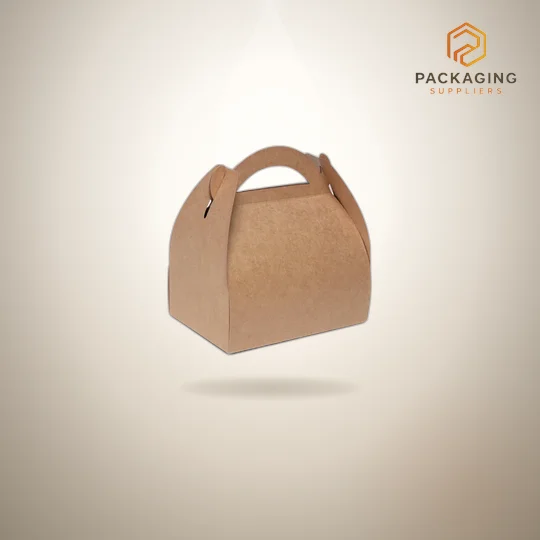
Recyclable, natural-brown board with a tactile, unbranded feel. The default for eco-first brands.
Material
Stock Type and Thickness
A box is only as good as the board it’s cut from. Here are the four stocks we run; pick by how your product ships and how you want it to feel.
Why Choose Us
Present your small business as a Brand
You don’t need an enterprise budget to look like an established brand. We handle the structure, the print, and the finish so your packaging earns its place on the shelf and in the unboxing.
Packaging strategies
We help you pick the box, stock, and finish that fit your product and your margins. Not the most expensive option; the right one
Idea to Production
Bring a rough concept, or a competitor's box you want to beat. We turn it into a manufacturable design with real specs.
In-House Design & Artwork
Our designers build your dieline and artwork in-house. No outsourced middle layer, no guesswork on print-readiness.
Prototypes & 3D Mockups
See your box as a 3D mockup, then order a physical prototype before you commit to a full run.
Worldwide Delivery
We manufacture direct and ship to 100+ countries, with quality checked before anything leaves the floor.
Free & Reliable Shipping
Free shipping on bulk orders, tracked to your door, on the turnaround we quote.
Eco-Friendly Packaging Guide
Custom Sustainable Packaging Solutions Fro Every Brands
Almost every packaging supplier calls itself sustainable, and almost none of them explain what that word is standing in for. Meanwhile the rules are tightening — the FTC’s Green Guides warn against unqualified environmental claims, California’s SB 343 pushes toward proof of actual rather than theoretical recyclability, and brands have faced enforcement action over sustainability messaging that could not be substantiated.
This page explains what each certification verifies, how to check any supplier’s claim yourself, and states plainly what we can and cannot substantiate about our own materials.
Our Eco-Friendly Range, and What Backs It Up
The recyclable kraft, corrugated and recycled cardboard products in the range below are the eco-forward end of what we manufacture — over a hundred products, available as custom builds to your own dimensions, in wholesale quantities or as a single sample with no minimum order.
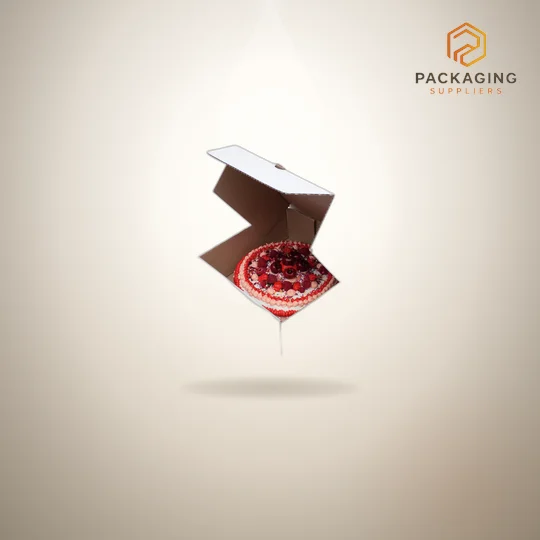
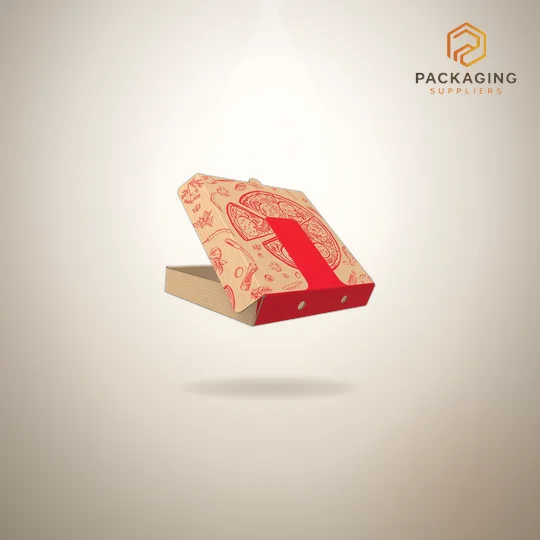
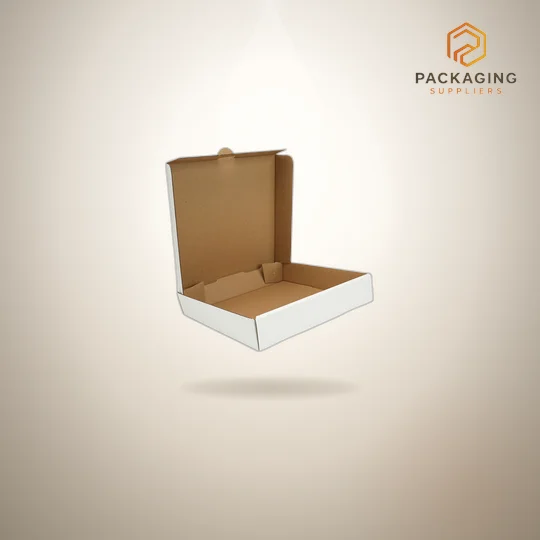
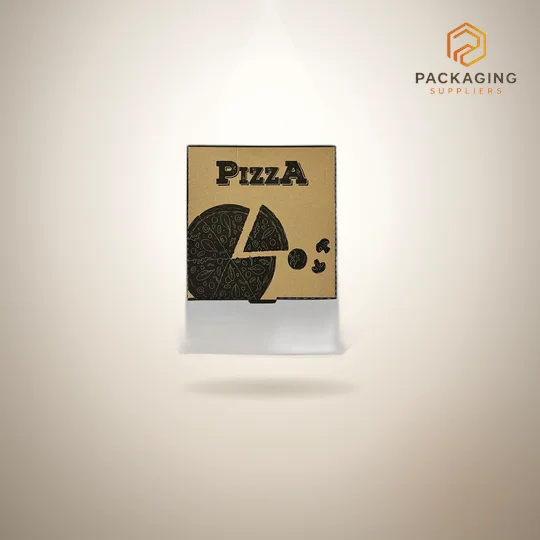
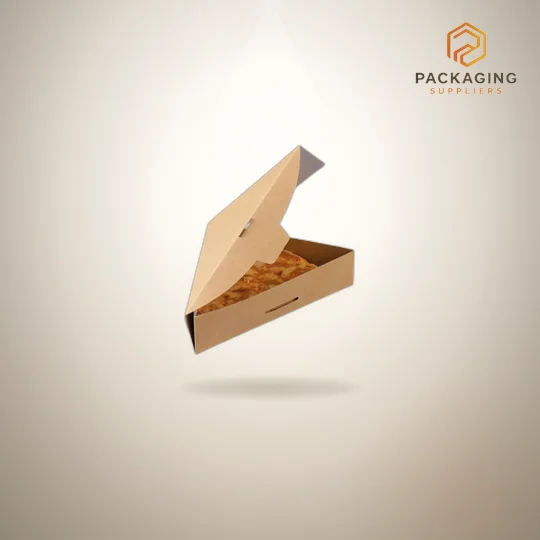
Sustainability is an attribute rather than a product category, so it runs across the rest of what we make. It matters most on Food Packaging, where fiber source determines what can touch food, on Soap Boxes and Cosmetic Boxes where natural positioning is part of the brand, and on Pizza Boxes, where the coating you choose decides whether the box is recyclable at all.
Sustainable Packaging Without the Unverifiable Claims
The problem for a buyer is not a shortage of green language. It is that recyclable, eco-friendly, biodegradable and sustainable are unregulated marketing words, while the certifications that sit behind them are specific, auditable and mostly invisible on a supplier’s website.
A useful working rule: treat any environmental claim without a named standard behind it as marketing rather than information. That applies to us as much as anyone, which is why the section below sets out our position rather than a slogan.
The Two Families of Certification
Certifications fall into two groups that answer different questions, and conflating them is the most common mistake buyers make. One tells you where the material came from. The other tells you what happens to it afterwards. A supplier can hold one and none of the other.
Where the Fiber Came From
FSC, SFI and PEFC are fiber-sourcing standards. They verify through chain of custody that the paper or wood fiber in a product came from responsibly managed forests, tracked at every step from forest to finished item. For paperboard and cartons, chain of custody is the baseline most large retailers require of their suppliers.
The important detail is that chain of custody attaches to a company, not to a material. A mill can be certified while the printer converting its board is not, and in that case the finished box cannot legitimately carry the mark. This is why a supplier saying their paper comes from certified forests is not the same as that supplier being certified.
What Happens at End of Life
The second family covers recycled content, recyclability and compostability.
| Standard | Verifies | Worth knowing |
|---|---|---|
| GRS / RCS | The percentage and chain of custody of recycled content, pre- and post-consumer | Certified recycled content is a materially stronger claim than “made with recycled materials”, which means very little on its own |
| How2Recycle | How a consumer should dispose of each component of a pack | Run by a nonprofit coalition, not a government body. It does not certify that something is recyclable everywhere — each pack is assessed individually |
| BPI / ASTM D6400 | Breakdown under industrial composting conditions | The main industrial compost certification in North America. Applies only to products without adhesive seals, since adhesives interfere with composting |
| TÜV OK Compost / OK Compost HOME | Industrial composting, or home composting within 180 days | Roughly 60% of US households have no municipal composting access, so an industrial-only certification can be useless to your actual customer |
| EN 13432 | The European compostability standard | Relevant if you sell into the EU. AS 4736 and AS 5810 are the Australian equivalents |
One further distinction worth holding onto: company-level certifications say nothing about a specific package. A supplier being B Corp certified is a statement about how the business operates, not about whether the box in front of you is sustainable.
How to Check a Supplier's Claim Yourself
This takes about five minutes and almost nobody does it.
FSC, PEFC and SFI all run free public certificate databases. Ask any supplier for their certificate number and search it directly rather than trusting a logo on a specification sheet. The database will show whether the certificate is current and what scope it covers.
Go one step further and request the scope certificate itself, then check that it carries your supplier’s own details. A recurring problem in this industry is a claim borrowed from elsewhere in the supply chain — a mill’s certification presented as though it belonged to the converter. The certificate names who holds it, which makes this easy to verify and hard to fudge.
For recycled content, ask for a certificate stating the verified percentage of post-consumer waste rather than a general assurance. For compostability, ask which standard and which environment — industrial or home — because the two are not interchangeable from your customer’s point of view.
It is also worth knowing why a smaller supplier may hold fewer certifications than a large one. Certification is not free: costs commonly run between $5,000 and $15,000 depending on material complexity and the number of products covered, with six to twelve weeks of testing. That does not excuse an unsubstantiated claim, but it explains the pattern, and it is a better conversation than logo-counting.
Recycled or Virgin: The Assumption Worth Questioning
The reflexive view is that recycled board is the responsible choice and virgin fiber is wasteful. The real picture is more mixed.
Virgin fiber mills typically draw on certified managed forests and produce long, clean fibers that recycle well afterwards. Recycled board reuses material that already exists, which is genuinely valuable, but its fibers are shorter, it is less stiff, it absorbs moisture more readily, and each cycle shortens the fiber further until it can no longer be reused.
Neither is simply better. Recycled makes obvious sense for dry, non-food, non-structural applications. Virgin makes sense where strength, moisture resistance or food contact matter — and, less obviously, where the material’s own future recyclability is the priority. The honest answer is that it depends on the application, and any supplier giving you a blanket answer is not thinking about your product.
Where Sustainability and Food Safety Conflict
There is one place where the greener option is simply unavailable, and it catches food brands out regularly.
Direct food contact requires virgin fiber. Recycled board does not meet direct food-contact standards without separate food-safe certification, because recovered fiber can carry residues from its previous life. So for a product that physically touches the board, the recycled option is off the table regardless of how much you want it.
The workaround is straightforward: keep recycled material on the outer structure and place a food-safe liner, wrap or bag between board and product. That is common practice and entirely legitimate. What is not legitimate is describing a recycled food-contact box as compliant when it has no food-safe certification behind it.
What We Can Substantiate, and What We Cannot
Setting this out plainly, because the rest of this page would be hollow otherwise.
As a manufacturer rather than a reseller, we control the print process directly, which is what makes the following statements checkable. Every print run uses soy-based inks rather than petroleum-based alternatives. Our shipping is backed by a carbon-offset program. We offer recyclable kraft, corrugated and recycled cardboard options across more than a hundred products in our range.
What we cannot state: we do not hold FSC chain-of-custody certification. If your own brand is FSC certified, we can apply the FSC mark to your packaging under your certification — but that is your certificate being used, not ours, and we will not present it as ours.
If a certification is a hard requirement for your buyer or your retailer, tell us at the inquiry stage. It is better for both of us to establish that early than after artwork is approved.
Not sure which spec fits your product? Talk to our packaging team and we’ll help you choose board, size, and finish.
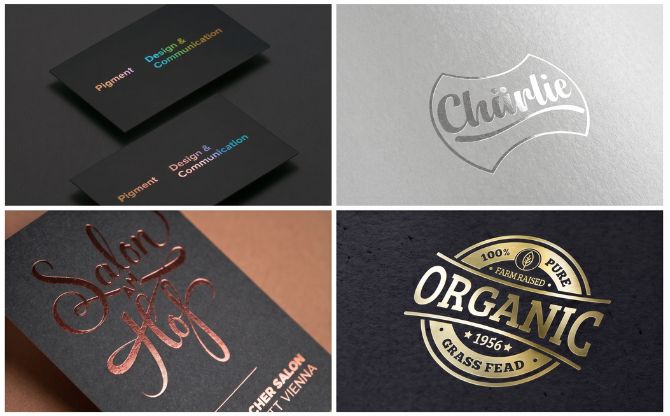
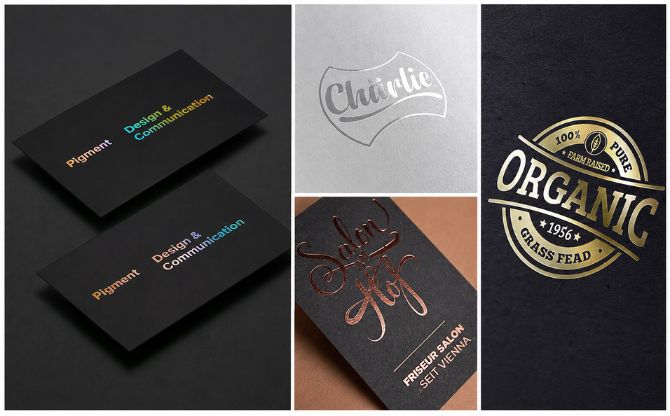
Foil Stamping
Add a metallic or holographic sheen to your logo or key elements. Foil catches the light and signals premium the second a customer picks up the box.
- Gold, silver, rose gold, holographic, and more
- Works on every box style and material
- Pairs cleanly with matte lamination
- No extra setup fee on standard foils
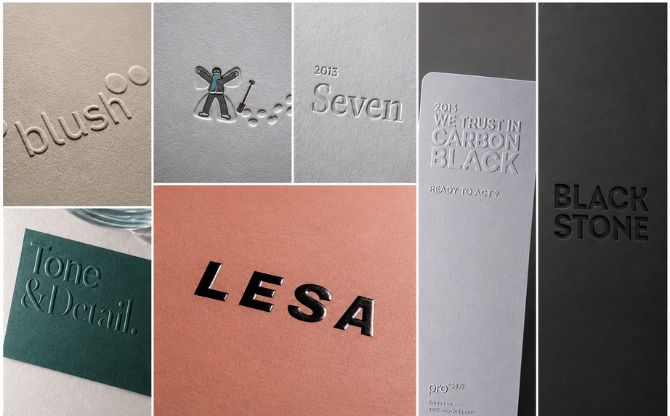
Emboss/Deboss
Press your logo or pattern into the stock for a raised or recessed texture customers feel before they read it. No ink; the impression does the work.
- Single-level or multi-level dies
- Works on Kraft, SBS, and rigid stock
- Pairs with foil for a tactile, premium hit
- Best on uncoated and matte surfaces
Lamination
A protective film over the printed surface that locks in the finish and guards against scuffs, moisture, and handling.
- Matte for a soft, muted look
- Gloss for high shine and color pop
- Soft-touch for a velvet feel
- Extends durability on shipping and retail boxes
Spot UV
A high-gloss coating on select areas: logo, title, pattern; for sharp contrast against a matte background.
- Gloss-on-matte contrast
- Highlights logos and key artwork
- Pairs with soft-touch lamination
- Registered precisely to your dieline
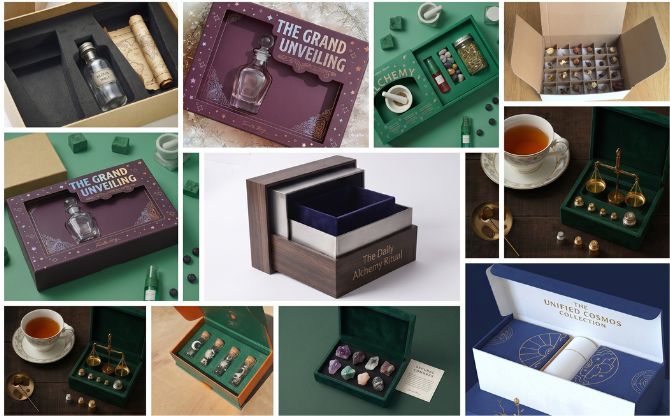
Custom Inserts
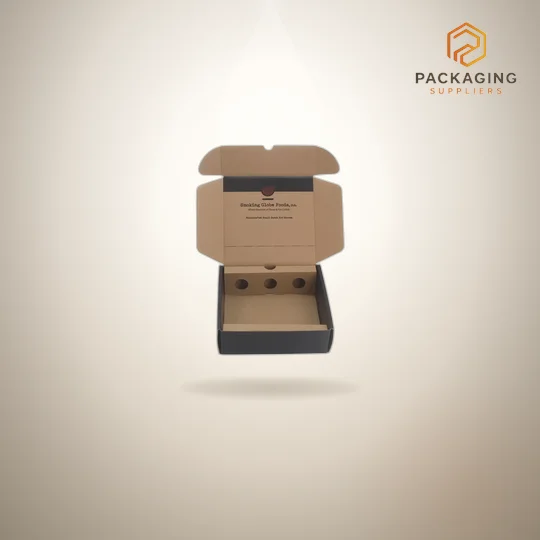
Fitted inserts that hold product in place, cut movement in transit, and control the reveal on opening.
- Foam, corrugated, or paperboard
- Cut to your exact product dimensions
- Protects fragile and multi-piece items
- Builds a deliberate unboxing sequence
Custom Styles
A cut-out with clear film so customers see the product without opening the box, built for retail shelves.
- PET or PVC film options
- Any shape, sized to your dielines
- Ideal for food, cosmetics, and gifts
- Balances protection with visibility
Unlimited Customizations
Every Detail, Your Way
Endless finishing options so your apparel packaging looks exactly how you imagined it — and then some.
Packaging Made Easy.
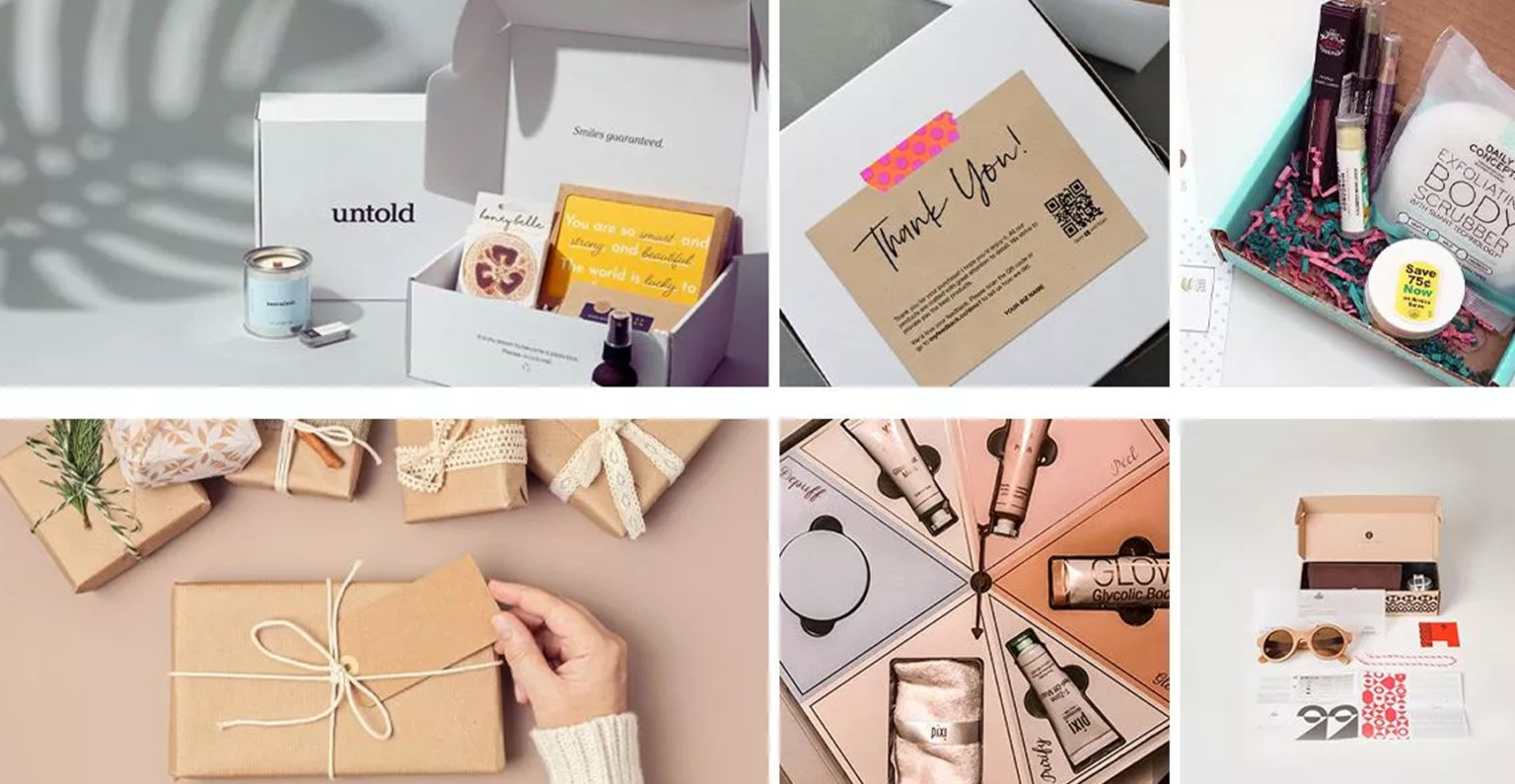
Four steps, no back-and-forth. Send your spec or a rough idea. We build the dieline and a 3D mockup for your approval, print and produce with a color check before the run, and ship to your door. You get one dedicated contact the whole way, someone accountable, not a ticket queue.
Customer Stories
Brands That Trust P&S
From boutique fashion labels to fast-growing DTC brands; here’s what our customers are saying.
“The magnetic closure boxes for our accessory line look absolutely stunning. The foil stamping on our logo is better than anything I’ve seen at twice the price.”
Michael Schmidt.
Founder, Bloom Apparel Co.
“We switched to P&S for our clothing boxes and the difference was immediate. Our customers now post unboxing videos without asking, says everything.”
Owner, STD Leather Co.
“As a shoe brand, I was nervous about minimums and quality. P&S had no MOQ and the shoe boxes arrived within time, perfect quality, every single time.”
CEO, Strider Footwear.
Common Questions
Frequently Asked Questions
Everything you need to know about ordering custom packaging.
What makes a box part of the sustainable packaging range?
Boxes in this range are made from FSC certified, recyclable paper based materials such as kraft, cardstock, and corrugated board, with no plastic components used in construction.
Are sustainable packaging options available in every box style?
Most styles, including shipping, retail, and gift boxes, can be produced using these materials. If you’re unsure whether a specific style is available, ask when requesting a quote.
What does FSC certified mean for these materials?
FSC certification means the paper based materials come from responsibly managed forests, verified through the Forest Stewardship Council’s chain of custody standards.
Can sustainable packaging still be custom printed and finished?
Yes, FSC certified materials support the same printing methods and finishes as our standard range, including foil, embossing, and lamination, so sustainability doesn’t limit design options.
Is sustainable packaging recyclable after use?
Yes, since the materials are paper based rather than plastic, they can go into standard cardboard or paper recycling once a customer is done with the packaging.
Does choosing sustainable packaging change my box's size or strength options?
No, sizing and structural options stay the same. You can switch to FSC certified materials without changing the dimensions or durability of the box you’d otherwise order.